Insects

Insects are the most diverse group of animals on Earth, with more than a million described species and many more still waiting to be named. Every adult insect shares the same basic body plan: six legs, a body divided into head, thorax and abdomen, and a hard outer skeleton that must be shed for it to grow. Many, like butterflies and beetles, go through complete metamorphosis from larva to pupa to adult, while others, such as grasshoppers, grow gradually through nymph stages. Insects pollinate crops, recycle dead plants and animals, and feed countless birds, fish and mammals.

Explore the colorful world of butterflies, the busy colonies of bees and ants, and the armored variety of beetles, along with sections on dragonflies, mantises, ladybugs and wasps. Life cycle guides show how insects from cicadas to mosquitoes develop, and practical pages on bed bugs, fleas, lice and cockroaches help families understand the pests they meet at home or when camping.

Start here: Rove Beetle · How Many Legs Do Ants Have? · Dragonfly Life Cycle · Grasshopper Life Cycle – 3 Stages & Unique Characteristics · Ladybug Anatomy · Beetle Life Cycle

Browse by group: Ants · Bed Bug · Bees · Beetles · Butterflies · Caterpillar · Cockroach · Dragonfly · Flea · Fly · Grasshopper · Ladybug · Lice · Mantis · mosquito · Moth · Wasps

  • Blister Beetle

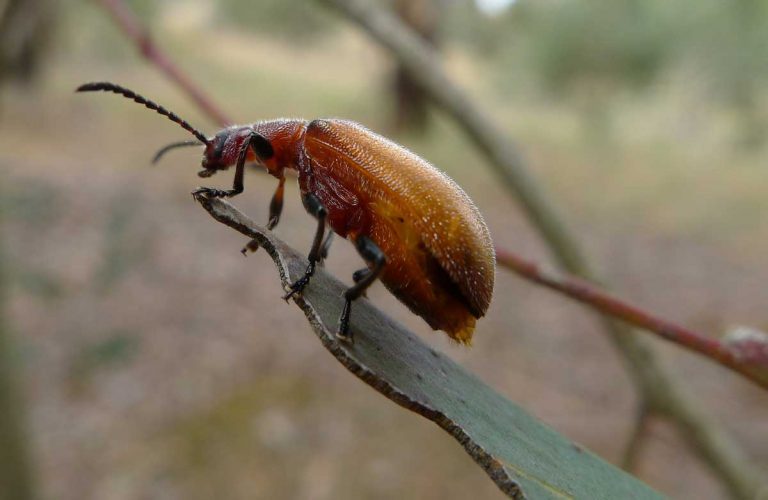
    Blister beetles are long, soft-bodied beetles in the family Meloidae. They are famous for a chemical called cantharidin, which can cause painful blisters on skin. There are about 7,500 species around the world, and some can be very dangerous to horses and other farm animals. Blister beetle Quick Facts Common name Blister beetle Scientific name…
  • Boll Weevil

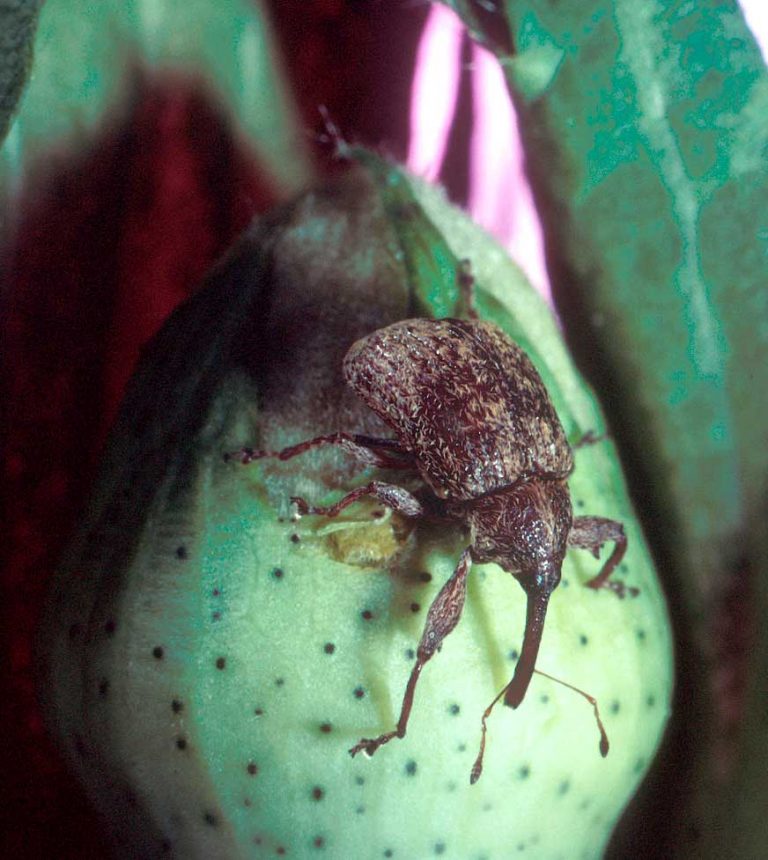
    The boll weevil is a small beetle with a long snout that feeds on cotton plants. It may be tiny, but it became one of the most destructive farm pests in American history. Its scientific name is Anthonomus grandis. Boll weevil Quick Facts Common name Boll weevil Scientific name Anthonomus grandis Kingdom Animalia Phylum Arthropoda…

  • |

    Black Ladybug

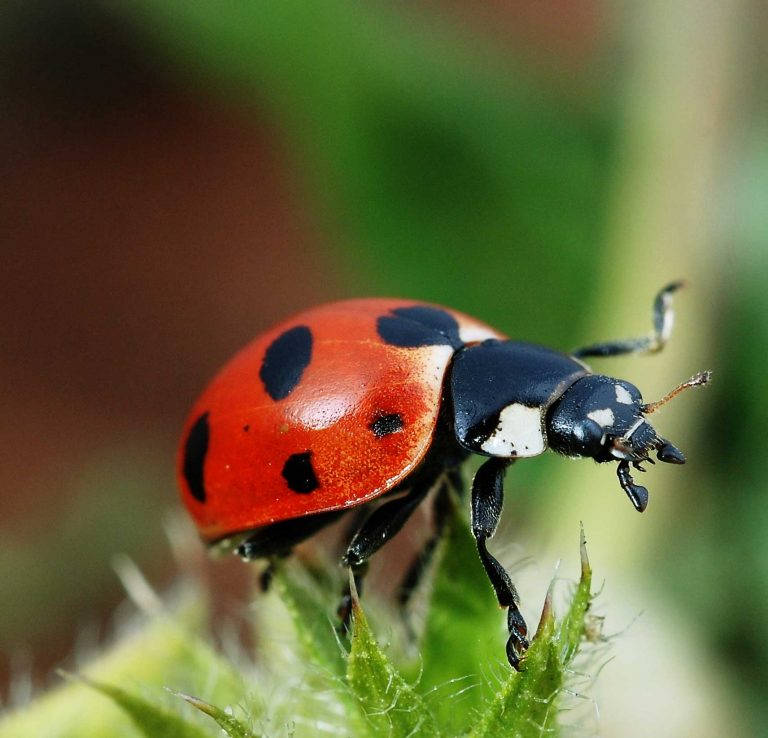
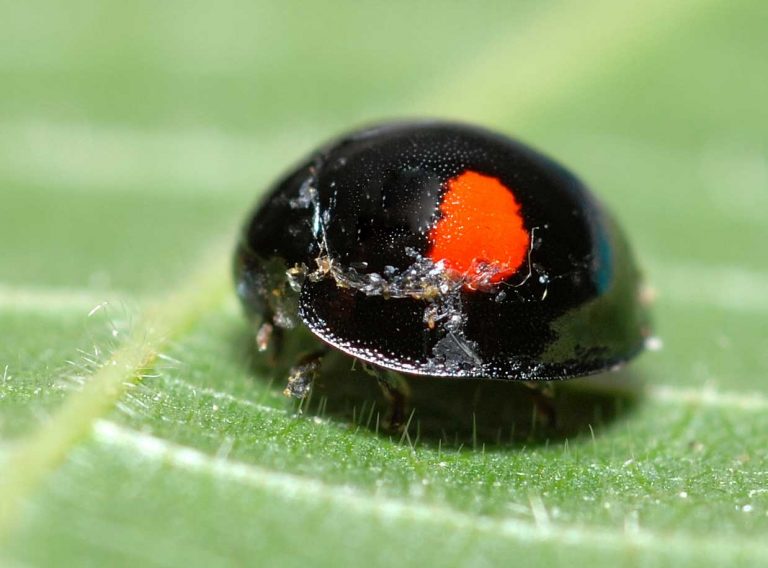
    Not all ladybugs are red. The twice-stabbed lady beetle, Chilocorus stigma, is a shiny black ladybug with one bright red spot on each wing cover. It is native to North America and is a helpful predator of scale insects that damage trees and shrubs. Twice-stabbed lady beetle Quick Facts Common name Twice-stabbed lady beetle Scientific…

  • Black Wine Weevils

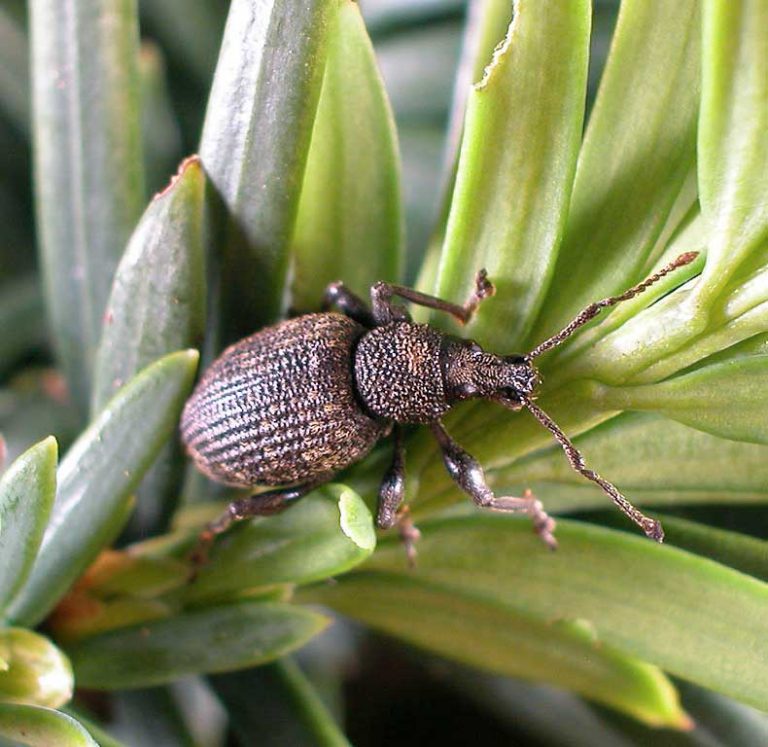
    The black vine weevil, Otiorhynchus sulcatus, is a small, dark beetle with a short snout that is a well-known pest of gardens, nurseries and potted plants. It is sometimes misspelled “black wine weevil,” but its name refers to vines such as grapevines, which it can also attack. Black vine weevil Quick Facts Common name Black…

  • Black Carpet Beetles

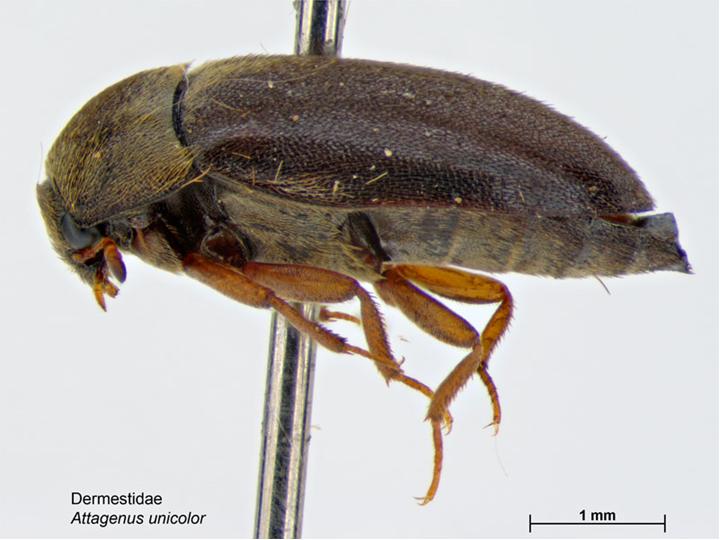
    The black carpet beetle, Attagenus unicolor, is a tiny dark beetle whose larvae eat wool, fur, feathers and other animal materials in our homes. It is one of the most common and damaging carpet beetles in North America and is found in many other parts of the world too. Black carpet beetle Quick Facts Common…

  • Beetle Identification

    Beetles are insects with hard front wings that close over their backs like a shell. They live on every continent except Antarctica, in forests, deserts, ponds, gardens and even inside our homes. Learning a few simple clues can help you figure out what kind of beetle you have found. Beetles Quick Facts Common name Beetles…

  • Asian Long Horned Beetle

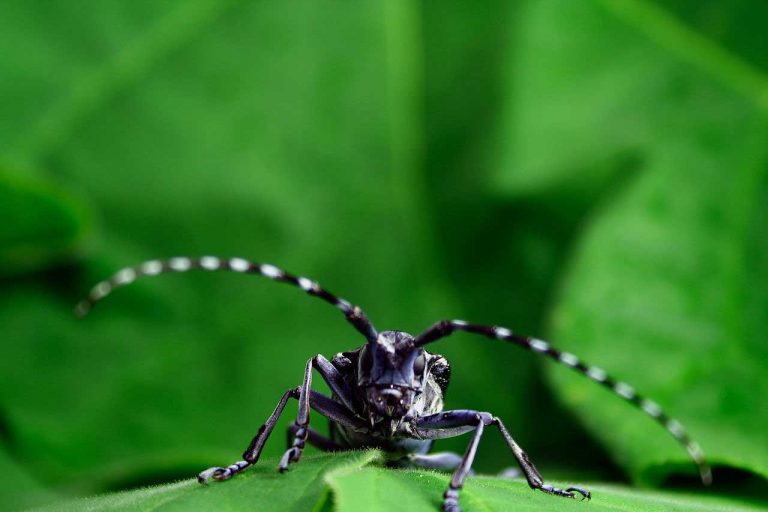
    The Asian longhorned beetle, Anoplophora glabripennis, is a large black-and-white beetle with extremely long antennae. It comes from China and Korea, where it is sometimes called the starry sky beetle because of the white spots on its shiny black back. Outside its home range it is a serious invasive pest that can kill healthy hardwood…

  • Are ladybugs Poisonous?

    Quick answer: No, ladybugs are not poisonous to people in any harmful way. They release bitter, smelly fluid that deters predators, but touching them is safe. Rarely they cause allergies or nip skin, and a pet that eats many may get an upset stomach. Ladybugs, also called ladybirds or lady beetles, are not really bugs…

  • Three Horned Rhinoceros Beetle

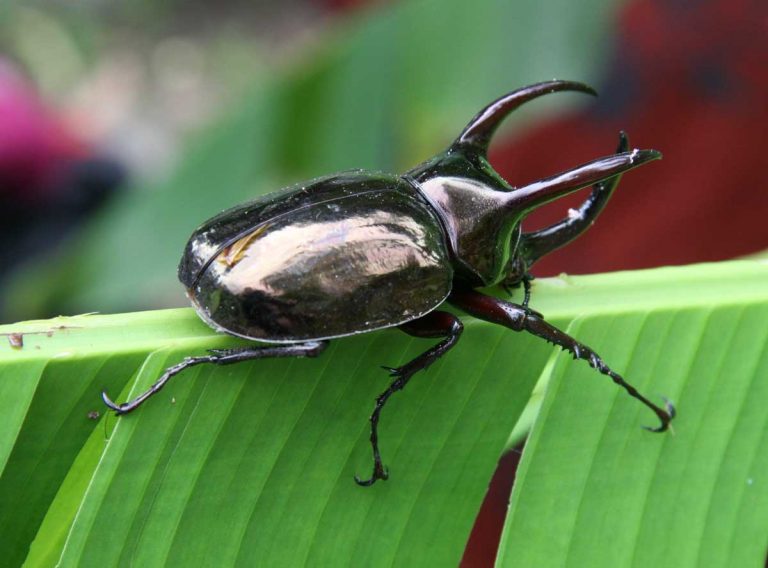
    The three-horned rhinoceros beetle, Chalcosoma moellenkampi, is a giant beetle from the rainforests of Borneo in Southeast Asia. Males carry three long horns: two curving forward from the thorax and one rising from the head. It is one of the most spectacular beetles in the world. Three-horned rhinoceros beetle Quick Facts Common name Three-horned rhinoceros…

  • Woodboring Beetle

    Wood-boring beetles are beetles whose larvae live inside wood and eat it. They are not one family but several, including bark beetles, metallic wood-borers, longhorn beetles and powderpost beetles. Most help forests by breaking down dead trees, but a few become serious pests. Wood-boring beetles Quick Facts Common name Wood-boring beetles Scientific name Coleoptera Kingdom…

  • |

    Yellow Ladybug – Biological Characteristics Of “Lucky” Beetles

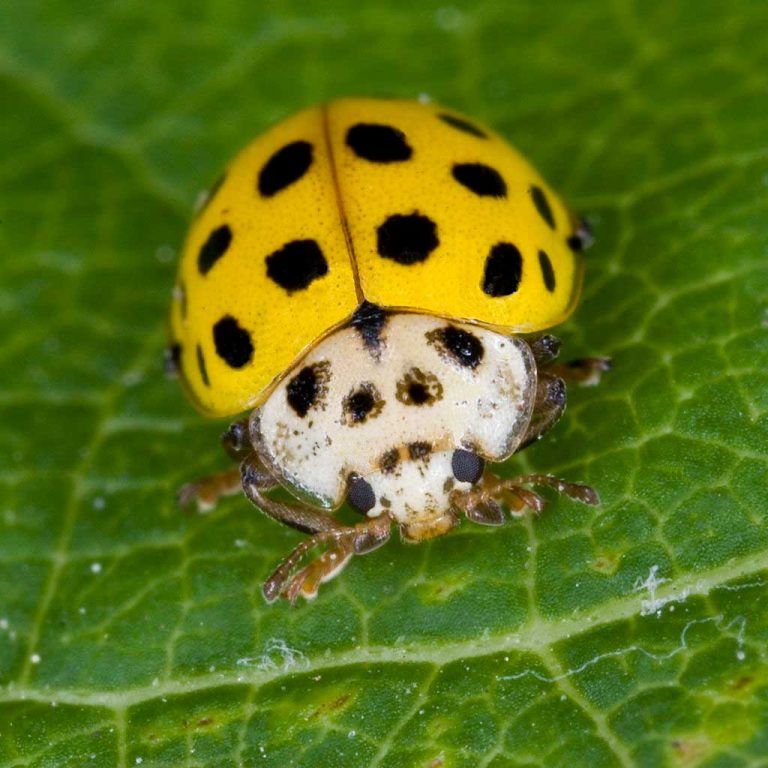
    Yellow ladybugs are ladybird beetles with yellow wing covers, usually decorated with black spots or patches. They are not one single species but several different kinds in the ladybug family, Coccinellidae. Many of them are helpful garden visitors, and in many cultures they are a symbol of good luck. Yellow ladybug Quick Facts Common name…

  • Whirligig Beetle

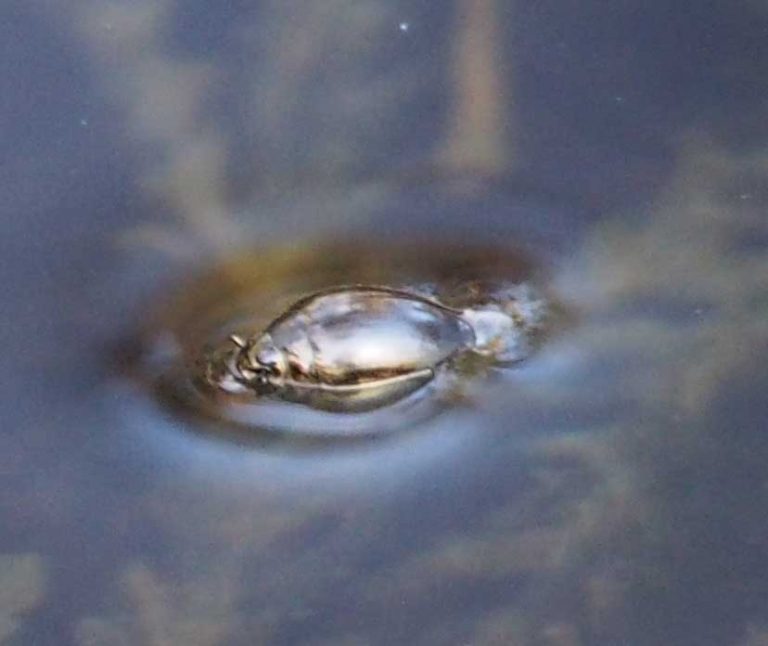
    Whirligig beetles are small, shiny water beetles that zip around in circles on the surface of ponds and streams. They belong to the family Gyrinidae, which has more than 700 species found around the world. You often see them in groups, spinning like tiny bumper cars. Whirligig beetle Quick Facts Common name Whirligig beetle Scientific…