Lizards

Some lizards can drop their tails to escape a predator and later grow a replacement, one of many survival tricks in this remarkably varied group of reptiles. Lizards range from tiny skinks small enough to sit on a fingertip to heavy monitors and iguanas, and they live on every continent except Antarctica. Like all reptiles, they rely on outside heat, which is why they are so often seen basking in the sun.

Brush up on the basics with our lizard facts, then meet show-stoppers like the frilled lizard and the water-running Jesus lizard. If you are thinking of keeping one, our guide to pet lizards and profiles of iguanas, anoles, skinks and tegus cover habitat, diet and care.

  • 5 Best Books on Lizards – A Guide for Reptile Enthusiasts

    Reading books about lizards is a simple and convenient way to find out interesting facts and insights about these reptiles. It’s true that today you can find anything on the internet, but reading illustrated books is a completely different experience for people who admire exploring nature.  Parents especially want their children to read books in…
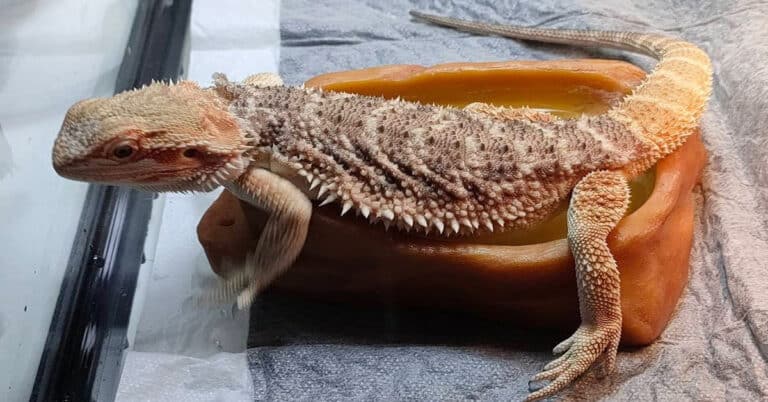
  • Bearded Dragon Lifespan In The Wild & Captivity

    One of the most common reptilian companions in the world is the Bearded Dragon. They are amiable, inquisitive, and manageable. How long do they survive, though? What influences their longevity, also?  Bearded dragon Quick Facts Common name Bearded dragon Scientific name Pogona vitticeps Kingdom Animalia Phylum Chordata Class Squamata Family Agamidae Genus Pogona Conservation status…

  • |

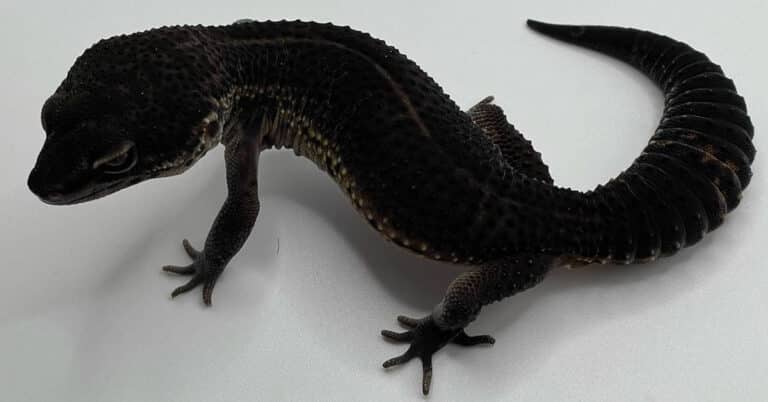
    Black Night Leopard Gecko: Facts and Care Guide

    Lizards are first known to have come into this world during the late-Permian period, dating back to between 240-and-260 million years ago. Black night leopard gecko Quick Facts Name Black night leopard gecko Breed of Eublepharis macularius Kingdom Animalia Phylum Chordata Class Squamata Family Eublepharidae Type Reptile; a leopard gecko colour morph Diet Insects: crickets,…

  • Lizard Life Cycle

    Teachers and students: you’re welcome to use this diagram in lessons and projects with credit to Learn About Nature. General Information About Lizards Did you know that these reptile species have persisted for about 200 million years? Their characteristics depend on the species. For instance, in some species, lizards can weigh as little as 0.5…

  • Anole Lizard

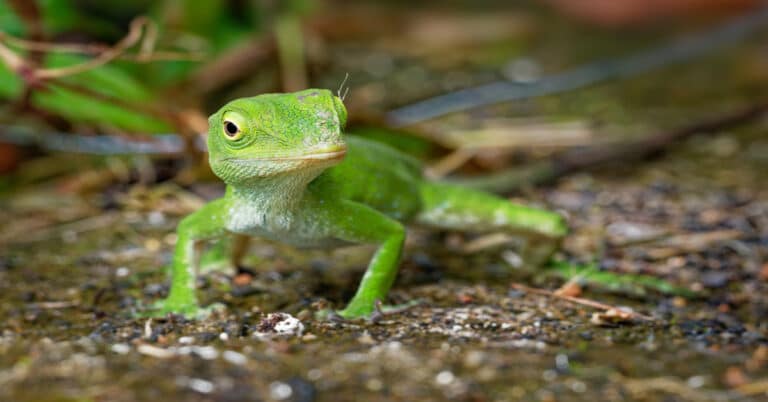
    Scientific Classification & Quick Facts Common name Anole Scientific name Anolis Kingdom Animalia Phylum Chordata Class Squamata Family Dactyloidae Type Reptile; small, day-active lizard Diet Live insects such as crickets, flies and spiders Habitat Bushes and branches; green types stay higher Native range Southeastern United States and Caribbean Size 3-7 inches; knight anole over 12…

  • Monitor Lizard

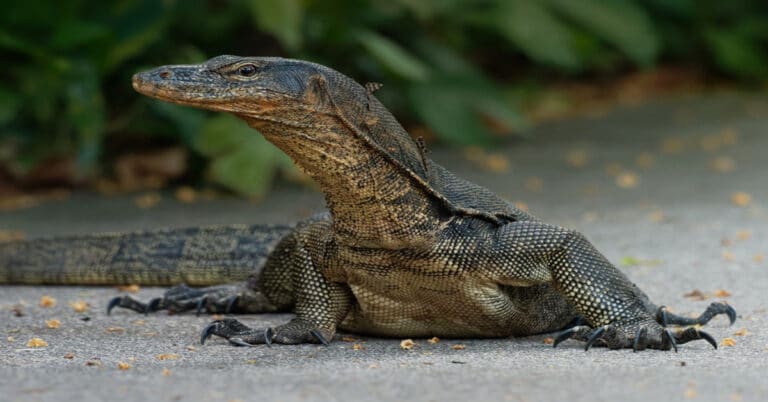
    The monitor lizard is a member of the order Squamata, the family Varanidae, and the genus Varanus. That specific species of lizard has a variety of subgenres. The Arabic term for dragon or lizard beast is where its name – Varanus, originates from. The monitor lizard’s habit of standing on its hind legs to survey…

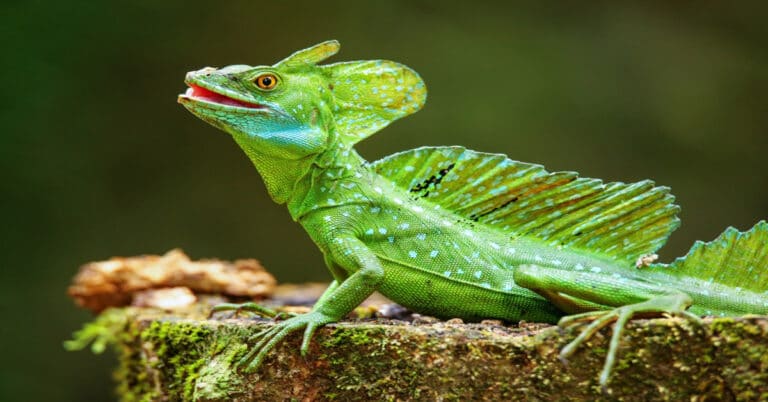
  • Basilisk Lizard

    Scientific Classification & Quick Facts Common name Common basilisk Scientific name Basiliscus basiliscus Kingdom Animalia Phylum Chordata Class Squamata Family Corytophanidae Genus Basiliscus Conservation status Least Concern Type Reptile; crested lizard Diet Insects, spiders and sometimes pinky mice Habitat Rainforest next to streams Native range Central America and northern South America Lifespan About 7 years…

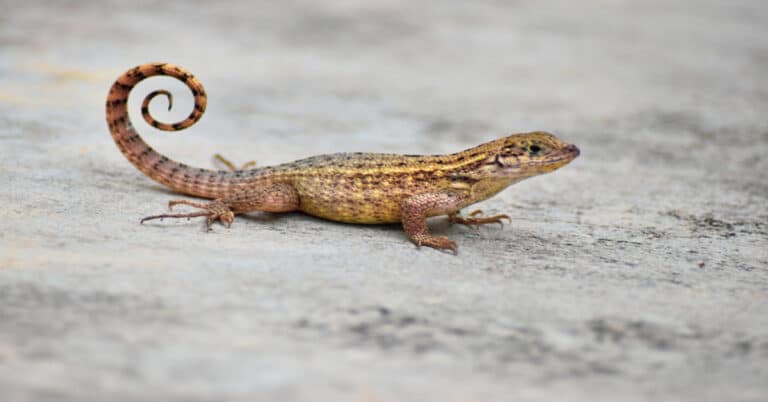
  • Curly Tail Lizard

    Scientific Classification & Quick Facts Common name Curly-tailed lizard Scientific name Leiocephalus Kingdom Animalia Phylum Chordata Class Squamata Family Leiocephalidae Type Reptile; ground-dwelling lizard Diet Insects, flowers, small fruit and seeds Habitat Rocky, coastal areas, pine lands and scrub Native range Caribbean, including the Bahamas Size Typically 7 in; up to 11 in Special feature…

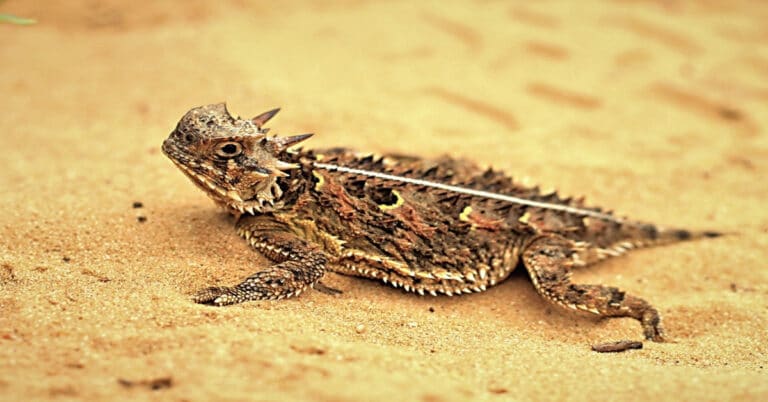
  • Horned Lizard

    Scientific Classification & Quick Facts Common name Horned lizard Scientific name Phrynosoma Kingdom Animalia Phylum Chordata Class Squamata Family Phrynosomatidae Type Reptile; flat, toad-shaped lizard Diet Ants, especially harvester ants; small insects Habitat Sandy, dry, hot places, from deserts to mountains Native range Mexico and the western United States Special feature Some squirt blood from…

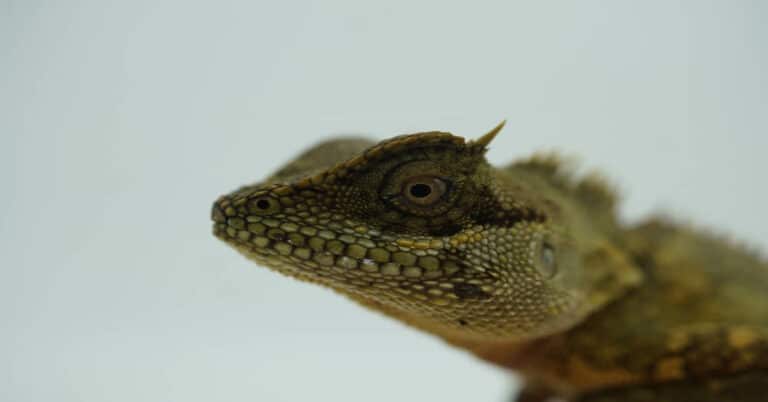
  • Mountain Horned Lizard

    Mountain Horned lizards have slim bodies; their tails are normally longer than their body. They grow to lengths of between 10 – 15 inches which varies according to their species.  The color of a healthy Mountain Horned Lizard varies from deep brown to brilliant green, which again differs according to the animal sex and variety. The ridge on…

  • Weird Lizards (A Compilation)

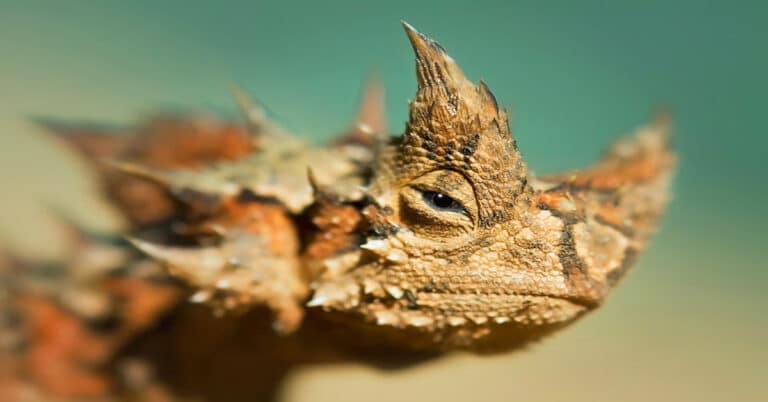
    Thorny Mountain Devil Lizard (Moloch horridus) The thorny dragon a k a thorny devil belongs to the species Moloch horridus.  This is basically Australian in origin.  They call this lizard by many names. The thorny devil, Thorny lizard, the Moloch, and Mountain devil are a few of them.  This is the one and only species of the genus Moloch.   Thorny devil…

  • Sand Lizard

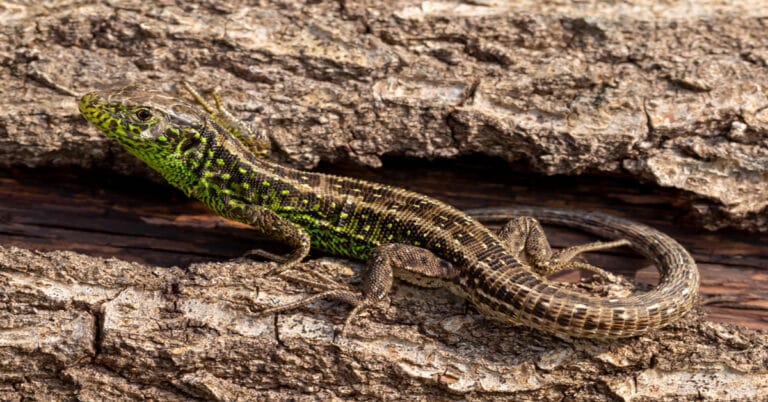
    The sand lizard (Lacerta agilis) is a small, sturdy lizard that loves warm, sandy places, where it basks in the sun and lays its eggs in the sand. It lives across much of Europe and Asia, but in the United Kingdom it is one of the rarest reptiles and is protected by law. Scientific Classification…