Herbs

Long before modern kitchens and medicine cabinets, people relied on herbs for flavor, fragrance and folk remedies, and many of the same plants still grow in gardens today. Herbs are usually valued for their leaves, seeds, roots or bark, which contain aromatic oils that give them strong scents and tastes. Many are easy to grow on a sunny windowsill.

This collection profiles a wide range of plants, from cooking staples like basil and garlic to fast-spreading mint and catnip, the herb many cats find irresistible. Each guide explains where the plant comes from, how it grows and how people have traditionally used it.

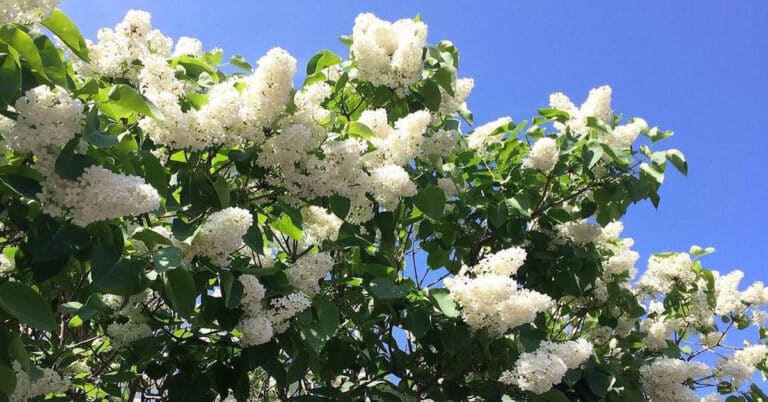
  • Elderflower

    The elderflower is a beautiful white bloom from the Sambucus nigra tree, also known as the elder tree. White hanging flowers develop into elderberries that have a purple color. Elderflowers have been an excellent help for decades and are actively used in medicine and cooking.  Elder Quick Facts Common name Elder Scientific name Sambucus nigra…

  • Herb Garden

    When writing on “Herb Garden,” I thought you would all be happy if I not only select the most popular garden plants in this category in North America but also provide you with information on how to go about preparing, planting, and caring for them as well. You would do well to plant some of…

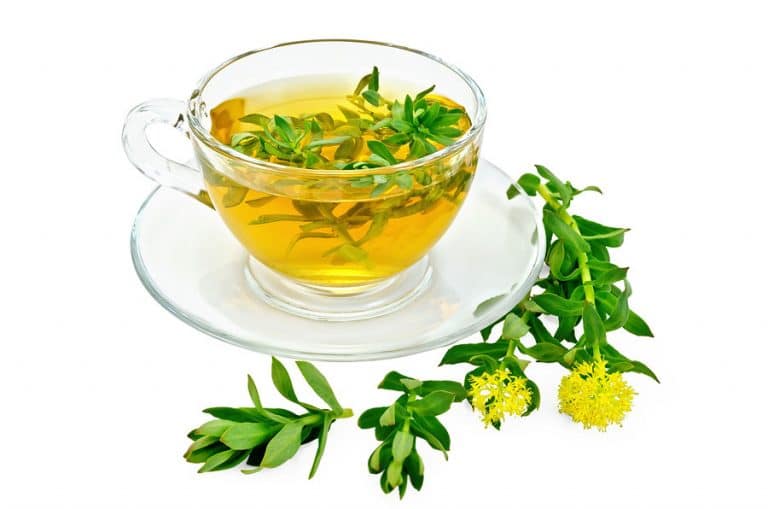
  • Rhodiola

    Scientific Classification & Quick Facts Common name Roseroot Scientific name Rhodiola rosea Kingdom Plantae Phylum Tracheophyta Class Magnoliopsida Order Saxifragales Family Crassulaceae Genus Rhodiola Type Perennial flowering plant in the stonecrop family Habitat Cold mountains, sea cliffs and coastal ledges Native range Arctic, Europe, Central Asia, eastern North America Colours Yellow-green to yellow flowers, sometimes…

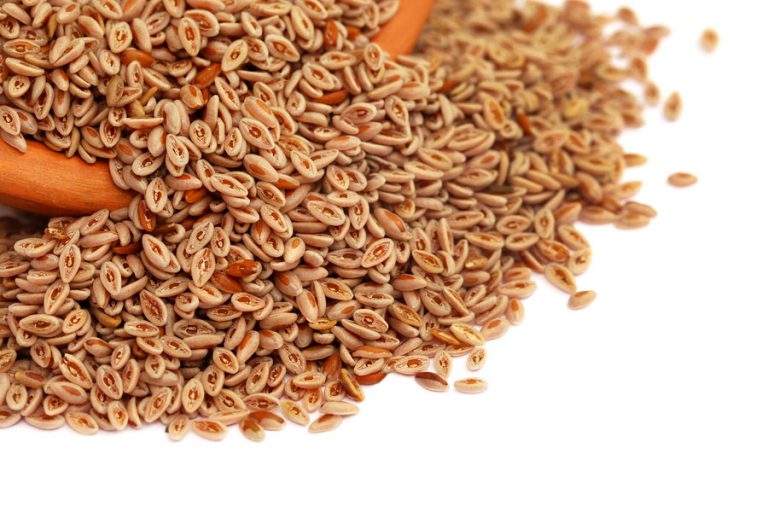
  • Psyllium Husk

    Psyllium husk is the thin, papery outer coating of the seeds of a plant called Plantago ovata. When it gets wet, it swells into a slippery gel, which is why it is widely used as a fiber supplement. The plant is a small, hardy herb grown mainly in India. Scientific Classification & Quick Facts Common…

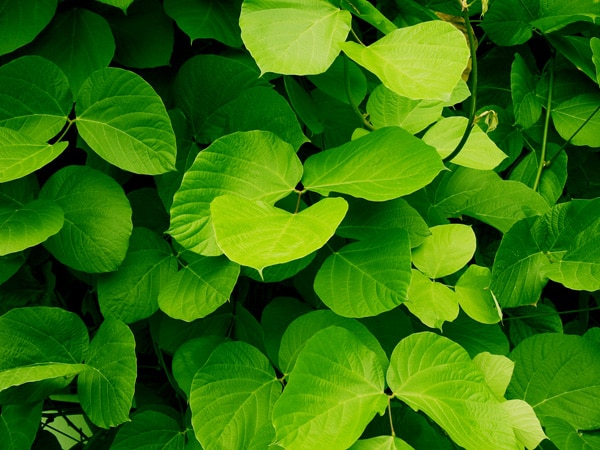
  • Pueraria Mirifica

    Scientific Classification & Quick Facts Common name Kwao Krua Scientific name Pueraria mirifica Kingdom Plantae Phylum Tracheophyta Class Magnoliopsida Order Fabales Family Fabaceae Genus Pueraria Type Woody climbing vine with tuberous roots Habitat Deep forests, 300–800 m above sea level Native range Thailand and northern Myanmar Colours Blue or purple flowers Flowering season February to…

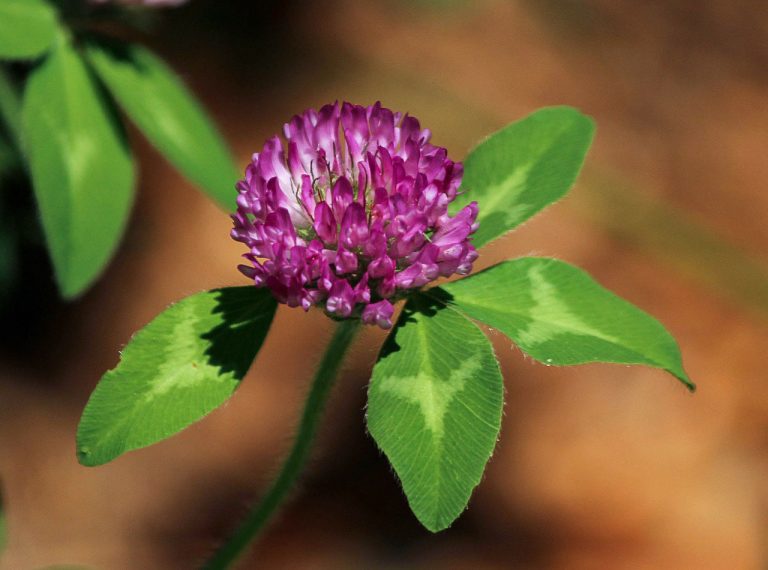
  • Red Clover

    Scientific Classification & Quick Facts Common name Red clover Scientific name Trifolium pratense Kingdom Plantae Phylum Tracheophyta Class Magnoliopsida Order Fabales Family Fabaceae Genus Trifolium Conservation status Least Concern Type Short-lived perennial herb in the pea family Habitat Waste land, roadsides, pastures; well-drained soil Native range Western Asia, northwest Africa, Europe Colours Deep pink flowers…

  • Pimento Allspice

    Allspice is a warm-tasting spice made from the dried, unripe berries of the pimento tree (Pimenta dioica). It gets its name because its flavor reminds people of a mix of cinnamon, nutmeg, and cloves all at once. The tree is native to the Caribbean and Central America, and Jamaica is famous for growing it. Scientific…

  • Pycnogenol

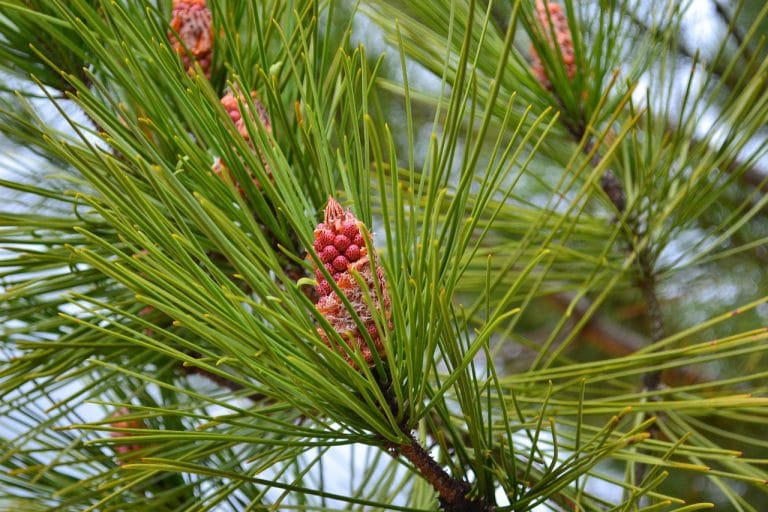
    The Pycnogenol is an extract of the bark of Pinus Maritima, commonly known as the European coastal pine. A natural product of plant origin, it is the most potent antioxidant known. It shields against toxins that commonly occur in the environment. Research studies have indicated that Pycnogenol is far more effective that vitamin E and…

  • Pepper Peppermint

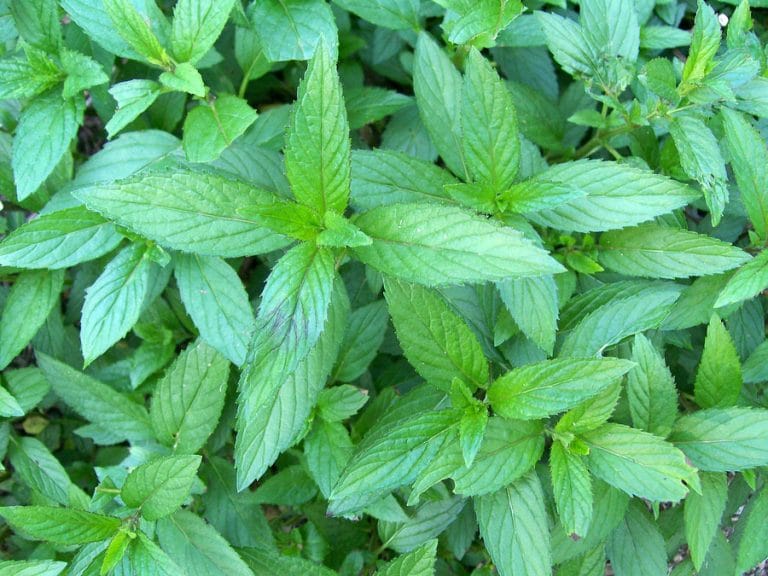
    Peppermint (Mentha × piperita) is a fragrant herb with a cool, fresh taste, used in teas, sweets and toothpaste around the world. It is a hybrid, a natural cross between watermint and spearmint, and despite its name it has nothing to do with pepper plants. Quick Facts Common name Peppermint Scientific name Mentha × piperita…

  • Oregano

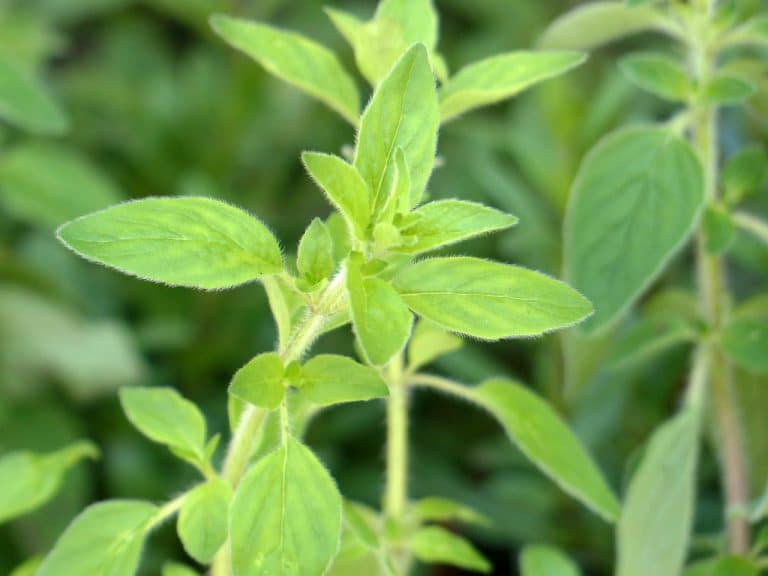
    Scientific Classification & Quick Facts Common name Oregano Scientific name Origanum vulgare Kingdom Plantae Phylum Tracheophyta Class Magnoliopsida Order Lamiales Family Lamiaceae Genus Origanum Type Perennial herb in the mint family Habitat Full sun; well-drained gravelly loam Native range Mediterranean and western Eurasia Colours Purple flowers Height 20–80 cm Edible parts Leaves Special feature Peppery…

  • Nutmeg

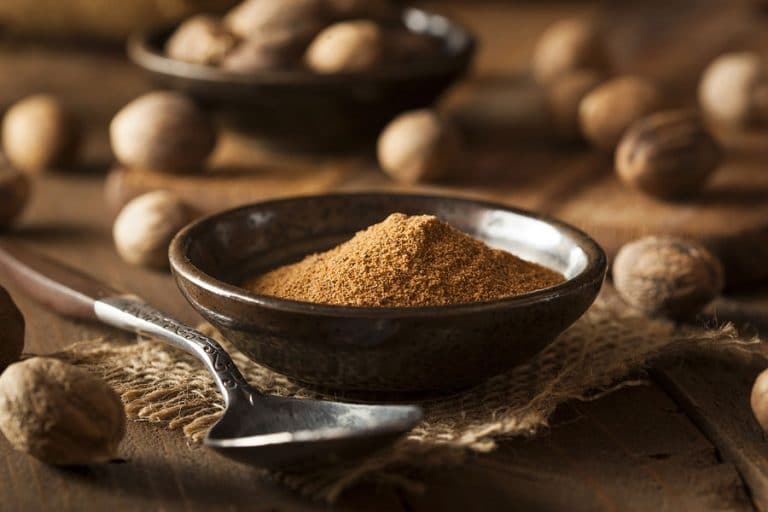
    Scientific Classification & Quick Facts Common name Nutmeg Scientific name Myristica fragrans Kingdom Plantae Phylum Tracheophyta Class Magnoliopsida Order Magnoliales Family Myristicaceae Genus Myristica Conservation status Data Deficient Type Evergreen tropical tree Habitat Hot, humid tropics; well-drained organic soil Native range Banda Islands, Indonesia Lifespan Bears fruit even at 90 years old Height Up to…

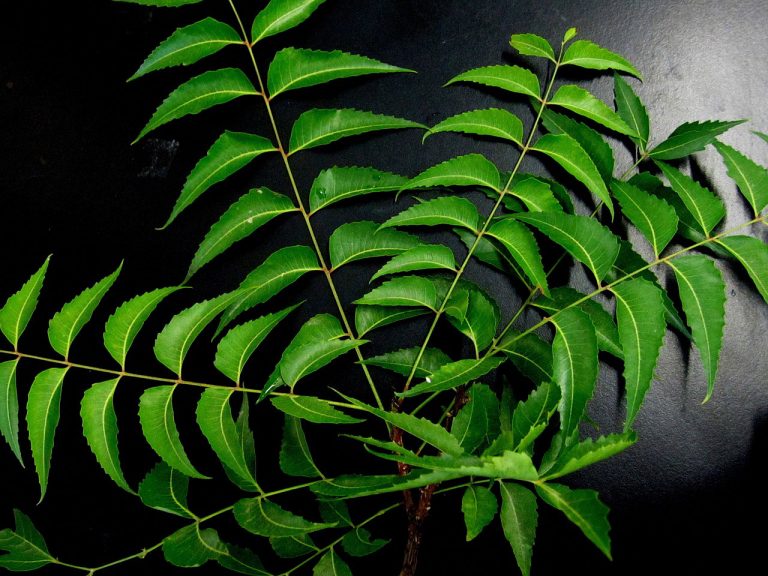
  • Neem

    Scientific Classification & Quick Facts Common name Neem Scientific name Azadirachta indica Kingdom Plantae Phylum Tracheophyta Class Magnoliopsida Order Sapindales Family Meliaceae Genus Azadirachta Conservation status Least Concern Type Evergreen tree in the mahogany family Habitat Hot climates; dry, sandy, well-drained soil Native range India, Myanmar and nearby countries Colours Small white flowers; yellow fruits…