Ladybug

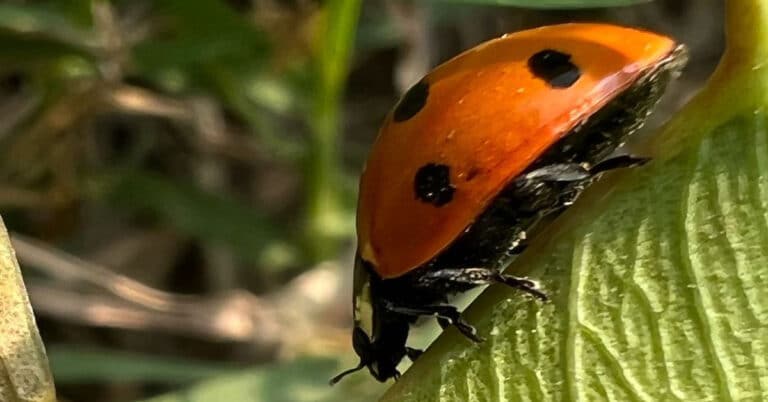
Ladybugs are not true bugs at all but beetles, and their bright colors warn birds that they taste bad. Gardeners love them because both adults and their alligator-shaped larvae devour aphids and other sap-sucking pests. Not every ladybug is red with black spots, either; species come in yellow, orange, black and even spotless forms.

Follow the ladybug life cycle from egg to adult, find out what ladybugs eat, and learn to recognize ladybug larvae so you never mistake them for pests. You can also browse ladybug species and colors, anatomy guides, good-luck folklore, and pictures and clip art for school projects.

  • Pink Ladybug – Characteristics, Life Cycle & Living Habits

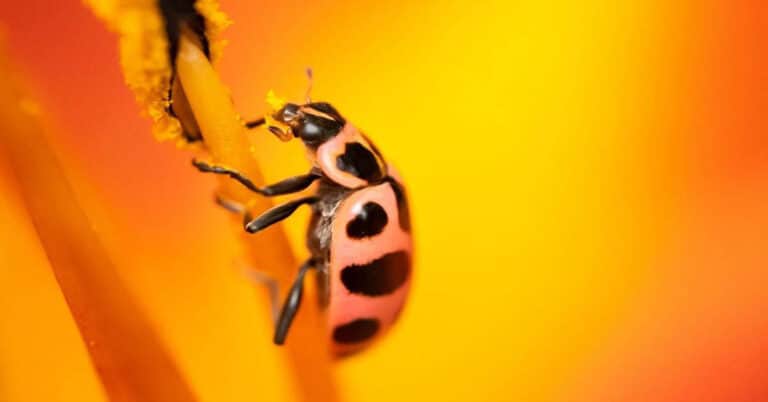
    Have you ever seen a pink ladybug? If yes, you will be mesmerized by its beauty and unusual color. Since you came across this article, you must be curious about those unique insects. Pink spotted ladybugs typically have 12 spots and are also scientifically known as Coleomegilla maculata. Teachers and students: you’re welcome to use…
  • How Long Do Ladybugs Live?

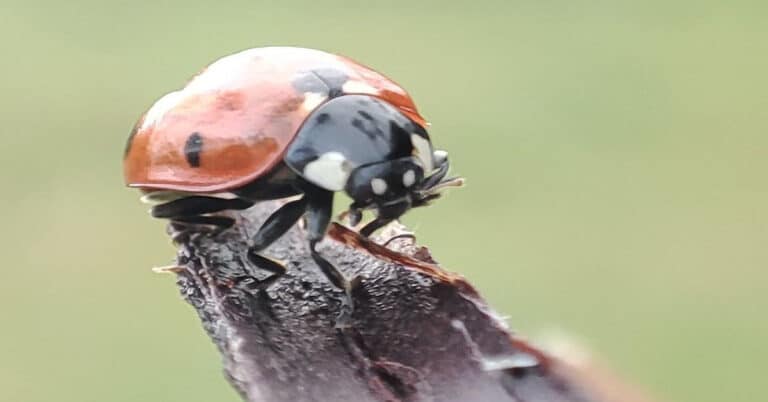
    Quick answer: Ladybugs usually live about one to two years in the wild, depending on the species, food supply, and climate. Some adults can survive the winter by hibernating in sheltered spots, which helps them live longer than many other insects. Ladybugs are the cutest-looking and most fascinating insects in the world. It is very…

  • Are Ladybugs Good Luck?

    Have you ever felt this magical moment when a cute little ladybug lands on you? While we consider other insects as harmful and avoid any interaction with them, we see ladybugs as harmless, beneficial insects that may bring good luck to us due to the widespread belief that ladybugs bring good fortune. Is it true?…

  • White Ladybug

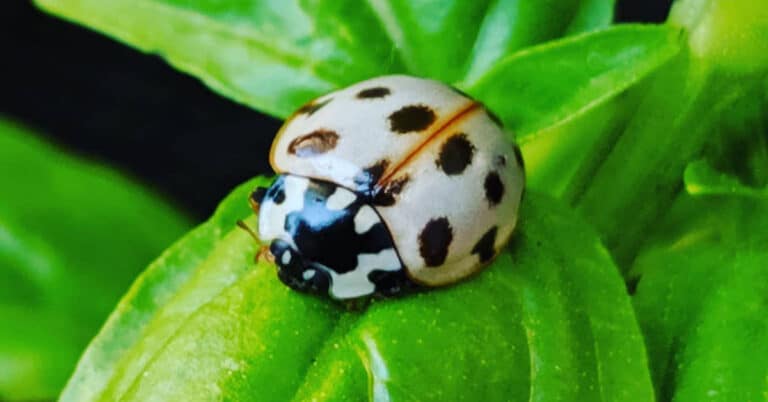
    Have you ever encountered a white ladybug? Generally, there are so many beautiful and cute little ladies around us; some have unusual colors, and some have their own unique beauty. It is commonly known that everyone loves and respects ladybugs because of their characteristics and the benefits they have for our gardens.  Keep reading the…

  • Green Ladybug

    Is there such a thing as a green ladybug? The short answer is no: scientists know of no ladybug species that is green as an adult. If you spot a small green beetle with black spots in your garden, it is almost certainly a different insect, most often a spotted cucumber beetle. About Ladybugs Ladybugs,…

  • Blue Ladybug

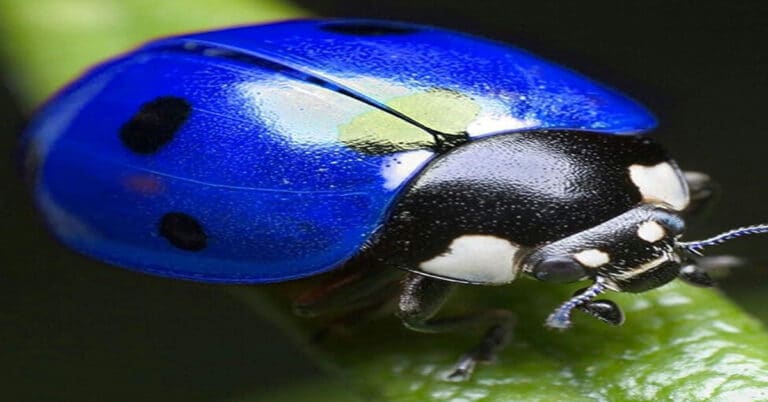
    There are different species of ladybugs, and each of them is marvelous and fascinating in its own way. One striking species of ladybug is Halmus chalybeus, widely known as the Steelblue Ladybird. It is a part of the Coccinellidae family and is common in specific regions like New Zealand and Australia.  Blue ladybug Quick Facts…

  • Ladybug Larvae

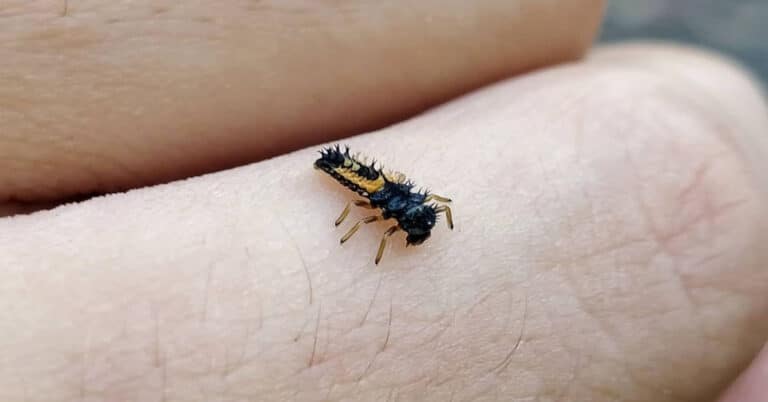
    Who doesn’t love cute little insects with beautiful and colorful appearances? Their most common name is ladybugs. However, let’s be clear: They aren’t bugs but beetles. These beautiful creatures are known to be harmless and very beneficial. That’s why everyone welcomes them in their garden. While looking at their colorful shells and counting their dots,…

  • Do Ladybugs Bite?

    Quick answer: Ladybugs can bite, but it is rare and they are harmless to people. A ladybug bite may feel like a slight pinch and does not cause serious harm, though some Asian lady beetles bite more often and can cause mild irritation. What we know about ladybugs is that they are harmless, beautiful creatures…

  • Who Is Eating My Plants?

    Garden Eaters: Aphids Aphids are sucking insects in the order Homoptera; aphids are small, soft-bodied, pearl-shaped insects that have a pair of cornicles projecting out from abdomen. Aphids are various colors including black, green, red, yellow, pink, white, brown, grayish, or lavender. Complex life cycle: Over wintering eggs hatch in the spring into wingless females. These…

  • |

    Milkweed Tortoise Beetle

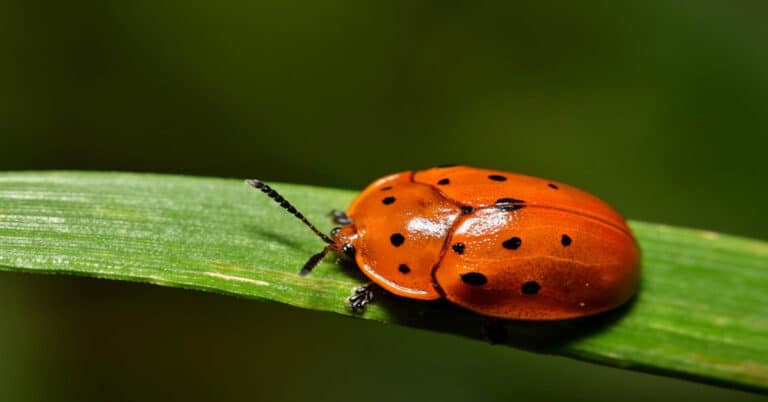
    The milkweed tortoise beetle, also called the argus tortoise beetle, is a round, shell-shaped leaf beetle found across much of North America. Its scientific name is Chelymorpha cassidea. Like other tortoise beetles, it hides under a wide, flat shield, a bit like a tiny turtle. Milkweed tortoise beetle Quick Facts Common name Milkweed tortoise beetle…