Spiders

Every spider has eight legs and can make silk, but not every spider spins a web. Some, like the jumping spider, hunt with sharp eyesight and a sudden leap, while tarantulas wait in burrows to ambush passing insects. Spiders are arachnids, not insects, and they help gardens and homes by eating huge numbers of flies, mosquitoes and other pests.

Here you will find species profiles from the common garden spider to the enormous Goliath tarantula, along with guides to the spider life cycle, mating and lifespan. Thinking of a pet? Start with keeping tarantulas as pets and our advice on tarantula care.

  • How Do Spiders Mate?

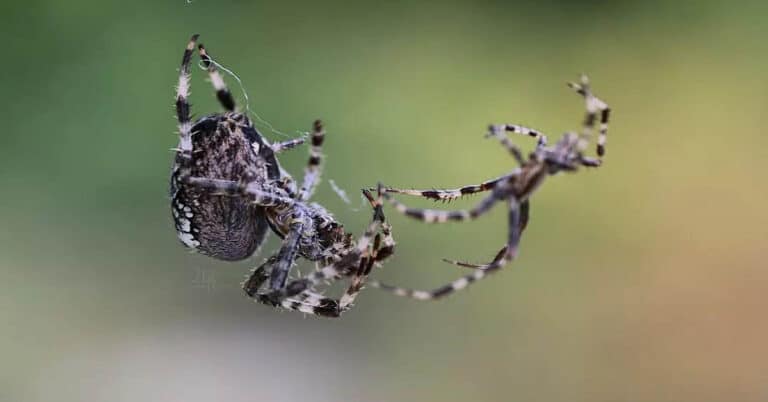
    Quick answer: Spiders mate when a male finds a female, often using courtship signals such as vibrations or dances, and transfers sperm with special organs on his pedipalps. Males of some species risk being eaten by the female after mating. Spiders are one of the most interesting creatures on Earth. There are more than 50,000…
  • How Long Do Spiders Live?

    Quick answer: Most spiders live about one to two years, but lifespan varies a lot by species. Female tarantulas can live 20 years or more, and some trapdoor spiders have lived over 40 years, while males usually die sooner than females. Even though many people are afraid of spiders, they are very interesting creatures and…

  • Zombie Spiders: Mysterious Facts & Characteristics

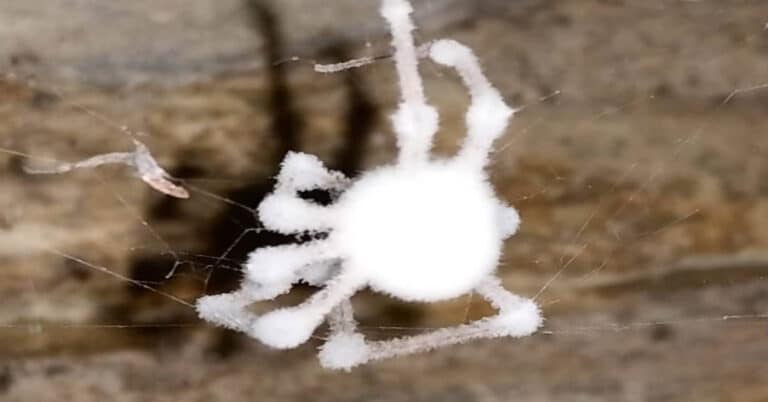
    Many people agree that in real life, zombies do not exist. However, these zombie spiders prove this wrong. It turns out that in the Insects, zombies are real. Let’s take the ants, for example. The fungus uses ants’ bodies and minds to support the reproduction of their species. However, ants are not the only insects…

  • Spider Life Cycle

    All spiders share the same basic life cycle, from the smallest jumping spider to the biggest tarantula. The main stages of the spider life cycle include – egg, spiderling, and adult stages. Even though each of these three phases of their development is specific, they still differ from species to species. Teachers and students: you’re…

  • Baboon Tarantula

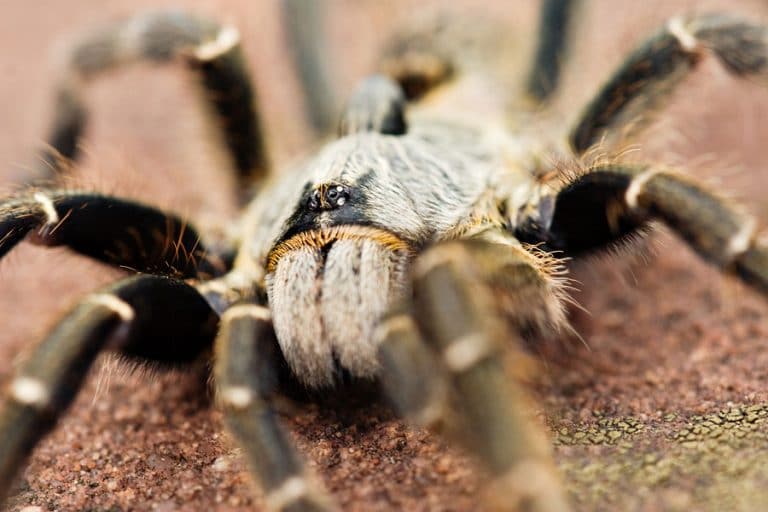
    Baboon tarantula Quick Facts Common name Baboon tarantula Type Arachnid (tarantula) Diet Insects and spiders; sometimes lizards, mice, birds Habitat Burrows in grassland, scrub and savannah Native range Africa Size Body 13-90 mm long Colours Brown, yellow, gray or black, and hairy Special feature No urticating hairs, but a painful bite Among the Biggest and…

  • Bird Eating Tarantula

    Goliath bird-eating tarantula Quick Facts Common name Goliath bird-eating tarantula Scientific name Theraphosa blondi Kingdom Animalia Phylum Arthropoda Class Arachnida Order Araneae Family Theraphosidae Genus Theraphosa Type Arachnid (tarantula) Diet Beetles, small snakes, lizards, frogs, bats and young birds Habitat Deep hideaways in rainforest Native range Northern South America, including Guyana and Suriname Size Leg…

  • Tarantula Care

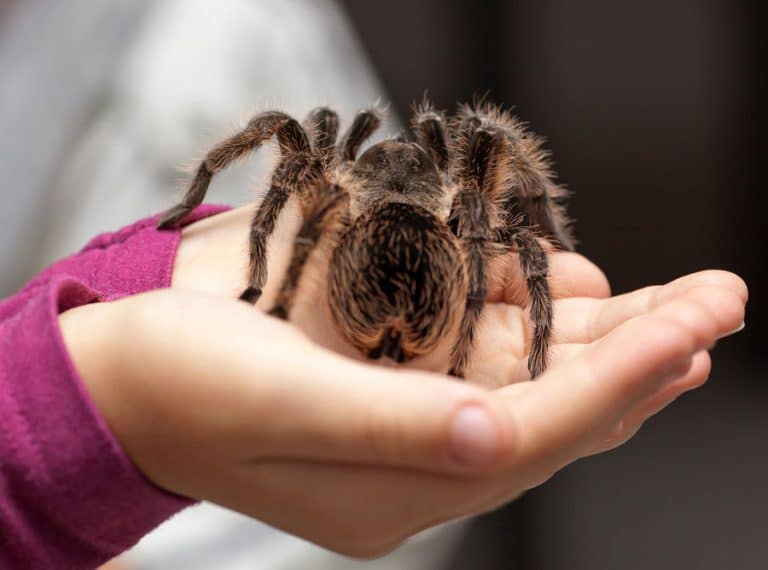
    Easy to Maintain, Friendly Character and Available Easily Tarantulas are, without a doubt, the most popular pets of people living in the US. The reasons for their popularity are not difficult to guess. For one, they are easy to maintain, have friendly characters, and are available easily. It is normal for many to have pets…

  • Keeping a Spider as a Pet

    Many Consider Keeping Tarantulas an Absorbing Hobby Spiders are arthropods with eight legs and breathe air. They grab their victims using their fangs and poison their prey. You can find them all over the world except in Antarctica and can survive anywhere. Many consider keeping a spider as a pet, a very challenging hobby. Tarantulas…

  • Mexican Tarantula

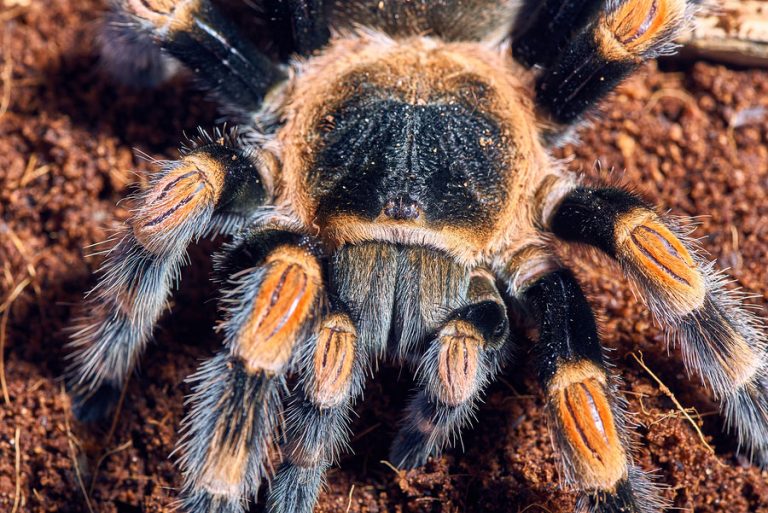
    Mexican red-kneed tarantula Quick Facts Common name Mexican red-kneed tarantula Scientific name Brachypelma smithi Kingdom Animalia Phylum Arthropoda Class Arachnida Order Araneae Family Theraphosidae Genus Brachypelma Conservation status Near Threatened Type Arachnid (tarantula) Diet Insects, spiders, frogs, mice and small birds Habitat Burrows in deserts and rocky rainforest Native range Mountain ranges of western Mexico…

  • Rose Hair Tarantula

    Chilean rose tarantula Quick Facts Common name Chilean rose tarantula Scientific name Grammostola rosea Kingdom Animalia Phylum Arthropoda Class Arachnida Order Araneae Family Theraphosidae Genus Grammostola Type Arachnid (tarantula) Diet Beetles, crickets, cockroaches, moths, grasshoppers Habitat Desert and scrub, in burrows Native range Northern Chile, Argentina and Bolivia Lifespan Females 15-20 years, maybe more Special…

  • Goliath Tarantula

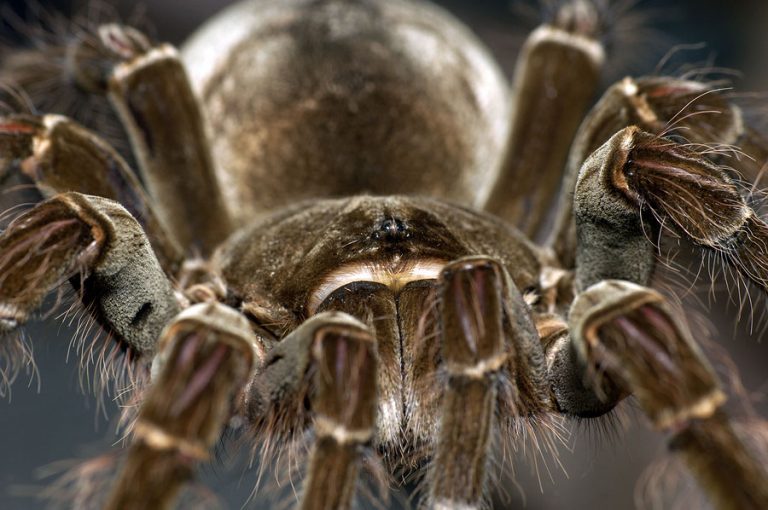
    Goliath bird-eating tarantula Quick Facts Common name Goliath bird-eating tarantula Scientific name Theraphosa blondi Kingdom Animalia Phylum Arthropoda Class Arachnida Order Araneae Family Theraphosidae Genus Theraphosa Type Arachnid (tarantula) Habitat Deep burrows in damp, marshy areas Native range Northern South America Size Leg span about 12 inches Lifespan Females 15-25 years, males 3-6 years Colours…

  • Jumping Spider

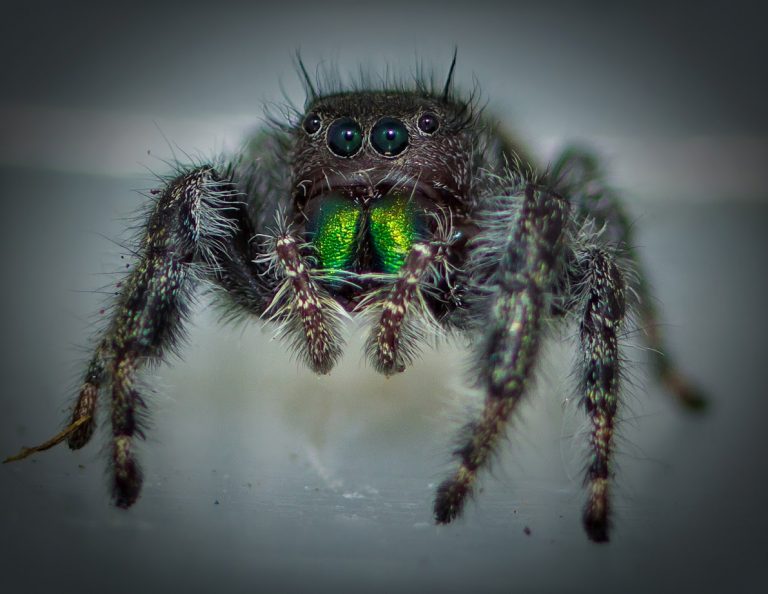
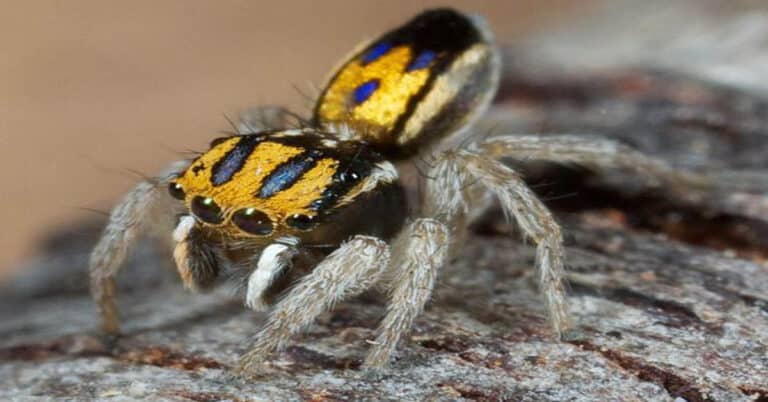
    Jumping spiders are small, fuzzy, big-eyed spiders that hunt by leaping onto their prey. They belong to the family Salticidae, the largest spider family in the world, with more than 6,000 known species living almost everywhere except the coldest places. Jumping spider Quick Facts Common name Jumping spider Scientific name Salticidae Kingdom Animalia Phylum Arthropoda…