Amphibians

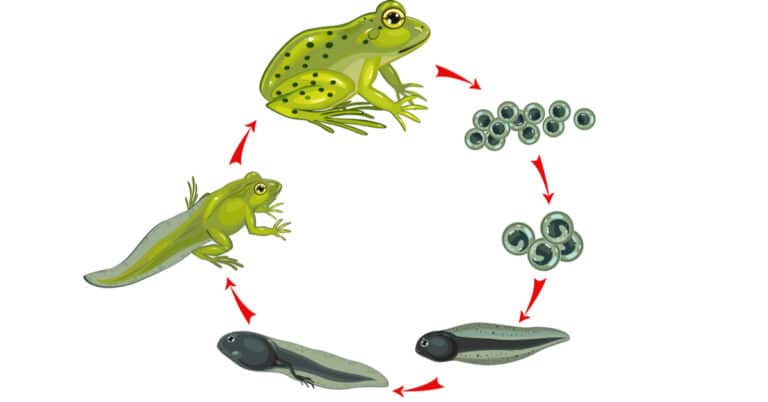
Amphibians live a double life, which is exactly what their name means. Most frogs, toads, newts and salamanders begin as aquatic larvae that breathe with gills, then transform into air-breathing adults that can move onto land. This change, called metamorphosis, is one of the most dramatic in the animal world. Amphibians also have thin, moist skin that can absorb water and even oxygen, so most species need damp places to live and lay their eggs, usually in or near fresh water.

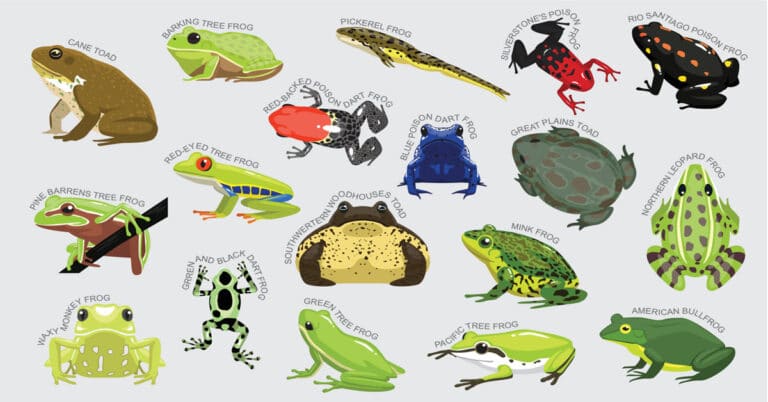
Because that sensitive skin takes in whatever is around it, amphibians are often seen as indicators of a healthy environment, and scientists keep a close eye on their numbers. This section covers the most familiar members of the group. Explore the colors, calls and habits of frogs, follow the wriggling early stages of life in our guides to tadpoles, and learn how the dry, bumpy-skinned toad differs from its smoother frog cousins. It is a great starting point for pond studies, school projects and backyard nature watching.