Amphibians

Amphibians live a double life, which is exactly what their name means. Most frogs, toads, newts and salamanders begin as aquatic larvae that breathe with gills, then transform into air-breathing adults that can move onto land. This change, called metamorphosis, is one of the most dramatic in the animal world. Amphibians also have thin, moist skin that can absorb water and even oxygen, so most species need damp places to live and lay their eggs, usually in or near fresh water.

Because that sensitive skin takes in whatever is around it, amphibians are often seen as indicators of a healthy environment, and scientists keep a close eye on their numbers. This section covers the most familiar members of the group. Explore the colors, calls and habits of frogs, follow the wriggling early stages of life in our guides to tadpoles, and learn how the dry, bumpy-skinned toad differs from its smoother frog cousins. It is a great starting point for pond studies, school projects and backyard nature watching.

  • American Bullfrog

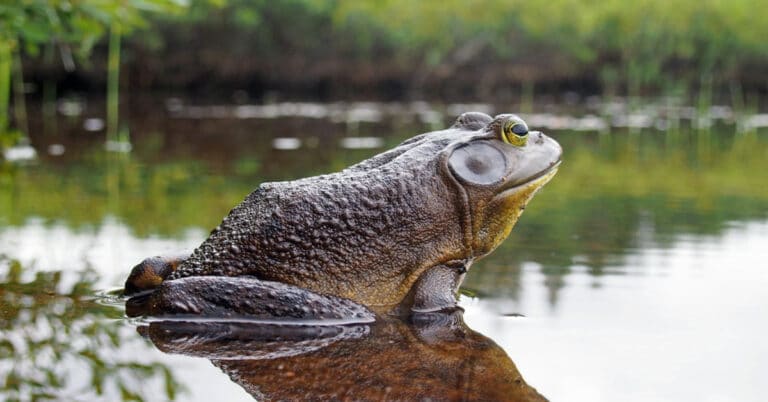
    The American bullfrog (Lithobates catesbeianus) is the largest frog in North America. It gets its name from the male’s deep, booming call, which sounds a bit like a bellowing bull. Bullfrogs are native to eastern North America, but people have spread them to many other parts of the world. Scientific Classification & Quick Facts Common…

  • Green Tree Frogs

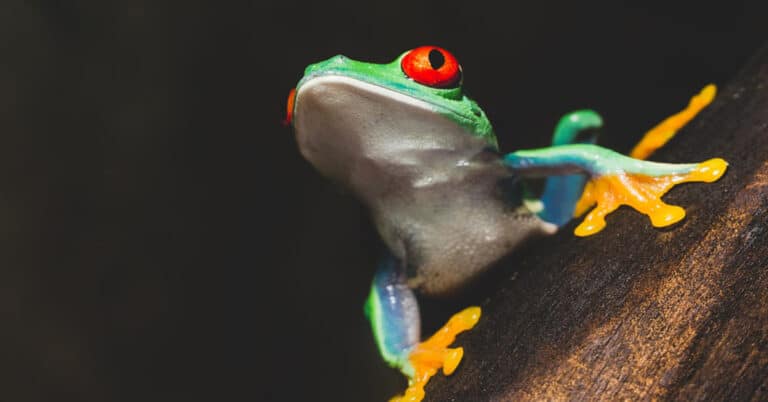
    The green tree frog is a slender and nocturnal frog that lives in trees and bushes and lays eggs in ponds. Usually, they come in different sizes and abilities, depending on their geographical location. Tree frogs have a diverse family that includes over 800 species of frogs. Unlike what the name suggests, not every tree…

  • Dwarf Frogs

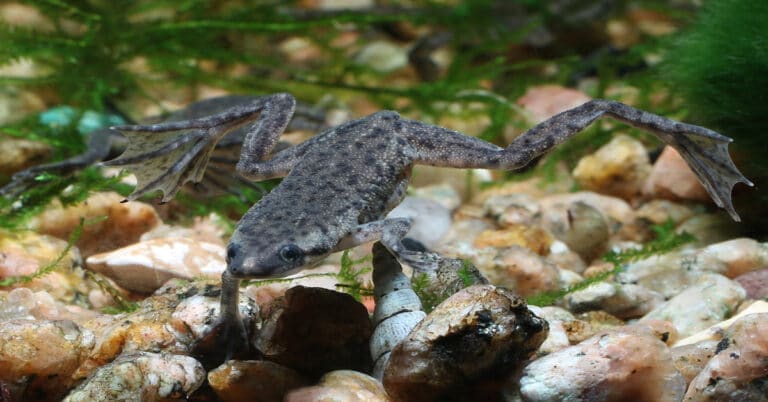
    Dwarf frogs are native to central Africa and live their entire life underwater. These amphibian frogs are fully aquatic, and they can be kept with carefully chosen, peaceful tank mates. It’s no wonder they are a popular choice as aquarium pets. Dwarf frogs come in a range of colors, but two of the common ones…

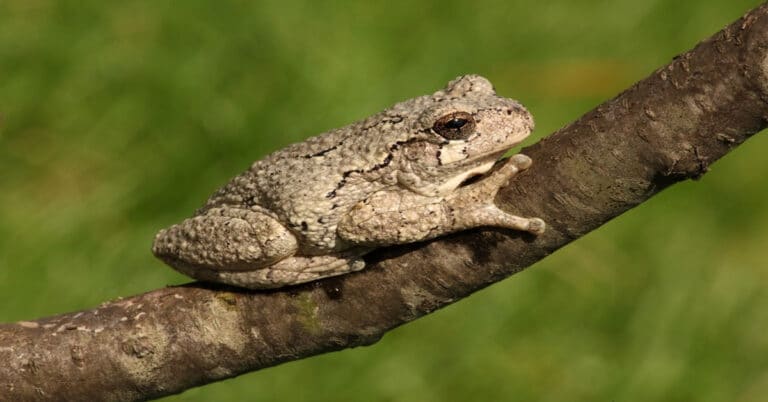
  • Gray Tree Frogs

    A gray tree frog is one of the largest species of frogs in the Eastern U.S.A and South Eastern Canada. Unlike the name suggests this frog specie has numerous interesting colors. Gray tree frogs can change their color according to their surroundings and temperature. These frogs mostly spend their time on tree branches, with their…

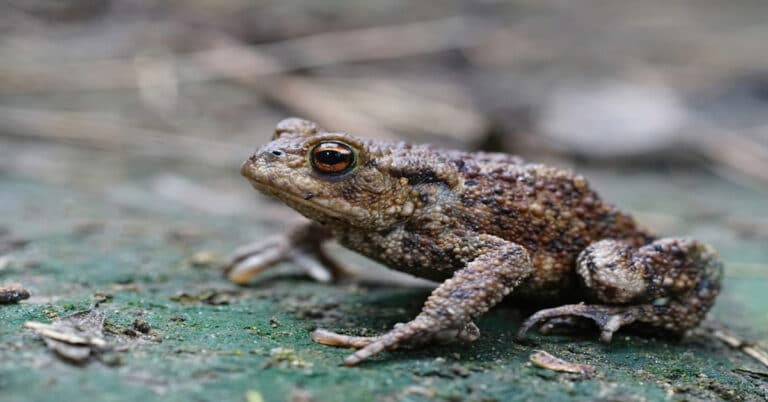
  • Common Toads

    A toads, a toad, don’t you know? Well what is a common toad? A toad? Let’s learn more about common toads. Common toad Quick Facts Common name Common toad Scientific name Bufo bufo Kingdom Animalia Phylum Chordata Class Amphibia Order Anura Family Bufonidae Genus Bufo Conservation status Least Concern Type Amphibian Diet Insects, slugs, spiders,…

  • Golden Tree Frog

    Golden tree frog Quick Facts Common name Golden tree frog Type Amphibian Diet Crickets, worms and other small live bugs Habitat Treetops; arboreal Size About 1.5–4 inches Lifespan Around 6 years Colours Brown to bright yellow, sometimes black spots Special feature Changes colour with temperature Care Sheet Size: About 1.5 to 4 inches Expected Life…

  • Tomato Frog

    Tomato frog Quick Facts Common name Tomato frog Scientific name Dyscophus antongilii Kingdom Animalia Phylum Chordata Class Amphibia Order Anura Family Microhylidae Genus Dyscophus Conservation status Least Concern Type Amphibian Diet Crickets, worms and other small bugs; sometimes small fish Habitat Lives on the ground; burrows and waits for prey Size About 2–4 inches Lifespan…

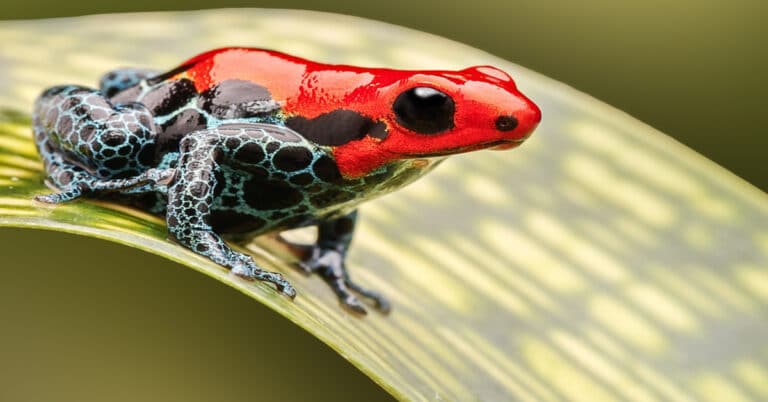
  • Poison Dart Frog

    Poison dart frogs, formerly known as the poison arrow frog, are among one of the most beautiful frog species. Don’t let their beauty fool you, they can be deadly! Let’s take a trip to the rainforest to find out more. Poison dart frog Quick Facts Common name Poison dart frog Scientific name Dendrobatidae Kingdom Animalia…