Bat Life Cycle: Stages from Newborn Pup to Adult (With Diagram)
Follow the bat life cycle from a newborn pup nursing in a maternity colony to a juvenile learning to fly and a long-lived adult.

Bats are the only mammals capable of true powered flight, and their wings are really stretched skin supported by long finger bones. Many species find their way in the dark using echolocation, sending out high-pitched calls and listening for the echoes. Insect-eating bats consume huge numbers of moths, beetles and mosquitoes, while fruit bats help pollinate flowers and scatter seeds.
Start with all about bats or see how bat echolocation works. Profiles cover North American species such as the little brown bat and Brazilian free-tailed bat, along with fruit bats. You will also find answers about bat diets, ideas for helping bat populations, and free clip art for school projects.

Follow the bat life cycle from a newborn pup nursing in a maternity colony to a juvenile learning to fly and a long-lived adult.
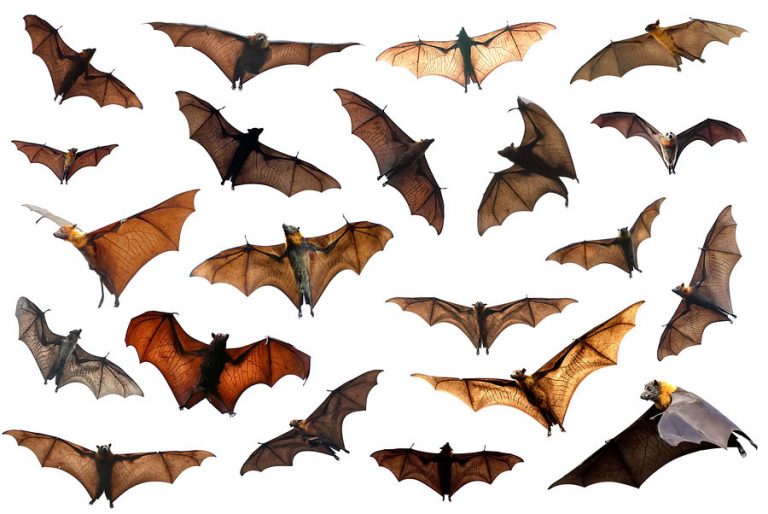
Often mistaken for birds and as with most mysterious creatures, associated with a lot of misconceptions, superstition and of course, evil, bats are ordinary mammals made extraordinary by being the only mammal capable of true flight. Bat Quick Facts Common name Bat Scientific name Chiroptera Kingdom Animalia Phylum Chordata Class Mammalia Type Mammal (the only…
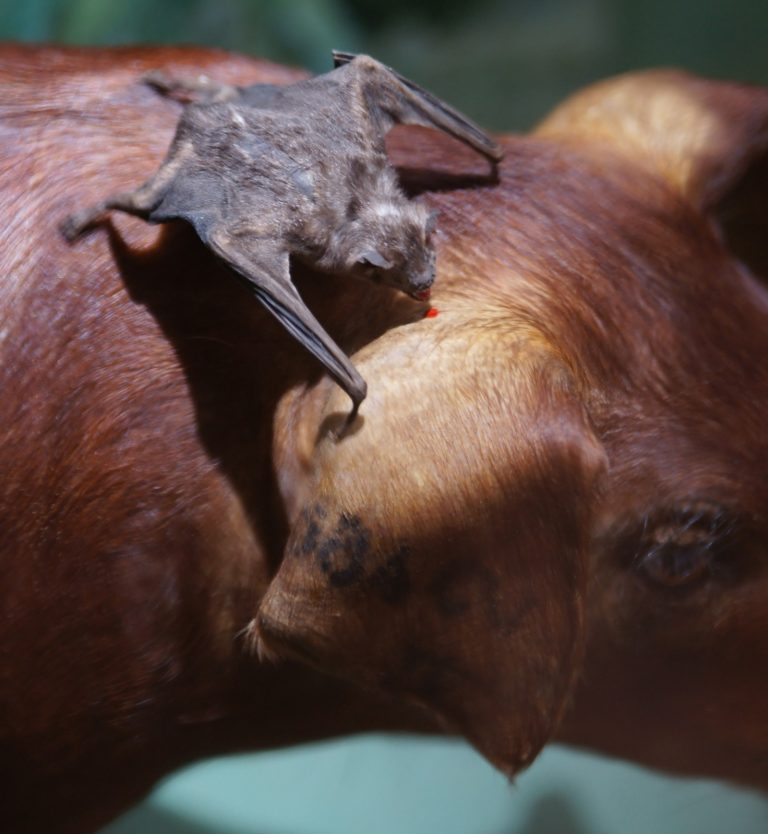
Vampire bats are one of the main reasons why people are not only scared of bats but why bats have gotten a bad reputation over the years. One of the main things that you need to understand about vampire bats is that they do not usually attack humans. Vampire bats would much rather feed off…
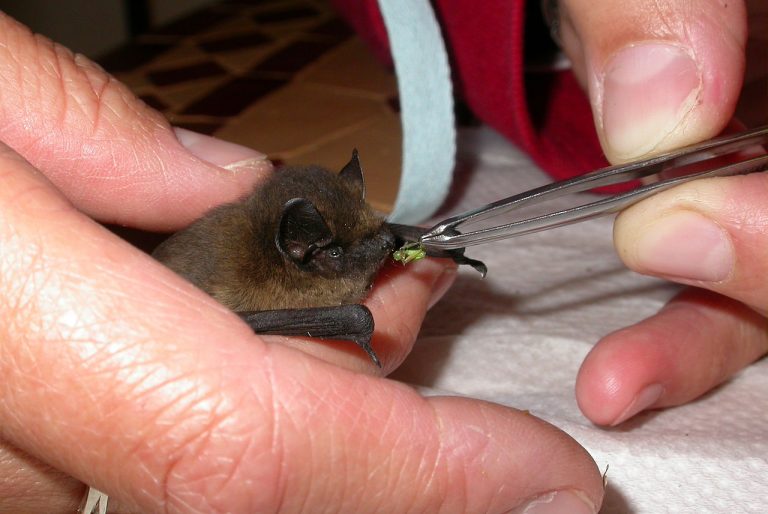
Quick answer: Bats eat different foods depending on the species. Most bats eat insects like moths, beetles and mosquitoes, while others eat fruit, nectar and pollen. A few species eat fish, frogs or small animals, and vampire bats drink blood. Bats have been portrayed in pop culture as dangerous, blood-sucking creatures since Bram Stoker’s Dracula…
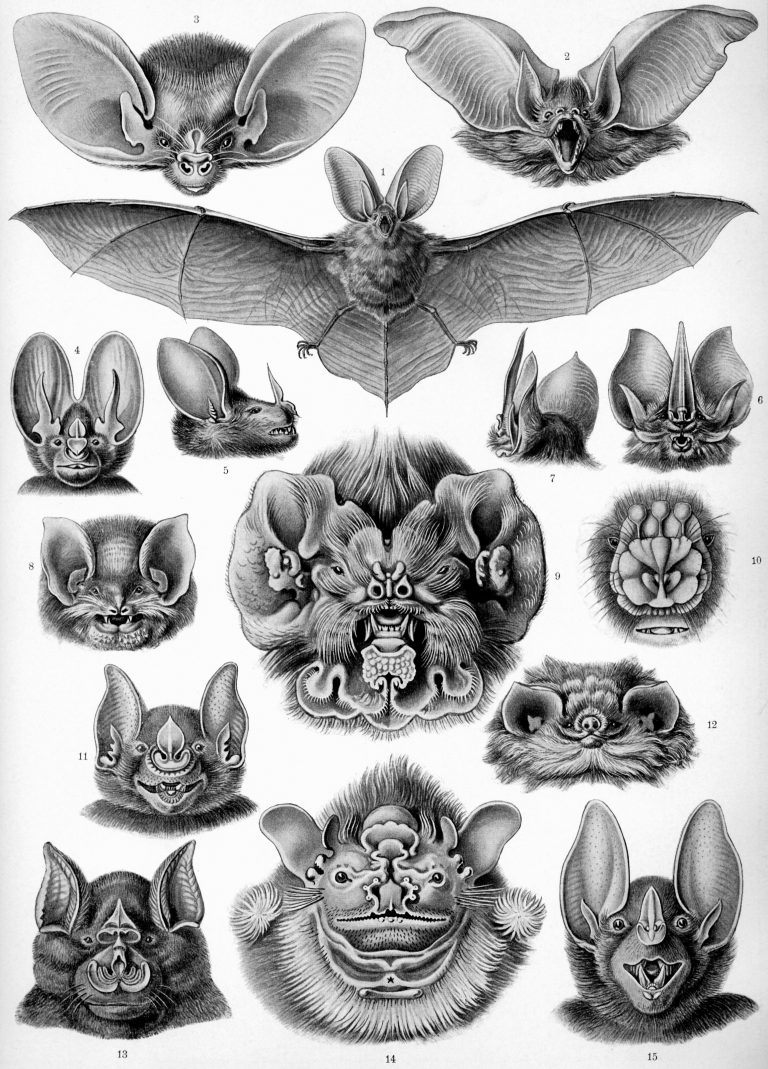
Bats are the only mammals that can truly fly. There are more than 1,400 kinds of bats, making them the second-largest group of mammals after rodents, and they range from tiny insect-eaters lighter than a coin to fruit bats with wings wider than a person’s arm span. All About Bats Bats belong to the order…
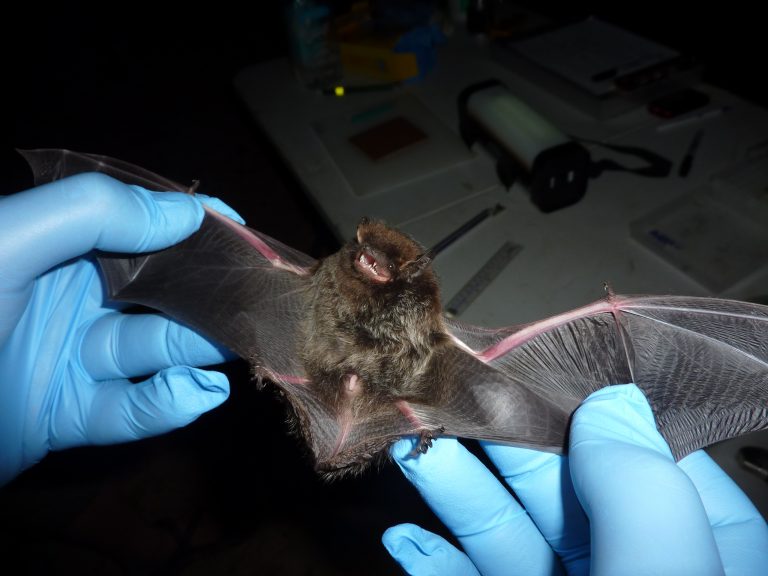
The Silver Haired Bat, otherwise known as Lasionycteris Noctivagans, is one of the most common bats in North America. It is most abundant in areas of Canada and the United States that have a lot of forests. It is medium in size and they typically weigh between nine and twelve grams. Most of these bats…
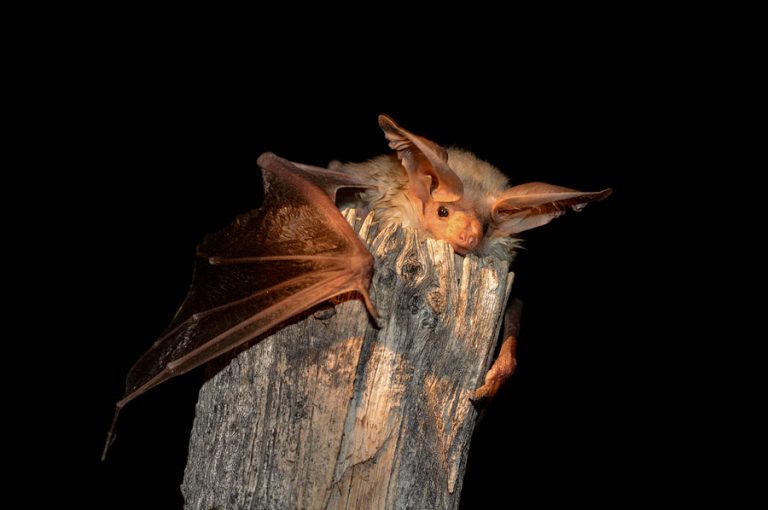
The Pallid Bat (Antrozous Pallidus) is a very large bat. As its name implies, it is pale in color, with yellow and brown tones. Even its ears are large, at two and a half centimeters. They are wide as well, not to mention naked, with nine to eleven lines crossing them in a transversal pattern….
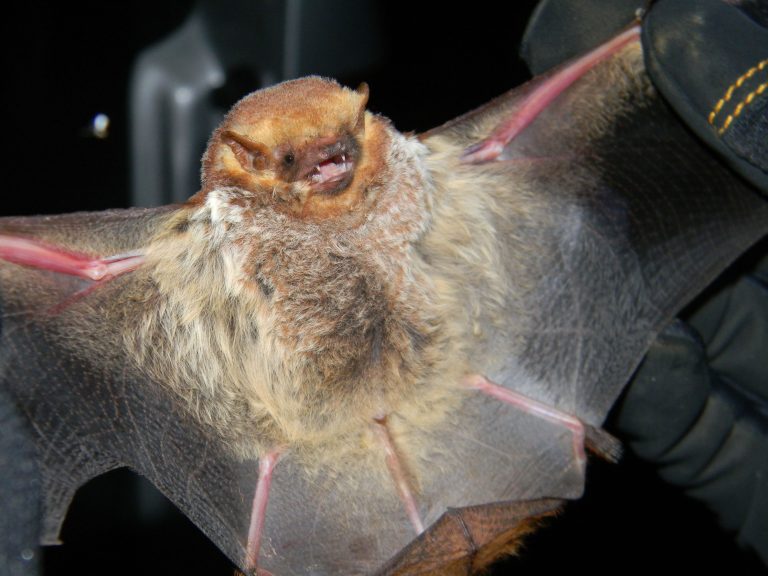
Lasiurus Seminolus, better known as the Seminole bat, is medium in size. It is dark in color, characterized by brown fur that is the color of deep, rich mahogany. However, its appearance is not dark, due to frosted tips that give these bats a distinctly red, almost maroon, color. That is what makes them different from…
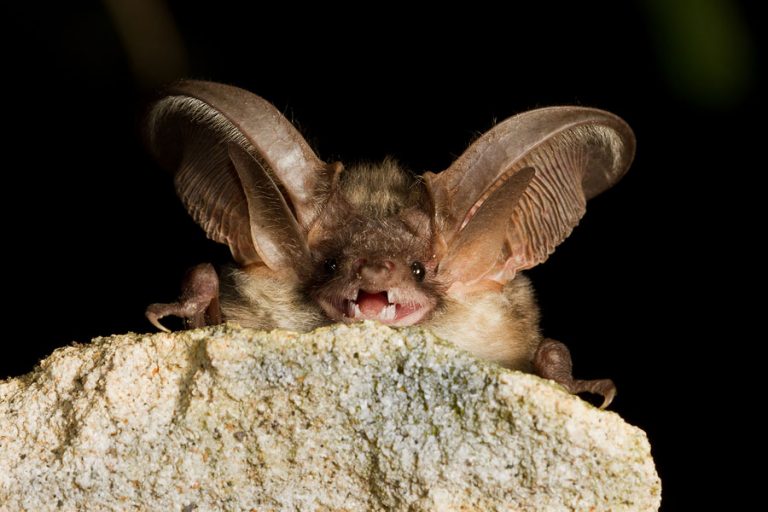
Myotis Septentrionalis, better known simply as the Northern Long-eared Bat is located in different parts of the eastern portion of the United States, as long as they are heavily forested. However, despite their wide distribution, they are also quite sparse. There are many forested regions of Canada where you can find the Northern Long-eared Bat…
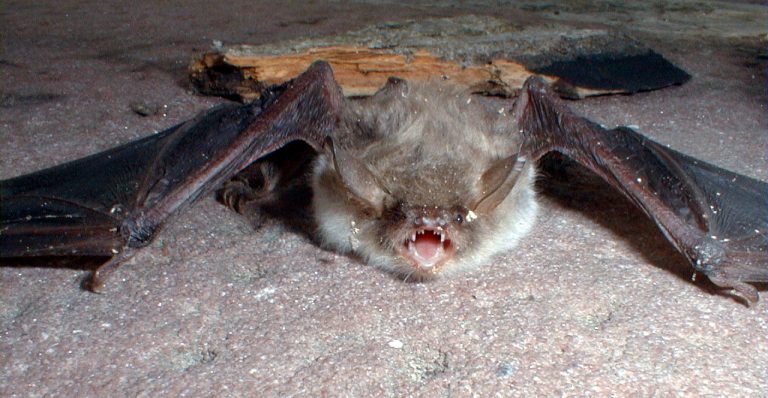
As their name implies, Long-legged bats, the Myotis Volans, are fairly long bats. Their tails are long, their ears are short, and they have big feet as well. Surprisingly, given that they are known specifically as long-legged bats, the length of their legs is not readily known. However, all of their other measurements have been…
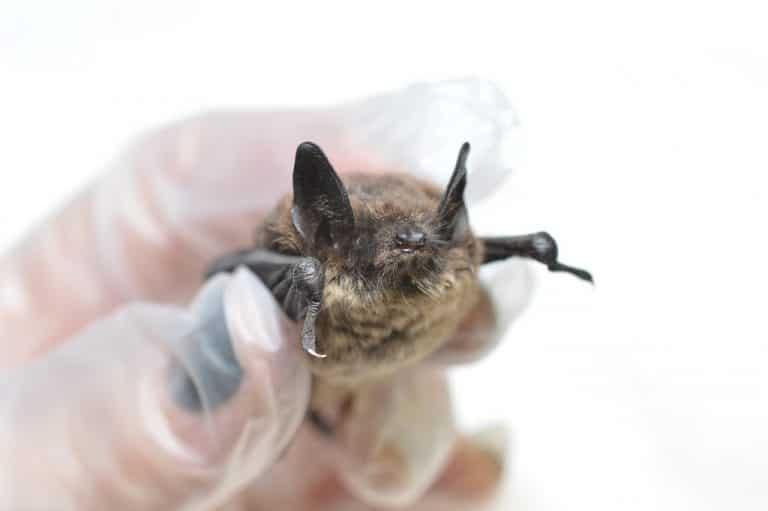
Have you heard about the Big Brown Bat? Well, now it is time to discuss the Little Brown Bat, which is also known, scientifically, as Myotis Lucifugus. Although these bats are qualified as being medium in size, they really are small compared to most of their brethren. They only measure four inches long on average and their…
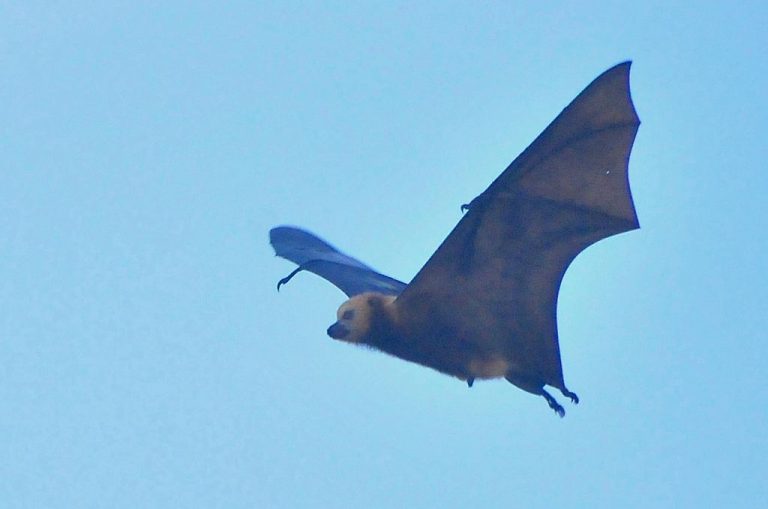
Of the 900 species of bats in the world, only 45 of them live in the United States, and most of these species are quite localized, such as the Indiana bats that only use nine caves in Indiana to hibernate in during the winter months. Of those 45 species of American bats, seven of them…