Bean Plant Life Cycle: Stages From Seed to Pod (With Diagram)
Follow a bean from a dry seed to a sprout, a leafy flowering plant and pods full of new beans, and try growing one in a jar.

Almost every food chain on land begins with a plant. By capturing sunlight and turning it into sugar through photosynthesis, plants feed animals, release the oxygen we breathe and hold soil in place with their roots. They have been doing this for hundreds of millions of years, and today they range from tiny mosses and ferns that spread by spores to towering conifers and flowering plants that rely on bees, birds and the wind to carry their pollen. Some have even found unusual ways to survive, from water-storing succulents in deserts to carnivorous plants that trap insects to make up for poor soil.
This section gathers guides to the plant world for curious kids, students, teachers and home gardeners. Browse seasonal blooms such as spring flowers, get to know familiar giants in our guide to trees, or explore garden crops, fruits and herbs. You will also find easy houseplant profiles, articles on how plants help slow climate change, and step-by-step explainers like the plant life cycle, showing how a single seed grows, flowers and makes seeds of its own.
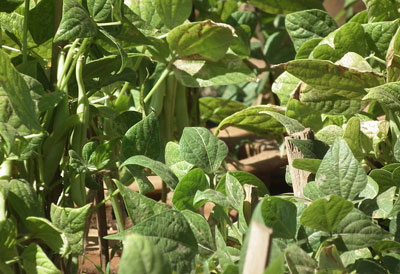
Follow a bean from a dry seed to a sprout, a leafy flowering plant and pods full of new beans, and try growing one in a jar.

Follow an apple tree from a tiny seed to a young tree, spring blossoms visited by bees and finally apples full of new seeds.

Follow a sunflower from a single seed to a giant flower head packed with new seeds in just one summer.

Follow a tree from a tiny seed to a sprout, sapling, seed-making adult and finally an old tree that feeds the soil for the next generation.

More and more people prefer to focus on healthy eating and fruity snacks are the best tool for overall health. The main reason why people all over the world adore fruity snacks is that they are nutrient-rich, packed with all the vitamins and minerals, and contain only natural sugar. This, in turn, means that a typical…

As a nature lover, I am a big advocate for keeping the area around me green and having my dog or cat with me to keep the spirits high. I am constantly suggesting to work colleagues, friends and family to get some plants around their working or living environment and although some people listen and…

Did you know that in some countries, flowers carry almost as much significance as their national flags and anthems? Even though most countries have their own unique national symbols, it seems like nature has its own way of expressing national values and identities. That’s why choosing a specific flower to represent a nation has become…

Cacti have a special place in the hearts of plant lovers. It’s true that some people consider it a bit of a boring plant, but one look at it during the blooming period is enough to change your mind and make you think that cacti have one of the most amazing flowers. What color, size,…

Have you heard the quote “Simplicity is genius”? When it comes to plants, we can consider Java Moss as the physical embodiment of this saying! Java moss Quick Facts Common name Java moss Scientific name Ectropothecium barbieri (formerly Taxiphyllum barbieri) Kingdom Plantae Phylum Bryophyta Class Bryopsida Order Hypnales Family Hypnaceae Genus Ectropothecium Type Freshwater aquarium…

Plants help to mitigate climate change and adapt to its effects. They remove carbon dioxide from the atmosphere and release oxygen as a by-product. This happens through the process of photosynthesis. Plants store the carbon in their roots, stems, and branches. When they decompose it becomes part of the soil. The role of plants in…

There are large spaces within our ecosystem occupied by plants. This is a beautiful thing because these plants contribute significantly to the sustenance of life. Nonetheless, expecting to see the other side of something is rational. While some plants are great for consumption, others are lethal to animals and humans. Identifying poisonous plants is vital….

Angiosperms, or flowering plants, make up the vast majority of plant species on Earth. They are incredibly diverse, ranging from tiny, delicate wildflowers to towering trees that dominate entire ecosystems. But have you ever wondered about the fascinating life cycle of these ubiquitous plants? Teachers and students: you’re welcome to use this diagram in lessons…