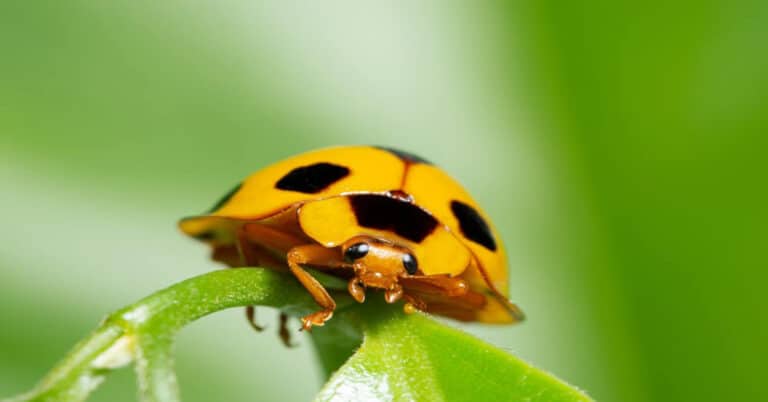
Green Ladybug

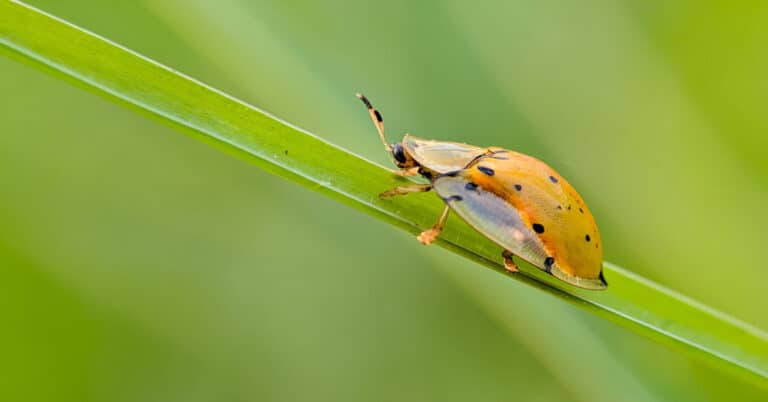
Is there such a thing as a green ladybug? The short answer is no: scientists know of no ladybug species that is green as an adult. If you spot a small green beetle with black spots in your garden, it is almost certainly a different insect, most often a spotted cucumber beetle.

About Ladybugs
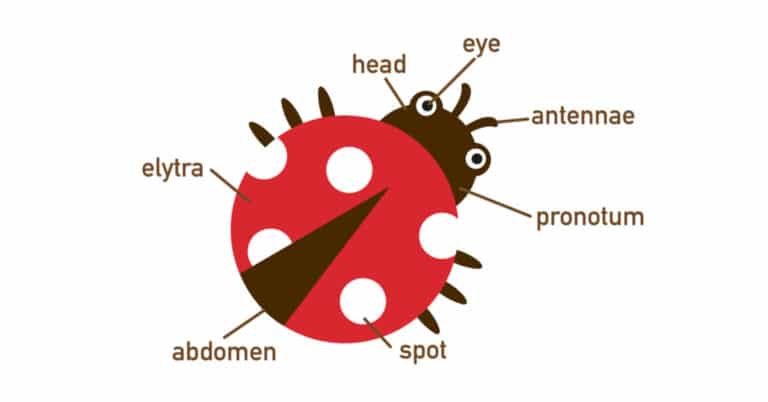
Ladybugs, also called ladybirds or lady beetles, are small, round beetles in the family Coccinellidae. According to National Geographic, there are about 5,000 species around the world. Many of them are loved by gardeners because they eat pests like aphids.
Can Ladybugs Be Green?
Among all the known members of the ladybug family, none are green as adults. So far, no green ladybug has been officially recorded. Of course, new insect species are discovered every year, so nobody can promise one will never turn up, but for now it remains a myth.
When people report a “green ladybug,” it usually turns out to be the spotted cucumber beetle, a common garden pest that is often found on cucumber plants and their relatives.
What Colors Do Ladybugs Come In?
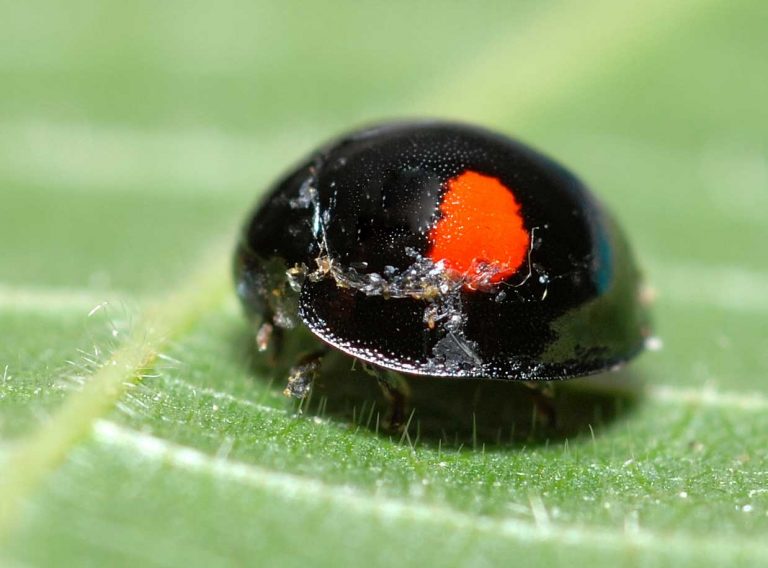
Ladybugs come in red, orange, yellow, pink, brown, gray and black. Many have black spots, but some have stripes, some have red or yellow spots on a black body, and some have no spots at all. The number of spots depends on the species, not on the ladybug’s age.
Their bright colors are a warning to predators. When a ladybug is attacked, it can squeeze out drops of bad-tasting yellow fluid from its leg joints. Birds that try to eat one quickly learn that brightly colored ladybugs taste awful.
A Ladybug Can Look Pale for a Short Time
There is one moment when a ladybug can look pale or almost greenish-yellow. When an adult first comes out of its pupa, its body is soft and pale, and its spots have not appeared yet. Over the next few hours, its shell hardens and its true colors and spots slowly develop.
If you see a pale, spotless ladybug sitting next to an empty pupa case, you have caught it at this special stage. It does not stay that color for long.
Insects Mistaken for Green Ladybugs
Spotted Cucumber Beetle
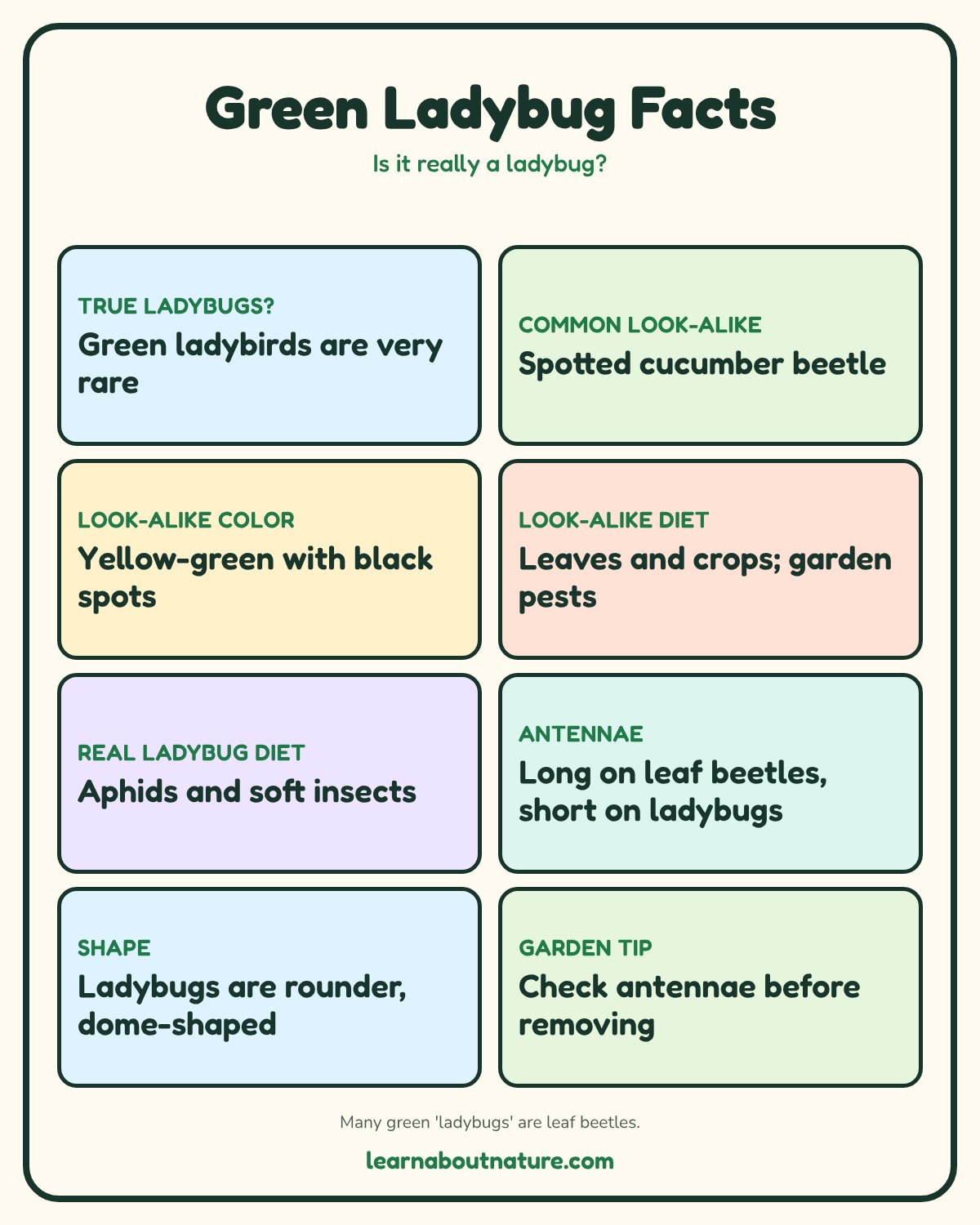
The spotted cucumber beetle is the insect most often called a “green ladybug.” It is yellow-green with 12 black spots, six on each wing cover, and is about the same size as a ladybug. But it belongs to a different family, the leaf beetles (Chrysomelidae).
You can tell them apart by looking closely. Cucumber beetles have longer, thinner antennae, and their bodies are more oval and less dome-shaped than a ladybug’s.
Unlike ladybugs, cucumber beetles are not garden helpers. The adults chew the leaves and flowers of cucumbers, squash, melons, pumpkins and other plants, and they can spread plant diseases. Their larvae feed on roots.
Green June Beetle
The green June beetle is a much larger insect from the scarab beetle family (Scarabaeidae). It is about 2 cm (almost an inch) long, with a velvety green back and shiny metallic green and gold underneath. It is common in the eastern United States in summer.
Green Shield Bug
The green shield bug is common in Britain, especially in southern England. It is about 12 to 14 mm long and shaped like a shield. It is not a beetle at all but a “true bug,” which feeds by sucking plant juices. Its color changes as it grows, and adults turn bronze-brown in autumn before they hibernate.
Green Stink Bug
The green stink bug (Chinavia hilaris) is a bright green, shield-shaped bug about 13 to 18 mm long, found across much of North America. As its name suggests, it gives off a strong, unpleasant smell when disturbed. It feeds on fruits, seeds and vegetables.
Fake Pictures of Green Ladybugs
You can find lots of colorful photos of ladybugs online, including some that seem to show green ones. Many of these have been edited with photo software or are pictures of other beetles. Not every photo on the internet is real, so it is always worth checking where a picture came from.
Green Ladybugs in Folklore
Ladybugs have long been seen as symbols of good luck in many cultures. Some old sayings claim that a ladybug landing on you means good fortune is coming, or that the number of spots shows how many months until a wish comes true.
Some people who believe in animal symbolism link the idea of a green ladybug with nature, growth and plenty, and see it as a good sign for farmers and gardeners. These ideas are fun traditions and beliefs, not science, and since green ladybugs do not exist, any “sighting” is really another insect.
Are Ladybugs or Cucumber Beetles Harmful?
Ladybugs are not poisonous to touch and do not harm people. Some species, such as the Asian lady beetle, may give a tiny pinch, and their yellow defense fluid can stain and smell, which bothers some people with allergies. Their chemicals are mainly a problem for predators that try to eat them.
Spotted cucumber beetles are not dangerous to people either, but they can damage garden crops. Gardeners control them with row covers, sticky traps and by checking plants by hand. Some use diatomaceous earth, a powder that is safe for people when used carefully but can also harm helpful insects, so it should be used sparingly.
Ladybugs are some of the best friends a gardener can have. Both adults and larvae eat soft-bodied pests, and a single ladybug can eat around 50 aphids a day.
Bottom Line
Ladybugs come in many colors, but green is not one of them. The “green ladybug” in your garden is most likely a spotted cucumber beetle, a look-alike plant pest from a different beetle family. Next time you see one, check its antennae and body shape and you will be able to tell the difference.
Green Ladybug FAQs
Do green ladybugs exist?
No ladybug species is known to be green as an adult. Small green beetles with black spots are almost always spotted cucumber beetles, a garden pest from the leaf beetle family. A freshly emerged ladybug can look pale yellowish for a few hours before its true colors develop.
What is the green bug that looks like a ladybug?
It is usually the spotted cucumber beetle. It is yellow-green with 12 black spots and is about the same size as a ladybug, but it has longer antennae and a more oval, flatter body. Unlike ladybugs, it damages cucumbers, squash and melons and can spread plant diseases.
Are spotted cucumber beetles harmful?
They are harmless to people but harmful to many garden crops. The adults chew leaves and flowers of cucumbers, squash, melons and pumpkins, and they can spread bacterial wilt. Their larvae feed on plant roots. Row covers, sticky traps and handpicking are common ways to control them.
What colors can ladybugs be?
Ladybugs can be red, orange, yellow, pink, brown, gray or black. Some have black spots, others have red or yellow spots on black, stripes or no spots at all. The pattern depends on the species, not the insect’s age. Their bright colors warn predators that they taste bad.
Why do some ladybugs look pale?
A ladybug that has just emerged from its pupa is soft and pale, often yellowish, and its spots have not yet appeared. Over the next few hours its shell hardens and its colors and spots darken. If you see a pale ladybug beside an empty pupa case, it has only just become an adult.

Nato is a content writer and researcher with a background in psychology who’s eager to explore the wonders of nature. As a travel enthusiast and animal lover, she hopes to inspire others to discover and cherish the beauty and importance of the natural world.