Herbs

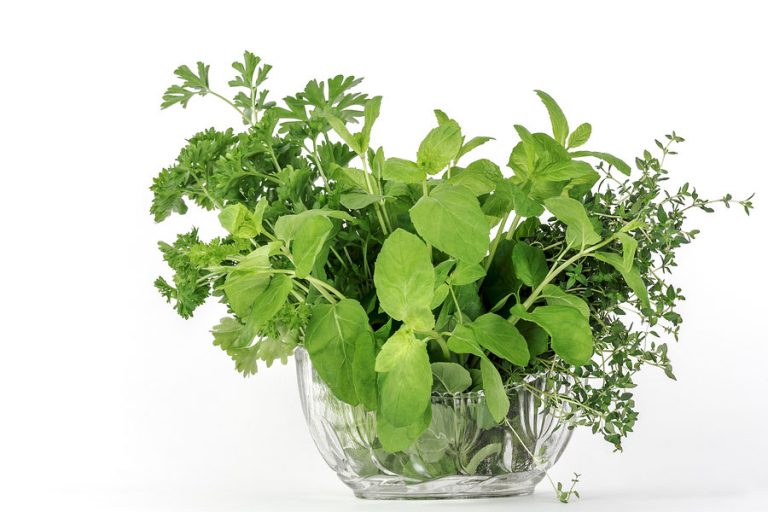
Long before modern kitchens and medicine cabinets, people relied on herbs for flavor, fragrance and folk remedies, and many of the same plants still grow in gardens today. Herbs are usually valued for their leaves, seeds, roots or bark, which contain aromatic oils that give them strong scents and tastes. Many are easy to grow on a sunny windowsill.

This collection profiles a wide range of plants, from cooking staples like basil and garlic to fast-spreading mint and catnip, the herb many cats find irresistible. Each guide explains where the plant comes from, how it grows and how people have traditionally used it.

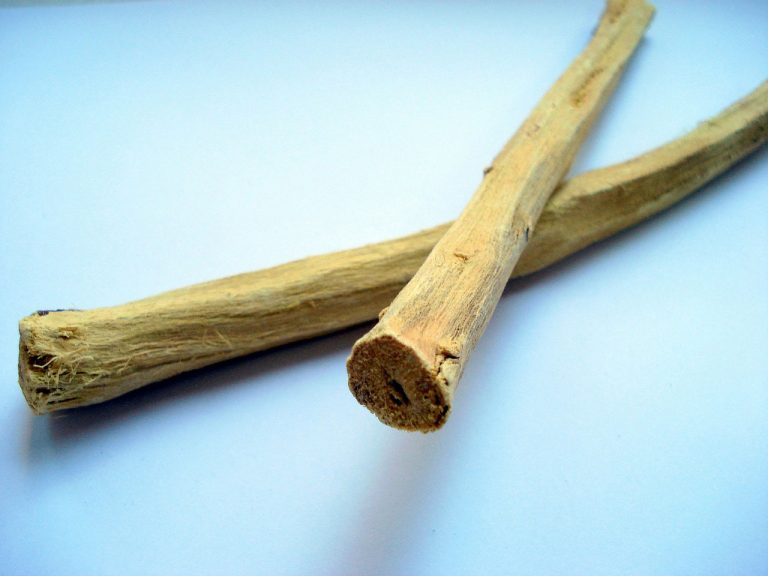
  • Licorice Root

    Scientific Classification & Quick Facts Common name Licorice Scientific name Glycyrrhiza glabra Kingdom Plantae Phylum Tracheophyta Class Magnoliopsida Order Fabales Family Fabaceae Genus Glycyrrhiza Conservation status Least Concern Type Herbaceous perennial Habitat Warm, sunny places; moist, well-watered soil Native range India, parts of Asia and Europe Colours Purple to pale blue-white flowers Height Up to…

  • List of Herbs

    List of Herbs # 5Htp A Agnus Castus – VitexAgrimonyAlfalfaAniseedArgan OilArnica MontanaArtichokeAstragalus MenbranceusAvena Sativa B BasilBay LeafBilberryBlack CohoshBladderwrackBorageBurdockButterbur C CatnipCat’s ClawCayenneChamomileChia SeedsCilantroCinnamonCissus QuadrangularClovesCocoa BeansCorianderCranberryCumin D Daikon RadishDamianaDandelionDevil’s ClawDillDong Quaia Angelica E Echinacea PurpureaElderberryElderflowerEuphrasia EyebringhtEvening Primrose Oil F FennelFenugreekFeverfewFlaxseed OilFo-Ti Roots G GarlicGeraniumGinger RootGingko BilobaGinsengGoldensealGotu KolaGreen TeaGuarana H Hawthorn BerryHempHerbalistHollyHorse ChestnutHorse Tail I Irvingia Gabonesis J…

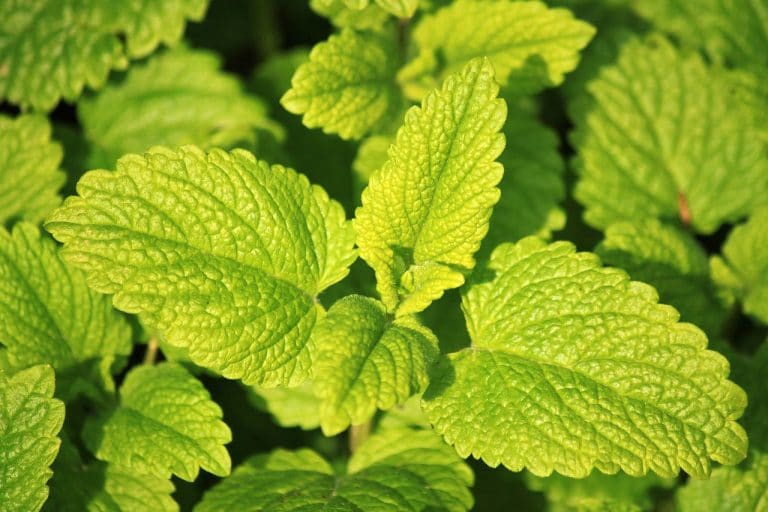
  • Lemon Balm

    Scientific Classification & Quick Facts Common name Lemon balm Scientific name Melissa officinalis Kingdom Plantae Phylum Tracheophyta Class Magnoliopsida Order Lamiales Family Lamiaceae Genus Melissa Type Perennial herb Habitat Well-drained soil, full sun to part shade Native range North Africa, southern and central Europe, Central Asia Colours Small white flowers Height 70–150 cm Edible parts…

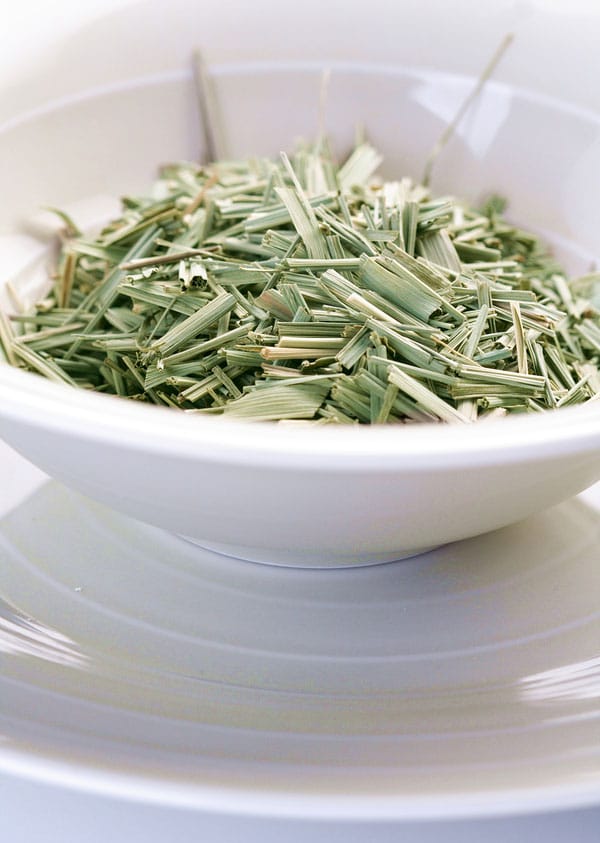
  • Lemon Myrtle

    Scientific Classification & Quick Facts Common name Lemon myrtle Scientific name Backhousia citriodora Kingdom Plantae Phylum Tracheophyta Class Magnoliopsida Order Myrtales Family Myrtaceae Genus Backhousia Type Evergreen tree or shrub Native range Queensland, Australia Colours Creamy white flowers Flowering season Summer to autumn Height Up to 66 ft Edible parts Leaves and flowers Special feature…

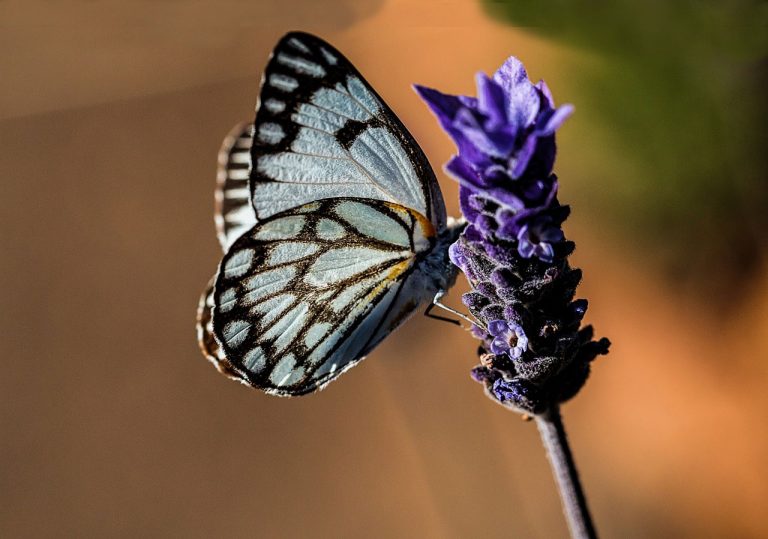
  • Lavender

    Scientific Classification & Quick Facts Common name Lavender Scientific name Lavandula Kingdom Plantae Phylum Tracheophyta Class Magnoliopsida Order Lamiales Family Lamiaceae Type Fragrant flowering plant Habitat Full sun; well-drained, slightly alkaline soil Native range Mediterranean and the Old World Edible parts Flowers, used in cooking and cake decoration Special feature Oil is used in perfumes…

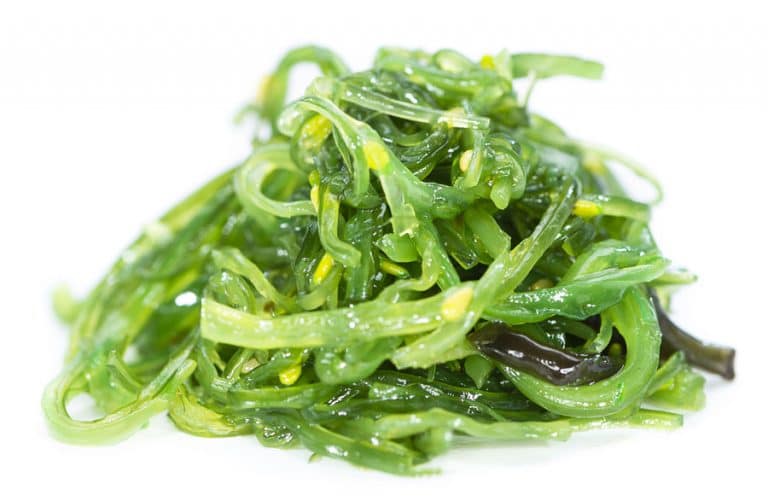
  • Kelp

    Scientific Classification & Quick Facts Common name Kelp Scientific name Laminariales Kingdom Chromista Phylum Ochrophyta Class Phaeophyceae Type Large brown seaweed (algae) Habitat Cold, clear, nutrient-rich shallow seawater Native range Cold coasts such as Alaska, Norway, Baja California Edible parts Blades; eaten in soups, salads and tea Special feature Grows 3–5 inches a day; forms…

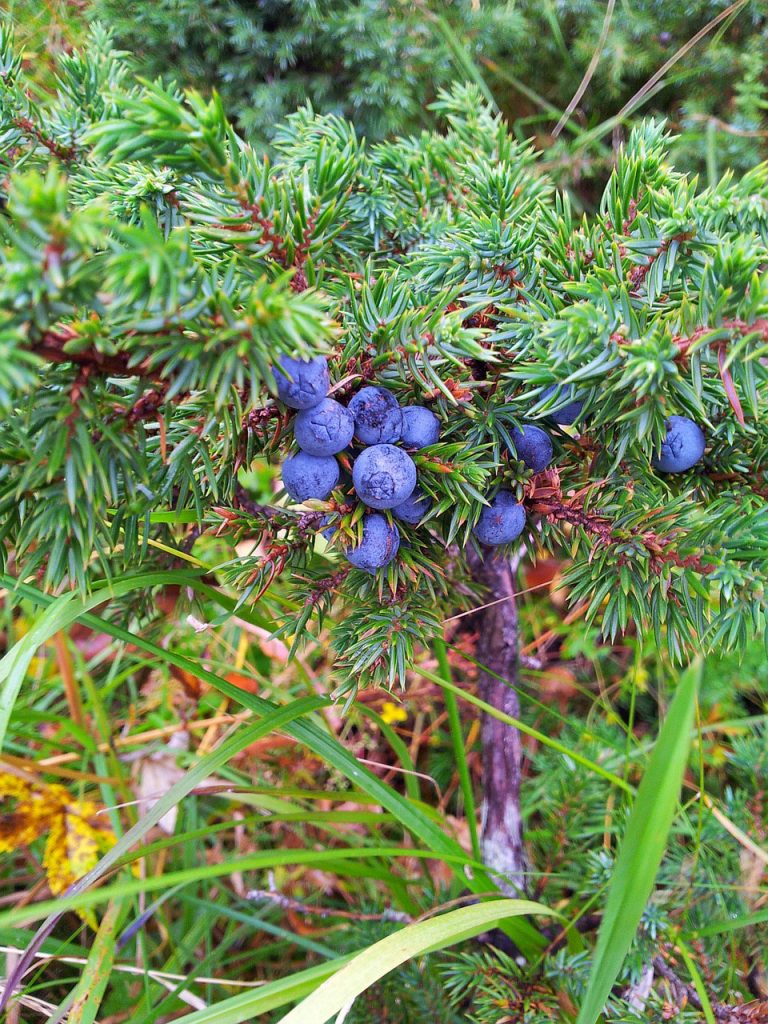
  • Juniper

    Scientific Classification & Quick Facts Common name Juniper Scientific name Juniperus Kingdom Plantae Phylum Tracheophyta Class Pinopsida Order Pinales Family Cupressaceae Type Evergreen conifer Habitat Sunny, well-drained, rocky ground Native range Northern Hemisphere, from the Arctic to the tropics Flowering season Late spring to early summer Edible parts Berries (cones), used as a spice Special…

  • Insect Repelling Plants

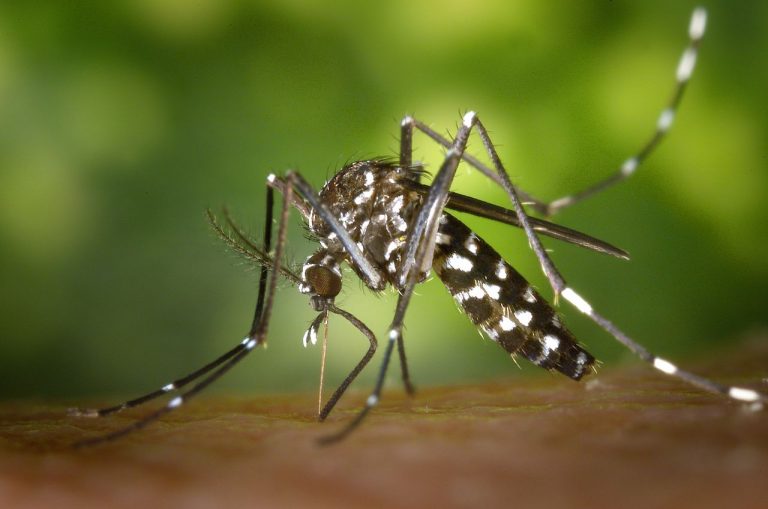
    There is a wide range of insects that we find on a daily basis in our environment. Some are harmful, whereas others are considered very beneficial for human beings. These insects turn into a nuisance when they invade houses and buildings. Some are also biting creatures that cause severe stink and redness. Insects like mosquitoes…

  • St John’s Wort

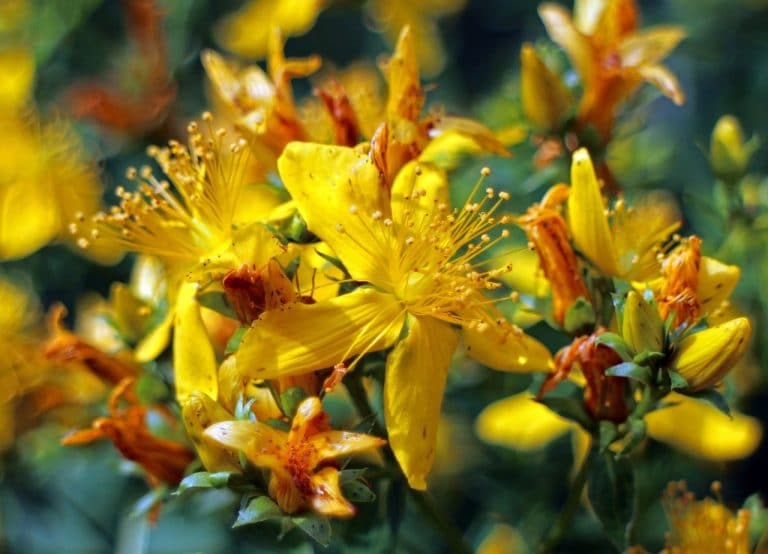
    Scientific Classification & Quick Facts Common name St John’s wort Scientific name Hypericum perforatum Kingdom Plantae Phylum Tracheophyta Class Magnoliopsida Order Malpighiales Family Hypericaceae Genus Hypericum Type Perennial herb with creeping runners Habitat Dry meadows, woods and roadsides in sun Native range Europe, West Asia and North Africa Colours Bright yellow flowers with black dots…

  • Irvingia Gabonesis

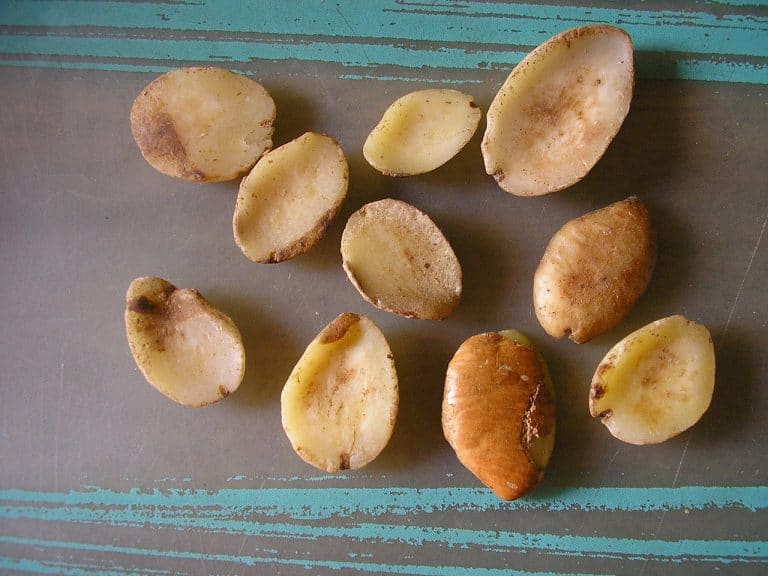
    Scientific Classification & Quick Facts Common name African mango Scientific name Irvingia gabonensis Kingdom Plantae Phylum Tracheophyta Class Magnoliopsida Order Malpighiales Family Irvingiaceae Genus Irvingia Conservation status Near Threatened Type Tall evergreen tropical tree Habitat Moist lowland tropical forests below 1000 m Native range West Africa Colours Yellow-green flowers; bright orange fruit pulp Flowering season…

  • How to Dry Herbs

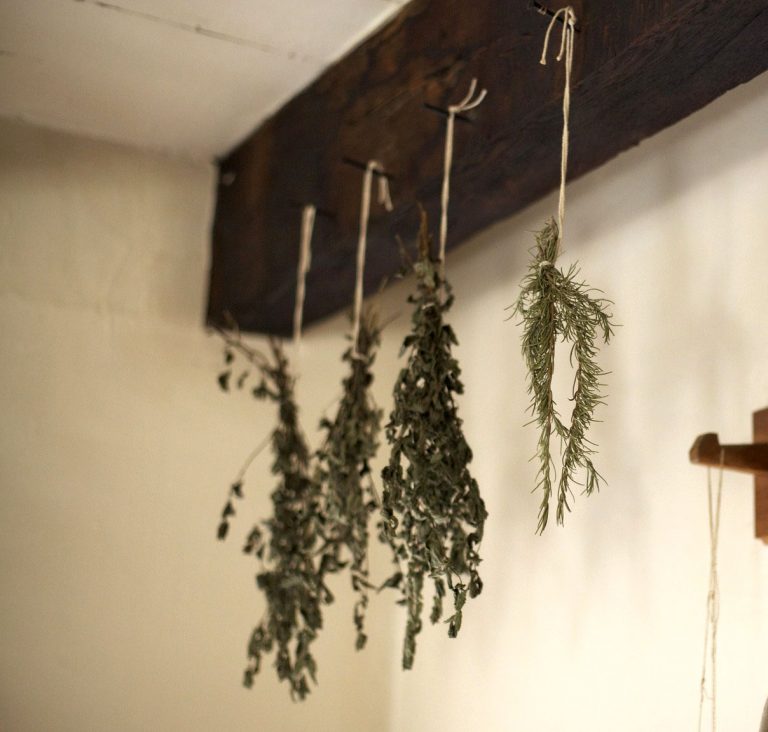
    Quick answer: Herbs can be dried by hanging small bundles upside down in a warm, dark, airy place, or by using a dehydrator or low oven. Air drying takes about one to two weeks. Dry herbs are ready when leaves crumble easily. Scientific Classification Herbs remind us of the spicy aroma that emanates from our…

  • Indoor Herb Garden

    When there is snow outside and cultivation outside becomes impossible, you can grow some of the herbs inside as you can very well grow inside. If you are used to fresh herbs and you cannot grow them outside due to extreme winters, the best way to keep your food tasty with fresh herbs is to…