Lemon Myrtle
Scientific Classification
| Kingdom: | Plantae |
| (unranked): | Angiosperms |
| (unranked): | Eudicots |
| (unranked): | Rosids |
| Order: | Myrtales |
| Family: | Myrtaceae |
| Genus: | Backhousia |
| Species | B. Citriodora |
| Binomial Name: | Backhousia Citriodora |
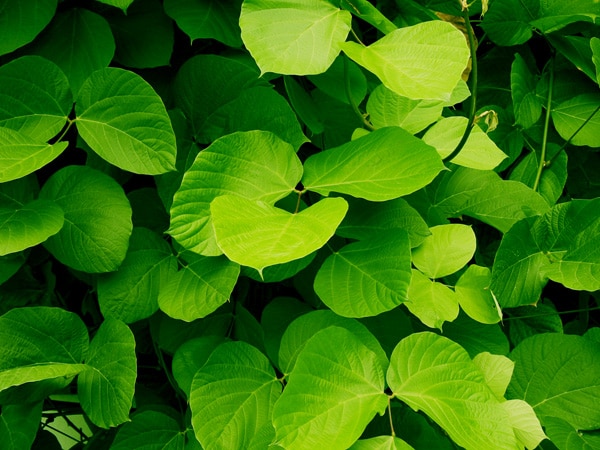
The Lemon myrtle plant is also known as lemon-scented myrtle, Lemon Scented Ironwood. Its scientific name is Backhousia Citriodora. It is a flowering plant. Its other names are Lemon Scented Verbena, Lemon Scented Backhousia, Sweet Verbena Myrtle, and Sweet Verbena Tree. Lemon Myrtle is a small plant. The main attraction of this plant is its leaves, flowers, and its perfumed lemon fragrance. Its essential oil has a higher Citral purity. It is also referred to as the Queen of the lemon herbs. It is a hardy plant. Its crushed leaves contain volatile Citral oil that is very useful. A flowering plant belonging to the Myrtaceae family and genus Backhousia is native to certain parts of the Queensland state in Australia. Lemon Myrtles are mainly grown for ornamental purposes and medicinal uses. The showy flowers bloom from summer till autumn.
History
In 1788 from the prehistoric times, Aboriginal peoples used lemon myrtle for medicinal purpose and for flavoring. From 1990s it has been used for the antimicrobial, cosmetics, medicinal and flavoring purposes. The name Blackhousia was awarded to the Lemon Myrtle in 1853 as an honor to the English botanist James Backhouse. It establishes the use of Lemon Myrtle since ancient times. Since then much research has been carried out, but only in 1889, the properties and use were recognized by Joseph H. Maidena, and it gained popularity in the commercial world. In the same period, Schimmel and Co recognized the chemical properties of this herb and its importance in the medical field. Before the discovery of other lemon flavors, till the last century, this herb was mainly used for its Citral rich essential oil.
Anatomy
The Lemon myrtle plant can reach up to 66 feet in height. Its leaves are evergreen, 5 to 12 cm long and 1.5 to 2.5 cm broad. Its flowers are creamy white with a 5-7mm in diameter. These flowers are produced at the end of the branches in clusters. After the petals of flowers fall, you can see the flowers from the summer to the autumn season. Its dried leaves have free radicals. It has dense canopy and glossy green foliage. The fruit of lemon myrtle is a nut-like capsule and it can contain many seeds. Its flowers attract insects and butterflies.
Habitat
The Lemon myrtle plant can reach up to 66 feet in height. Its leaves are evergreen, 5 to 12 cm long and 1.5 to 2.5 cm broad. Its flowers are creamy white with a 5-7mm in diameter. These flowers are produced at the end of the branches in clusters. After the petals of flowers fall, you can see the flowers from the summer to the autumn season. Its dried leaves have free radicals. It has dense canopy and glossy green foliage. The fruit of lemon myrtle is a nut-like capsule and it can contain many seeds. Its flowers attract insects and butterflies.
Soil
This plant can tolerate all types of soil conditions, including the poorest drained soil. It requires acidic to neutral or rich, moist organic soil. It can also tolerate sandy soil.
Planting
The seeds of the lemon myrtle plant have a low germination rate. It is cultivated as an ornamental plant. It requires full sunlight. But it can tolerate partial shade. When it is growing in a container at home, then it requires appropriate environment. If propagated by planting, make sure the planting should be from the local nursery which means, it is already adapted to the present environment and climate. A well-drained soil should be provided with sufficient organic compost and mulch. It prefers acid to neutral soil, but can adjust in sandy soil with enough fertilizers. During the growing period, partial shade is recommended, but can be placed under sun after the plant attains a minimum growth. It should be placed under shelter to protect from the hot and dry climate. The holes dug for the planting should be big enough to sow the root balls along with extra 15 cm space around the root balls for its growth. Regular watering is appreciable for the speedy growth of the lemon myrtle plant, but at the same time; drainage should be checked to make sure the soil is well drained after watering. Being frost sensitive, it should be provided shelter or cover during severe cold climates. Pruning the shrub will keep it bushy, so prune whenever needed as it can tolerate pruning.
Water
The Lemon myrtle plant requires regular watering. For good growth, deep watering is essential, but care should be taken to avoid water pooling as it can cause severe harm to the plant.
Temperature and Humidity
The leaves of lemon myrtle plants are dried at different temperature of 30, 40 and 50 degree C. If the planting is done in containers, then it requires high humidity.
Care
The Lemon myrtle plant requires mulch and compost for maintenance and care. It can tolerate light frost, but it requires protection from high frost. It requires basic care.
Harvest
The flowers and leaves of the lemon myrtle plant are harvested by machines for the purpose of use in cosmetics, for medicinal purposes and for scent. Sometimes its leaves are picked by hand for vinegar and oil. Its leaves are harvested in its full stage of bloom.
Pests and Disease
The lemon myrtle plant is relatively pest free. Its essential oil has antibacterial properties. Butterflies and bees feeds on the nectar of the plant. Myrtle rust is a serious disease, which affects the plant and attack the shoots, young stems and leaves. Use of fungicide helps in controlling the disease of the plant.
Uses
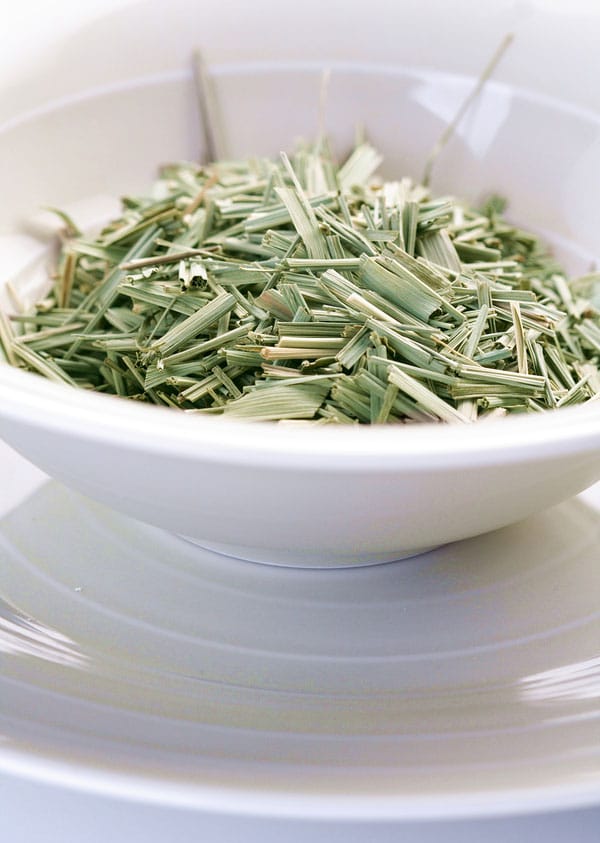
The flowers and leaves of the lemon myrtle plant are used in beverages, tea blends, breads, biscuits, syrups, pasta, flavored oils, packaged fish, simmer sauces, liqueurs and in confectionery. The essential oils and the paste of leaves of lemon myrtle have antibacterial, sedative and anti fungal properties. It is also used as the lemon flavor in milk based foods, like lemon flavored ice cream, cheese cakes and sorbet. The essential oil of lemon myrtle is used in the treatment of skin diseases. The oil is used as an antiseptic. This essential oil is a popular ingredient in cleaning products and health care. It is used in the making of lotions, soaps, shampoos and skin whitening products. It is also used in perfumes because of its fragrance. Lemon myrtle has been used as a cooking spice in food and as a bush food.In the medical field, it has many properties to treat numerous ailments. Being an antiseptic and antioxidant, it is very effective to eliminate the disease causing microorganisms. Its a very effective treatment for cold, cough, allergy, infections, sore throat and gastric problems. It also possesses the therapeutic effect to cure headaches, sprains, fever and muscle cramps. According to some researchers, drinking lemon myrtle tea will enhance the immunity and boost the immunity system by keeping away diseases. Containing vitamins like A and E, it is also a rich source of minerals like magnesium, calcium and zinc.

Having discovered a fondness for insects while pursuing her degree in Biology, Randi Jones was quite bugged to know that people usually dismissed these little creatures as “creepy-crawlies”.