Mint
Scientific Classification
| Kingdom: | Plantae |
| (unranked): | Angiosperms |
| (unranked): | Eudicots |
| (unranked): | Asterids |
| Order: | Lamiales |
| Family: | Lamiaceae |
| Tribe: | Mentheae |
| Genus: | Mentha |
| Type Species: | Mentha spicata |
Mentha, the common name Mint, derived from the Greek word mint, (Linear B, a script that the Mycenaean Greeks used). This genus belongs to the family Lamiaceae mint. There is no clear definition of this species. The approximate number of such varieties is 13 to 18. A few of these varieties have natural Hybridization. In cultivation, we are familiar with several cultivars and many crossbreeds.
Anatomy
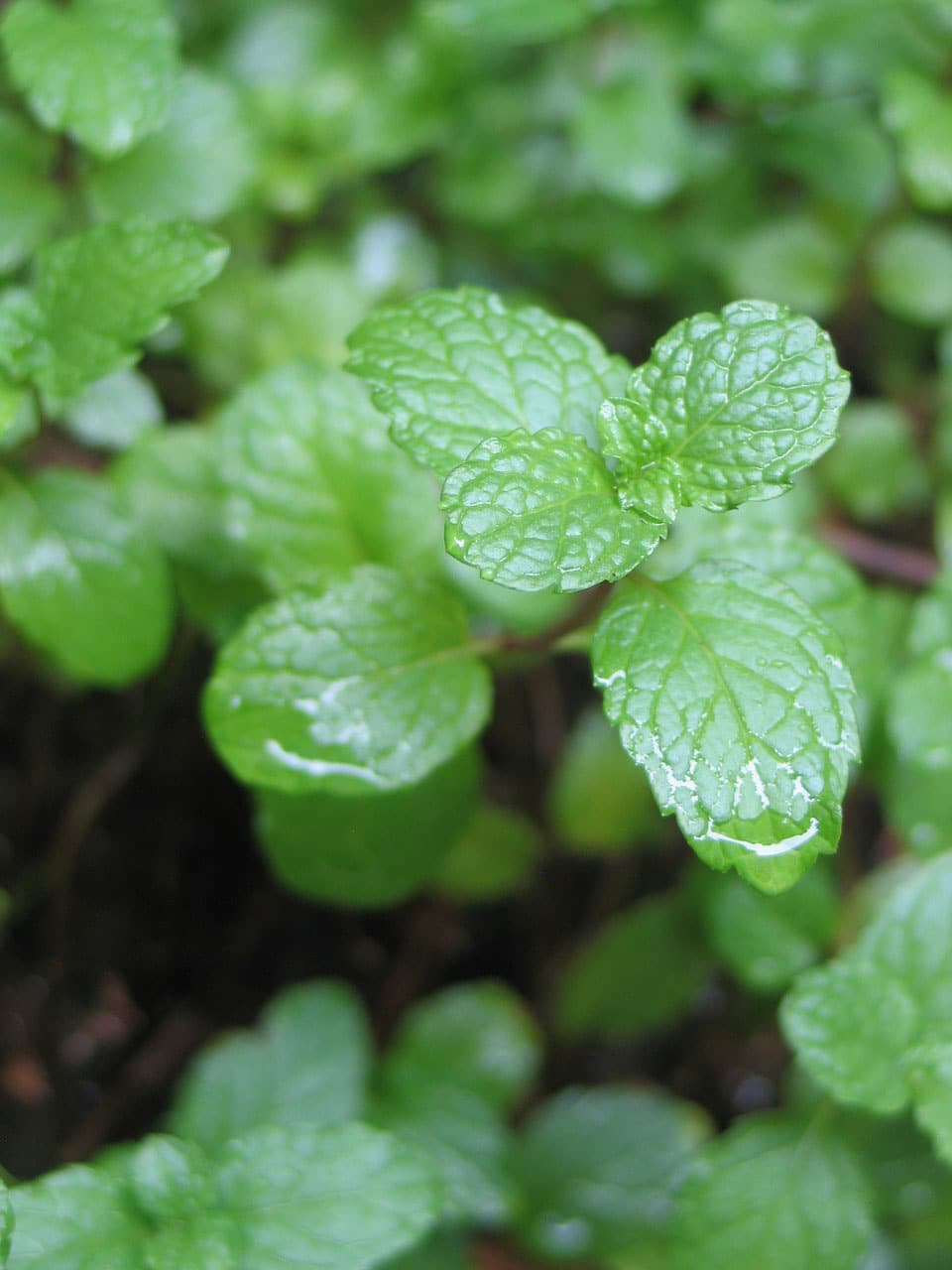
Mints are occasional annual herbs, specifically perennials. They are fragrant. The stolons flourish, stretching over and under the ground. They have square branched stems standing upright. The foliage positions itself with the leaves opposite to each other in pairs. They are lancet shaped, to rectangular in shape, frequently drooping, and the edges have a saw shape. The color of the foliage varies from blue, dark-gray, deep green to purple, and at times, light yellow. The flowers are purple and white, formed in coils known as verticillasters. The corolla has two lips and four lobes that are sub equal, with the top lobe normally the biggest. The fruit is a nut-let and contains 1-4 seeds.
Habitat
Although, you can find the Mentha genus spreading over large environments, most of them seem to have a lingering affinity for damp soil and wet surroundings. Mint grows to a height of 10 to 120 cm and spread over large areas.
Growing At Home
Soil for Planting
Mints grow profusely near lakes, in moist and cool spots, pools of water, riverbeds and in places with partial shade. Overall, mint adjusts to varying conditions, including bright sunlight. Mints prefer a soil of pH value 6.0 to 7.0, and one that is fertile.
Planting
Even though mints grow in complete sunlight, they favor a partly shaded place with moist and cool areas. While planting, the most important point is getting mint cuttings. Just cut a stalk and for best results, remove most of the leaves at the base of the cuttings. Bury a large part of the stalk into the soil.
Watering
Different from many plants, mint requires plenty of water; so give your mother mint plant enough measure of water, it does not mean that you need to water it all the day. Water the plant once a day exposing it to sunshine and twice a week add manure to the soil.
Flowering and Maturing
June to September is time for the small flowers of the mint to bloom. In order to keep the plants packed together, trim them before bidding.
Care
Add biodegradable fertilizer once in two weeks. Maintain the roots damp and the soil wet by mulching around the plant. In order to dampen the potting soil, use polymers that retain water for moisture retention. Pull up the unruly runners, and harvest the tips often to keep a check on the plants.
Pest and Pesticides
Even though mint is a hardy plant when young, black flies, snails, white flies, slugs and spider mites can destabilize it.
Harvest Month and Storage
Harvest your mint leaves at any time. Use your mint leaves fresh as you harvest them, otherwise store them in the refrigerator packed in plastic bags for a few days. When required nip the sprigs or leaves. For harvesting in big quantity, snip the stems about an inch or just from its base. Harvest your mint many times, according to the season’s duration. Dry your mint in the air hanging them in loose bunches, dry leaves separately in a tray or a food dehydrator, or freeze them in self-sealing packets.
Varieties
- Mentha arvensis – Japanese Peppermint, Pudina (in Hindi) Banana Mint, Wild Mint, Corn Mint
- Mentha Australis – Australian mint
- Mentha Citrata –Orange mint, Bergamot mint
- Mentha Asiatica – Asian Mint
- Mentha aquatic – Marsh mint or Water mint
- Mentha Diemenica – Slender mint
- Mentha Crispate – Wrinkled-leaf mint
- Menta Canadensis
- Mentha Dahurica – Dahurian Thyme
- Mentha Cervina – Hart’s Pennyroyal
Having discovered a fondness for insects while pursuing her degree in Biology, Randi Jones was quite bugged to know that people usually dismissed these little creatures as “creepy-crawlies”.