Herbs

Long before modern kitchens and medicine cabinets, people relied on herbs for flavor, fragrance and folk remedies, and many of the same plants still grow in gardens today. Herbs are usually valued for their leaves, seeds, roots or bark, which contain aromatic oils that give them strong scents and tastes. Many are easy to grow on a sunny windowsill.

This collection profiles a wide range of plants, from cooking staples like basil and garlic to fast-spreading mint and catnip, the herb many cats find irresistible. Each guide explains where the plant comes from, how it grows and how people have traditionally used it.

  • Saffron

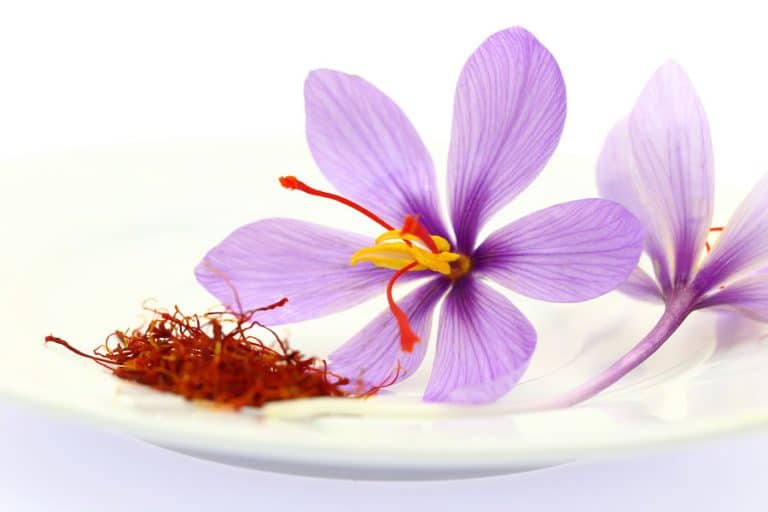
    Scientific Classification & Quick Facts Common name Saffron crocus Scientific name Crocus sativus Kingdom Plantae Phylum Tracheophyta Class Liliopsida Order Asparagales Family Iridaceae Genus Crocus Type Bulb (corm) flower, the saffron crocus Habitat Full sun; well-drained, alkaline soil Native range Southwest Asia and Greece Colours Three bright crimson stigmas per flower Height 20–30 cm Edible…
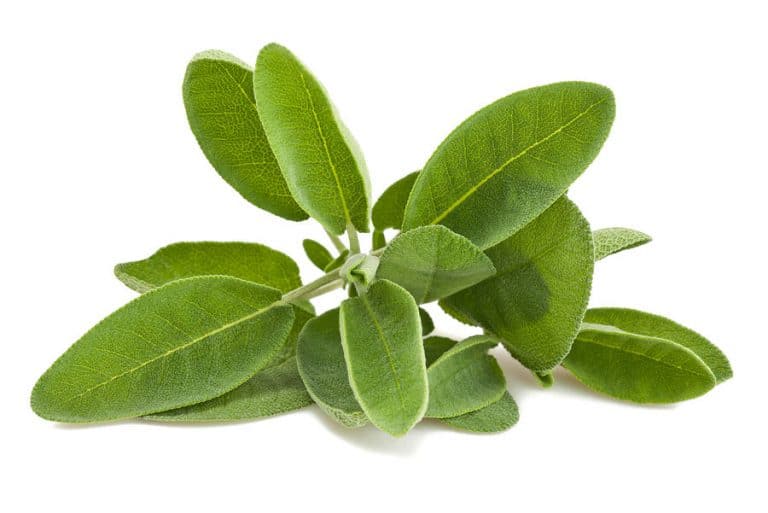
  • Sage

    Scientific Classification & Quick Facts Common name Sage Scientific name Salvia officinalis Kingdom Plantae Phylum Tracheophyta Class Magnoliopsida Order Lamiales Family Lamiaceae Genus Salvia Conservation status Least Concern Type Evergreen sub-shrub with woody stems Habitat Full sun; well-drained, alkaline soil Native range Mediterranean region Colours Bluish-purple, white or pink flowers Flowering season Late spring or…

  • Sarsaparilla

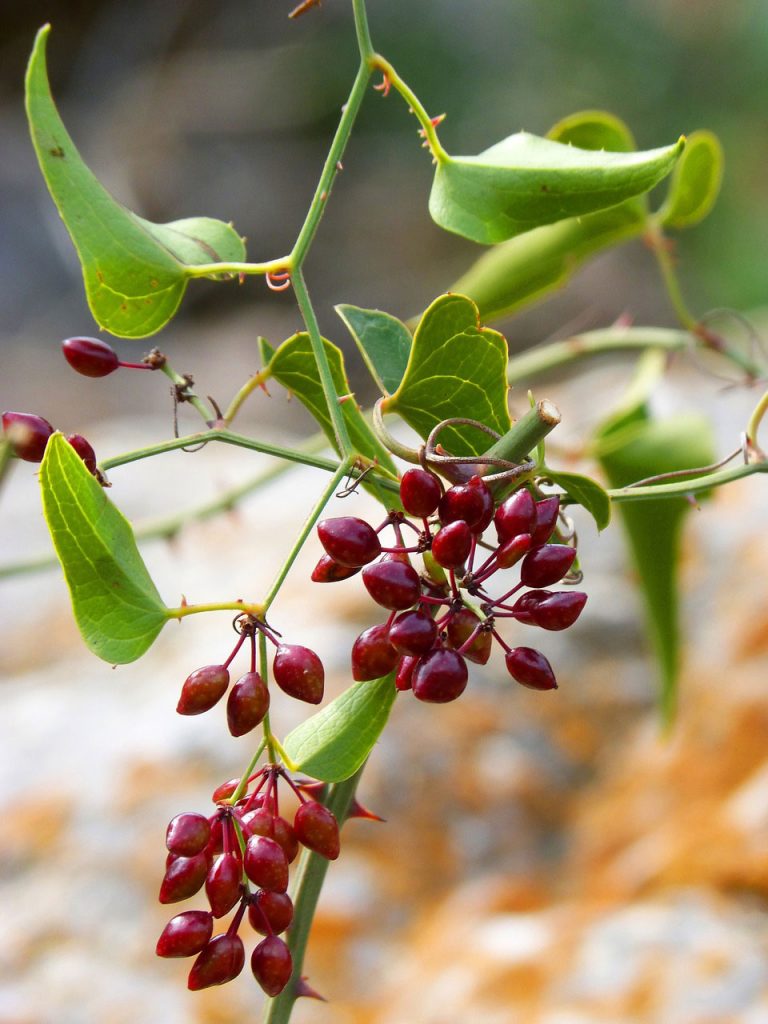
    Sarsaparilla is a name given to several different plants whose roots have long been used to flavor drinks and in traditional medicine. True sarsaparilla comes from tropical climbing vines in the genus Smilax, while wild sarsaparilla (Aralia nudicaulis) is a low woodland plant from North America. Wild sarsaparilla Quick Facts Common name Wild sarsaparilla Scientific…

  • Ruta Rue

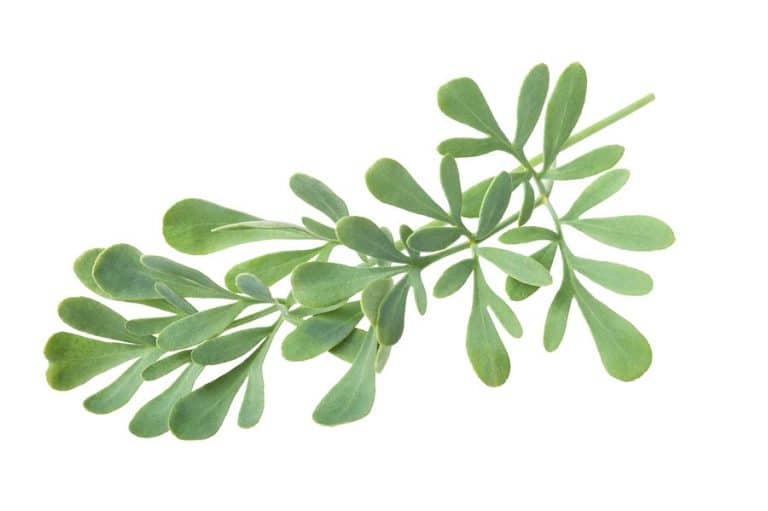
    Scientific Classification & Quick Facts Common name Rue Scientific name Ruta graveolens Kingdom Plantae Phylum Tracheophyta Class Magnoliopsida Order Sapindales Family Rutaceae Genus Ruta Conservation status Least Concern Type Evergreen sub-shrub Habitat Full sun; dry, sharply drained soil Native range Balkan Peninsula and the Mediterranean Colours Yellow flowers; blue-green leaves Height Up to 60 cm…

  • Rooibos Red Bush Tea

    Aspalathus linearis, commonly known as Rooibos is a bushy plant or a broom-shaped plant belonging to legume family. It earned this generic name from the Greek term “Aspalathos” which is the ancient Greek name of a thorny shrub, botanically known as Calicotome villosa. A red tea is associated with this herb because its leaves are…

  • Rose Hip

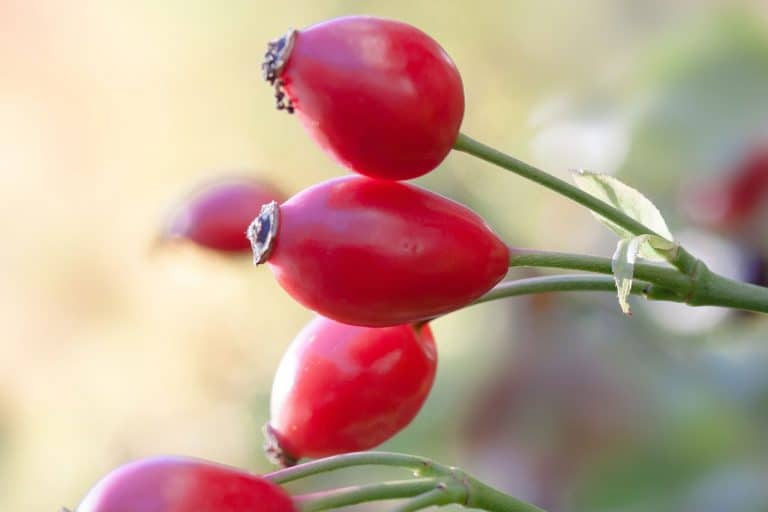
    The Rose Hip is a fruit developing on the rose plant that belongs to the Rosaceae family. Usually, it is found in deep orange to red color, but in some species, it is also found in deep purple to black shades. During the early summer or spring, the flowers get pollinated, after which this fruit begins…

  • Rosemary

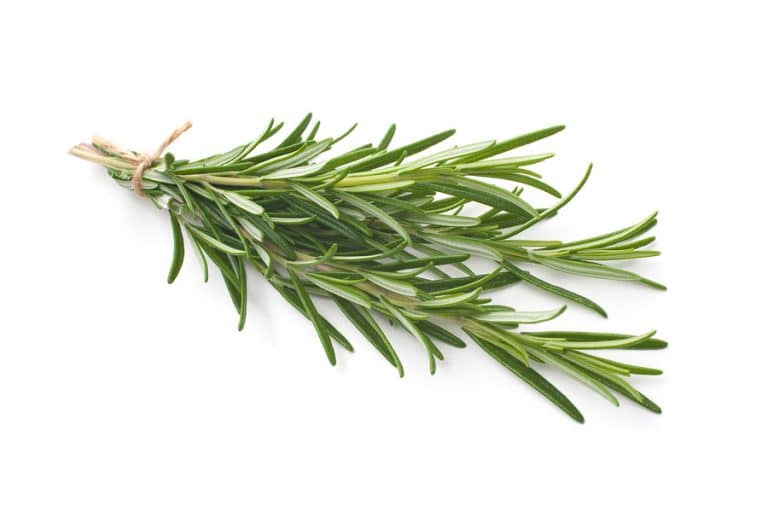
    Scientific Classification & Quick Facts Common name Rosemary Scientific name Salvia rosmarinus (formerly Rosmarinus officinalis) Kingdom Plantae Phylum Tracheophyta Class Magnoliopsida Order Lamiales Family Lamiaceae Genus Salvia Type Evergreen woody shrub Habitat Dry, well-drained soil in full sun Native range Mediterranean region Colours White, pink, blue or purple flowers Flowering season Spring and summer Height…