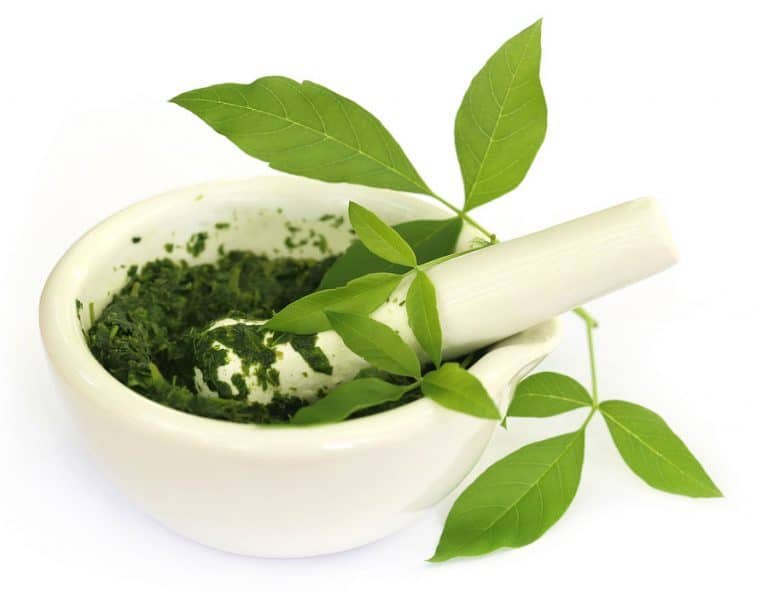
Herbs

Long before modern kitchens and medicine cabinets, people relied on herbs for flavor, fragrance and folk remedies, and many of the same plants still grow in gardens today. Herbs are usually valued for their leaves, seeds, roots or bark, which contain aromatic oils that give them strong scents and tastes. Many are easy to grow on a sunny windowsill.

This collection profiles a wide range of plants, from cooking staples like basil and garlic to fast-spreading mint and catnip, the herb many cats find irresistible. Each guide explains where the plant comes from, how it grows and how people have traditionally used it.

  • Agnus Castus – Vitex

    Scientific Classification & Quick Facts Common name Agnus castus Scientific name Vitex agnus-castus Kingdom Plantae Phylum Tracheophyta Class Magnoliopsida Order Lamiales Family Lamiaceae Genus Vitex Conservation status Data Deficient Type Bushy shrub, also called Vitex Habitat Riverbanks and coasts; full sun, well-drained soil Native range Asia and the Mediterranean Special feature Berries used in herbal…
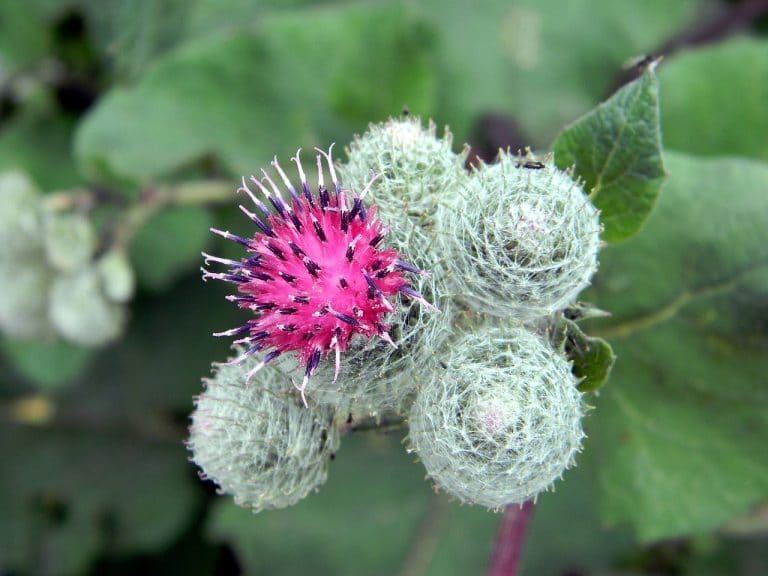
  • Agrimony

    Agrimony is a wildflower and herb in the rose family, best known for its tall spikes of small yellow flowers and its sticky, hooked seed heads. The most familiar species, common agrimony (Agrimonia eupatoria), has been used as a traditional herbal remedy in Europe since the days of the ancient Greeks. Scientific Classification & Quick…

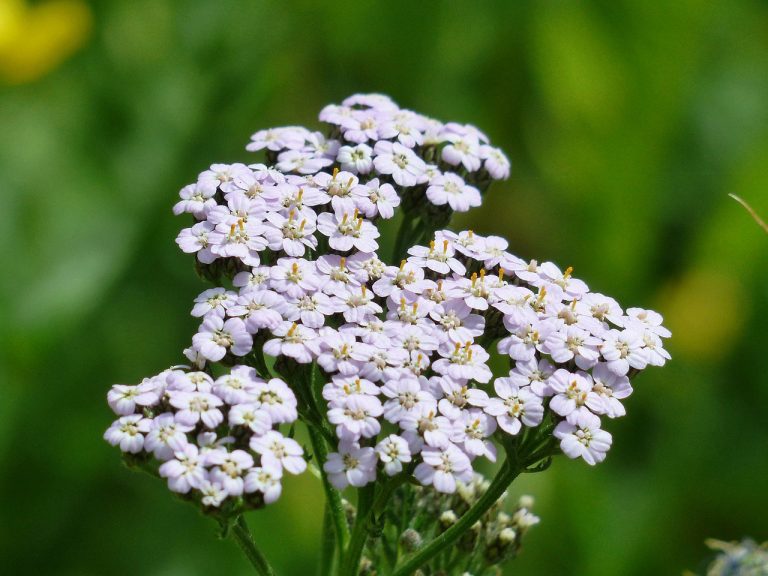
  • Yarrow

    Scientific Classification & Quick Facts Common name Yarrow Scientific name Achillea millefolium Kingdom Plantae Phylum Tracheophyta Class Magnoliopsida Order Asterales Family Asteraceae Genus Achillea Conservation status Least Concern Type Herbaceous perennial wildflower Habitat Old fields, pastures, roadsides and meadows Native range Temperate Europe and Asia Colours White to yellowish-white flowers Flowering season May to August…

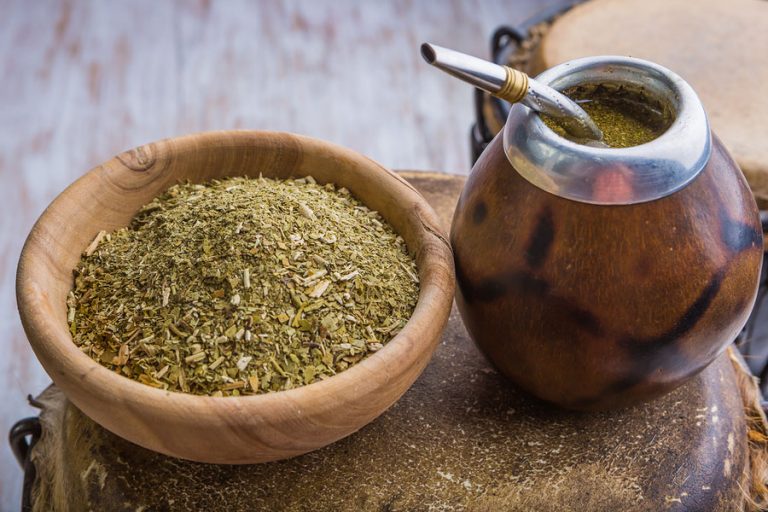
  • Yerba Mate

    Scientific Classification & Quick Facts Common name Yerba mate Scientific name Ilex paraguariensis Kingdom Plantae Phylum Tracheophyta Class Magnoliopsida Order Aquifoliales Family Aquifoliaceae Genus Ilex Conservation status Near Threatened Type Evergreen shrub that grows into a tree Habitat Near springs and rivers; rich, moist, sandy soil Native range Paraguay, Brazil, Argentina and Uruguay Colours Greenish-white…

  • 5-HTP

    An immediate precursor of the monoamine neurotransmitter serotonin is called 5-HTP (5-hydroxytryptophan). In the regulation of moods, appetite, and body temperature, Serotonin plays a vital role. Many disparate conditions like depression are linked and connected with the deficiency of serotonin. Other conditions like Anxiety, Suicidal Tendency, Violent Behavior, PMS, Compulsive Gambling, Insomnia, Affective disorder (seasonal),…

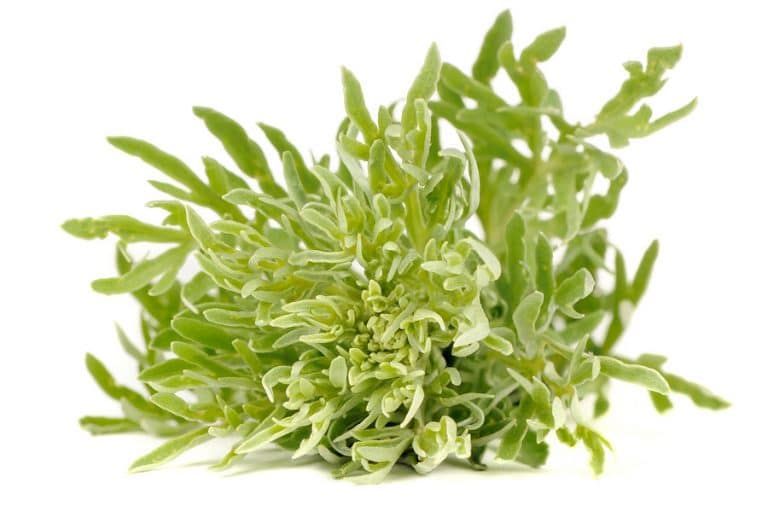
  • Wormwood

    Scientific Classification & Quick Facts Common name Wormwood Scientific name Artemisia absinthium Kingdom Plantae Phylum Tracheophyta Class Magnoliopsida Order Asterales Family Asteraceae Genus Artemisia Type Herbaceous perennial Habitat Dry soil, waste places and roadsides Native range Temperate Europe, North Africa and Siberia Colours Silvery-grey leaves, pale yellow flowers Flowering season Early summer to early autumn…

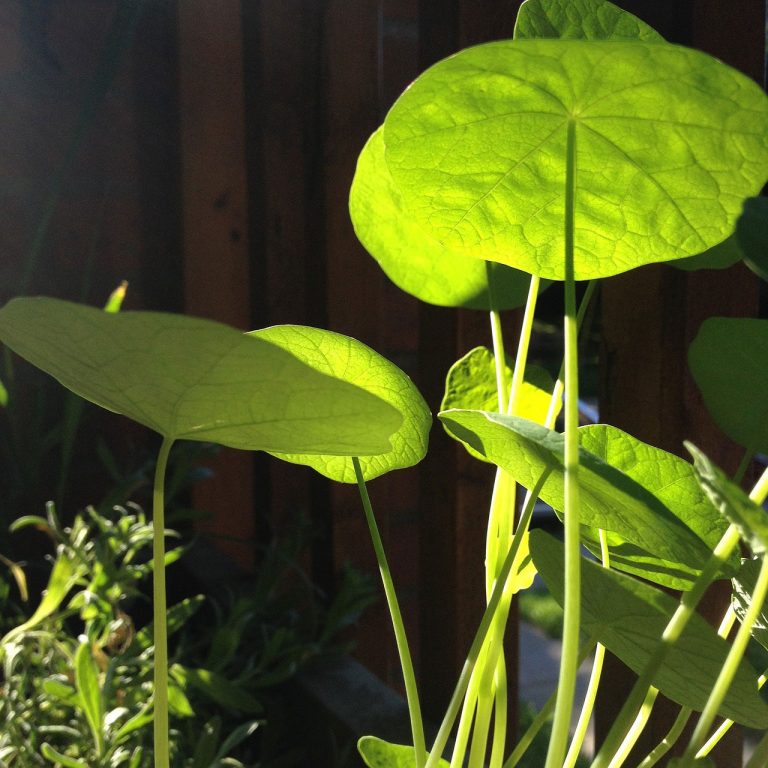
  • Watercress

    Scientific Classification & Quick Facts Common name Watercress Scientific name Nasturtium officinale Kingdom Plantae Phylum Tracheophyta Class Magnoliopsida Order Brassicales Family Brassicaceae Genus Nasturtium Type Aquatic or semi-aquatic perennial Habitat Slow-moving streams and springs Native range Europe and Asia Colours White and green flowers Flowering season Summer Edible parts Peppery leaves and mature seeds Special…

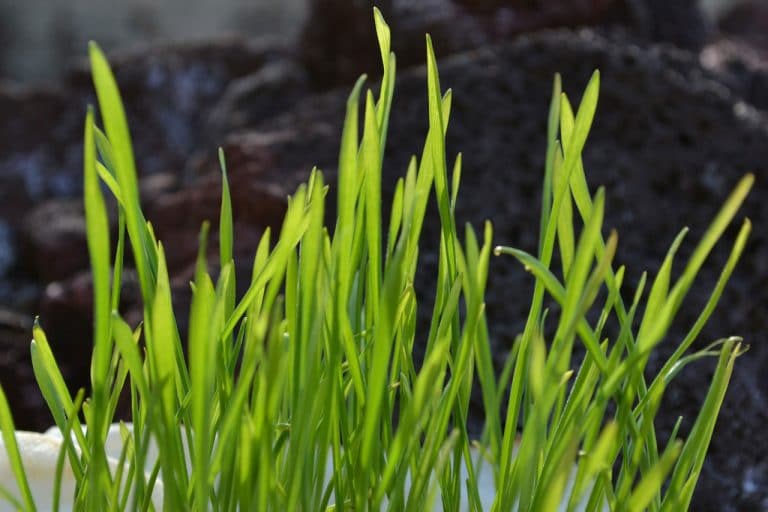
  • Wheatgrass

    Scientific Classification & Quick Facts Common name Wheatgrass Scientific name Triticum aestivum Kingdom Plantae Phylum Tracheophyta Class Liliopsida Order Poales Family Poaceae Genus Triticum Type Young wheat shoots (a grass) Colours Dark green, rich in chlorophyll Height Harvested at about 6 inches Edible parts Young shoots, usually juiced Special feature Easy to grow indoors in…

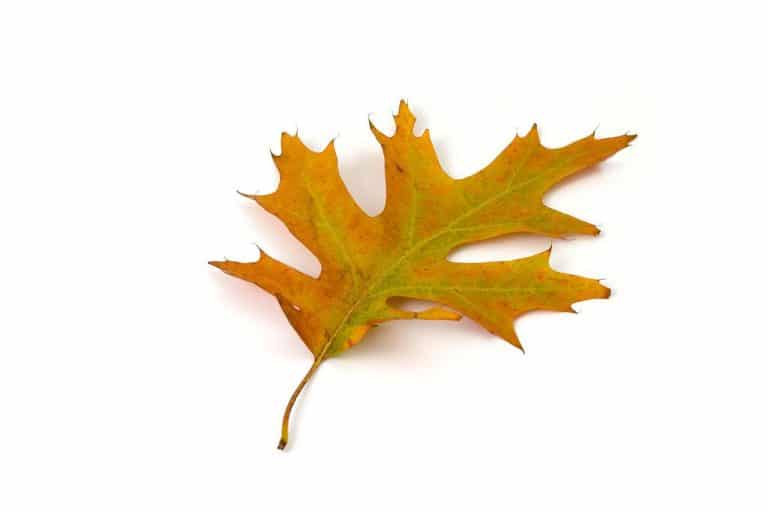
  • White Oak

    Scientific Classification & Quick Facts Common name White oak Scientific name Quercus alba Kingdom Plantae Phylum Tracheophyta Class Magnoliopsida Order Fagales Family Fagaceae Genus Quercus Conservation status Least Concern Type Large, long-lived deciduous tree Habitat Valleys, ridges, and the banks of ponds, lakes and streams Native range Eastern United States, from Quebec to Georgia and…

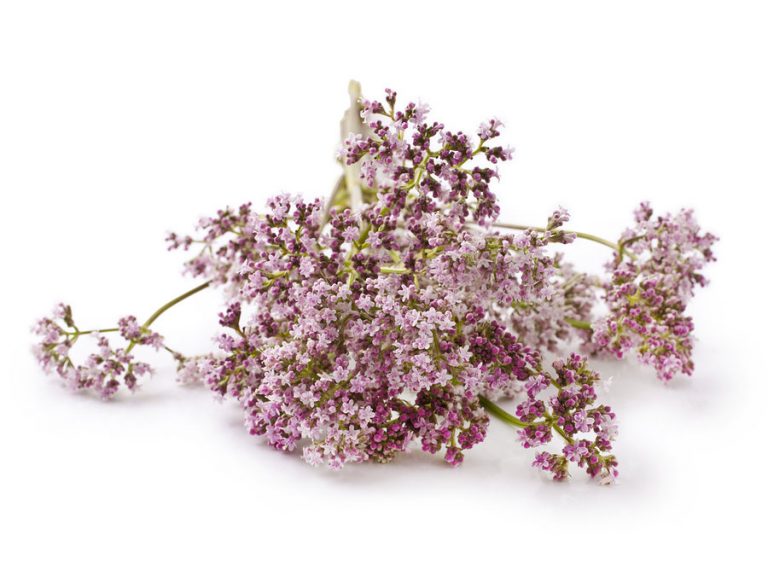
  • Valerian

    Scientific Classification & Quick Facts Common name Valerian Scientific name Valeriana officinalis Kingdom Plantae Phylum Tracheophyta Class Magnoliopsida Order Dipsacales Family Caprifoliaceae Genus Valeriana Type Flowering perennial herb Habitat River and stream banks, meadows, forest edges Native range Europe, Asia and North America Colours Pink or light purple flowers Flowering season Summer Special feature Roots…

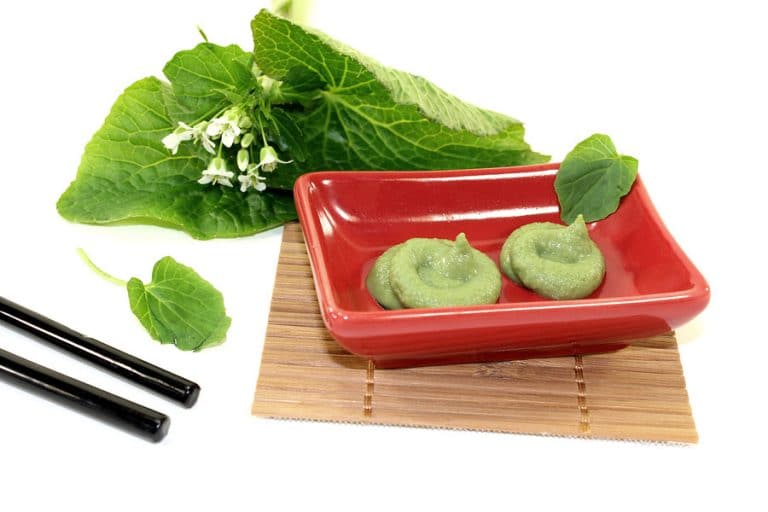
  • Wasabi

    Scientific Classification & Quick Facts Common name Wasabi Scientific name Eutrema japonicum Kingdom Plantae Phylum Tracheophyta Class Magnoliopsida Order Brassicales Family Brassicaceae Genus Eutrema Type Perennial plant with an underground stem (rhizome) Habitat Cool, shady, wet places and streams Native range Japan and temperate Asia Flowering season April to May Edible parts Rhizome, leaves and…

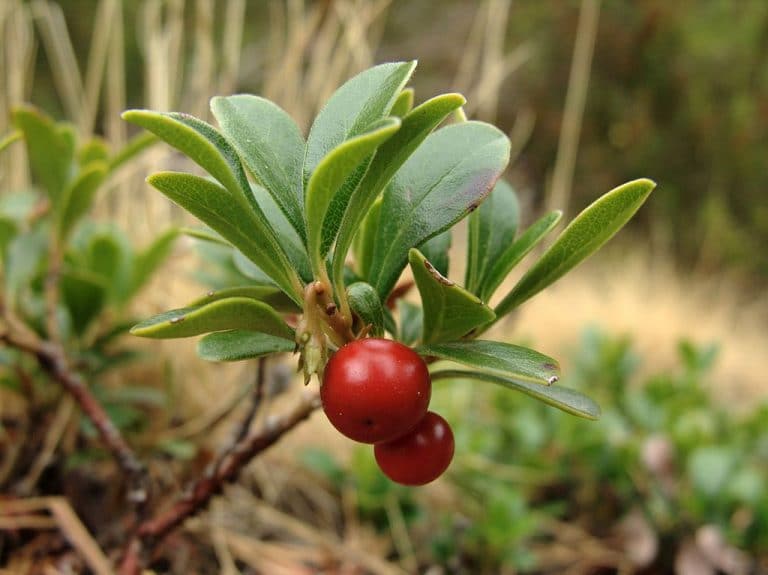
  • Uva Ursi

    Scientific Classification & Quick Facts Common name Uva ursi Scientific name Arctostaphylos uva-ursi Kingdom Plantae Phylum Tracheophyta Class Magnoliopsida Order Ericales Family Ericaceae Genus Arctostaphylos Type Evergreen creeping shrub Habitat Alpine forests, sun to partial shade Native range Europe, Himalayas, North America, Siberia Colours White or pink flowers, red berries Flowering season Summer Special feature…