Herbs

Long before modern kitchens and medicine cabinets, people relied on herbs for flavor, fragrance and folk remedies, and many of the same plants still grow in gardens today. Herbs are usually valued for their leaves, seeds, roots or bark, which contain aromatic oils that give them strong scents and tastes. Many are easy to grow on a sunny windowsill.

This collection profiles a wide range of plants, from cooking staples like basil and garlic to fast-spreading mint and catnip, the herb many cats find irresistible. Each guide explains where the plant comes from, how it grows and how people have traditionally used it.

  • Turmeric

    Scientific Classification & Quick Facts Common name Turmeric Scientific name Curcuma longa Kingdom Plantae Phylum Tracheophyta Class Liliopsida Order Zingiberales Family Zingiberaceae Genus Curcuma Conservation status Data Deficient Type Herbaceous perennial Habitat Warm, humid places with rich, well-drained soil Native range India and Indonesia Colours White flowers Height About 1 metre Edible parts Rhizomes (root-like…
  • Tribulus Terrestris

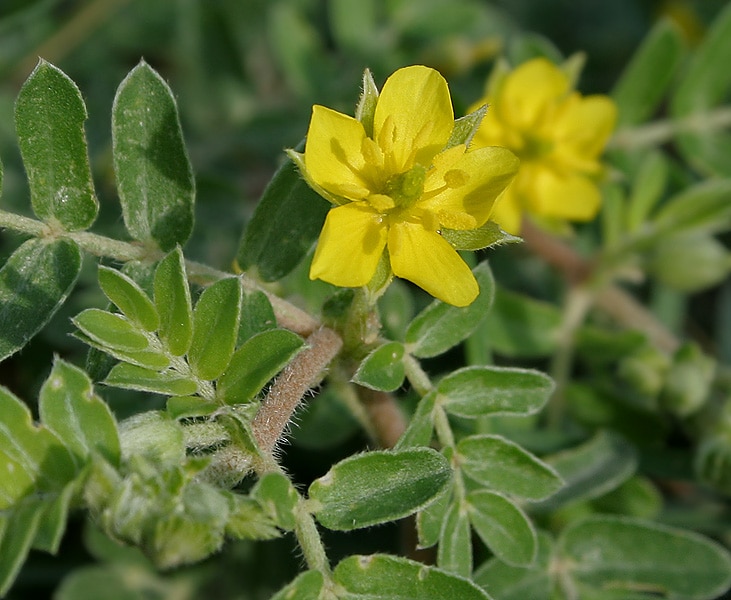
    Scientific Classification & Quick Facts Common name Tribulus terrestris Scientific name Tribulus terrestris Kingdom Plantae Phylum Tracheophyta Class Magnoliopsida Order Zygophyllales Family Zygophyllaceae Genus Tribulus Conservation status Least Concern Type Herbaceous perennial, often a weed Habitat Arid regions, deserts, sandy soil Native range Warm regions of southern Asia, southern Europe, Africa, Australia Colours Lemon-yellow flowers…

  • Thyme

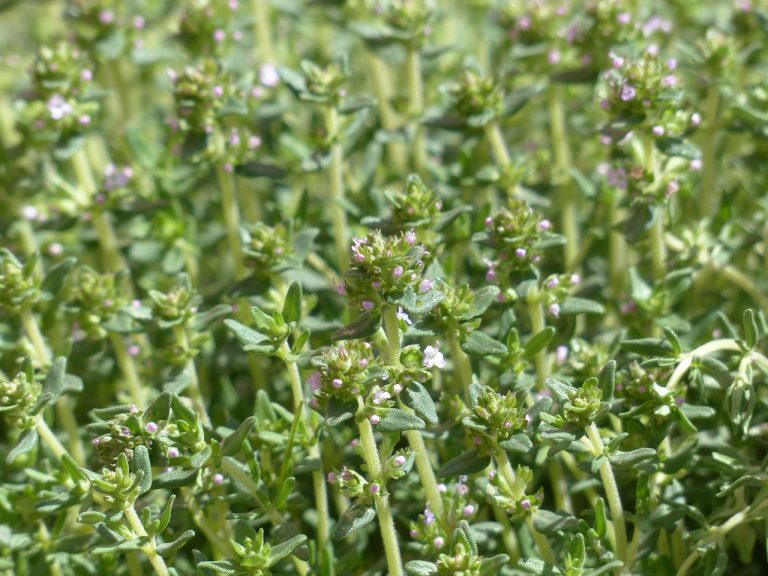
    Scientific Classification & Quick Facts Common name Thyme Scientific name Thymus Kingdom Plantae Phylum Tracheophyta Class Magnoliopsida Order Lamiales Family Lamiaceae Type Perennial herb, small shrub Habitat Dry, sunny, well-drained soil Native range Mediterranean region Colours Bluish-purple to pink flowers Flowering season June or July Height 12 to 18 inches Edible parts Leaves Classification: GBIF…

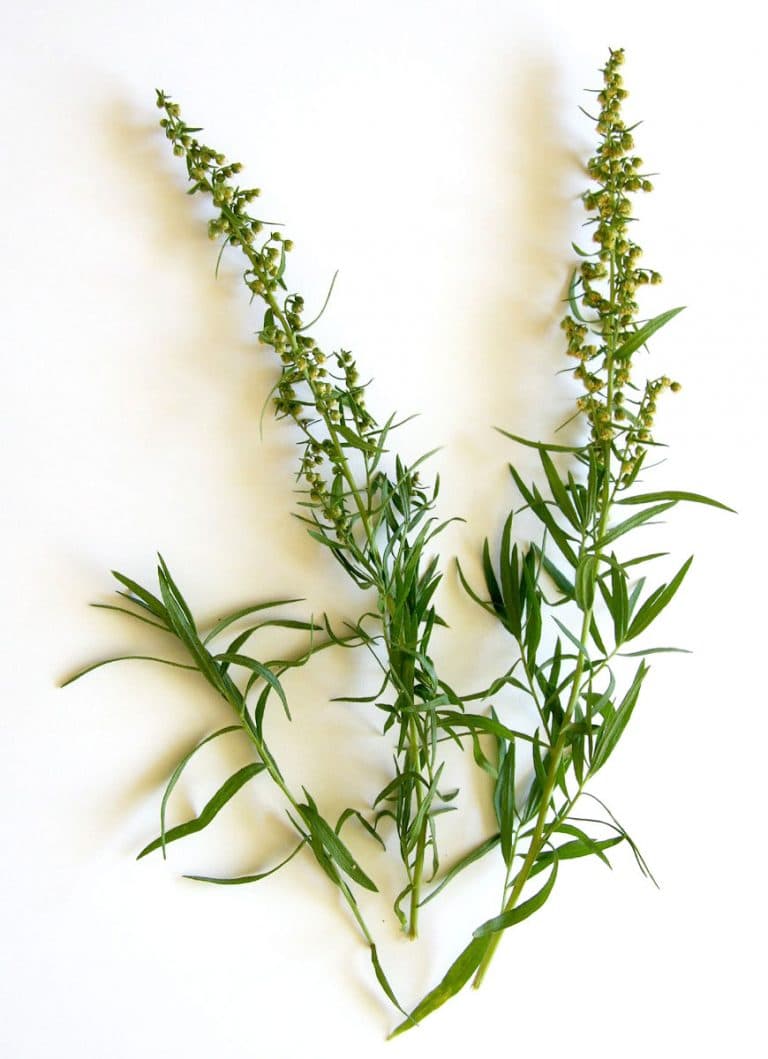
  • Terragon

    Scientific Classification & Quick Facts Common name Tarragon Scientific name Artemisia dracunculus Kingdom Plantae Phylum Tracheophyta Class Magnoliopsida Order Asterales Family Asteraceae Genus Artemisia Type Perennial herb Habitat Well-drained sandy soil, sun or partial shade Native range Northern Hemisphere: Siberia, Central Asia, Europe, China Colours Green leaves, greenish-yellow flowers Height 120 to 150 cm Edible…

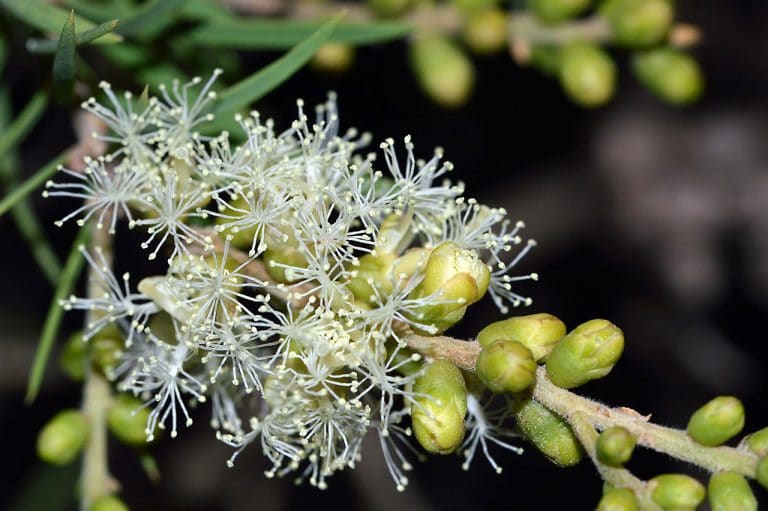
  • Tea Tree Oil

    Scientific Classification & Quick Facts Common name Tea tree Scientific name Melaleuca alternifolia Kingdom Plantae Phylum Tracheophyta Class Magnoliopsida Order Myrtales Family Myrtaceae Genus Melaleuca Type Evergreen shrub or tree Habitat Streams, swampy areas and coasts Native range Coastal eastern Australia (northern New South Wales, south-east Queensland) Colours Gray-green to dark green leaves Special feature…

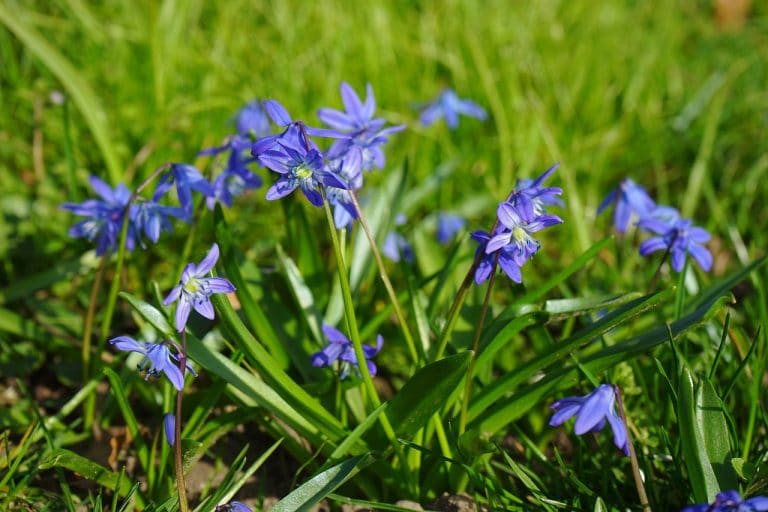
  • Squill

    Scientific Classification & Quick Facts Common name Squill Scientific name Scilla Kingdom Plantae Phylum Tracheophyta Class Liliopsida Order Asparagales Family Asparagaceae Type Bulb-forming perennial Habitat Well-drained soil in sun or under deciduous trees Native range Africa, Middle East and Europe Colours Mostly blue flowers; also pink, purple, white Flowering season Spring; sometimes autumn Special feature…

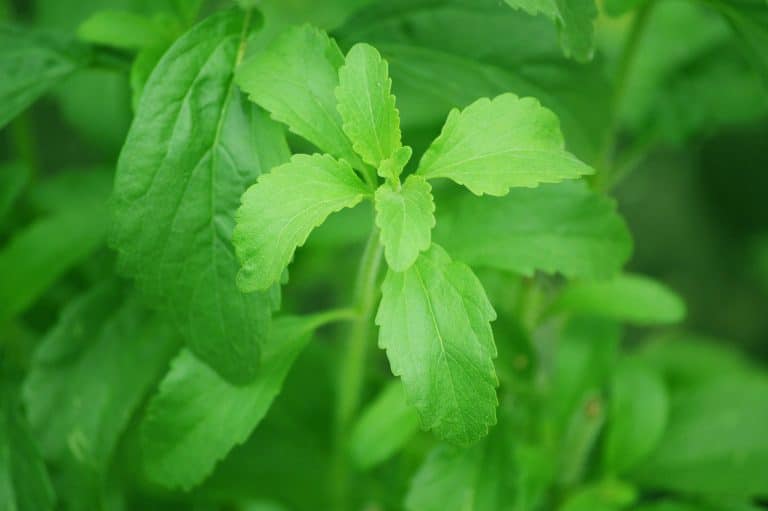
  • Stevia

    Scientific Classification & Quick Facts Common name Stevia Scientific name Stevia rebaudiana Kingdom Plantae Phylum Tracheophyta Class Magnoliopsida Order Asterales Family Asteraceae Genus Stevia Type Small perennial herb, often grown as an annual Habitat Loamy or sandy, well-drained soil in sun Colours Small white flowers Flowering season Early to mid summer Height 2–4 ft Edible…

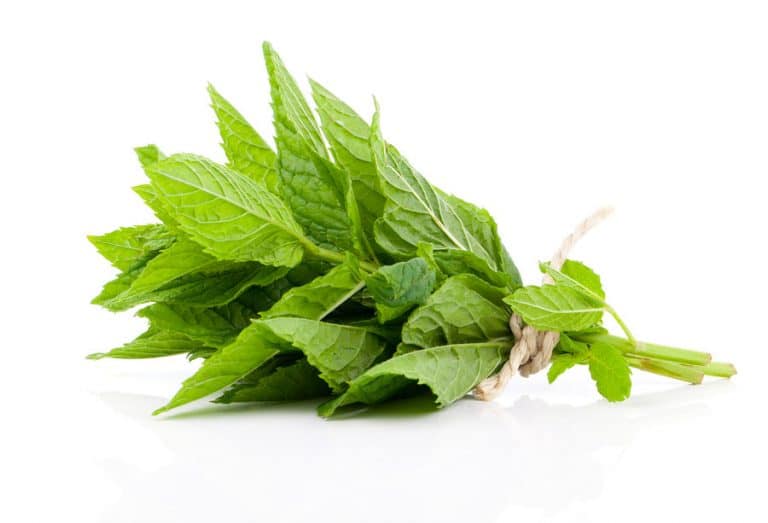
  • Spearmint

    Scientific Classification & Quick Facts Common name Spearmint Scientific name Mentha spicata Kingdom Plantae Phylum Tracheophyta Class Magnoliopsida Order Lamiales Family Lamiaceae Genus Mentha Conservation status Least Concern Type Herbaceous perennial mint Habitat Moist, fertile soil; sun or partial shade Native range Europe and Asia, including the Mediterranean Colours White or pink flowers Height 30–100…

  • Slippery Elm

    Scientific Classification & Quick Facts Common name Slippery elm Scientific name Ulmus rubra Kingdom Plantae Phylum Tracheophyta Class Magnoliopsida Order Rosales Family Ulmaceae Genus Ulmus Conservation status Least Concern Type Deciduous tree Habitat Damp forests, river terraces and stream banks Native range Eastern North America Lifespan May live to 200 years Flowering season Early to…

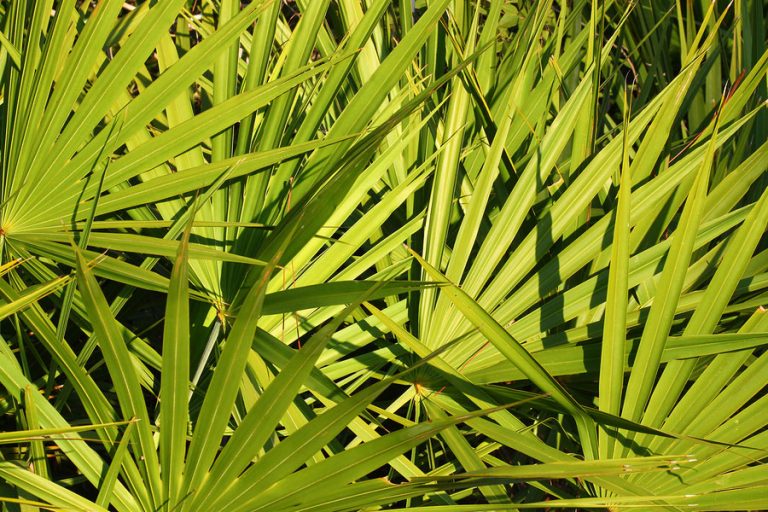
  • Saw Palmetto

    This little Saw palmetto palm tree is indigenous to the eastern provinces of the United States. The Seminole tribal folk of Florida used its fruit in the medical field.  Besides, it has traditional usage as a remedy for symptoms of urinary problems related to the enlargement of the prostate gland, (this is also known as…

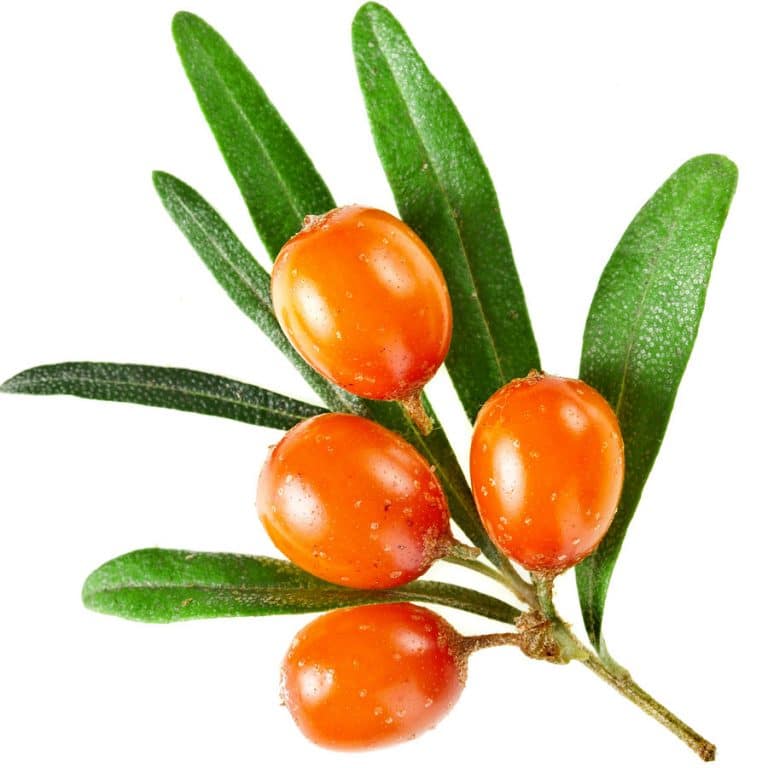
  • Sea Buck Thorn

    Scientific Classification & Quick Facts Common name Sea buckthorn Scientific name Hippophae Kingdom Plantae Phylum Tracheophyta Class Magnoliopsida Order Rosales Family Elaeagnaceae Type Thorny deciduous shrub Habitat Sandy, dry, salty soil in full sun Native range Asia and Europe, from the Himalayas to the Altai Colours Orange berries; silvery-green leaves Edible parts Berries Special feature…

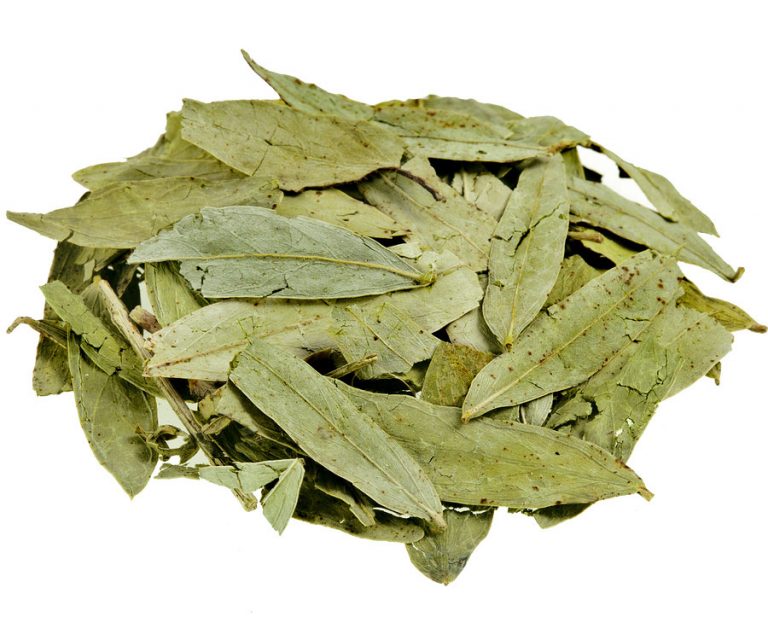
  • Senna

    Scientific Classification & Quick Facts Common name Senna Scientific name Senna Kingdom Plantae Phylum Tracheophyta Class Magnoliopsida Order Fabales Family Fabaceae Type Shrubs, herbs and small trees in the pea family Habitat Warm, dry places; full sun, well-drained soil Native range Arid Arabia, Egypt, Sudan and Nigeria Colours Yellow flowers with five petals Flowering season…