Herbs

Long before modern kitchens and medicine cabinets, people relied on herbs for flavor, fragrance and folk remedies, and many of the same plants still grow in gardens today. Herbs are usually valued for their leaves, seeds, roots or bark, which contain aromatic oils that give them strong scents and tastes. Many are easy to grow on a sunny windowsill.

This collection profiles a wide range of plants, from cooking staples like basil and garlic to fast-spreading mint and catnip, the herb many cats find irresistible. Each guide explains where the plant comes from, how it grows and how people have traditionally used it.

  • Bladder Wrack

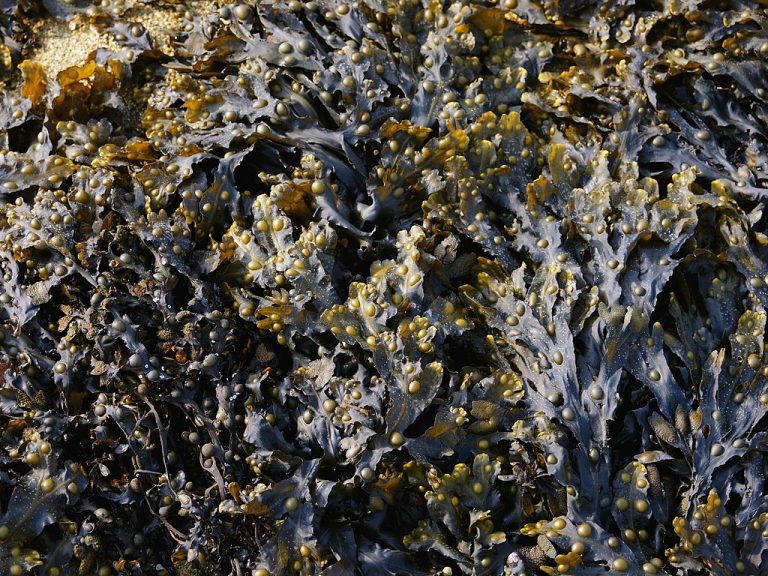
    Scientific Classification & Quick Facts Common name Bladderwrack Scientific name Fucus vesiculosus Kingdom Chromista Phylum Ochrophyta Class Phaeophyceae Order Fucales Family Fucaceae Genus Fucus Type Brown seaweed (alga) Habitat Rocky shores in brackish or sea water Native range Atlantic and Pacific coasts of the US and Europe Size Fronds about 1 m (3 ft) long…
  • Bay Leaf

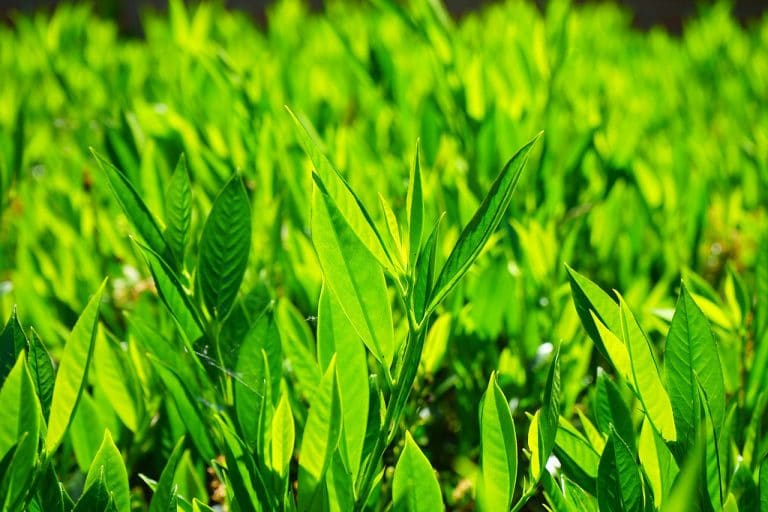
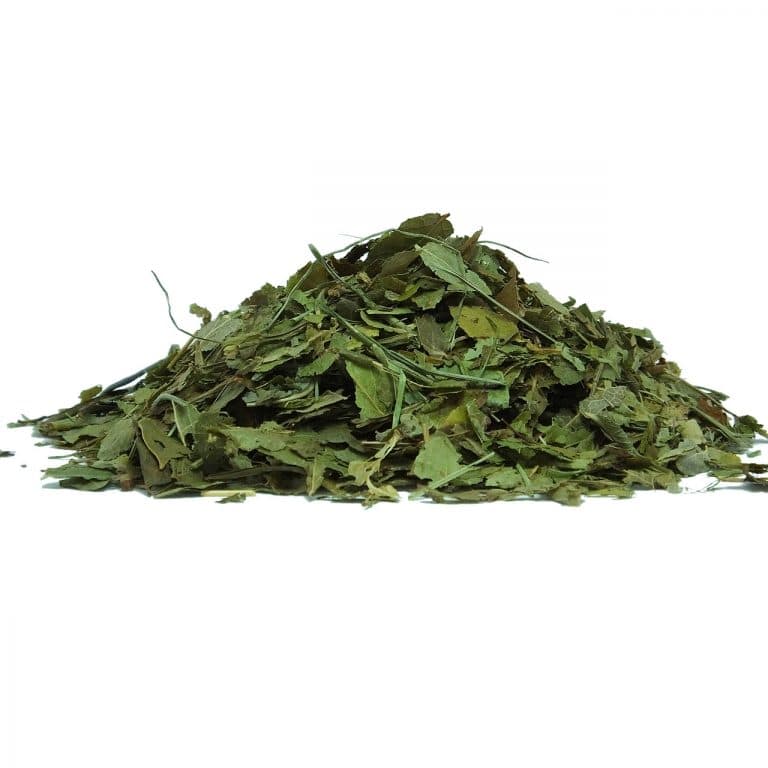
    The scientific name for bay leaf is Laurus nobilis (Lauraceae). The tree that bears bay leaves is called the laurel tree. Bay leaves are famous for their special flavor. They are used worldwide in various kinds of culinary applications. They have a different fragrance of their own. Bay leaves are used a lot in Mediterranean…

  • Bilberry

    Scientific Classification & Quick Facts Common name Bilberry Scientific name Vaccinium myrtillus Kingdom Plantae Phylum Tracheophyta Class Magnoliopsida Order Ericales Family Ericaceae Genus Vaccinium Type Low shrub with edible blue-black berries Habitat Acidic, nutrient-poor soil; heathland Native range Northern Hemisphere: Europe, northern Asia, Canada Colours Blue-black berries; pink urn-shaped flowers Edible parts Berries, fresh or…

  • Avena Sativa

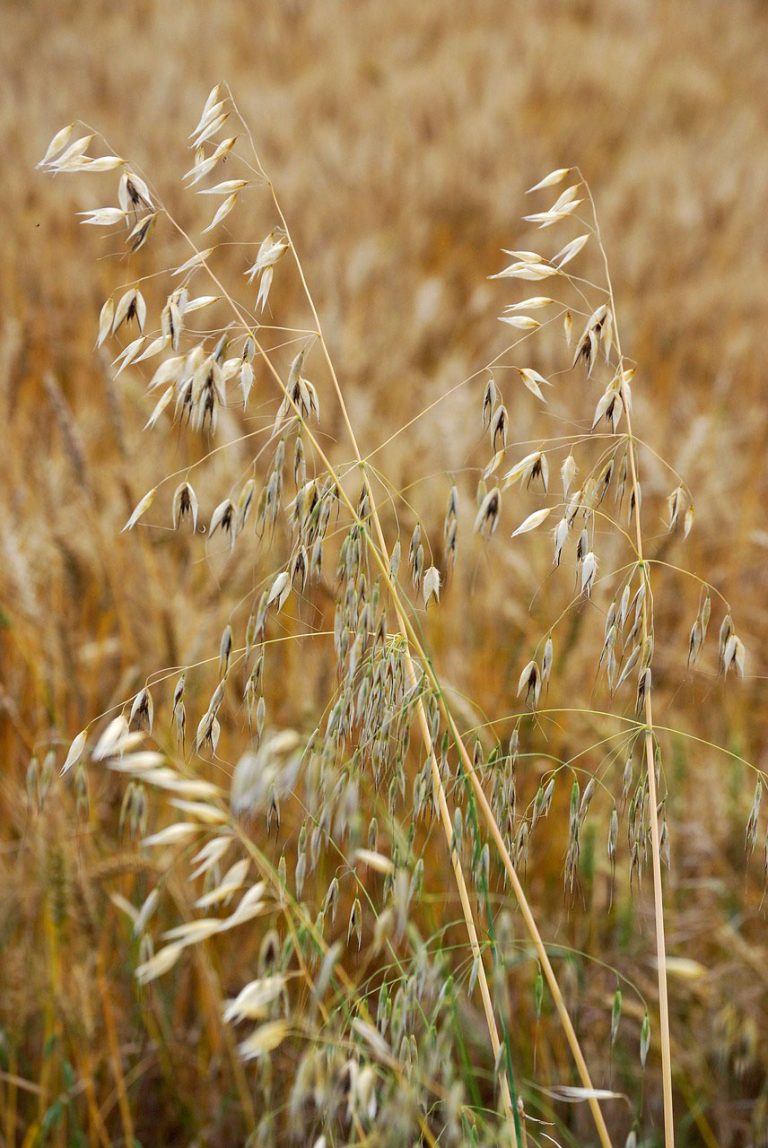
    Scientific Classification & Quick Facts Common name Oat Scientific name Avena sativa Kingdom Plantae Phylum Tracheophyta Class Liliopsida Order Poales Family Poaceae Genus Avena Type Cereal grass grown for its seeds Habitat Cool, moist climates; deep, well-drained soil Native range Europe and Asia Minor Height 1.5–3 ft Edible parts Seeds, eaten as oatmeal and rolled…

  • Basil

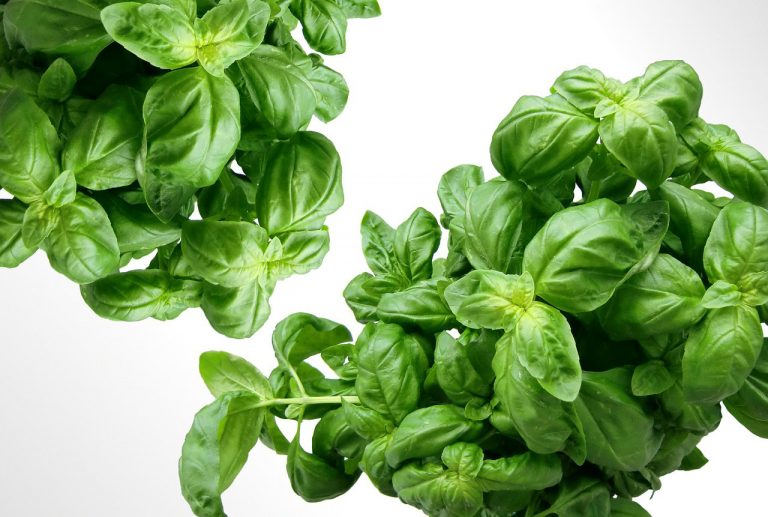
    Scientific Classification & Quick Facts Common name Basil Scientific name Ocimum basilicum Kingdom Plantae Phylum Tracheophyta Class Magnoliopsida Order Lamiales Family Lamiaceae Genus Ocimum Type Annual herb in the mint family Habitat Warm, sunny spots with rich, damp soil Native range India Colours White, spiky flowers Height 1–2 ft Edible parts Leaves, used in cooking…

  • Artichoke

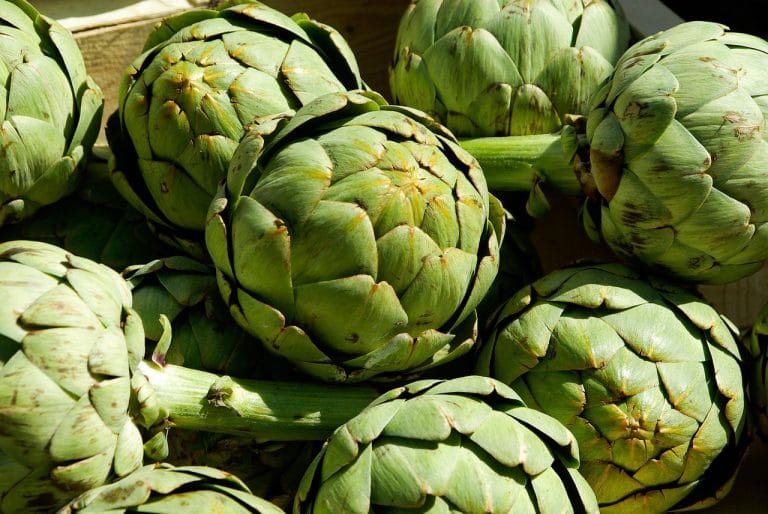
    Scientific Classification & Quick Facts Common name Globe artichoke Scientific name Cynara scolymus Kingdom Plantae Phylum Tracheophyta Class Magnoliopsida Order Asterales Family Asteraceae Genus Cynara Type Thistle-family perennial grown as a vegetable Native range Mediterranean region Size About 4 ft tall and 4–6 ft wide Edible parts Flower bud (heart) and leaves Special feature Prickly…

  • Ashwagandha

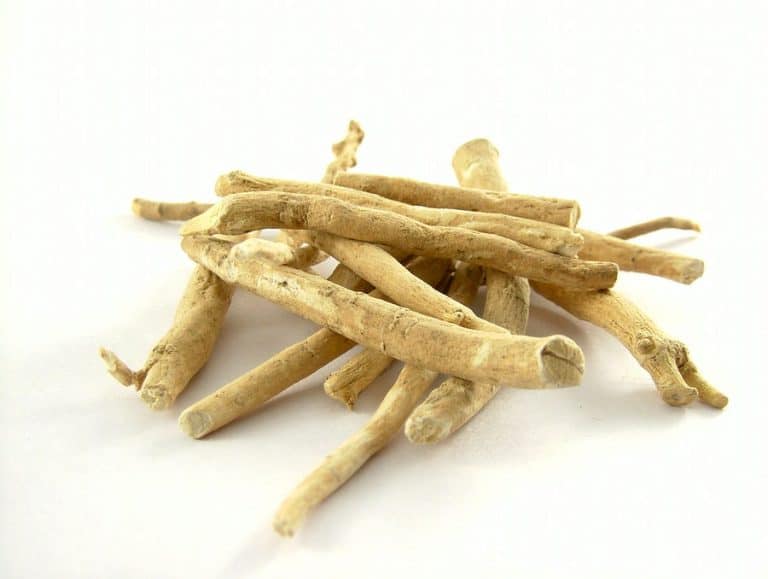
    Scientific Classification & Quick Facts Common name Ashwagandha Scientific name Withania somnifera Kingdom Plantae Phylum Tracheophyta Class Magnoliopsida Order Solanales Family Solanaceae Genus Withania Type Small shrub in the tomato family Habitat Dry, sunny places; sandy loam soil Native range India, Pakistan, Afghanistan and Sri Lanka Colours Small flowers; red fruit about raisin-sized Height 1.5…

  • Astragalus Menbranaceus

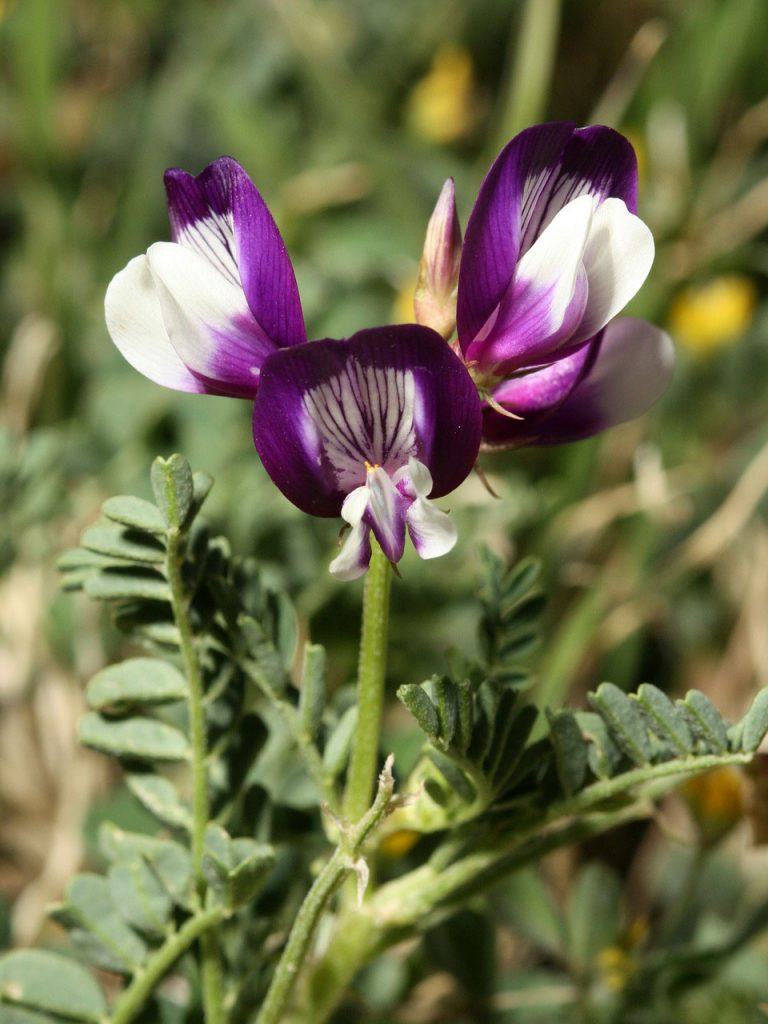
    Scientific Classification Kingdom:   Plantae (unranked):     Angiosperms (unranked):     Eudicots (unranked): Rosids Order:        Fabales Family:        Fabaceae Genus:        Astragalus Species:       A. Propinquus Binomial name:       Astragalus Propinquus Quick Facts Common name Astragalus Scientific name Astragalus membranaceus Type Perennial herb in the pea family Habitat Dry sandy soil, mountain thickets and meadows Native range Northeast…

  • Argan Oil

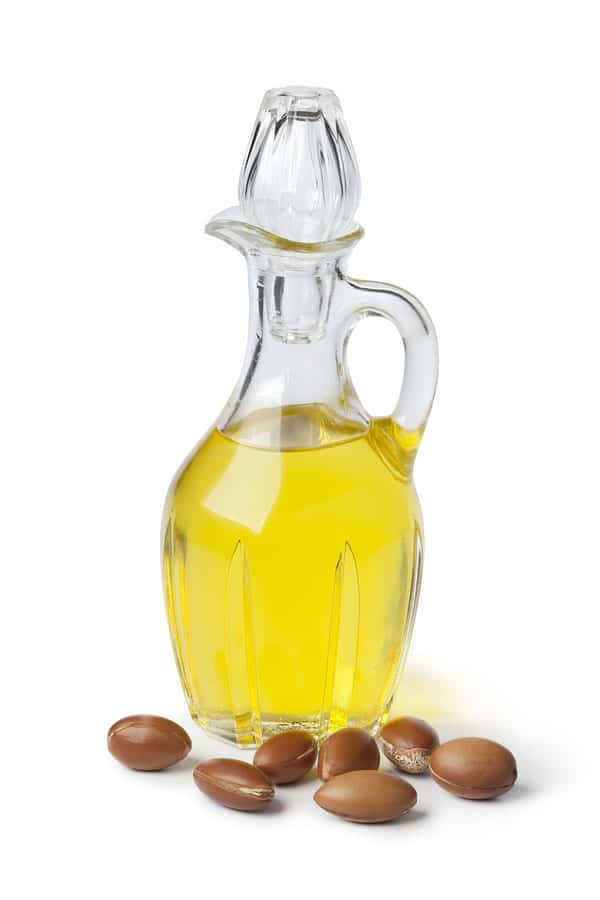
    Argan oil is a plant oil made from the kernels inside the fruit of the argan tree, whose scientific name is Argania spinosa. The tree grows naturally in southwestern Morocco, where people have cooked with argan oil for centuries. Moroccans dip bread in it at breakfast and drizzle it over couscous and other dishes. Today…

  • Arnica Montana

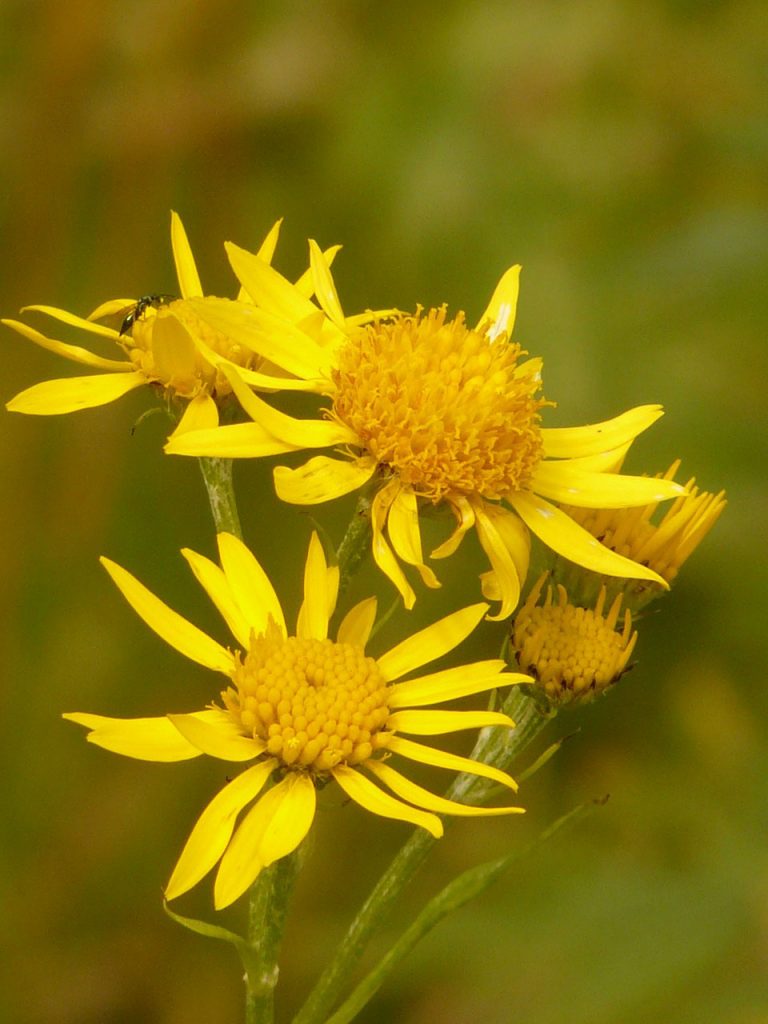
    Scientific Classification & Quick Facts Common name Arnica Scientific name Arnica montana Kingdom Plantae Phylum Tracheophyta Class Magnoliopsida Order Asterales Family Asteraceae Genus Arnica Conservation status Least Concern Type Perennial herb in the daisy family Habitat Mountain meadows, pastures, light forest; poor, acidic soil Native range Europe: southern Iberia to southern Scandinavia Colours Bright yellow…

  • Alfalfa

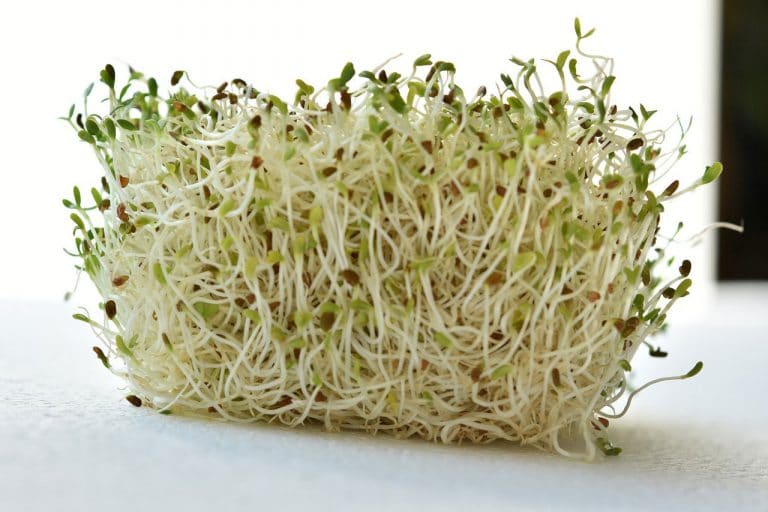
    Scientific Classification Alfalfa or Medicago Sativa is otherwise named Lucerne. This belongs to the pea family called Fabaceae and is a plant that flowers. In several countries all over the world, it is considered an essential forage crop. The name alfalfa which is Spanish-Arabic is used to a great extent, especially in Australia and North…

  • Aniseed

    Scientific Classification & Quick Facts Common name Aniseed Scientific name Pimpinella anisum Kingdom Plantae Phylum Tracheophyta Class Magnoliopsida Order Apiales Family Apiaceae Genus Pimpinella Type Annual herb in the carrot family Native range Southwest Asia and the eastern Mediterranean Size Seeds 3–6 mm long Colours Tiny white flowers Height Up to 90 cm Edible parts…