Artichoke
Scientific Classification
| Kingdom: | Plantae |
| (unranked): | Angiosperms |
| (unranked): | Eudicots |
| (unranked): | Asterids |
| Order: | Asterales |
| Family: | Asteraceae |
| Genus: | Cynara |
| Species: | C. Scolymus |
| Binomial name: | Cynara Scolymus |
The artichoke herb was introduced in the winter gardens of Texas based upon the strategies and the development plans to overcome the limitations of the climatic conditions that are important to the optimal growth of the tree. The strict rules and regulations on the underground resources of the aquifer (Wiki: an underground layer of water-bearing permeable rocks, including gravel, sand, etc.) dictates the efficiency of irrigation and also the restrictions on water applications. The cultivars are evaluated according to the difference in the bolting requirements and that too, at two different dates and also the dates of the irrigation. All this depends upon the cultivar.
History
Cordon is the natural occurring variant of the artichoke and is a native of the Mediterranean region. Artichoke has a history of being used as a food commodity among the Greeks and the Romans. In parts of North Africa, the artichoke is found in the wild even now. You can find them in Rome even now, and their seeds are still seen in those areas during the cultivation and excavation of the ancient Roman sites, during the period of Mons Claudianus in Egypt. There are many varieties of artichokes that were cultivated in Sicily. This has been evident from the classic period of the Greeks during the ancient times. The Greeks call them the Kaktos. In the ancient period the Greeks used to eat the heads of the flowers as well as the leaves of the plant. As time passed, the cultivation had improved from wild to modern. The name of the artichoke came from Arabic and, of late, the name was derived from medieval Spain
Anatomy
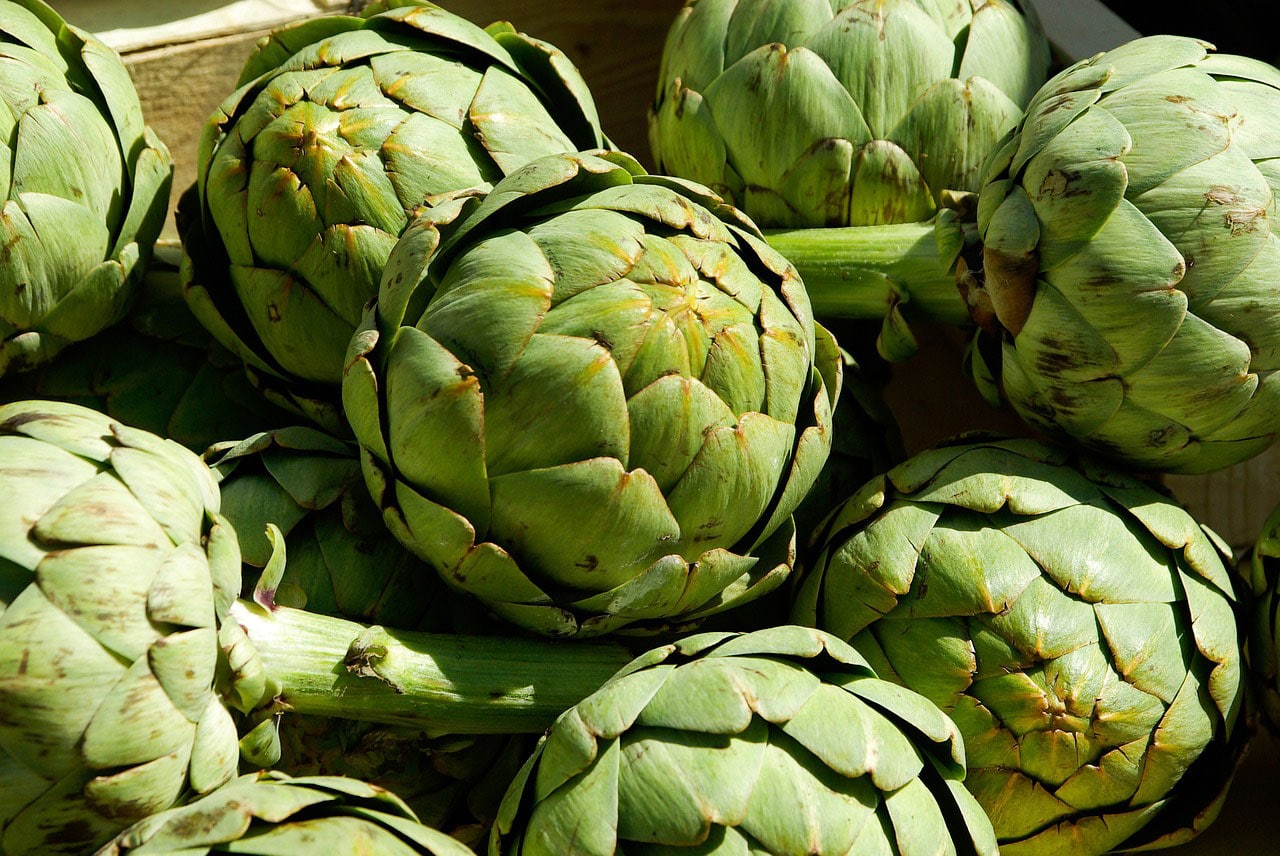
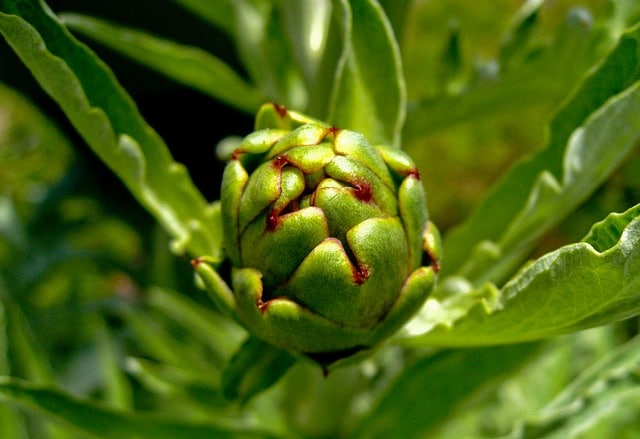
Visually the artichoke is very fascinating as they grow as a vegetable. The fruit of the artichoke plant is very tasty to eat and they look delightful too. The interesting part is that the artichoke is not a fruit or a flower, but is actually a bud of a plant. They belong to the thistle family. When the artichoke grows to the full stage of maturity, the size of the plant is 6 feet wide and 4 feet tall. The bud of the tree is supposed to be the heart of the tree. The appearance of the bud is interesting, shows a delightful meaty core topped by a center that is fuzzy and choked. The choke is surrounded by petals that are arranged in rows. This system supports the heart completely. The thistle heritage is revealed by the tiny thorns of the artichokes petals.
Habitat
Illinois is the natural habitat of the artichoke plant. You can see them all over parts of Illinois except a few. In a few counties of Illinois like the southern part and the northwestern part we cannot see the artichoke. There are two kinds of species of the artichoke plant. One is the wild variety and the other is the variety that is used for cultivation. The habitat includes thickets, roadsides, rail slides, slopes of ditches and drainages, miscellaneous waste areas etc.
Soil
Artichoke can survive in soils that are rich. During the spring season make sure you mix compost to the bed of your artichoke. A granulated mixture of organic fertilizer with a good balance of Phosphorous- nitrogen and potassium can also be mixed in equal proportions.
Planting
Artichokes like mild climates where they grow as perennials. They produce buds during the second growing season. The gardeners have to seed the artichokes when the climate is cooler, and do this annually if they need to get the buds every year
Watering
The water at the root has to be kept evenly moist all throughout the season.
Temperature and Humidity
We have to expose the young plants in the winter to the cooler temperatures. For this, we have to get the artichoke into behaving as if they have already made their first winter. Vernalization (Wiki: the acquisition of a plant’s ability to flower in the spring by exposure to the prolonged cold of winter, or by an artificial equivalent) is the subterfuge. Even before the last frost, start planting the seeds indoors 12 weeks before the normal time. You have to place the seeds in a cold frame for about 6 weeks, even before the last frost, during which time the temperature should be below 50 degrees. This should be for the first 6 weeks. You have to keep on opening the lid of the frame to make the temperature cool. When the dangers of the frost have disappeared, you can plant the seedlings outside. When the climate is warm, plant the divisions or set it as a 6 week old seedling. This can be done during the night time where the temperature stays above 50 constantly.
Uses
Consumption is the basic use of the artichokes. They can be eaten either in the cooked or in raw condition. The globe artichokes are used in many ways. They are used to make tea, to be canned, pickled, for the extraction of metabolites or they can be used for the extraction of liqueur. They are used for the making of alcohol.
Care
When you select a place to grow artichokes, make sure that you select a place where they will be growing for 5 years. Give the plant place to spread properly. As the plant needs a bigger place to grow as wide as 4 feet and tall at 4 feet, a proper bigger place has to be given to them; the artichokes grow well in shades as well as in full sunny areas.
Artichoke Curly Dwarf Virus
Powdery mildew and botrytis are the two common diseases that affect artichokes. They affect the leaves of the plant. Fungus is another disease that affects the plant and we can see a powdery coating on the leaves. This fungal infection thrives more in cold weather that when it is moist and warm. Another fungus that affects the artichoke is Botrytis Blight. This fungus prefers a cool and moist environment to thrive, and they lead the plant to collapse. The funguses are transmitted from one plant to another by the insects.
Having discovered a fondness for insects while pursuing her degree in Biology, Randi Jones was quite bugged to know that people usually dismissed these little creatures as “creepy-crawlies”.