Herbs

Long before modern kitchens and medicine cabinets, people relied on herbs for flavor, fragrance and folk remedies, and many of the same plants still grow in gardens today. Herbs are usually valued for their leaves, seeds, roots or bark, which contain aromatic oils that give them strong scents and tastes. Many are easy to grow on a sunny windowsill.

This collection profiles a wide range of plants, from cooking staples like basil and garlic to fast-spreading mint and catnip, the herb many cats find irresistible. Each guide explains where the plant comes from, how it grows and how people have traditionally used it.

  • Elderberry

    Elderberry, or elder, is a fast-growing shrub or small tree known for its big flat clusters of tiny white flowers and its dark purple berries. It belongs to the genus Sambucus, and people have used its flowers and fruit for food, drinks, and traditional remedies for thousands of years. Scientific Classification & Quick Facts Common…
  • Devil’s Claw

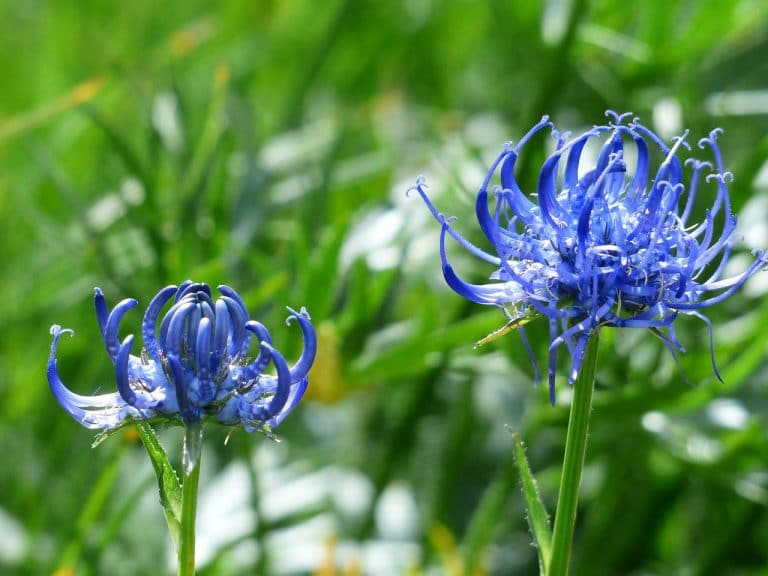
    Scientific Classification & Quick Facts Common name Devil’s claw Scientific name Harpagophytum procumbens Kingdom Plantae Phylum Tracheophyta Class Magnoliopsida Order Lamiales Family Pedaliaceae Genus Harpagophytum Type Flowering plant in the sesame family Habitat Sandy soil, open woodland, dry savanna Native range Southern Africa, including the Kalahari Colours Purple, pink or red trumpet flowers Edible parts…

  • Dill

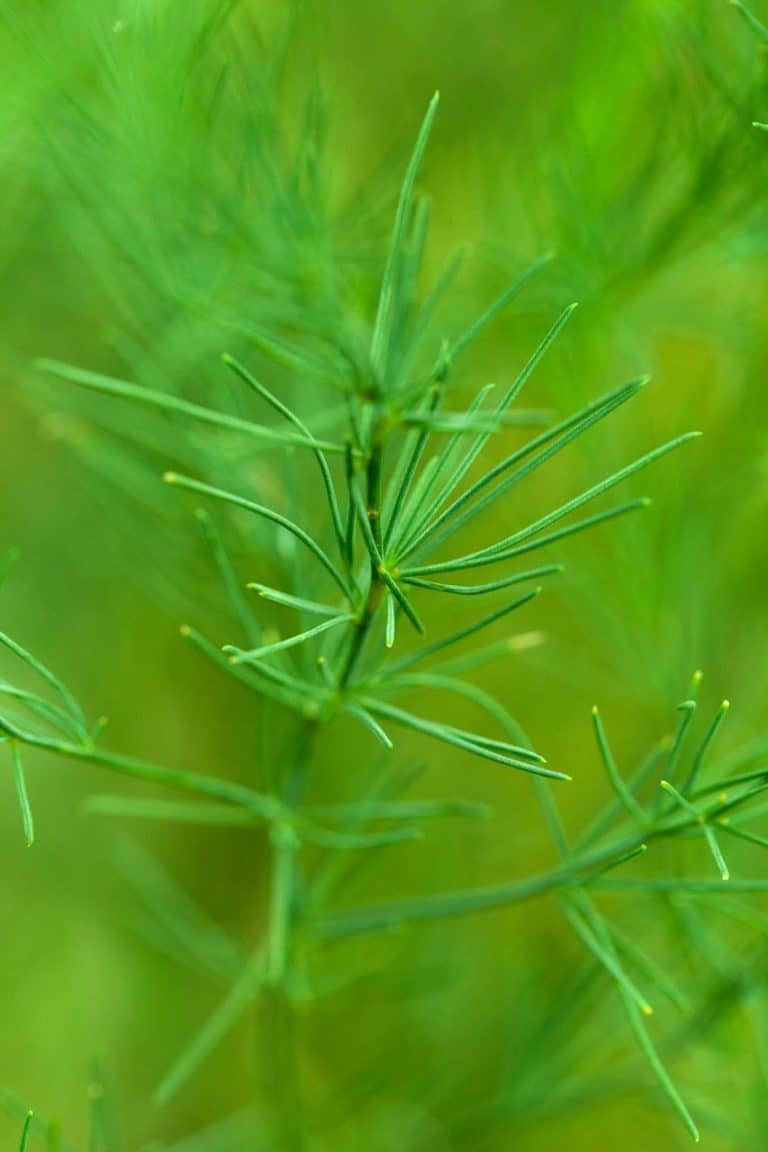
    Scientific Classification & Quick Facts Common name Dill Scientific name Anethum graveolens Kingdom Plantae Phylum Tracheophyta Class Magnoliopsida Order Apiales Family Apiaceae Genus Anethum Type Annual herb in the celery family Habitat Well-drained rich soil, sheltered from wind Native range Probably the Mediterranean region Colours Yellow to white flowers Height 40–60 cm Edible parts Leaves…

  • Damiana

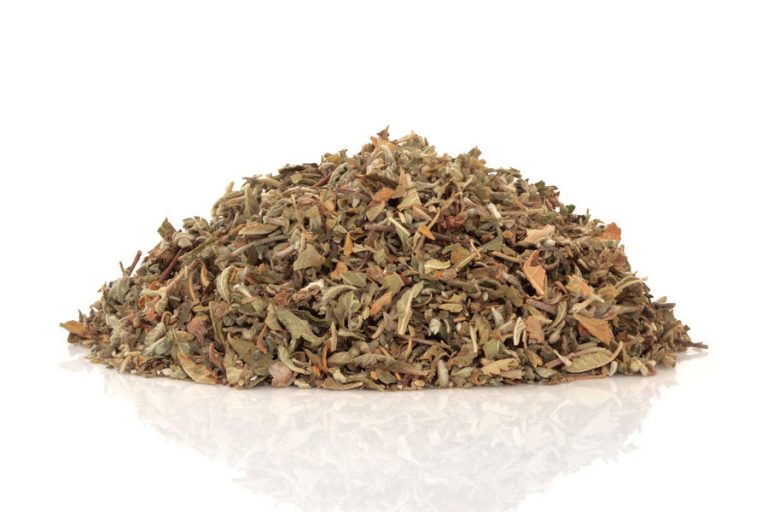
    Scientific Classification & Quick Facts Common name Damiana Scientific name Turnera diffusa Kingdom Plantae Phylum Tracheophyta Class Magnoliopsida Order Malpighiales Family Turneraceae Genus Turnera Conservation status Least Concern Type Small perennial shrub Habitat Hot, sunny, dry places; well-drained soil Native range Central and South America, Mexico, southwest Texas Colours Small yellow, fragrant flowers Flowering season…

  • Dandelion

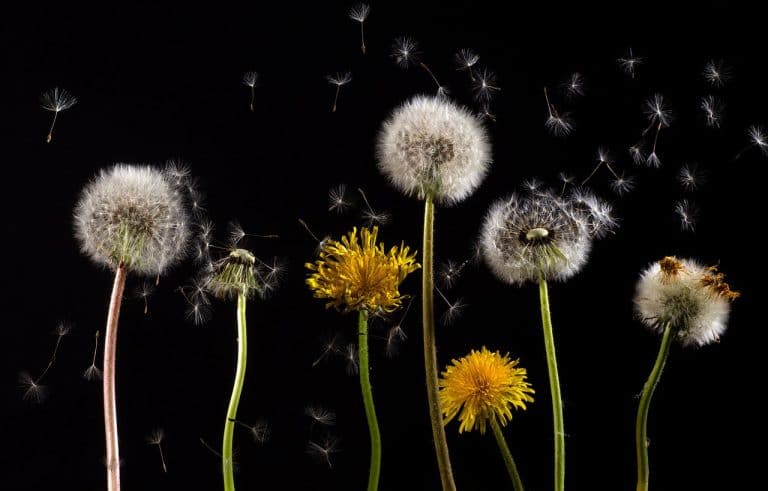
    Scientific Classification & Quick Facts Common name Dandelion Scientific name Taraxacum Kingdom Plantae Phylum Tracheophyta Class Magnoliopsida Order Asterales Family Asteraceae Type Flowering plant in the daisy family Habitat Lawns, waste ground, roadsides, pastures Native range Eurasia, North and South America Colours Yellow to orange flower heads Edible parts Leaves; roasted root is a coffee…

  • Cumin

    Scientific Classification & Quick Facts Common name Cumin Scientific name Cuminum cyminum Kingdom Plantae Phylum Tracheophyta Class Magnoliopsida Order Apiales Family Apiaceae Genus Cuminum Type Annual herb in the parsley family Habitat Warm, sunny, well-drained sandy soil Native range Eastern Mediterranean to India Colours Small pink or white flowers Flowering season Mid-summer Height 30–35 cm…

  • Daikon Radish

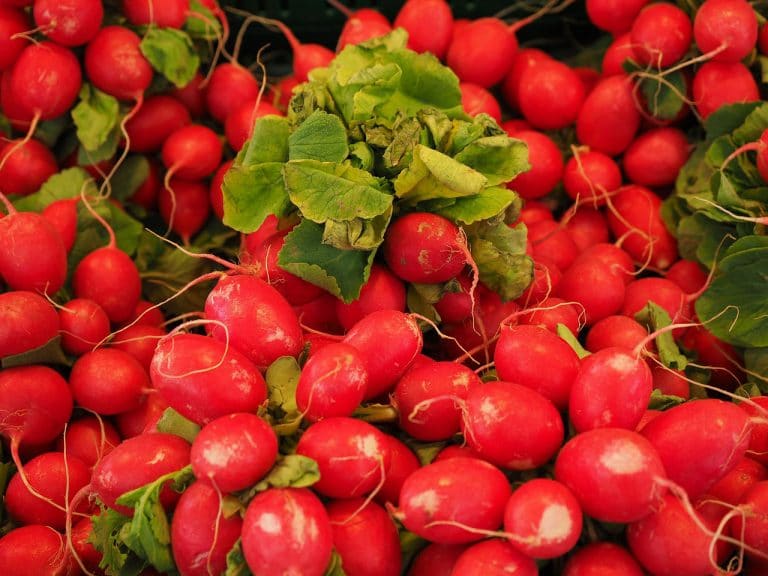
    Scientific Classification & Quick Facts Common name Daikon radish Scientific name Raphanus sativus Kingdom Plantae Phylum Tracheophyta Class Magnoliopsida Order Brassicales Family Brassicaceae Genus Raphanus Type Root vegetable in the mustard family Habitat Loose, well-drained, composted soil Native range Mediterranean, now grown across Asia Size Root 20–35 cm long, 5–10 cm wide Colours White root…

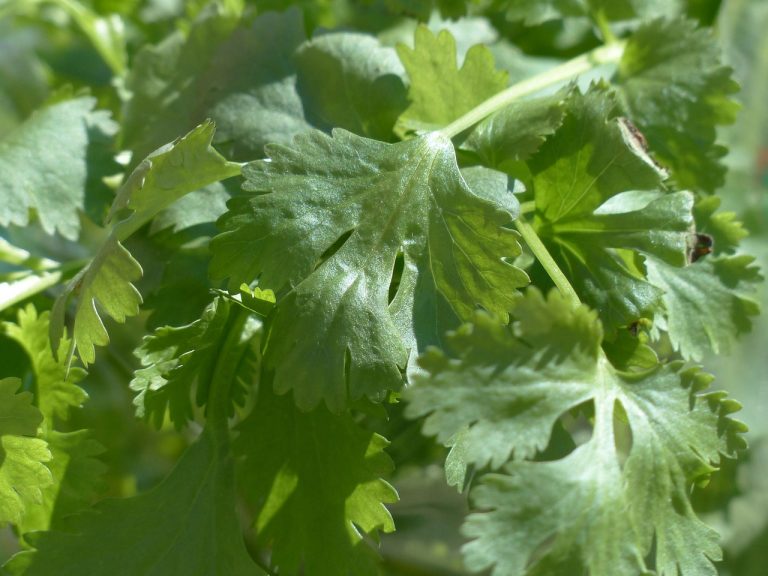
  • Coriander

    Scientific Classification & Quick Facts Common name Coriander Scientific name Coriandrum sativum Kingdom Plantae Phylum Tracheophyta Class Magnoliopsida Order Apiales Family Apiaceae Genus Coriandrum Type Annual herb Habitat Light, well-drained soil in sunny spots Native range Southern Europe, North Africa, southwest Asia Colours Pale pink and white flowers Height About 50 cm Edible parts Leaves…

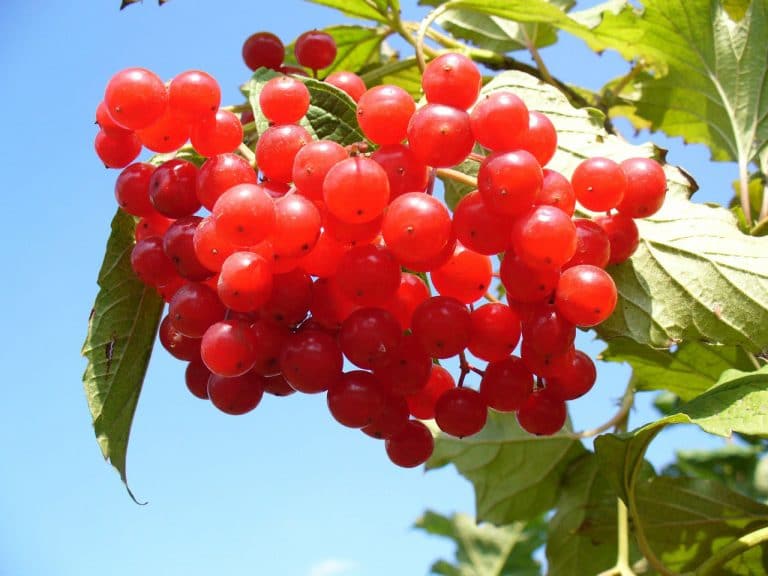
  • Cranberry

    Scientific Classification & Quick Facts Common name Cranberry Scientific name Vaccinium macrocarpon Kingdom Plantae Phylum Tracheophyta Class Magnoliopsida Order Ericales Family Ericaceae Genus Vaccinium Conservation status Least Concern Type Low evergreen shrub or creeping vine Habitat Wetlands, bogs and marshes Native range Wetlands of North America Colours Deep pink flowers Height 5–20 cm tall Edible…

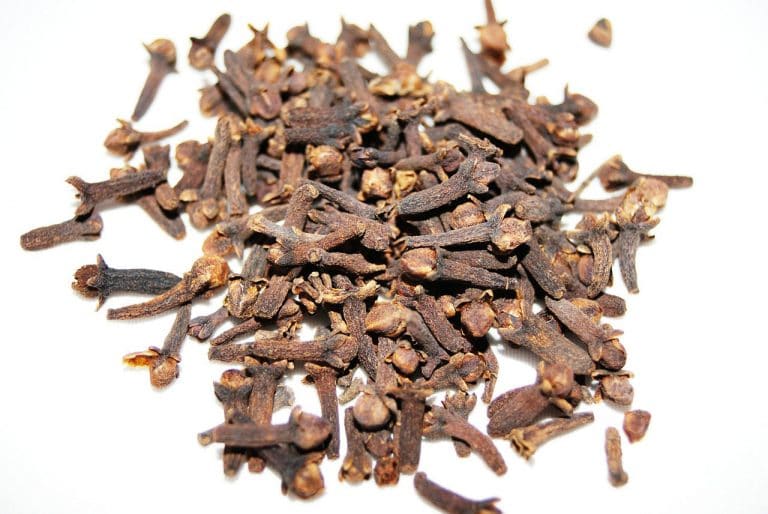
  • Cloves

    Cloves are the dried flower buds of the clove tree (Syzygium aromaticum), an evergreen tree in the myrtle family (Myrtaceae). They come originally from the Maluku Islands of Indonesia and are used all over the world as a warm, strong-tasting spice. Scientific Classification & Quick Facts Common name Clove Scientific name Syzygium aromaticum Kingdom Plantae…

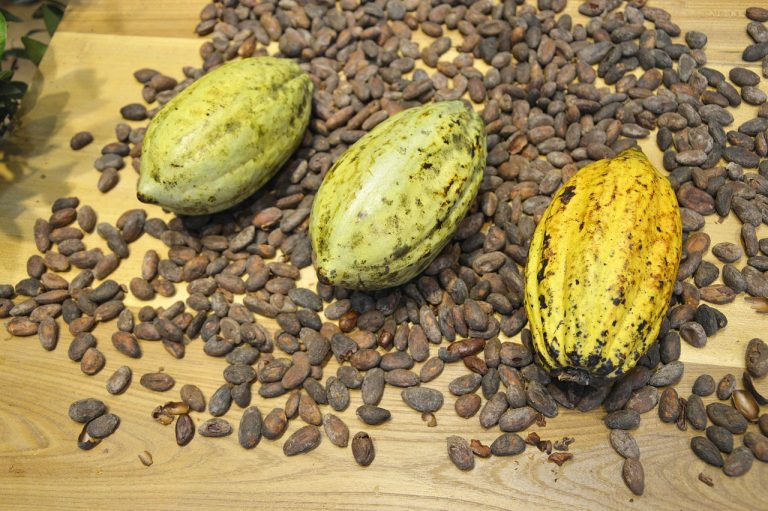
  • Cocoa Beans

    Scientific Classification The cocoa bean, otherwise known as cacao bean or just cocoa or merely cacao is the completely fermented and dried fatty seed of the Theobroma Cacao. It is from this that cocoa butter and cocoa solids are extracted. This is the base from which chocolate is made and also the base of several…

  • Cinnamon

    Scientific Classification & Quick Facts Common name Cinnamon Scientific name Cinnamomum verum Kingdom Plantae Phylum Tracheophyta Class Magnoliopsida Order Laurales Family Lauraceae Genus Cinnamomum Conservation status Vulnerable Type Tropical evergreen tree Habitat Hot, humid tropical climates Native range Sri Lanka is the main source of true cinnamon Lifespan 30–40 years in the wild Height 20–30…