Herbs

Long before modern kitchens and medicine cabinets, people relied on herbs for flavor, fragrance and folk remedies, and many of the same plants still grow in gardens today. Herbs are usually valued for their leaves, seeds, roots or bark, which contain aromatic oils that give them strong scents and tastes. Many are easy to grow on a sunny windowsill.

This collection profiles a wide range of plants, from cooking staples like basil and garlic to fast-spreading mint and catnip, the herb many cats find irresistible. Each guide explains where the plant comes from, how it grows and how people have traditionally used it.

  • Cissus Quadrangularis

    Cissus quadrangularis is a fleshy, climbing vine in the grape family that looks a bit like a string of green, four-sided sausages. It is also called veldt grape, devil’s backbone, adamant creeper and hadjod, and it has been used in traditional medicine in India and Africa for a very long time. Scientific Classification & Quick…
  • Chinese Herbs

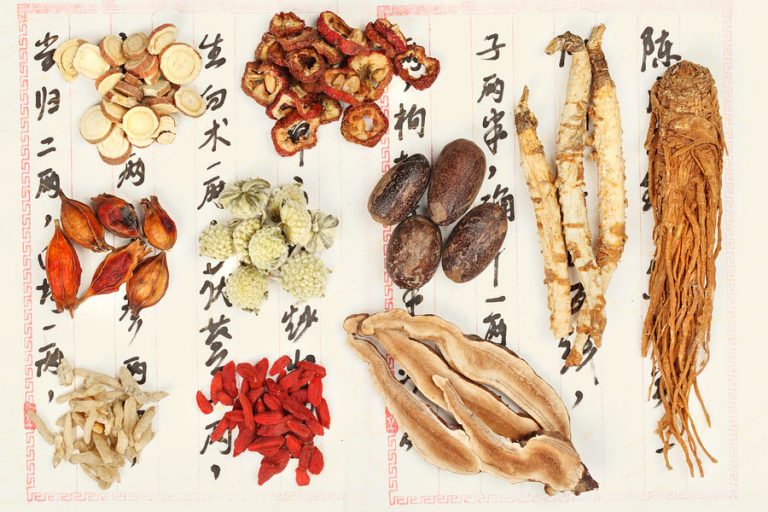
    The Chinese traditions have fascinated us from its ancient history, and continue to do so to the present day, especially its medicines and herbs. The herbs of China and Japan are of immense value and the scientists of both countries have claimed credit for putting them to use. . Their arguments have proved to be…

  • Cilantro

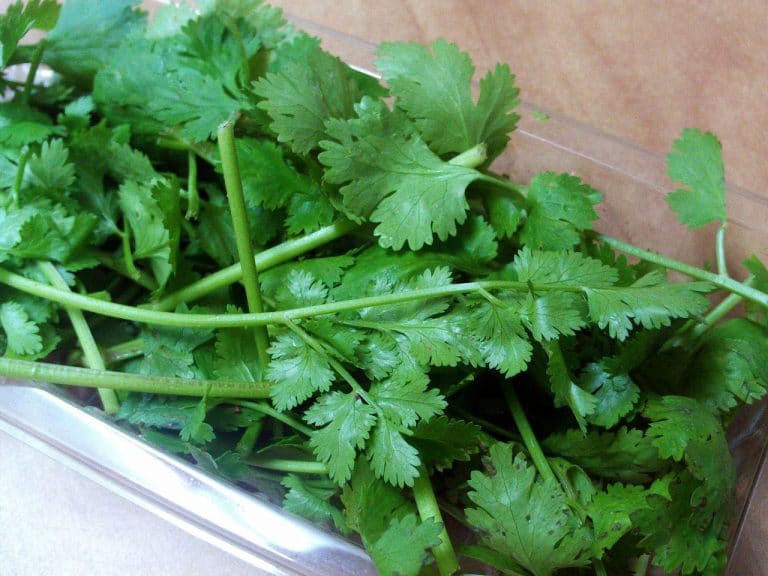
    Cilantro is the leafy part of the coriander plant (Coriandrum sativum), a fast-growing herb in the carrot and parsley family. People eat its fresh leaves as cilantro and its dried seeds as the spice coriander. It is also called Chinese parsley or dhania. Scientific Classification & Quick Facts Common name Cilantro Scientific name Coriandrum sativum…

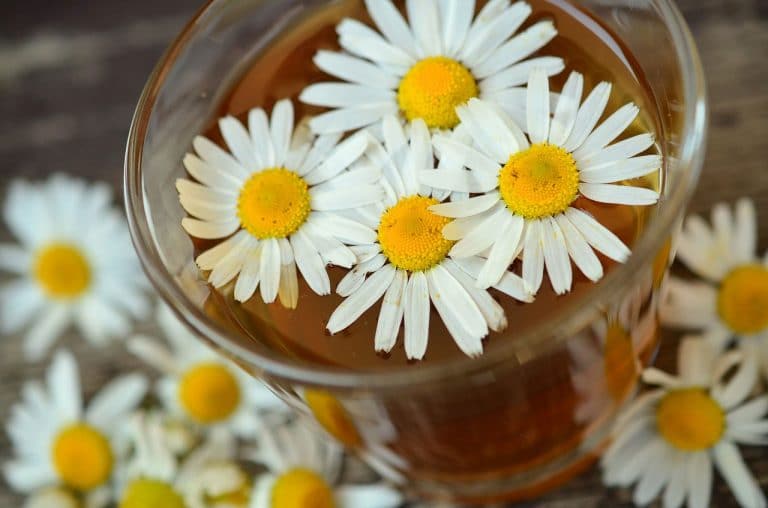
  • Chamomile

    Scientific Classification & Quick Facts Common name German chamomile Scientific name Matricaria chamomilla Kingdom Plantae Phylum Tracheophyta Class Magnoliopsida Order Asterales Family Asteraceae Genus Matricaria Type Annual flowering herb Habitat Sunny spots, even poor soil Native range Europe Colours White petals, yellow centres Height Stems 15–60 cm tall Edible parts Flowers, used for tea Classification:…

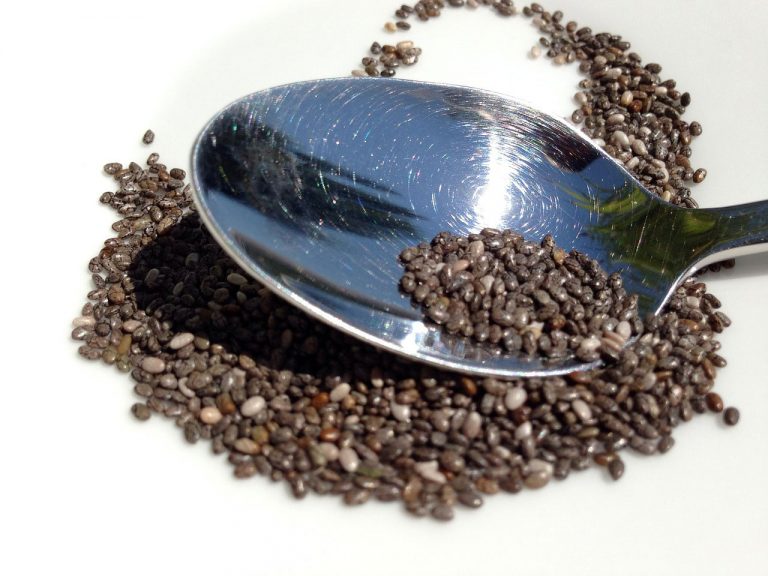
  • Chia Seeds

    Chia (Salvia hispanica) is a flowering plant in the mint family, grown for its tiny, nutritious seeds. Native to Mexico and Guatemala, it was an important food crop for the Aztecs and is now eaten all over the world in puddings, drinks, and baked goods. Scientific Classification & Quick Facts Common name Chia Scientific name…

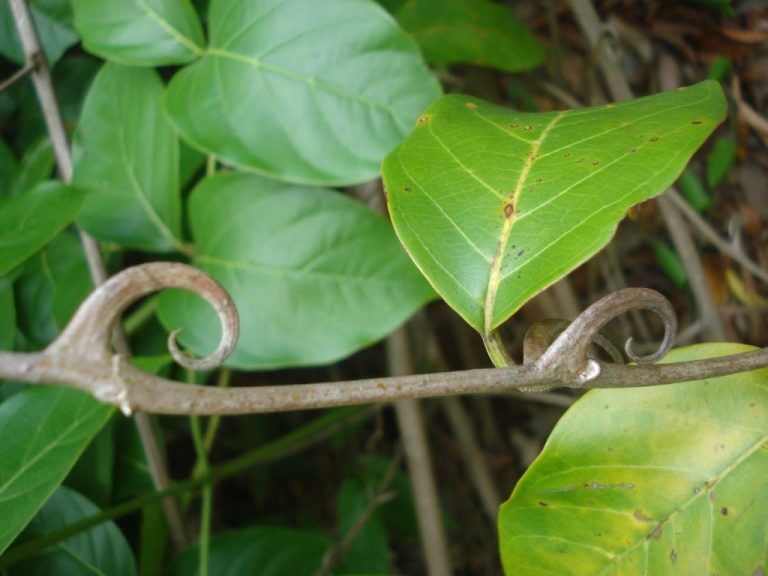
  • Cat’s Claw

    Scientific Classification & Quick Facts Common name Cat’s claw Scientific name Uncaria tomentosa Kingdom Plantae Phylum Tracheophyta Class Magnoliopsida Order Gentianales Family Rubiaceae Genus Uncaria Type Woody climbing vine Habitat Tropical rainforest Native range Central and South America, including the Amazon Colours Yellow or pale orange trumpet flowers Height Up to 100 ft Special feature…

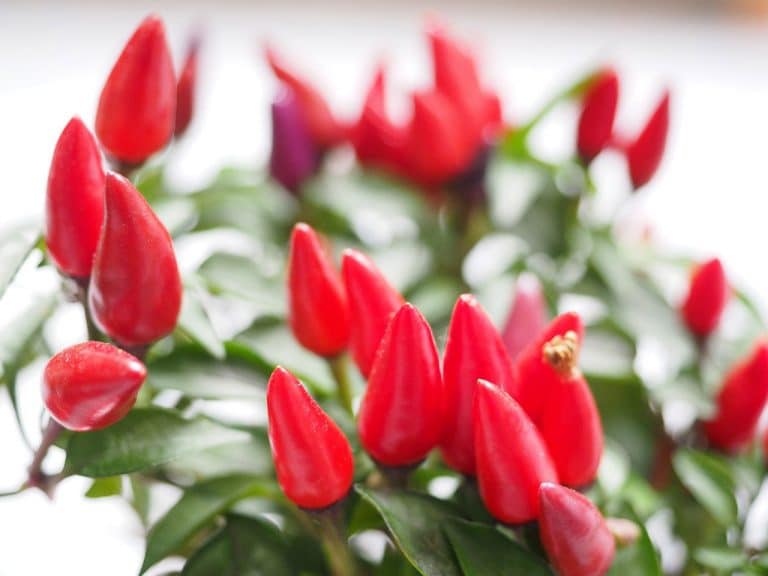
  • Cayenne

    In Central and South America, we can see a special species of capsicum called Capsicum Annuum which is native to these regions. It is from the nightshade family. There are five domesticated species of capsicum and the most common among them is the Capsicum Annuum. They are very widely cultivated for culinary use. All five…

  • Butterbur

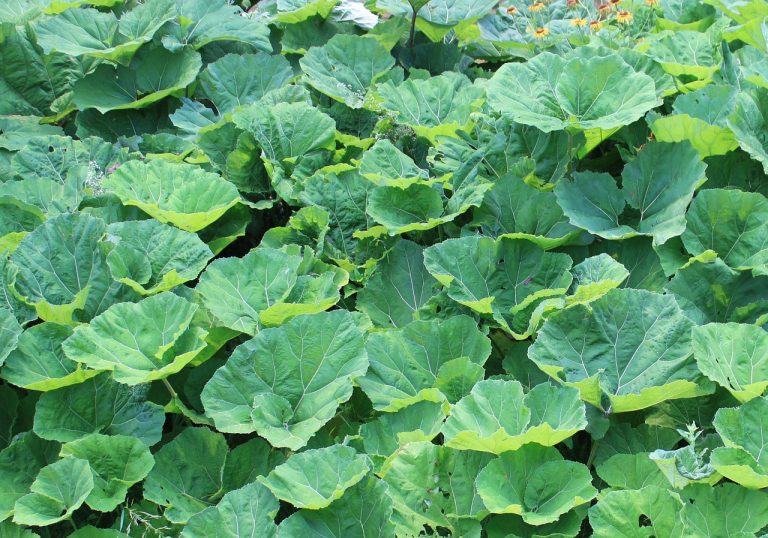
    Scientific Classification & Quick Facts Common name Butterbur Scientific name Petasites hybridus Kingdom Plantae Phylum Tracheophyta Class Magnoliopsida Order Asterales Family Asteraceae Genus Petasites Type Perennial herb with creeping underground stems Habitat Marshes, ditches, lake shores and riverbanks Native range Europe and northern Asia Size Leaves up to 2 ft wide Colours Pink to reddish-violet…

  • Catnip

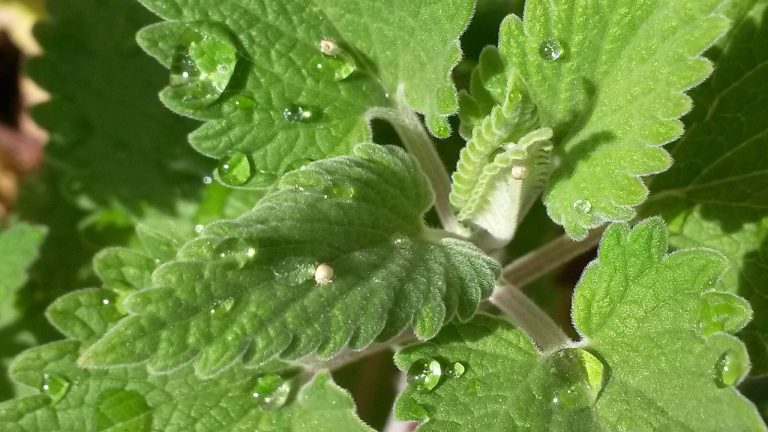
    Scientific Classification & Quick Facts Common name Catnip Scientific name Nepeta cataria Kingdom Plantae Phylum Tracheophyta Class Magnoliopsida Order Lamiales Family Lamiaceae Genus Nepeta Type Short-lived perennial herb in the mint family Habitat Open woodland, meadows and disturbed ground Native range Eastern and southern Europe, Central Asia, Middle East Colours White flowers with pink or…

  • Borage

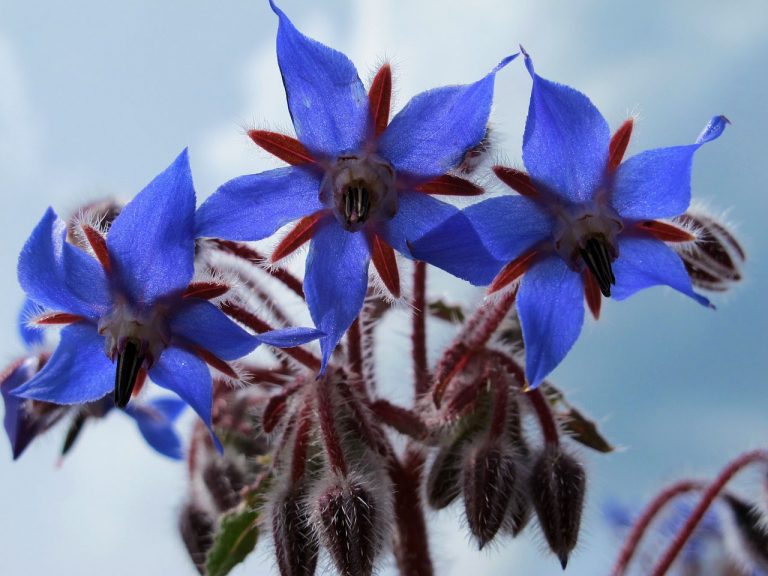
    Scientific Classification & Quick Facts Common name Borage Scientific name Borago officinalis Kingdom Plantae Phylum Tracheophyta Class Magnoliopsida Order Boraginales Family Boraginaceae Genus Borago Type Hardy annual herb, also called starflower Habitat Sunny gardens with well-drained soil Native range Mediterranean region Colours True-blue, star-shaped flowers Height 60–100 cm Edible parts Leaves and flowers, cucumber-flavoured Special…

  • Burdock

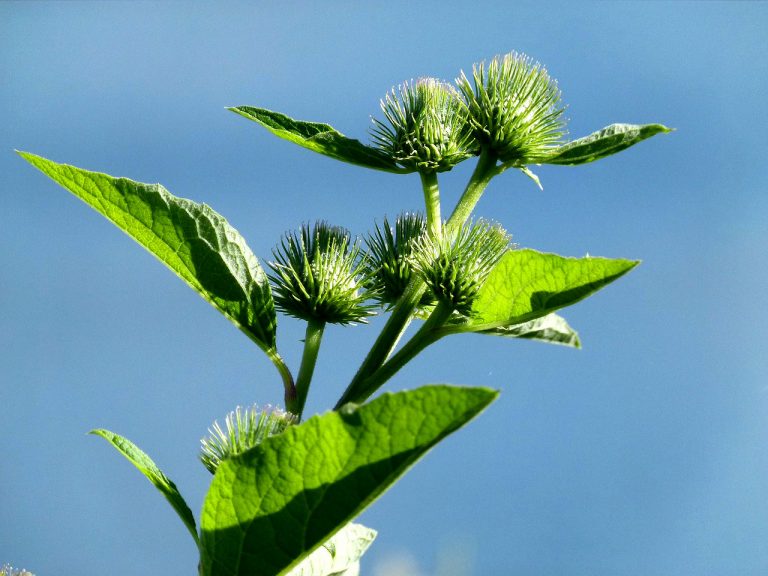
    Scientific Classification & Quick Facts Common name Burdock Scientific name Arctium Kingdom Plantae Phylum Tracheophyta Class Magnoliopsida Order Asterales Family Asteraceae Type Biennial herb in the thistle family Habitat River banks, roadsides, fields and vacant land Colours Purple flowers Flowering season July to October Height 3–4 ft Edible parts Tender leaves and roots Classification: GBIF…

  • Black Cohosh

    Scientific Classification & Quick Facts Common name Black cohosh Scientific name Actaea racemosa Kingdom Plantae Phylum Tracheophyta Class Magnoliopsida Order Ranunculales Family Ranunculaceae Genus Actaea Type Perennial herb in the buttercup family Habitat Rich woodland, up to about 4,000 ft Native range Eastern North America Colours Tall spikes of white flowers Flowering season Late spring…