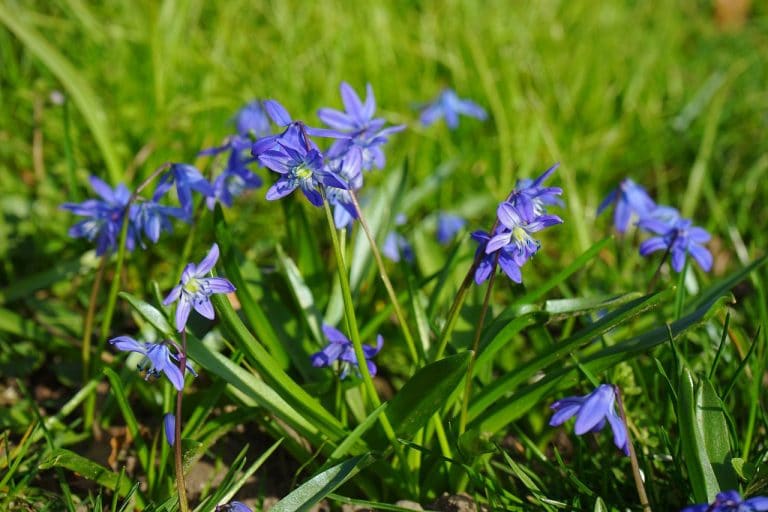

Chamomile
Scientific Classification
| Kingdom: | Plantae |
| (unranked): | Angiosperms |
| (unranked): | Eudicots |
| (unranked): | Asterids |
| Order: | Asterales |
| Family: | Asteraceae |
| Tribe: | Anthemideae |
| Genus: | Matricaria |
| Species: | M. Chamomilla |
| Binomial name: | Matricaria Chamomilla |
There are many names for Matricaria Chamomilla. They go by the name of German chamomile, Hungarian chamomile, wild chamomile, or chamomile; they are also known as scented mayweed. They are annual plants and they belong to the combined Asteraceae family. M Chamomilla is well known as a source of certain herbal products. There are certainly other species also that are used and are graded under chamomile.
History
The chamomile is a very ancient medicinal herb that is well known in Egypt, Greece and Rome. The popularity of the chamomile grew with the discovery that chamomile has great medicinal value. Chamomile provides relief for many health conditions such as asthma, fever, colic problems, nausea, skin diseases, cancer, inflammation and nervous disorders. We can even say that chamomile is a European counterpart for the Chinese medicine, Ginseng.
Anatomy
The stem of chamomile is branched, erect and smooth. The stem grows from 15 to 60 centimeters and the leaves of the plant are narrow and long. The leaves are tripinated. You can find the flowers like Paniculated (loosely branched inflorescence in a raceme that is branched) flower heads. The florets are furnished with ligule (Leaf part found at the junction of the leaf sheath and blade and they are white in color. Sometimes you can also see the disc florets yellow in color.
Habitat

These are endemic to Europe. You can see them in many countries over all the areas of Europe. Many countries cultivate chamomile for commercial purpose. Countries like Spain, Italy, and Egypt, France, Germany, morocco and parts of Europe cultivate them. They need the best conditions to grow well. Different varieties of plants have distinctive requirements for their growth. There are sweet and bitter varieties in the chamomile species. The Roman chamomile is a perennial plant. They live for more than 2 years. They grow close to the ground. They have very small blossom flowers. They are bitter in taste when used in tea. The German chamomile is a sweet variety and they are annual plants. There flowers are bigger and they grow up to three feet.
Growing at Home
Soil
For the chamomile to grow well the soil does not need to be too rich in organic content. They have flowers when there is good sunlight. The chamomiles will grow well even if the soil is not very rich or fertile. But if they grow in poor soil, the stem will be a flop. They are not very particular about the pH of the soil. If the soil is neutral, then the plant will grow well.
Planting
Chamomile is not a bedding plant (several plants grown, in quantity, in flats or pots). They tend to get flop and grow poorly if they are paired with formal and imposing plants. They can be grown in pots and they can be included in a vegetable or herb garden. They can also be grown inside the house.
Watering
During the initial stage, water them regularly on a daily basis. Make sure you allow the base to dry for some time and then water them later and soak the roots of the plant. Never over-water them.
Temperature
10 to 20 degrees is the best temperature for the chamomile seed to germinate. They will not grow if the temperature is freezing.
Uses
The uses of chamomile are many. They are used for medicinal purpose, they are used for cosmetic purposes, culinary uses, decorative purposes because of their beauty, aromatic uses and cosmetic use The dried leaves and the flowers of Chamomile is used are used to scent potpourris and also in the manufacture of skin lotion. They are also used for soothing baths. Blonde hair gets a golden highlight with the use of chamomile. You can use the fresh flowers to decorate the salads. They are used to make beverages and also to make tea. You can also use them to make dye. Apart from all this they can be used to serve as lawns.
Care
During the initial stages good care has to be given to the chamomile. During the seeding period make sure you seed them in small containers after which, you can transplant them when they grow sufficiently to be handled. Until they grow well, keep them well watered. Fertilize them properly to grow healthy.
Pests and Disease
The chamomile does not get affected too many pests. They dont get too many diseases. Still make sure you look out for aphids and mealy bugs. They are the only pests that can affect the chamomile plant.

Having discovered a fondness for insects while pursuing her degree in Biology, Randi Jones was quite bugged to know that people usually dismissed these little creatures as “creepy-crawlies”.