Cilantro
Scientific Classification
| Kingdom: | Plantae |
| (unranked): | Angiosperms |
| (unranked): | Eudicots |
| (unranked): | Asterids |
| Order: | Apiales |
| Family: | Apiaceae |
| Genus: | Coriandrum |
| Species: | C. sativum |
| Binomial name: | Coriandrum sativum |
People refer to coriander (Coriandrum sativum) as Dhania, Chinese parsley or Cilantro. This is a yearly yielding herb belonging to the Apiaceae family. Coriander / cilantro grows in fall and spring. Where the climate is cool, it grows fast.
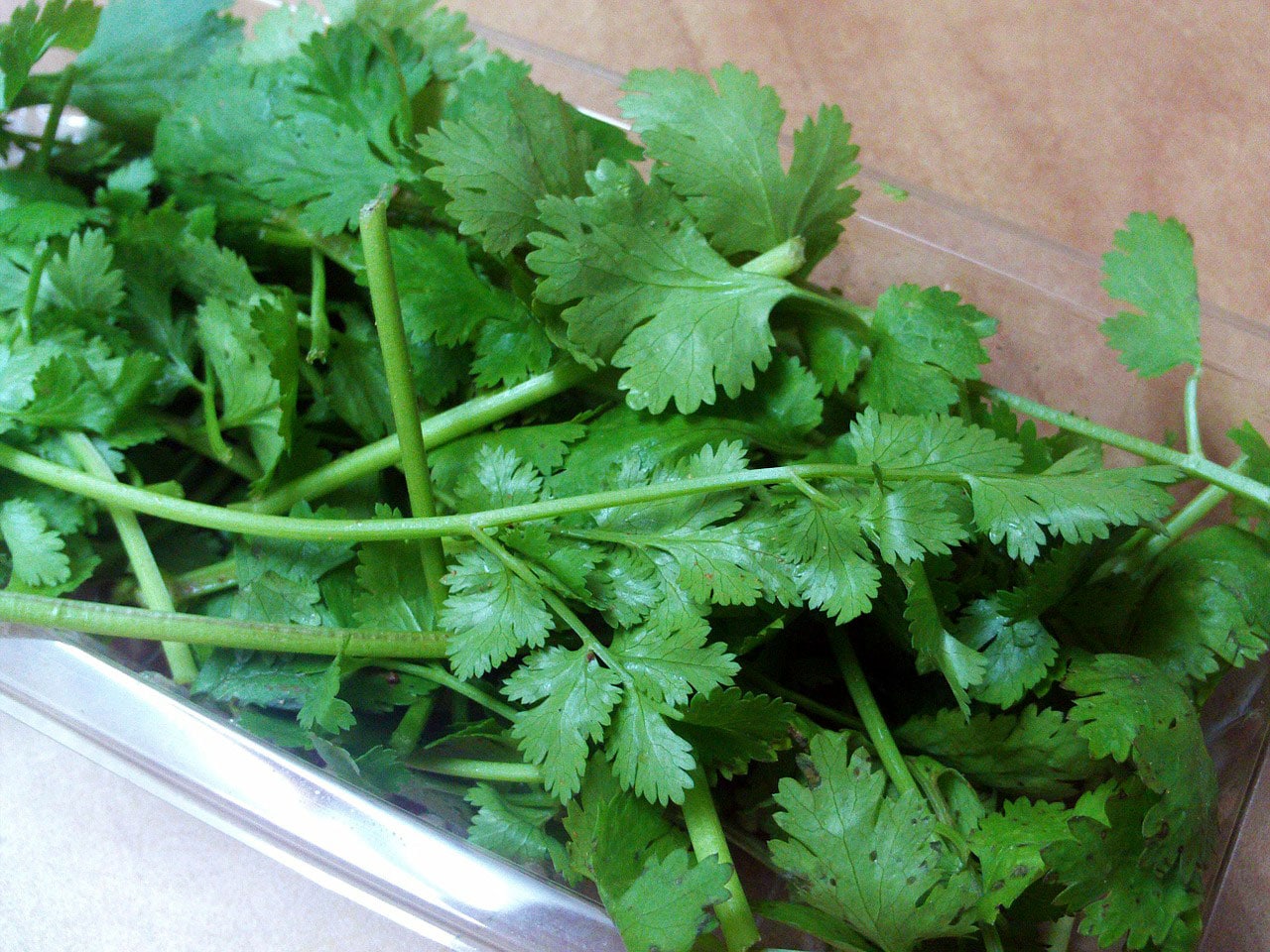
The Cilantro herb, with its strong scented leaves, gives flavor to most of the recipes and the plant is edible.
We call the seeds as coriander seeds, and the leaves as cilantro.
Anatomy
This tender plant grows to a height of 50cm (20 inches). The leaves differ in shape, their lobes are broad at the bottom of the plant, and thins like a feather towards the top where the stem blossoms. The asymmetrical flowers held in tiny umbels; they are very pink or white, and some of the petals are longer (5-6 mm) than the umbel and protrude out of the center of the umbel, and others (1-3 mm in length) point towards the umbel.
Habitat
Coriander spreads through the regions of the Northern Africa, Southern part of Europe and Southwest Asia.
How to Grow Cilantro at Home
Soil and Planting
Coriander grows well in properly drained soil and in sunny areas.
Planting
- Do plant your cilantro during fall or in the spring towards the end of frost date. In the Southwestern regions, planting in the fall allows the herb to continue growing until spring when the climate is once again starts heating up.
- Never grow cilantro during the hot summer months. The plants tend to bolt (crops prematurely producing flowering stem/stems prior to harvesting) the plants. The leaves are likely to have a bitter flavor when you grow them on bolted plants.
- It is ideal to select a sunny location that permits the cilantro self-germinate as it normally does. Plant your cilantro in a nook of your vegetable garden or in an especially dedicated herb garden. Plant the coriander seeds 1 -2 inches apart in a properly drained soil. In order to repeat the harvest, sow your seeds at an interval of three weeks.
Watering
- Water the seedlings frequently right through the season of its growth. For proper growth, they need almost one inch of water every week. After the plants stabilize, the water requirement diminishes week. Retain the moisture in the soil, but never water them in excess.
Flowering and maturing
During warm weather, the life cycle of the plant will end and emerge as a long stalk generating flowers, and afterwards seeds. Tiny plants will emerge at this time and in the coming spring.
Care
Plant the seedlings six inches apart, giving them enough space for a healthy leaf growth. Use nitrogen fertilizers one or two times during its growing period, use a quarter cup in a row of 25 feet. Be certain, that you never over fertilize your plants.
To protect your plants from weeds, put mulch right round the plant immediately after they show up above the soil. Slightly till the soil to protect your roots from the attack of weeds.
Pests and pesticides
- Mildew
- Fungal wilt
- Aphids
- Leaf hoppers
Whenever you spot an insect below the leaf, apply insecticidal soap to control them.
To stop mildew and wilt, clear up the dead plant debris.
Harvest Month and Storage
- Reap it when the plant is short. When the cilantro’s stalk grows, wait for the seeds to drop and permit it to germinate on its own, and then lance away the plant.
- Cut the big leaves separate from the plants. As for the small leaves, lance them at a length of 1 ½ to 2 inches above the crown.
- For storing your coriander seeds, remove the seed heads when the plant starts turning brown, and place them in a paper bag. Suspend the bag until the plant dries and the seeds fall off. This helps you to gather the seeds and store them in enclosed containers.
- When required, reap fresh coriander leaves. Since the coriander, a seed ripen and scatter fast, cut the whole plant immediately after the flowers and leaves turn brown, tie up the plants in bundles and suspend them headlong down, use paper bags held tightly round the heads of the flowers to collect the dry coriander seeds.
Varieties
- Slow-bolting types, like ’long standing’,’ leisure’ and ‘Costa Rica’ are the right selection for the best leaves.
Having discovered a fondness for insects while pursuing her degree in Biology, Randi Jones was quite bugged to know that people usually dismissed these little creatures as “creepy-crawlies”.