Herbs

Long before modern kitchens and medicine cabinets, people relied on herbs for flavor, fragrance and folk remedies, and many of the same plants still grow in gardens today. Herbs are usually valued for their leaves, seeds, roots or bark, which contain aromatic oils that give them strong scents and tastes. Many are easy to grow on a sunny windowsill.

This collection profiles a wide range of plants, from cooking staples like basil and garlic to fast-spreading mint and catnip, the herb many cats find irresistible. Each guide explains where the plant comes from, how it grows and how people have traditionally used it.

  • Gingko Biloba

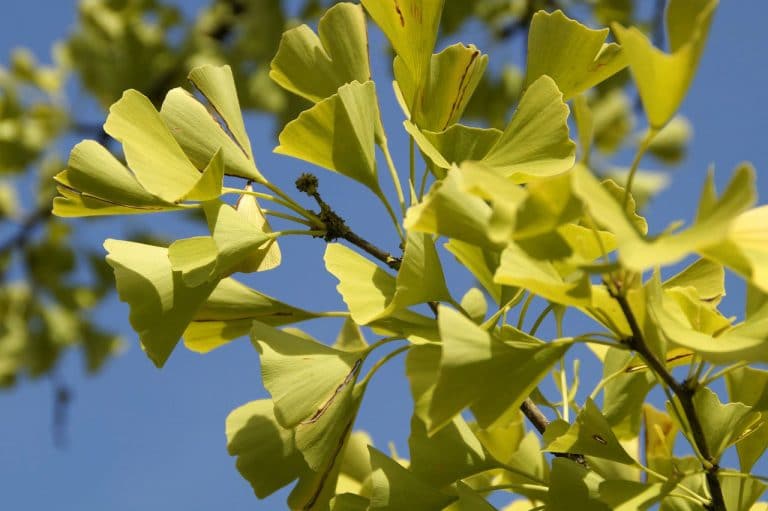
    Scientific Classification & Quick Facts Common name Ginkgo Scientific name Ginkgo biloba Kingdom Plantae Phylum Tracheophyta Class Ginkgoopsida Order Ginkgoales Family Ginkgoaceae Genus Ginkgo Conservation status Endangered Type Non-flowering tree, a ‘living fossil’ Habitat Deep, moist, well-drained fertile soil Native range China Size Leaves about 3 inches long Colours Fan-shaped leaves turn yellow in fall…
  • Fo-Ti Roots

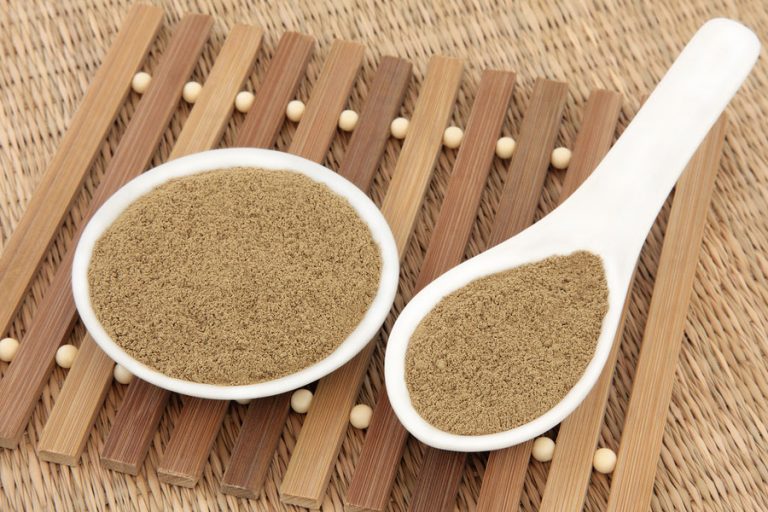
    Scientific Classification & Quick Facts Common name Fo-ti Scientific name Reynoutria multiflora (formerly Fallopia multiflora) Kingdom Plantae Phylum Tracheophyta Class Magnoliopsida Order Caryophyllales Family Polygonaceae Genus Reynoutria Type Climbing herb from a woody tuber Habitat Valleys and stream banks, sun or part shade Native range Southern and central China Colours Greenish-white or white flowers Height…

  • Garlic

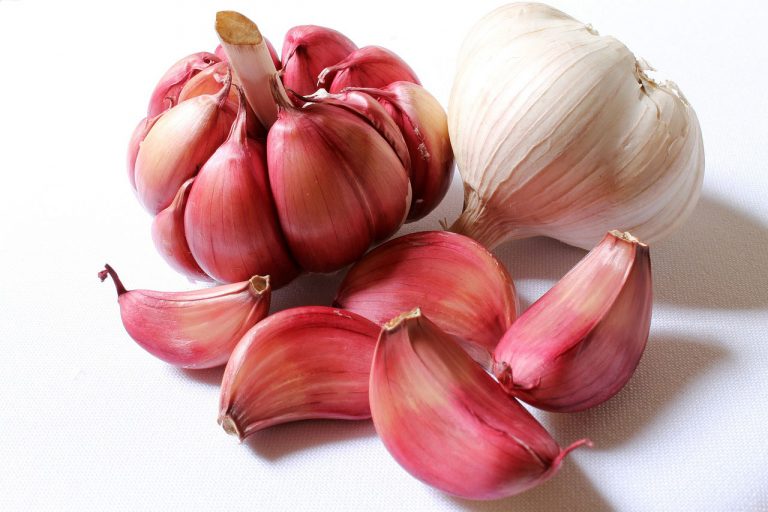
    Scientific Classification & Quick Facts Common name Garlic Scientific name Allium sativum Kingdom Plantae Phylum Tracheophyta Class Liliopsida Order Asparagales Family Amaryllidaceae Genus Allium Type Bulb plant in the onion genus Habitat Well-drained loamy soil in full sun Native range Central Asia Height Up to 4 ft Edible parts Bulb cloves, leaves and flowers Special…

  • Geranium

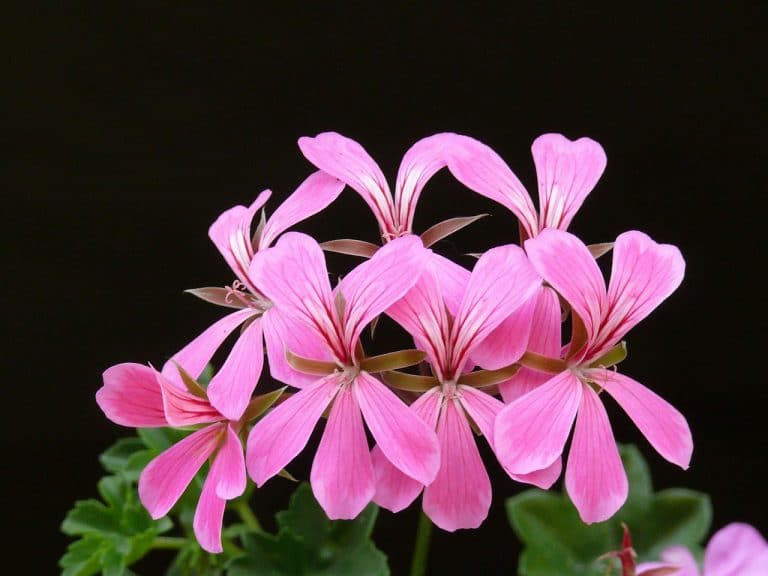
    Geranium is a group of flowering plants better known as cranesbills, named after their long, pointed seed pods that look like a crane’s beak. There are over 400 species, and many are easy, tough garden plants. Confusingly, the bright red ‘geraniums’ sold for window boxes are actually a different plant called pelargonium. Scientific Classification &…

  • Flax Seed Oil

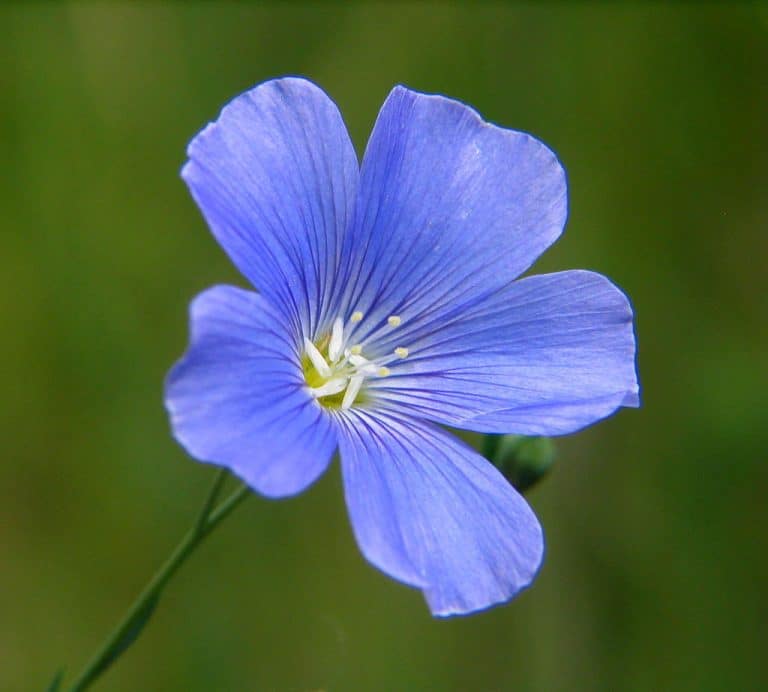
    Scientific Classification & Quick Facts Common name Flax Scientific name Linum usitatissimum Kingdom Plantae Phylum Tracheophyta Class Magnoliopsida Order Malpighiales Family Linaceae Genus Linum Type Fibre and oil crop Habitat Cooler regions; deep, loamy, well-drained soil Colours Pale blue flowers with five petals Height 3–4 ft Edible parts Seeds, pressed into flaxseed oil Special feature…

  • Feverfew

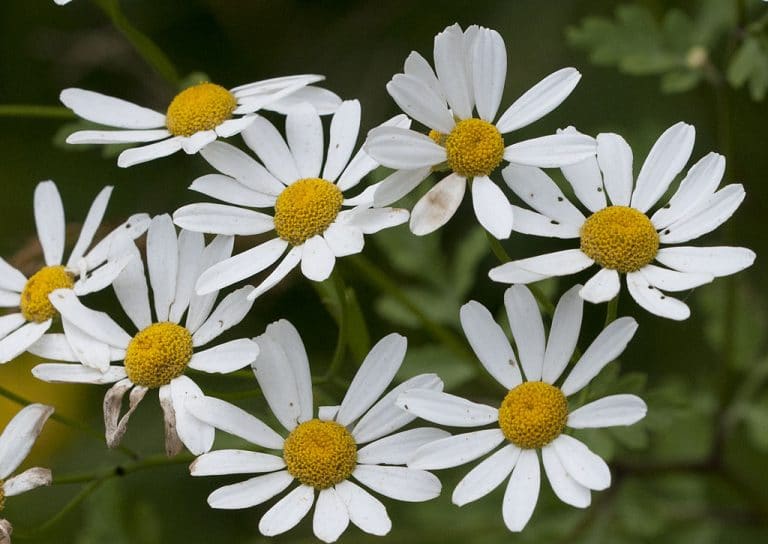
    Scientific Classification & Quick Facts Common name Feverfew Scientific name Tanacetum parthenium Kingdom Plantae Phylum Tracheophyta Class Magnoliopsida Order Asterales Family Asteraceae Genus Tanacetum Type Short-lived perennial, daisy-like herb Habitat Rocky slopes, walls, roadsides, waste places Native range Southern and central Europe and Asia Colours Small white daisy-like flowers Flowering season May to September Height…

  • Fennel

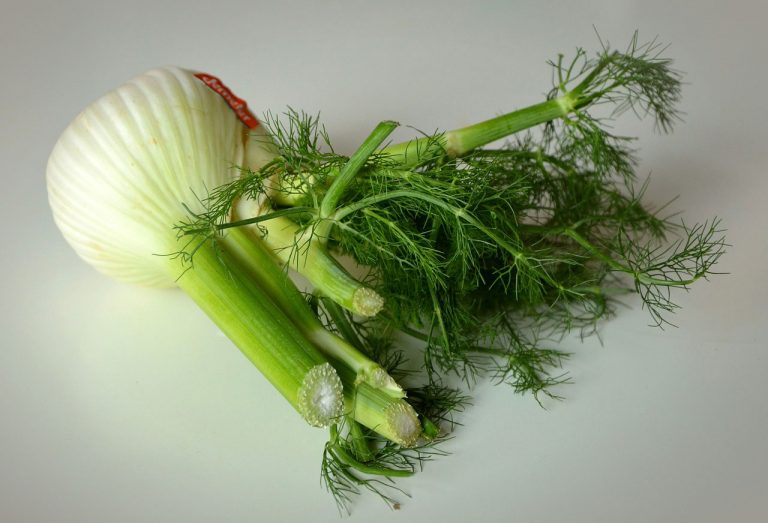
    Scientific Classification & Quick Facts Common name Fennel Scientific name Foeniculum vulgare Kingdom Plantae Phylum Tracheophyta Class Magnoliopsida Order Apiales Family Apiaceae Genus Foeniculum Type Perennial herb in the celery family Habitat Dry soils, riverbanks, sea coasts, roadsides Native range Mediterranean region Colours Bright yellow flowers Height Up to about 2.5 m Edible parts Stalk,…

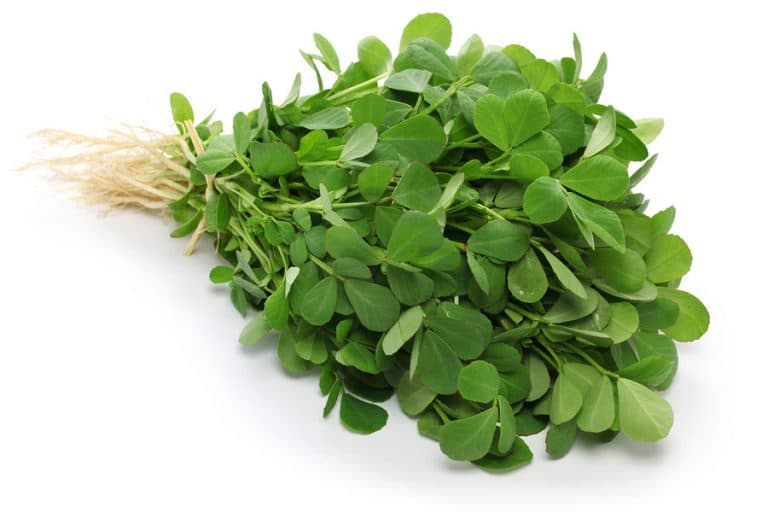
  • Fenugreek

    Scientific Classification & Quick Facts Common name Fenugreek Scientific name Trigonella foenum-graecum Kingdom Plantae Phylum Tracheophyta Class Magnoliopsida Order Fabales Family Fabaceae Genus Trigonella Type Annual herb in the pea family Habitat Sunny, dry areas with well-drained soil Native range Mediterranean, southern Europe, western Asia Colours White, pea-like flowers Flowering season Summer Height About 60…

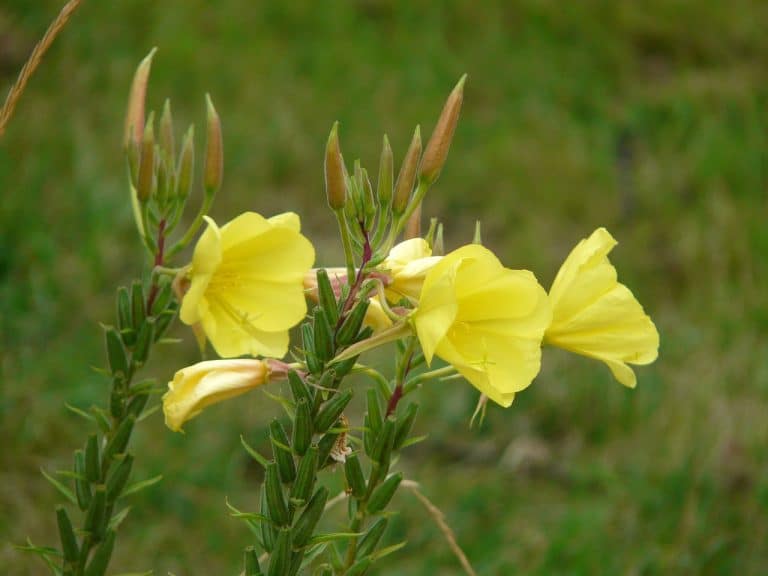
  • Evening Primrose

    Scientific Classification & Quick Facts Common name Evening primrose Scientific name Oenothera biennis Kingdom Plantae Phylum Tracheophyta Class Magnoliopsida Order Myrtales Family Onagraceae Genus Oenothera Type Biennial herb Habitat Sandy, disturbed ground in full sun Lifespan About 2 years Colours Yellow, lemon-scented flowers Flowering season June to October Edible parts Leaves, roots and flower buds…

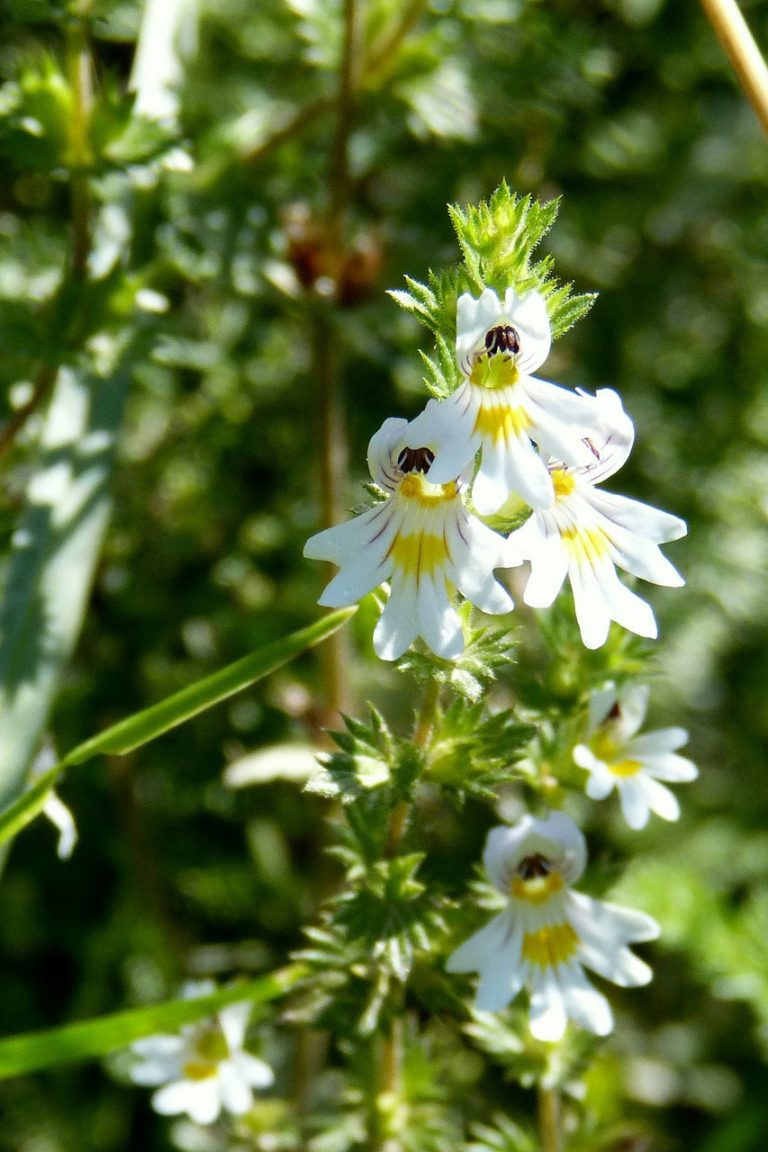
  • Euphrasia Eyebright

    Scientific Classification & Quick Facts Common name Eyebright Scientific name Euphrasia Kingdom Plantae Phylum Tracheophyta Class Magnoliopsida Order Lamiales Family Orobanchaceae Type Small flowering herb, partly parasitic Habitat Chalky pastures, moist grasslands, meadows Native range Worldwide, including alpine meadows Colours Lilac, white or purple flowers with veins Flowering season July to September Height 2–8 inches…

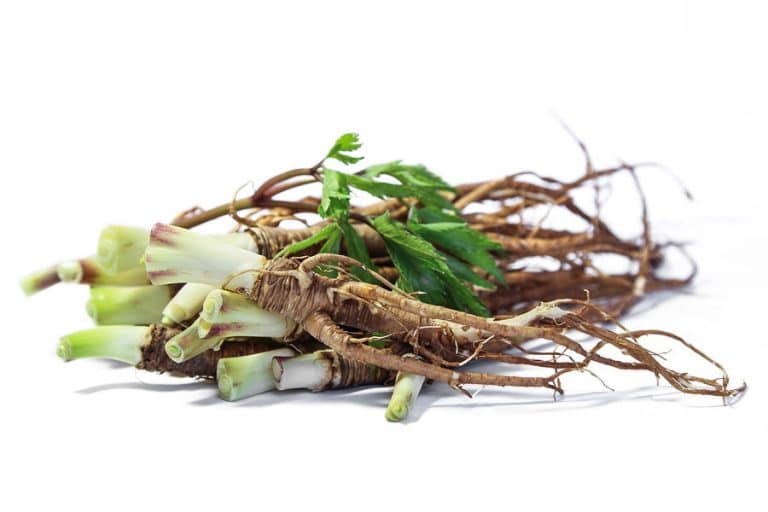
  • Dong Quaia Angelica

    Scientific Classification & Quick Facts Common name Dong quai Scientific name Angelica sinensis Kingdom Plantae Phylum Tracheophyta Class Magnoliopsida Order Apiales Family Apiaceae Genus Angelica Type Short-lived herb in the carrot family Habitat Cool, moist, high mountain areas Native range China; also found in Japan and Korea Lifespan Blooms after about 2 years Colours Greenish-white…

  • Echinacea Purpurea

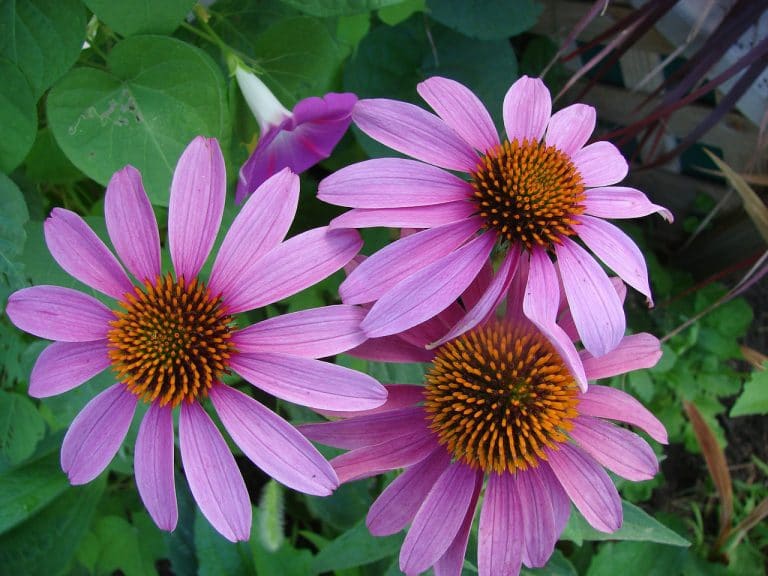
    These Echinacea Purpurea, flowering plants, belonging to the Echinacea genus of the Asteraceae family are commonly called Cone Flowers. This genus consists of around 9 species of herbaceous plants that have originated in central and eastern parts of North America. They are usually found in open wooded regions or in dry and moist prairies. These…