Astragalus Menbranaceus
Scientific Classification
| Kingdom: | Plantae |
| (unranked): | Angiosperms |
| (unranked): | Eudicots |
| (unranked): | Rosids |
| Order: | Fabales |
| Family: | Fabaceae |
| Genus: | Astragalus |
| Species: | A. Propinquus |
| Binomial name: | Astragalus Propinquus |
A large variety of around 3000 species of shrubs and herbs known as Astragalus are found in the northern hemisphere regions. It belongs to the Fabaceae family. It has a subdivision called Faboideae. This genus is believed to have originated from the Northern Hemispheres temperate region. There are many names for this genus. Most species are known as Milk Vetch, whereas some species in North America are called locoweed. Some other species like Astragalus Gummifer and Astragalus Tragacanthus are known as goat‘s thorns.
History
Astragalus membranes are a traditional Chinese herbal medicine. Chinese scholars recommend the use of this special herb for boosting the immune system in human bodies. For the last 2000 years, researchers believe that it is the most beneficial herb to protect our body from deadly diseases like cancer, kidney and liver, heart problems and other infections. It is still used in China as a traditional remedy for cold and upper respiratory infections. It is generally used with other herbs. Though it is not clinically proven, medical experts are more curious and are continuing to research on the possibility that, it can decrease the deadly after effects caused by chemotherapy.
Habitat
Astragalus is known as “King of herbal tonics. A Huang Qi Injection is a traditional remedy in China for chronic heart diseases. This herb originates from Northeast Asia. It is a perennial plant in the pea family. It can also be seen in dry, sandy soil, mountain thickets, meadows etc.
Soil
This herb prefers well drained soil. It can also grow in sandy soil, deep soil and poor soil. Slightly alkaline mixed soil is best for this herb. It doesnt prefer clay soil.
Plant
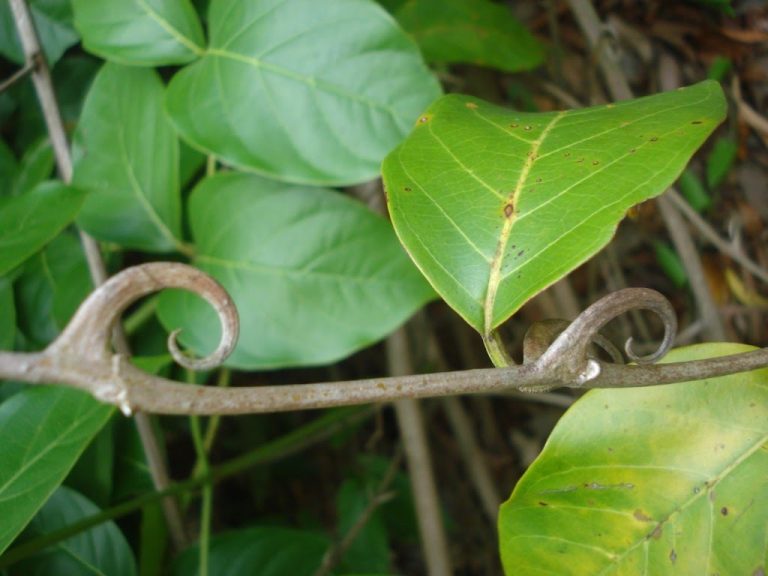
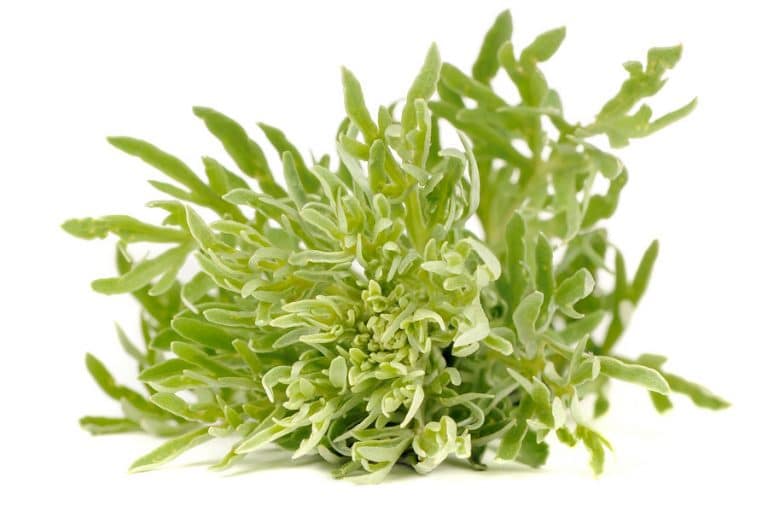
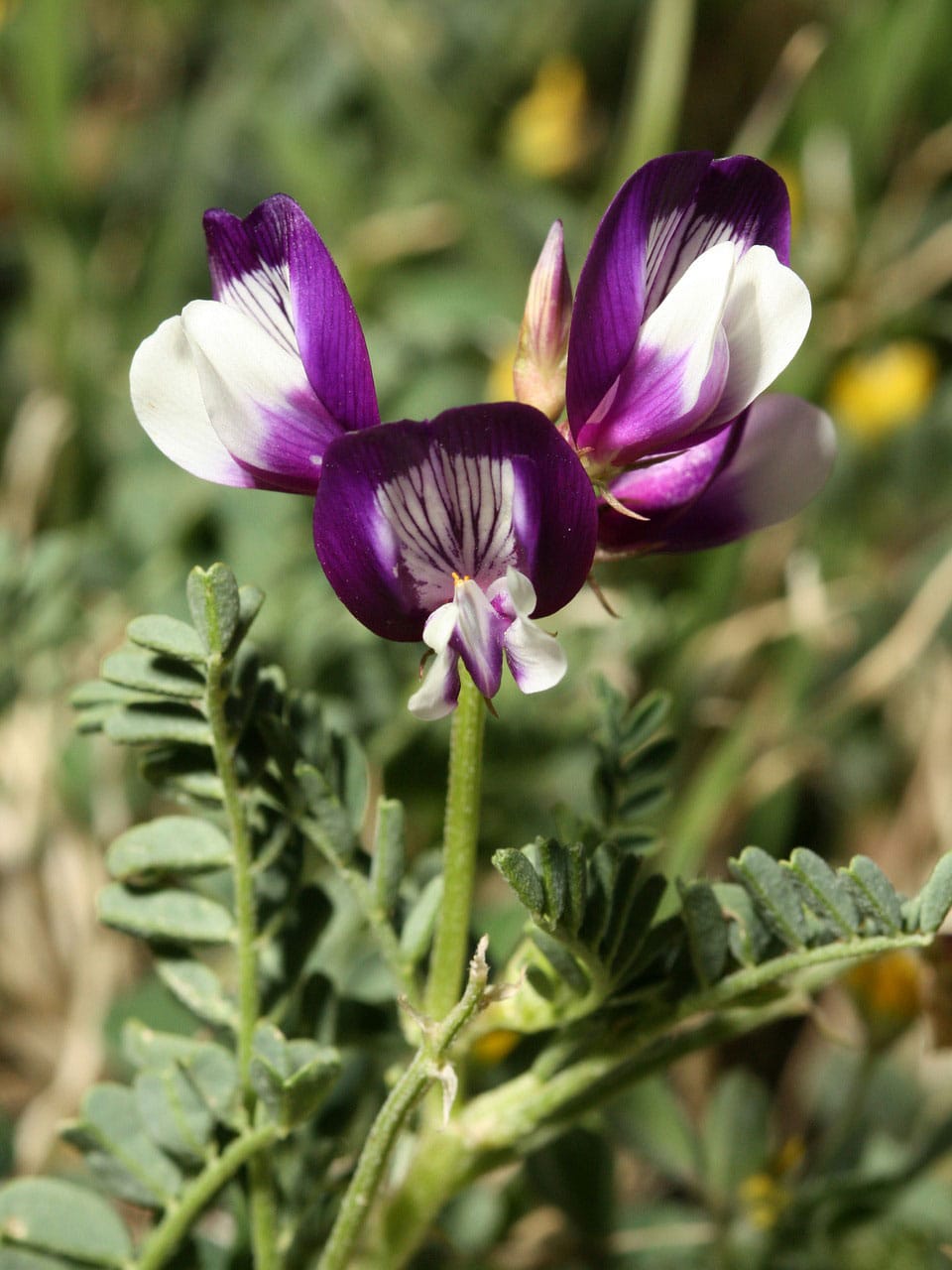
Astragalus Membranceus is a beneficial herb from the pea family (legumes). It is a twining plant that grows around 11.5 to 39 inches in height. Its leaves are feather like or in pinnate arrangement that has around 9 – 21 leaflets. It grows about ¼ to ¾ of an inch long and 1/3 of an inch in width. The stem of this herb has many branches. The stem is slanting upwards and looks bushy in appearance. The plant has racemes on it which are in auxiliary position. The shrubs peduncle is very fragile and it can bear only 3 9 flowers which bloom on the upper part of the plant. The plant also bears seed pods which look swollen and are more than 1 inch long. Its tip seems to have a beaked appearance. This herb produces around 30 seeds.
Water
While germinating, it prefers a bit moist soil. When harvesting taproots, if it gets slight rain then it is well and good.
Temperature
This herb appears to be hardy, because it has survived in some places where the temperature is below -20 degree Celsius. The seed should be preserved in -18 degree Celsius continuously for 7 days.
Care
Till now, no clinical research has found any serious side effects by using Astragalus. But the intake of this herbal medicine during breastfeeding or pregnancy should be confirmed with a medical practitioner. In traditional Chinese medicines, the dried root of this herb was used in doses of 9 to 15 grams. Usually it does not react with any other herbs or medicines. For a safer side, all medicines including herbs should only be taken after consulting your doctor.
Uses
Astragalus is believed to be a remedy for many diseases, though more research is required to prove it. Some people use Asragalus as a general tonic to protect the liver and to fight bacteria and viruses. It is also believed to reduce blood sugar level. It helps in improving blood count and reduces stress levels in the body. It can work well against chronic heart failures. Some studies also reveal that it can overcome the after effects caused by chemotherapy as well as cancer. Some believe it can reduce cholesterol levels and upper respiratory infections. Overall, it helps to stimulate the immune system. However the present studies will not be enough to prove the uses of this herb.
Pests and Diseases
Around 7 types of diseases and 49 types of insects attack this herb. The insects include, trips, sweet clover, aphids, grasshoppers and seed chalcids. Grasshoppers cause much damage to this herb by eating the seed pods and flower buds. The diseases that may affect includes root crown or stem rot diseases. The infection is usually very light.
Having discovered a fondness for insects while pursuing her degree in Biology, Randi Jones was quite bugged to know that people usually dismissed these little creatures as “creepy-crawlies”.