Licorice Root
Scientific Classification
| Kingdom: | Plantae |
| (unranked): | Angiosperms |
| (unranked): | Eudicots |
| (unranked): | Rosids |
| Order: | Fabales |
| Family: | Fabaceae |
| Subfamily: | Faboideae |
| Tribe: | Galegeae |
| Genus: | Glycyrrhiza |
| Species: | G. Glabra |
| Binomial Name: | Glycyrrhiza Glabra |
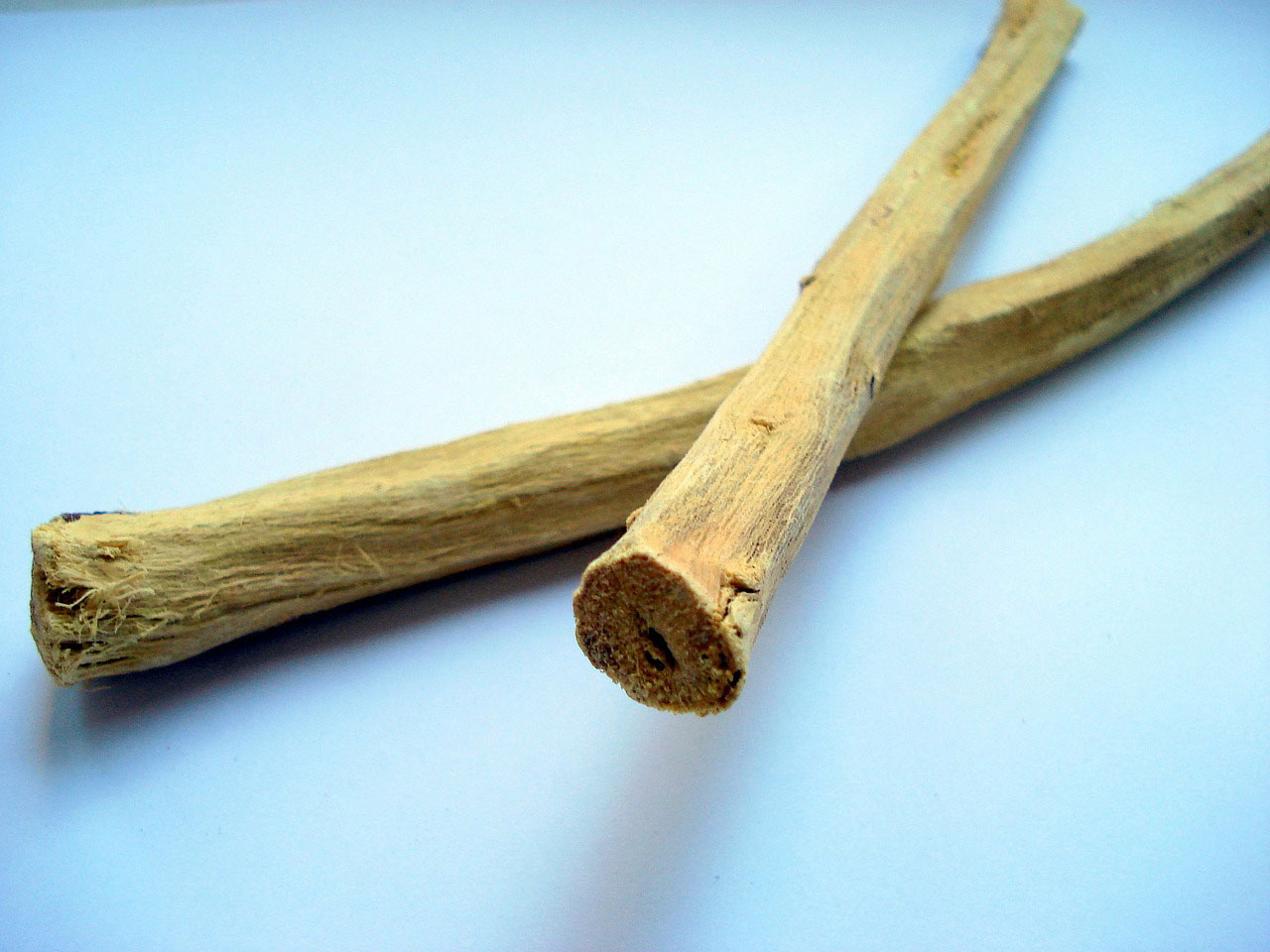
Licorice root is a herbaceous perennial plant. It is the root of Glycyrrhiza Glabra., A sweet flavor is extracted from licorice. For rejuvenation, it has been used traditionally as a medicine in Ayurveda. Licorice is very sweet in taste and said to be 30-50 times sweeter than sugar, but also very different from sugar. Its sweetness is tart, less instant, and long-lasting. The fragrance of the licorice root comes from the combination of variable and complex compounds. Most of its sweetness comes from an ingredient called Glycyrrhizin. It has anti-allergic, antiviral, antioxidant, and anti-inflammatory properties.
History
The word licorice is derived from the Greek word meaning sweet root. This name was provided by Dioscorides. In Hindi it is known as multi. In the ancient times it was used by the Brahmans of India, Romans, Greeks, Chinese and the Babylonians. In Ayurvedic culture, it is known as liquefier of the stomach. In the middle times it was used to improve the negative effect of spicy food. For thousands of years, it was used to treat many conditions. In royal history, it was considered as a valuable herb.
Anatomy
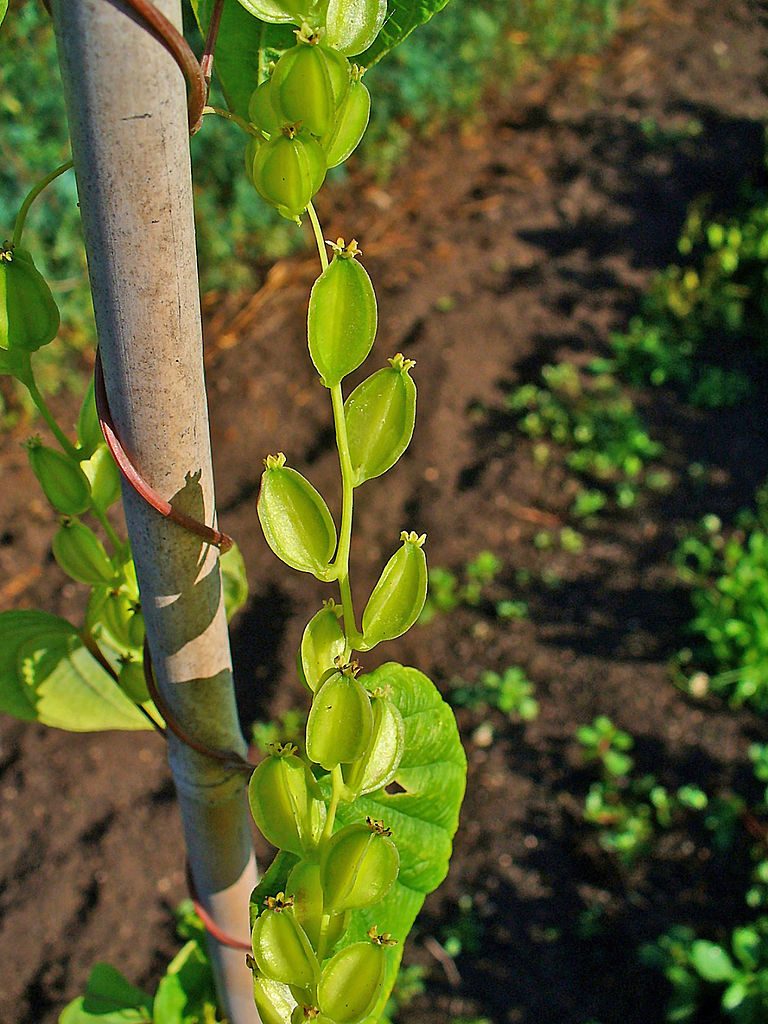
The Licorice plant grows up to 1 meter in height. It has pinnate leaves. These leaves are 7 to 15 cm long and have 9 to 17 leaflets in each; its flowers are purple to pale whitish blue color. These flowers are 0.8 to 1.2 cm long. It is commonly used in India and traditional Chinese medicines.
Habitat
The Licorice plant is native to India, parts of Asia and Europe. The main producing countries of licorice root are Iraq, China, Pakistan, Iran, Turkey, Azerbaijan, Uzbekistan, Afghanistan and Turkmenistan. The worlds leading manufacturer of licorice is M&F worldwide. It produces more than 70% of the worldwide production. It produces licorice flavors for sale to end users
Soil
The Licorice plant is native to India, parts of Asia and Europe. The main producing countries of licorice root are Iraq, China, Pakistan, Iran, Turkey, Azerbaijan, Uzbekistan, Afghanistan and Turkmenistan. The worlds leading manufacturer of licorice is M&F worldwide. It produces more than 70% of the worldwide production. It produces licorice flavors for sale to end users
Planting
The planting season of the licorice root is either October or February and March. It grows from seeds in the early autumn or spring season. Its germination occurs in 7 days. It also grows by division by strong root system. This method saves time.
Water
This plant requires watering regularly. It grows well in moisture. During the growing season, it prefers regular watering. It grows well in warm and sunny climate. It requires full or partial sunlight.
Temperature and Humidity
This plant requires watering regularly. It grows well in moisture. During the growing season, it prefers regular watering. It grows well in warm and sunny climate. It requires full or partial sunlight.
Care
This plant requires watering regularly. It grows well in moisture. During the growing season, it prefers regular watering. It grows well in warm and sunny climate. It requires full or partial sunlight.
Harvest
The roots of the licorice root plant are dug up from 3 to 4 years old plants. After the leaves die, it is harvested in the autumn or winter season. This is a quite labor intensive work.
Pests and Disease
The licorice root plant is relatively pest and disease free plant. But white flies, leaf miners and Aphids affect the plant. Root rot is also a problem for the licorice plant, though a well drained soil reduces the root diseases.
Uses
The Licorice root is used to treat sore throats, for calming and upset stomach, bronchial conditions. It is used as an herb to treat skin disease, allergies, heartburn, digestive tract inflammation and diseases of the liver. The root of the licorice is washed and chewed as a mouth freshener. It is an important drug used frequently all over the world. In Europe it is used to treat congestion, cough, constipation, overall fatigue and chest pain. It is used to flavor tobacco and a foaming agent in beer. It is also used to make an herbal tea. This tea, they claim, aids in weight loss, thus helping to reduce body weight.

Having discovered a fondness for insects while pursuing her degree in Biology, Randi Jones was quite bugged to know that people usually dismissed these little creatures as “creepy-crawlies”.