Herbs

Long before modern kitchens and medicine cabinets, people relied on herbs for flavor, fragrance and folk remedies, and many of the same plants still grow in gardens today. Herbs are usually valued for their leaves, seeds, roots or bark, which contain aromatic oils that give them strong scents and tastes. Many are easy to grow on a sunny windowsill.

This collection profiles a wide range of plants, from cooking staples like basil and garlic to fast-spreading mint and catnip, the herb many cats find irresistible. Each guide explains where the plant comes from, how it grows and how people have traditionally used it.

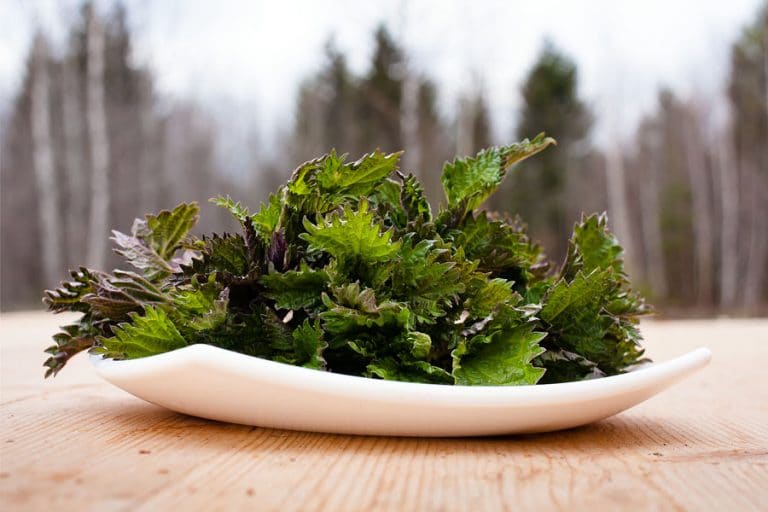
  • Nettle

    Scientific Classification & Quick Facts Common name Stinging nettle Scientific name Urtica dioica Kingdom Plantae Phylum Tracheophyta Class Magnoliopsida Order Rosales Family Urticaceae Genus Urtica Conservation status Least Concern Type Perennial herb with stinging hairs Habitat Moist, open ground; streams, ditches, roadsides Native range North America, Europe, northern Africa, Asia Colours Tiny whitish-green flowers Height…

  • Mustard

    Scientific Classification Mustard, originating from the seeds of the mustard plant, is used for seasoning food. There are white or yellow mustards (Sinapis alba), brown or Indian mustards (Brassica Juncea), and black mustards (Brassica Nigra). Mustard seeds in the form of whole, ground, bruised, or cracked, are blended with either salt, water, lemon juice, or…

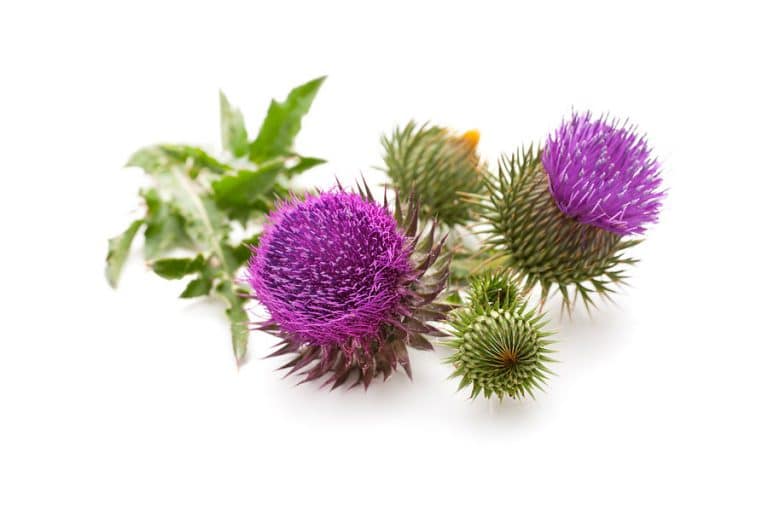
  • Milk Thistle

    Scientific Classification & Quick Facts Common name Milk thistle Scientific name Silybum marianum Kingdom Plantae Phylum Tracheophyta Class Magnoliopsida Order Asterales Family Asteraceae Genus Silybum Conservation status Least Concern Type Thorny annual or biennial herb Habitat Rich, disturbed soil; river banks; rocky scrub Native range Southern Europe and Asia Colours Red-purple flowers; glossy leaves with…

  • Mint

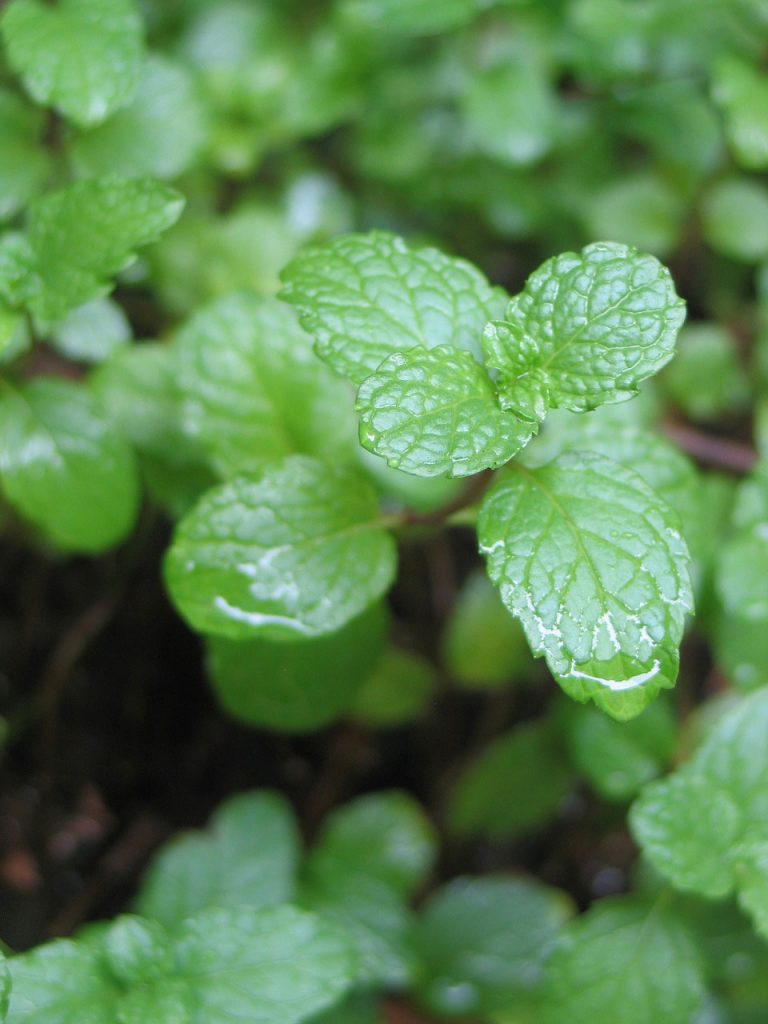
    Mint is a fragrant herb in the genus Mentha, best known for its cool, fresh smell and taste. Peppermint and spearmint are the most famous kinds, and mint is used in teas, sauces, salads, candy and toothpaste all over the world. Scientific Classification & Quick Facts Common name Mint Scientific name Mentha Kingdom Plantae Phylum…

  • Muira Puama

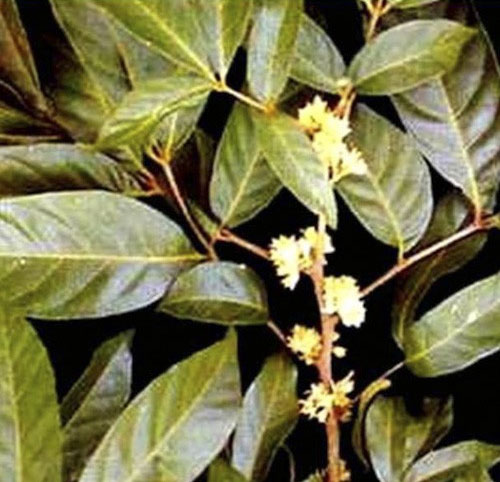
    Scientific Classification & Quick Facts Common name Muira puama Scientific name Ptychopetalum olacoides Kingdom Plantae Phylum Tracheophyta Class Magnoliopsida Order Santalales Family Olacaceae Genus Ptychopetalum Conservation status Least Concern Type Small tree or bush Habitat Hot, humid tropical rainforest Native range Brazilian Amazon Colours Small white, jasmine-scented flowers Height About 14 ft Special feature Bark…

  • Mexican Wild Yam

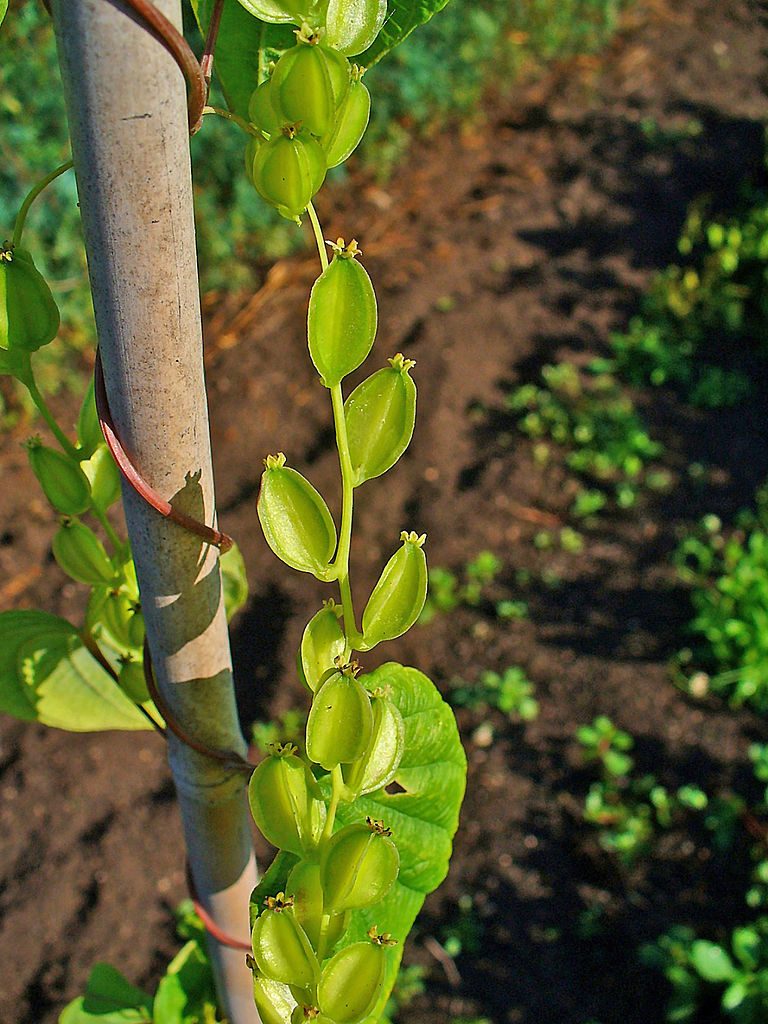
    Scientific Classification & Quick Facts Common name Wild yam Scientific name Dioscorea villosa Kingdom Plantae Phylum Tracheophyta Class Liliopsida Order Dioscoreales Family Dioscoreaceae Genus Dioscorea Conservation status Least Concern Type Tuberous climbing perennial vine Habitat Thickets, swamps, damp woods, roadside fences Native range Eastern North America Colours Small greenish-yellow flowers Flowering season June and July…

  • Marshmallow

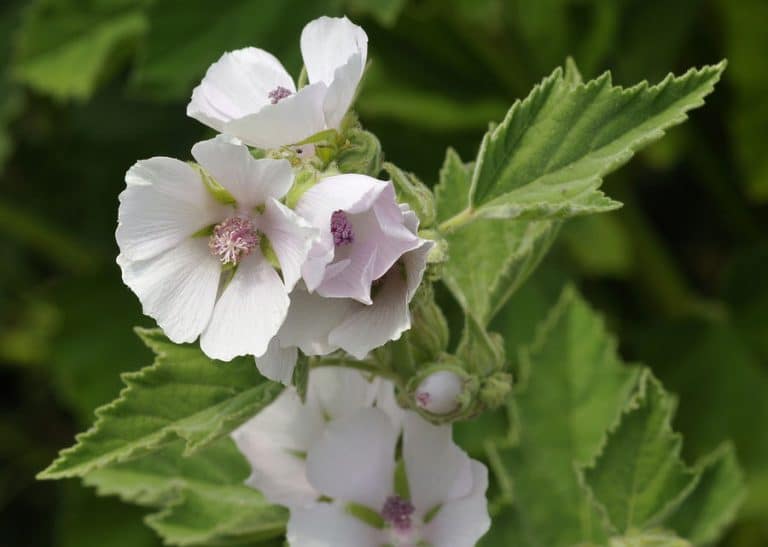
    Scientific Classification & Quick Facts Common name Marshmallow Scientific name Althaea officinalis Kingdom Plantae Phylum Tracheophyta Class Magnoliopsida Order Malvales Family Malvaceae Genus Althaea Type Herbaceous perennial Habitat Damp meadows, brackish marshes, riverbanks Colours Pale or reddish-white flowers Height 3–4 ft Edible parts Roots, leaves and flowers Special feature Sticky mucilage; root once used for…

  • Marjoram

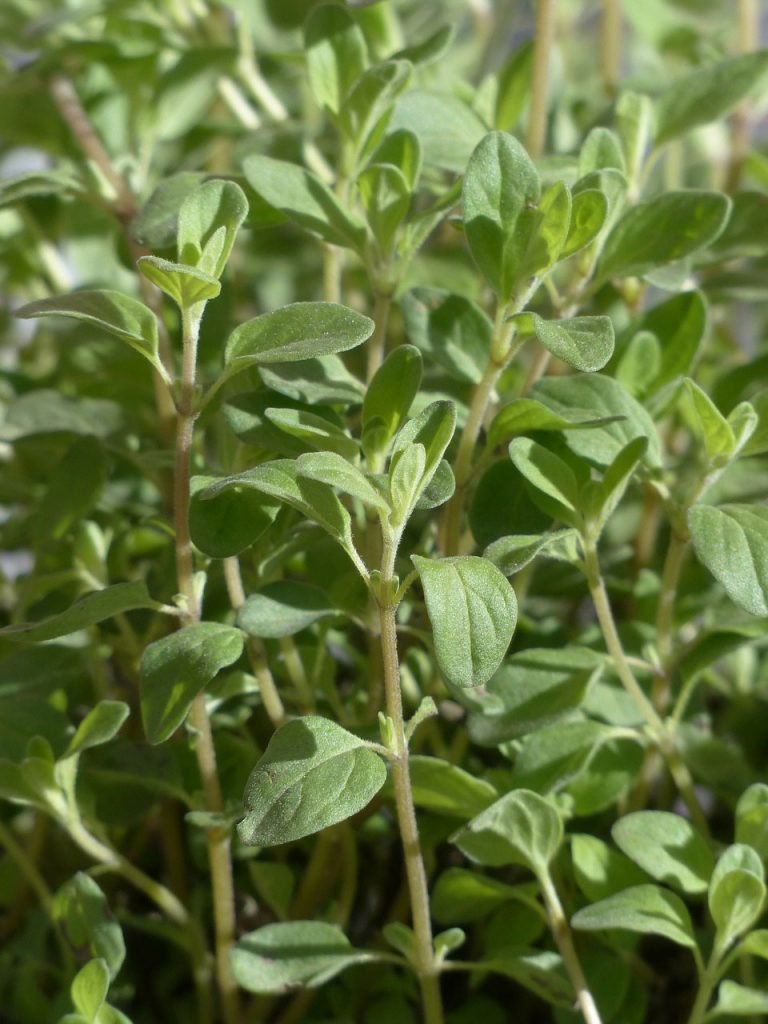
    Scientific Classification & Quick Facts Common name Marjoram Scientific name Origanum majorana Kingdom Plantae Phylum Tracheophyta Class Magnoliopsida Order Lamiales Family Lamiaceae Genus Origanum Type Perennial shrub, frost sensitive Habitat Dry, rocky, well-drained soil in full sun Native range Southern Turkey and Cyprus Colours White, red or pink flowers Flowering season July and August Height…

  • Marigold Calendula

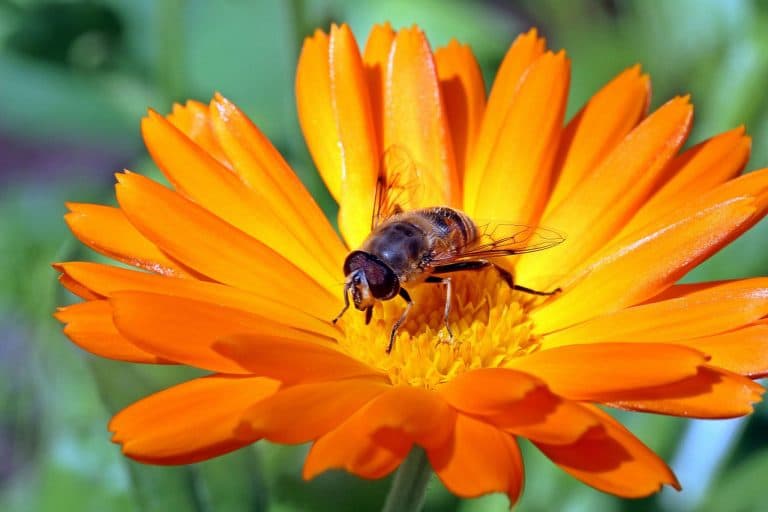
    Scientific Classification & Quick Facts Common name Pot marigold Scientific name Calendula officinalis Kingdom Plantae Phylum Tracheophyta Class Magnoliopsida Order Asterales Family Asteraceae Genus Calendula Type Short-lived annual or perennial herb Habitat Sunny places with well-drained soil Native range Western Europe, Mediterranean, southwestern Asia Colours Yellow flowers Height Up to 80 cm Edible parts Flower…

  • Liverwort

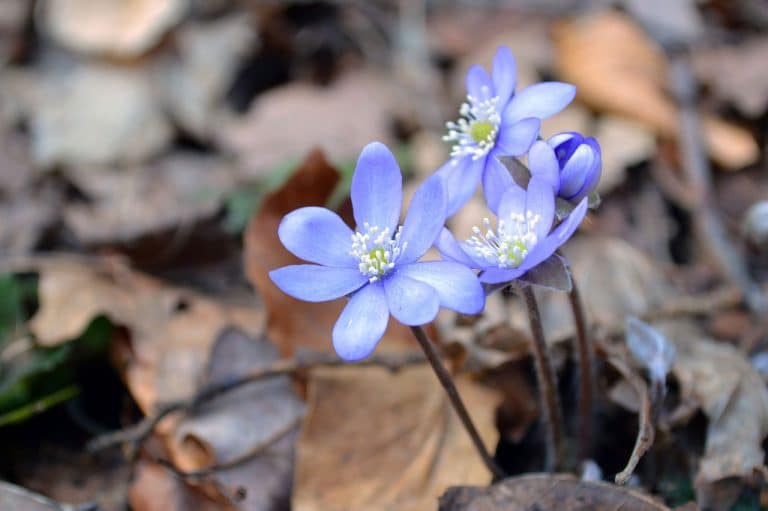
    Scientific Classification & Quick Facts Common name Liverwort Scientific name Marchantiophyta Kingdom Plantae Type Small non-vascular green plant Habitat Humid, damp, shady places Native range Tropics and temperate regions worldwide Size 2–20 mm wide, up to 10 cm long Special feature 8,000–9,000 species; reproduce by spores Classification: GBIF Backbone Taxonomy. Liverworts, also called hepatics, make…

  • Lobelia

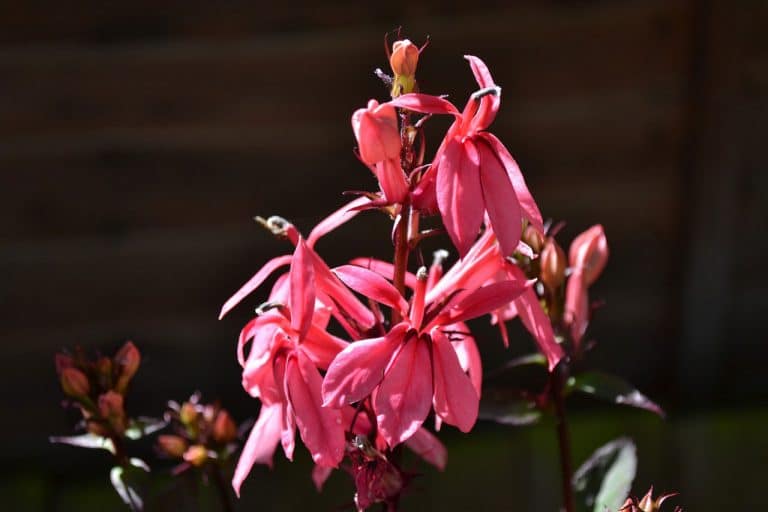
    Scientific Classification & Quick Facts Common name Lobelia Scientific name Lobelia Kingdom Plantae Phylum Tracheophyta Class Magnoliopsida Order Asterales Family Campanulaceae Type Garden flowering plants Habitat Sunny, well-drained soil Native range Tropical to warm temperate regions worldwide Colours Pink, white, red or blue; often violet-blue Flowering season Midsummer until first frost Height 3–5 inches; some…