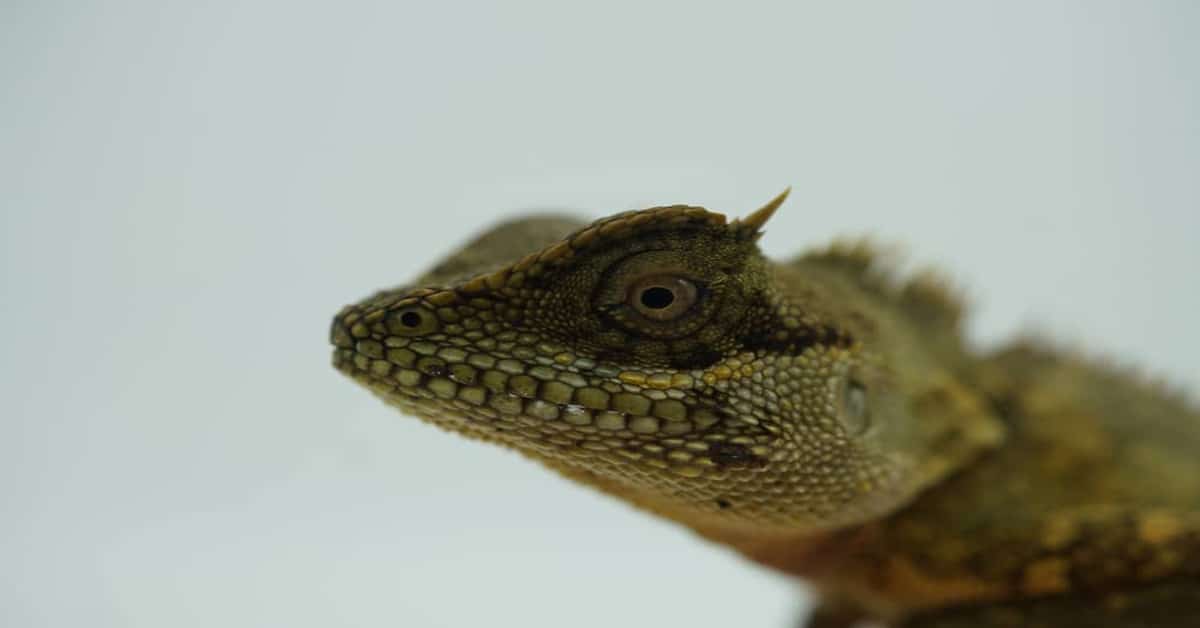
Mountain Horned Lizard
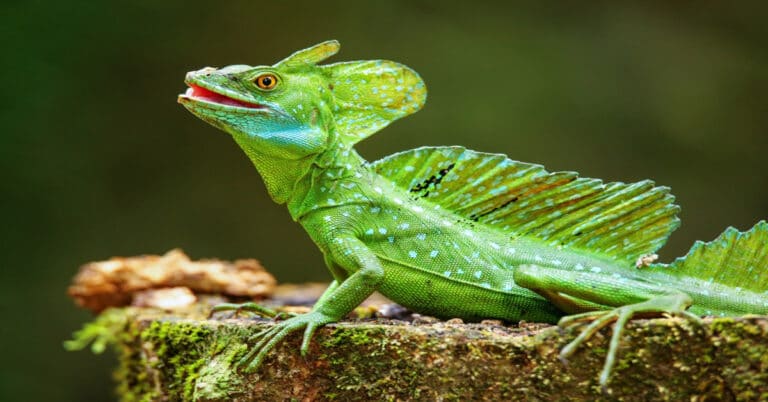
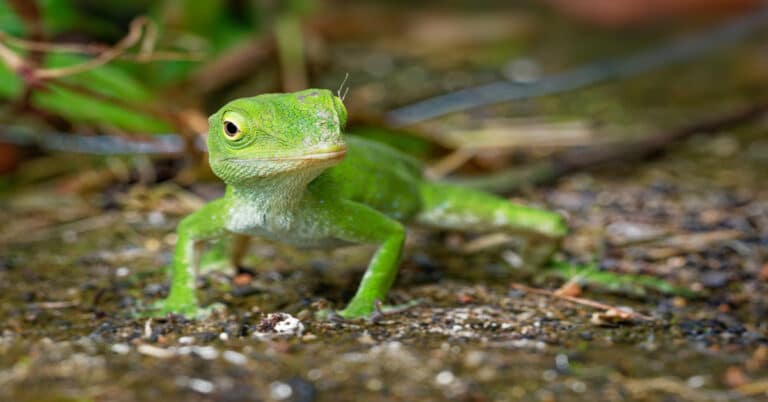
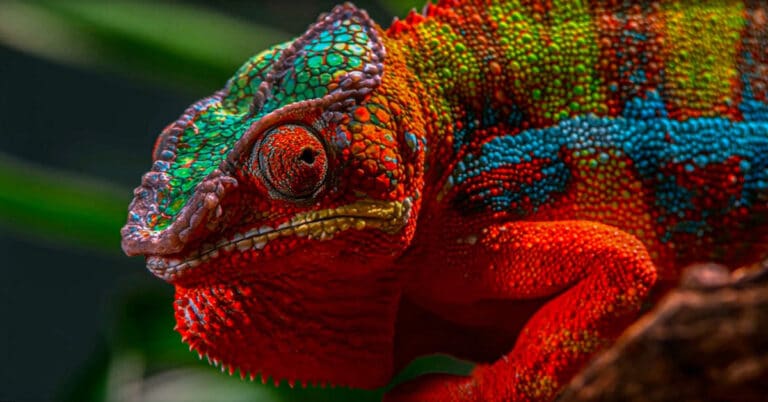
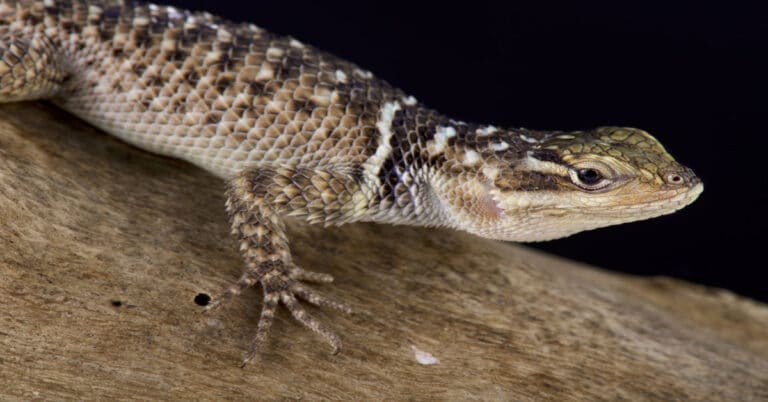
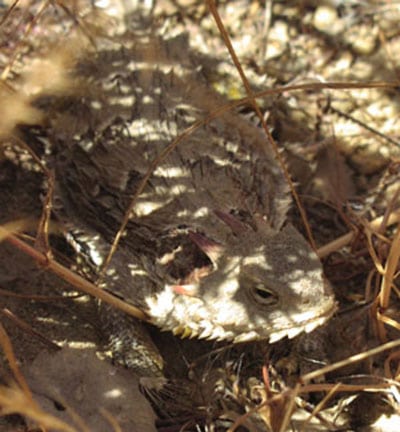
Mountain Horned lizards have slim bodies; their tails are normally longer than their body. They grow to lengths of between 10 – 15 inches which varies according to their species. The color of a healthy Mountain Horned Lizard varies from deep brown to brilliant green, which again differs according to the animal sex and variety. The ridge on the dorsal portion extends from the head of the dragon to its tail, they have long toes.
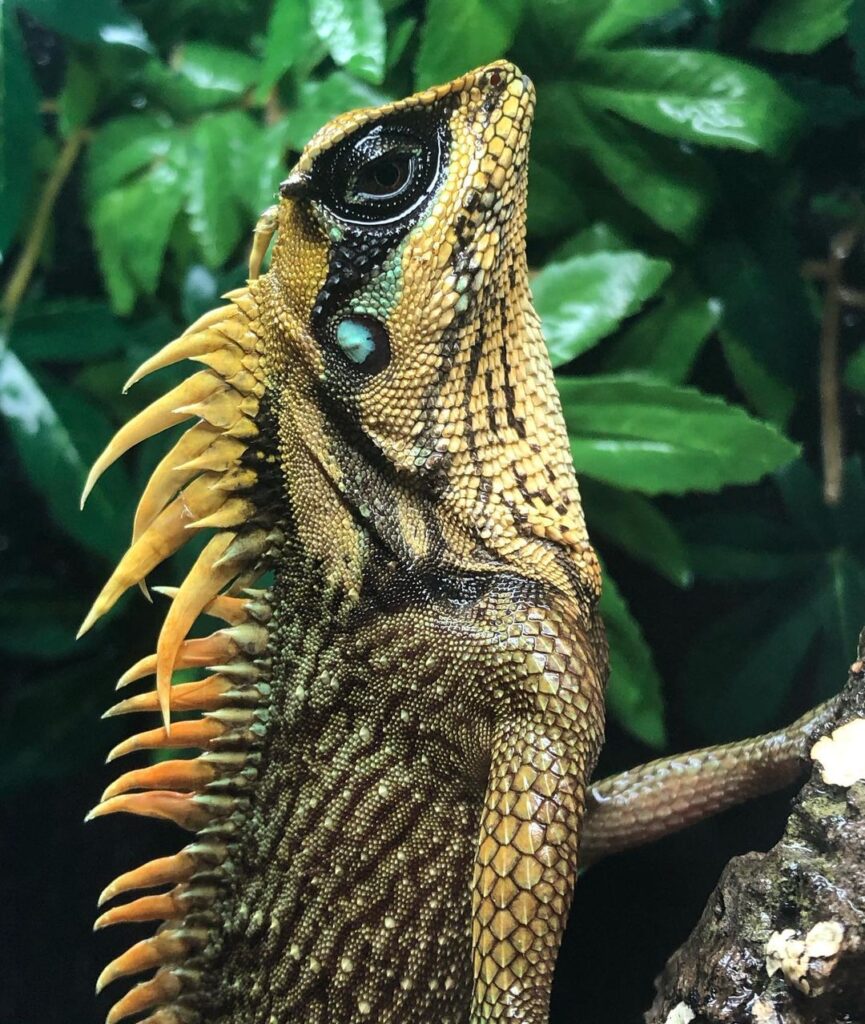
Scientific Classification
| Kingdom: | Animalia |
| Phylum: | Chordata |
| Class: | Reptilia |
| Order: | Squamata |
| Suborder: | Lacertilia |
| Family: | Agamidae |
| Subfamily: | Agaminae |
| Genus: | Acanthosaura |
Behavior
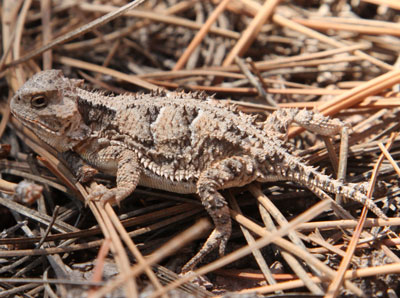
In general the mountain horned lizards are clever they adjust to handling and taming. Although they are hostile among themselves, be cautious while adding a new mate in the cage. You cannot take their amicable relationship for granted. The mountain horned lizards are possibly sluggish and very slothful.
Habitat
We find these entire mountain-horned dragons in the humid climates of the tropical regions like Cambodia, Vietnam, Laos, Burma, south of Thailand and China; they dwell in the rain forests.
Mountain Horned Lizard As A Pet?
Breeding
Experience shows that the males are passionate in the month of July. When the male comes in proximity to the female, you can witness their courtship. The pair distends their gular pouch, elevating their bodies, while the male hisses and bobs his head and shoulders. Until he finds a positive response, the male runs after the female in the cage. In the usual manner while in courtship the male bites the female and usually the female looses crest scales or horns. If you see the male excessively violent or lead to deadly injury you would do well to separate them.
Housing
Lizards are cold-blooded animals or “ectothermic”; this implies that their body temperature self-regulates on the basis of the temperature in the vicinity. As such, make arrangements with different heat gradients in the environment with one end cool and other end warm. This arrangement enables your pet to adjust to the temperature they need by going to either end.
Enclosure Size: mountain horned lizards being arboreal varieties of the rainforest, opt for, the tallest branch in the terrarium to rest on, thus you must provide for a tall enclosure. The size of the enclosure required is 3 – 4’L x 1.2 W x 4 – 6’H. Since the dragon lizards need a big enclosure with greater the humidity level, it is complicated to maintain the humidity level. A cage constructed with wooden mesh permits the humidity to seep away with ease.
Food
Mountain horned Lizard are totally insectivorous. Their diet consists of protein sources like mealworms, kingworms, wax worms, small gold fish, gut loaded crickets, cockroaches, butter worms, earthworms and pinky mice dusted with supplements. Many people feel that earthworms are the best feed for the dragons. In case you intend feeding them frequently with earthworms never dust with calcium since they possess a high level of calcium content themselves. Take care in feeding your horned lizards with the proper size of prey, proportionate to the size of your dragon. An excellent thumb rule is that the crickets should not exceed the gap between the lizard’s eyes or the length from its nose to the eyes. Prior to feeding your pets with large insects, make sure you feed only molted insects, because they will find it difficult to swallow tough exoskeletons, resulting in impaction due to indigestion.
Always provide the lizard with a big vessel of fresh and clean water free of chlorine. Keep the vessel on the cooler portion of the enclosure. Replace the water every day or as required to enable your pet can take a bath in it just as well.
Handling
Mountain horned lizards are clever and normally remain passive during the taming process, when they also permit handling.
Having discovered a fondness for insects while pursuing her degree in Biology, Randi Jones was quite bugged to know that people usually dismissed these little creatures as “creepy-crawlies”.