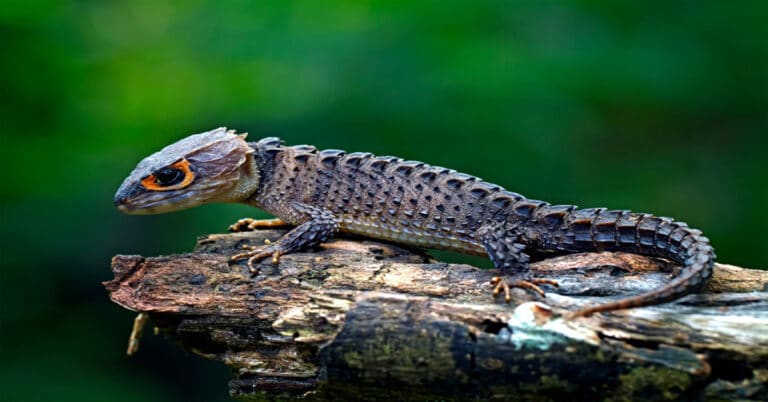
What Do Lizards Eat?
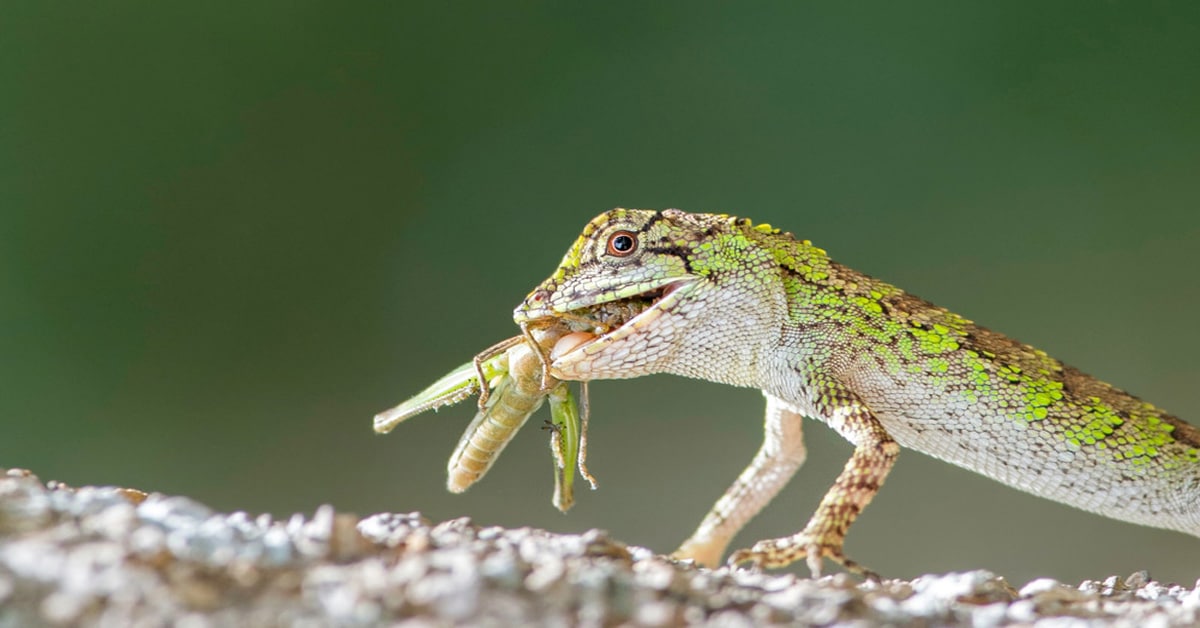
Quick answer: Lizards eat different foods depending on the species. Many eat insects such as crickets, flies, and ants, while some eat plants, fruit, or flowers, and larger ones such as Komodo dragons eat birds, eggs, and mammals.
Most lizards eat insects and other small animals, but some eat plants, and a few eat both. What a lizard eats depends on its species and size, from tiny geckos snapping up flies to Komodo dragons hunting deer.
What Do Lizards Eat?
Most lizards eat insects and other small animals such as crickets, beetles, ants, spiders and worms. Some, like green iguanas and chuckwallas, eat only plants, while omnivores such as bearded dragons eat both. Large lizards like monitors and Komodo dragons hunt eggs, birds, rodents and even deer.
A Huge Family with Many Menus
There are more than 7,000 kinds of lizards, living on every continent except Antarctica. The smallest geckos and chameleons are only about the length of a fingernail, while the Komodo dragon can grow to around 10 feet long and weigh over 150 pounds. With so much variety, there is no single lizard diet.
Scientists sort lizards into three groups by what they eat:
- Insectivores and other meat-eaters, such as geckos, anoles, chameleons and monitor lizards.
- Herbivores, or plant-eaters, such as green iguanas and chuckwallas.
- Omnivores, which eat both animals and plants, such as bearded dragons and blue-tongued skinks.
What Do Lizards Eat in the Wild?
Insects and Other Small Animals
Most lizards are hunters of small creatures. They eat crickets, grasshoppers, flies, beetles, ants, caterpillars, cockroaches, spiders, worms and snails. Bigger lizards catch bigger prey. Horned lizards of North America specialize in ants and can eat hundreds in a day.
Small lizards such as skinks and fence lizards are helpful to people because they eat lots of insects, including garden pests. But not every insect is safe: fireflies (lightning bugs) contain chemicals that are poisonous to many lizards.
Eggs

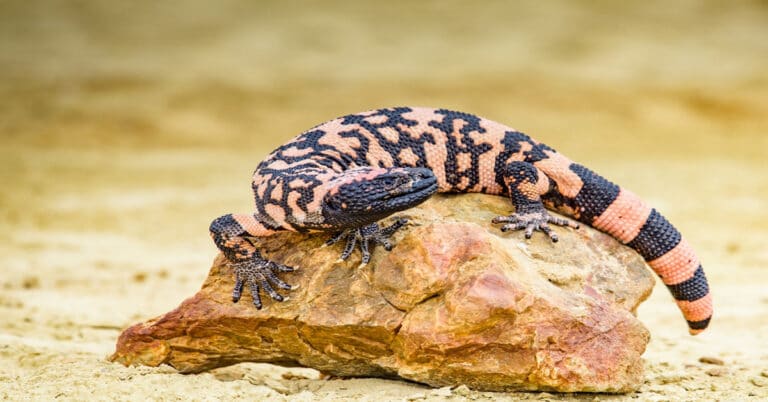
Eggs are an easy, nutritious meal. The Gila monster of the southwestern United States and Mexico raids the nests of birds and reptiles for eggs and also eats baby birds and small mammals. Tegus from South America also eat plenty of eggs, along with insects, small animals and fruit.
Other Lizards and Bigger Prey
Some lizards eat other lizards. Collared lizards eat mostly insects, but they also catch smaller lizards whenever they can. Large lizards such as monitors eat small snakes, birds, mice and other rodents.
The Komodo dragon is the biggest lizard of all and a powerful predator. It hunts deer, wild pigs and even water buffalo, and it also eats dead animals it finds by smell. People once thought its bite killed prey with harmful bacteria, but scientists have found that Komodo dragons have venom glands. Their bite causes heavy bleeding and shock. Attacks on people are very rare.
Fruits and Plants
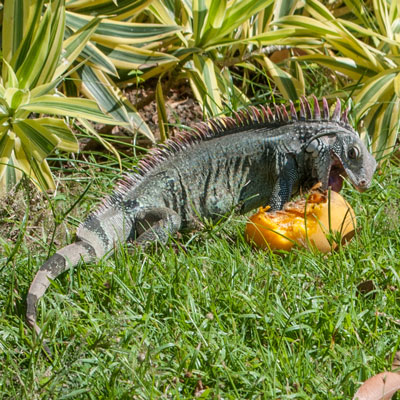
Green iguanas are true plant-eaters. In the wild they climb trees and munch on leaves, flowers, young shoots and soft fruit. Other plant-eating lizards include the chuckwalla of the American deserts and the marine iguana of the Galapagos Islands, which dives into the sea to graze on seaweed. Many omnivorous lizards add flowers, fruit and leaves to a diet of insects.
What Do Pet Lizards Eat?
Before you feed a pet lizard, you need to know exactly which species it is, because each one has different needs. Here are some popular pets:
- Leopard geckos eat only live insects, such as crickets, mealworms and roaches.
- Bearded dragons are omnivores. Young ones eat mostly insects, while adults need mainly leafy greens and vegetables, with insects as a smaller part of the diet.
- Crested geckos eat fruit-based foods made for them, plus some live insects.
- Green iguanas need a plant-only diet of leafy greens such as collard and mustard greens, other vegetables and a little fruit. They should not be fed meat or insects.
Insect-eating lizards are usually fed live insects, because many will only strike at prey that moves. Pet stores sell crickets, mealworms and roaches for this purpose. Keepers often “gut-load” the insects by feeding them healthy food first, and dust them with calcium and vitamin powders. Pet lizards also need clean water, the right warmth and, for many species, special UVB lighting to stay healthy.
Never feed a lizard fireflies, insects caught where pesticides might have been used, or foods that are not right for its species. A reptile vet can help you plan the best diet.
What Do Baby Lizards Eat?
Baby lizards eat the same kinds of food as adults of their species, just in smaller pieces. A baby insect-eater needs tiny insects, such as small crickets, no bigger than the space between its eyes. Baby bearded dragons eat more insects than adults do, and baby iguanas eat finely chopped greens.
If you find a wild baby lizard, the kindest thing is usually to leave it where it is, because it already knows how to find its own food. Wild lizards are often hard to keep healthy in captivity, and in many places it is against the law to collect them. If a lizard seems hurt, ask a vet or a local wildlife rescue group for help.
Lizard Diets by Species at a Glance
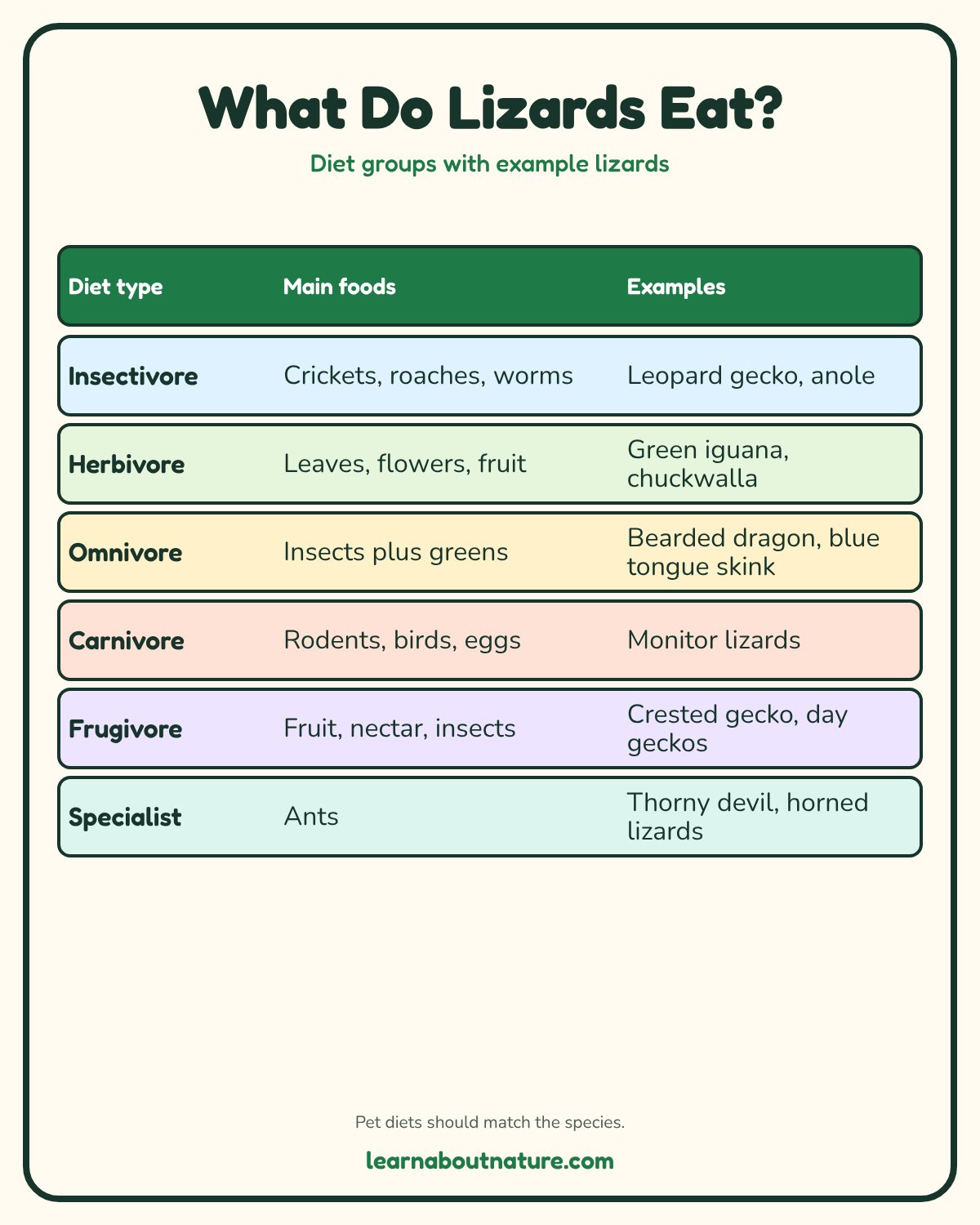
The quickest way to know what a lizard eats is to look up its species. This table shows the natural diet of some of the best-known lizards, both wild and kept as pets.
| Lizard | Diet type | Main foods |
|---|---|---|
| Leopard gecko | Insectivore | Crickets, beetles, spiders, other insects |
| House gecko | Insectivore | Moths, flies, mosquitoes and other insects drawn to lights |
| Green anole | Insectivore | Small insects and spiders |
| Chameleon | Insectivore | Grasshoppers, flies, crickets, caught with a long sticky tongue |
| Horned lizard | Insectivore | Mostly harvester ants |
| Bearded dragon | Omnivore | Insects when young; mostly greens, vegetables and flowers as adults |
| Blue-tongued skink | Omnivore | Snails, insects, flowers, fruit and leaves |
| Crested gecko | Omnivore | Soft fruit, nectar and insects |
| Tegu | Omnivore | Eggs, insects, small animals and fruit |
| Green iguana | Herbivore | Leaves, flowers and fruit |
| Chuckwalla | Herbivore | Desert plants, leaves and flowers |
| Marine iguana | Herbivore | Seaweed (algae) from rocks and the sea floor |
| Gila monster | Carnivore | Eggs, nestling birds and baby mammals |
| Monitor lizards | Carnivore | Insects, eggs, rodents, birds, fish and carrion |
| Komodo dragon | Carnivore | Deer, pigs, water buffalo and carrion |
Notice that the diet often changes with size. Small species and young lizards eat small, easy-to-catch prey, while big species can tackle animals that would be impossible for a gecko.
How Lizards Find and Catch Food
Lizards use a mix of senses and hunting styles to get their food. Most fall into one of two groups.
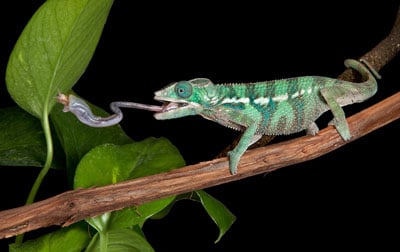
- Sit-and-wait hunters, such as chameleons, anoles and horned lizards, stay still and watch. When an insect comes close, they dart forward or shoot out their tongue. A chameleon’s tongue can be longer than its own body and has a sticky, suction-like tip.
- Active foragers, such as skinks, tegus and monitor lizards, wander through leaf litter, burrows and nests looking for food. They flick their forked or notched tongues to pick up scents, much like snakes do.
Many lizards rely on good eyesight and are drawn to movement, which is why pet insect-eaters often ignore food that stays still. Others, especially monitors and Gila monsters, follow scent trails to find hidden eggs and nests.
Most lizards swallow small prey whole after a few quick bites to crush it. Plant-eaters such as iguanas have rows of small, leaf-shaped teeth that slice through leaves, and they rely on helpful microbes in their gut to digest tough plant material. Lizards cannot chew like we do, so large meals are torn into pieces or gulped down slowly.
How Often Do Lizards Eat?
Lizards are cold-blooded, so they do not use food energy to keep warm. That means they need far less food than a mammal of the same size, and how often they eat depends on temperature, age and species.
- Babies and juveniles are growing fast and usually eat every day.
- Adult insect-eaters, such as leopard geckos, are often fed every two or three days in captivity.
- Adult plant-eaters, such as iguanas and adult bearded dragons, are offered fresh greens daily, because plants are less rich in energy.
- Large carnivores can go a long time between meals. A Komodo dragon can eat a huge amount at once and then go weeks before its next big meal.
Warmth matters too. Lizards need to bask to heat up before they can digest food properly. In cool weather they eat less, and many wild lizards in cold or dry places stop eating altogether during a winter rest called brumation.
If a pet lizard suddenly stops eating, check its temperatures and lighting first, as these are common causes. Shedding skin and the breeding season can also reduce appetite for a short time, but a long loss of appetite is a reason to see a reptile vet.
Lizards as Food: Who Eats Them?
Lizards are an important link in food chains. While they eat huge numbers of insects, they are also food for many other animals, including birds of prey, roadrunners, shrikes, snakes, foxes, cats and even other lizards.
To avoid being eaten, lizards have some clever defenses:
- Dropping the tail. Many lizards, such as skinks and geckos, can shed their tail when grabbed. The wriggling tail distracts the predator while the lizard escapes, and a new tail slowly grows back.
- Camouflage. Chameleons, horned lizards and many others blend in with leaves, bark or sand.
- Spines and armor. Horned lizards are covered in spiky scales, and some can even squirt blood from their eyes to put off coyotes and dogs.
- Bluffing. Blue-tongued skinks flash their bright tongue, and frilled lizards open a wide neck frill to look bigger.
Because lizards eat so many insects and are themselves eaten by so many predators, they help keep natural systems balanced. Leaving garden lizards alone is one of the easiest ways to have natural pest control.
Lizard Diet FAQs
What do lizards eat in the wild?
Most wild lizards eat insects and other small animals such as crickets, grasshoppers, beetles, ants, spiders and worms. Larger lizards eat eggs, birds, rodents and other reptiles, while some species, such as iguanas and chuckwallas, mainly eat leaves, flowers and fruit.
What do baby lizards eat?
Baby lizards eat the same type of food as adults of their species, just smaller. Insect-eating babies need tiny insects no bigger than the space between their eyes. Young bearded dragons eat more insects than adults, while baby iguanas eat finely chopped greens.
Can lizards eat fruit?
Some can. Omnivorous lizards such as bearded dragons, blue-tongued skinks and tegus eat some fruit, and crested geckos eat fruit-based diets. Many lizards are strict insect-eaters, though, and should not be fed fruit. Always check the needs of the specific species.
Why should you never feed lizards fireflies?
Fireflies contain chemicals called lucibufagins that are toxic to many lizards, especially bearded dragons. Even a single firefly can kill a small lizard. Wild-caught insects can also carry pesticides or parasites, so it is safer to feed pet lizards insects from a reliable supplier.
Do pet lizards need vitamin supplements?
Most pet lizards need their insects dusted with calcium powder and, depending on the lighting and species, vitamin D3 and multivitamins. Feeder insects are also often gut-loaded with nutritious food. Without these, many lizards can develop metabolic bone disease.

Randi Jones is the owner and founder of the Nature Gift Store, an online retailer specializing in nature-themed gifts, educational science projects, live animal nature kits and real butterfly artwork. A biology graduate who fell in love with insects, she founded the company in 2001 to make active learning about nature fun, accessible and engaging for children and adults. Her store offers real butterfly frames, home and garden decor and educational live animal kits, including ant farms, worm farms, tadpoles, ladybugs and hermit crabs, and she runs a bug museum in Washington featuring live animals like Eddie the Iguana alongside other reptiles and insects. Randi wrote most of the guides on this site. They first appeared on her long-running nature sites, including Monarch-Butterfly.com, Ladybug-Life-Cycle.com, Frog-Life-Cycle.com, Dragonfly-Site.com and Butterfly Pictures, which have now been brought together here at Learn About Nature.