
Mice
Scientific Classification
| Kingdom: | Animalia |
| Phylum: | Chordata |
| Class: | Mammalia |
| Order: | Rodentia |
| Superfamily: | Muroi |
| Family: | Muridae |
| Subfamily: | Murinae |
| Genus: | Mus |
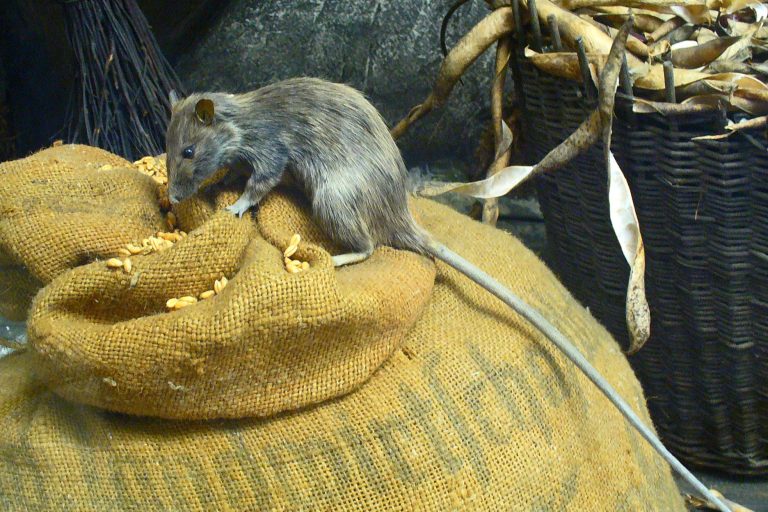
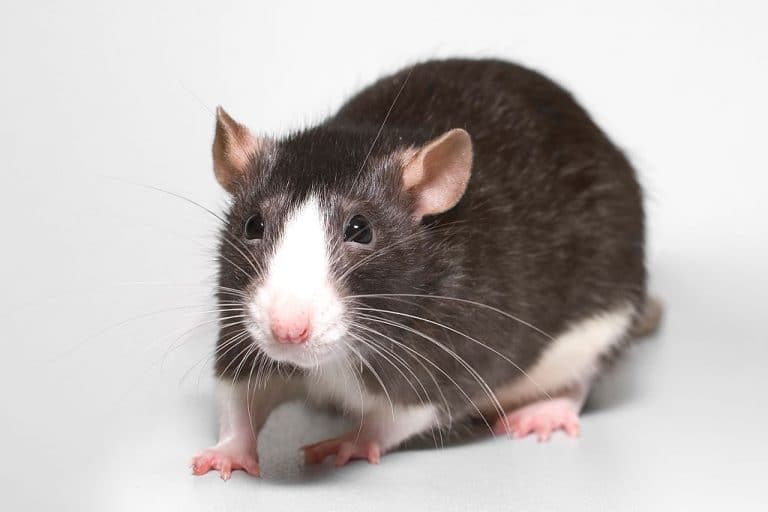
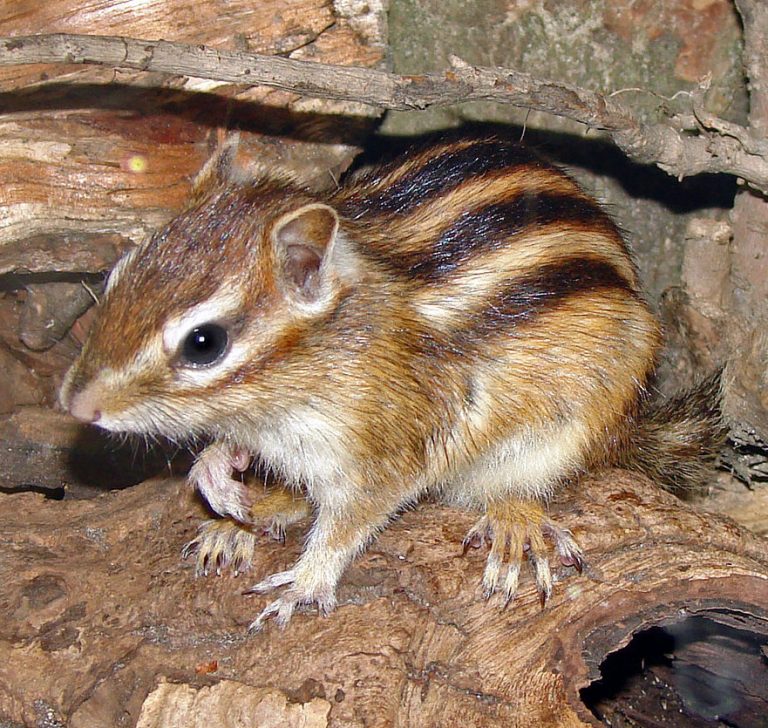
A mouse (plural: mice) is a tiny mammal associated with the group of rodents, their peculiar characteristics are a small rounded ears, pointed snout and a long bare tail with no hairs. The general house mouse (Mus musculus) is a well-known variety of mice. Many people domesticate this mouse also. Some varieties of field mice are familiar in a few places. These mice enter homes in search of food, and at times, shelter.
Anatomy
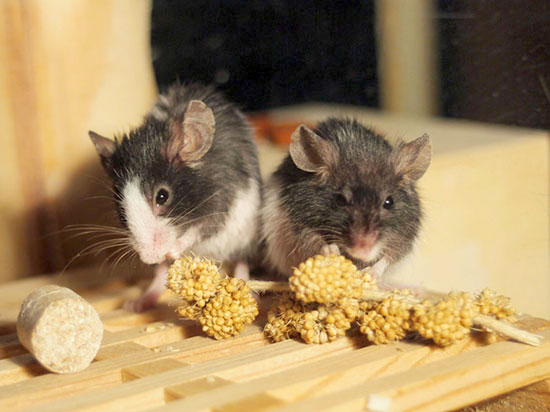
Excluding the tail, the length of a mouse is 3 1/2 inches and weight ½ to 1 ounce. You see the white (albino) mice quite often in pet stores, fancy mice are double the average size, you find them in an elaborate choice of shapes and colors from silver to cinnamon, to shiny and curly.
As a Pet
Breeding
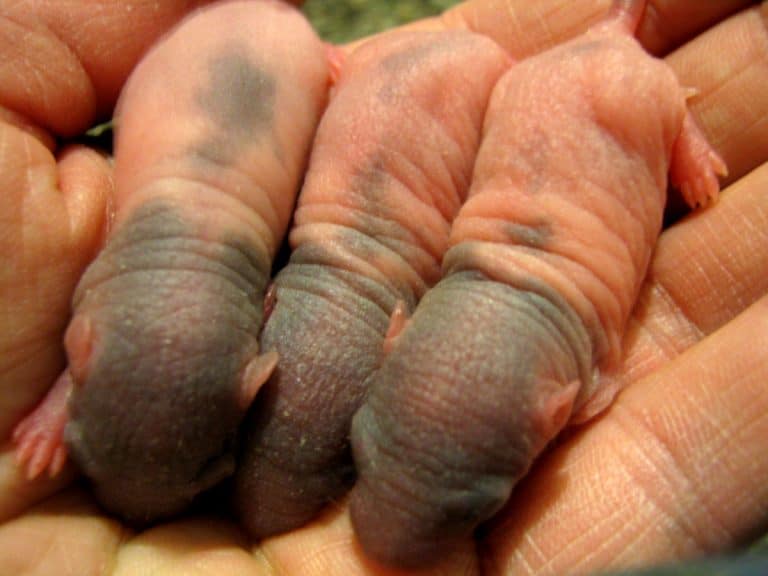
It takes almost a month and a half for a female to produce off springs. Males mature in about two months. If time is not a constraint, it is ideal to wait for the female to grow up to 3 months; this should give you stronger litters.
After they are about a year old, the males normally cease breeding and the females stop at around 8 months. Thereafter they have an increased risk to die in child rearing.
Housing
You see a variety of mice cages today in the market. Many have safe shutters. A 10 gallon aquarium having a wire mesh top is enough to breed 3 to 4 mice. Provide bedding of a few inches thickness. You can obtain this from shavings of hard wood or Aspin or reprocessed paper produce. Pine and cedar are likely to bring sickness, hence avoid them for your pets.
Never ignore the furniture, place small flower pots and tiny boxes for them to hide, and place cardboard tubes for your mice to chew and run through. In addition give a branch of a tree for them to climb. An exercise wheel will entertain most of the mice while running on them, so do not miss it. Confirm that the surface of the wheel is solid and doesn’t have wire rungs so that your pet’s tail is not entangled in it.
Food
Rather than searching for the commercially available nutritious quality food for your pet mice, it is safer and easier to purchase good quality hamster food for your mouse. A mouse consumes food more than your expectation when compared to their size; hence keep a stock of fresh pellets for them. Twice a week, give them a piece of dog biscuit which is a good treat like a chewing toy to wear down their teeth. Small pieces of carrot or apple, some pieces of dry cat food and some pieces of unsweetened breakfast cereals are all nutritious and tasty food items to balance the diet.
Handling
Mice are charming, inquisitive pets. Right through the day we find them active. However, they are not strong; so handle them with care. Be on the watch when your children are handling them.

Having discovered a fondness for insects while pursuing her degree in Biology, Randi Jones was quite bugged to know that people usually dismissed these little creatures as “creepy-crawlies”.