Fancy Rat
Scientific Classification
| Kingdom: | Animalia |
| Phylum: | Chordata |
| Subphylum: | Vertebrata |
| Class: | Mammalia |
| Order: | Rodentia |
| Family: | Muridae |
| Subfamily: | Murinae |
| Genus: | Rattus |
| Genus: | R. norvegicus |
| Binomial name: | Rattus norvegicus |
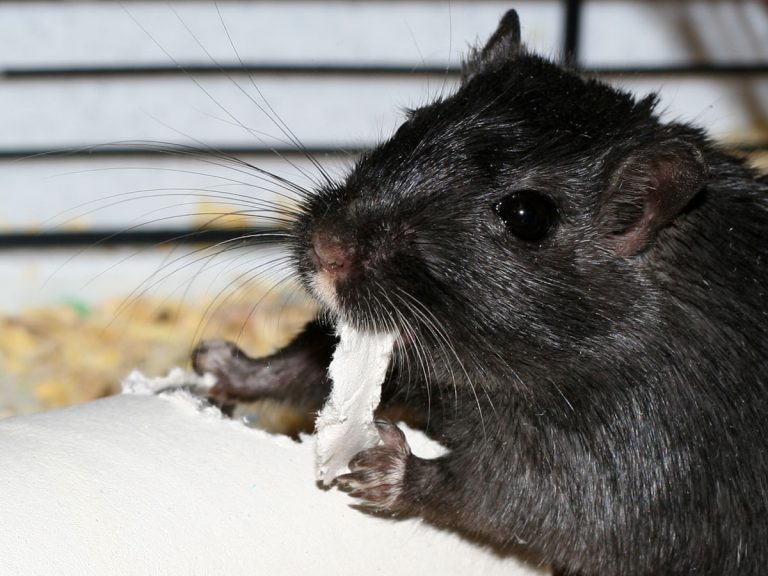
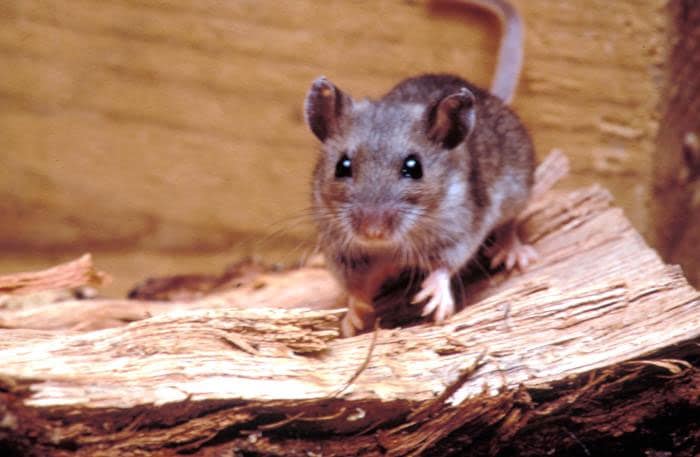
The most common variety among pet rats is the domesticated brown-hued rat, called the fancy rat (Rattus norvegicus), the term fancy rat takes its origin from the phrase “to fancy” (fond of, or take an interest) or the concept of animal fancy. Among the pets of smaller size these are the cleverest since they do minor tricks and at the same time, learn their names. Their huge resource of energy makes it real entertaining to see them. These fancy rats find pleasure in running on the exercising balls as well as on wheels. These inquisitive and pleasant fancy rats enjoy having fun and take delight in interacting and playing with their owners.
Anatomy
- Size: body 6 – 11 inches; tail 7 – 9 inches
- Weight: 6-18 ounces. A few males weigh up to 2 pounds
- Average lifespan: 1.5 to 3 years
Behavior
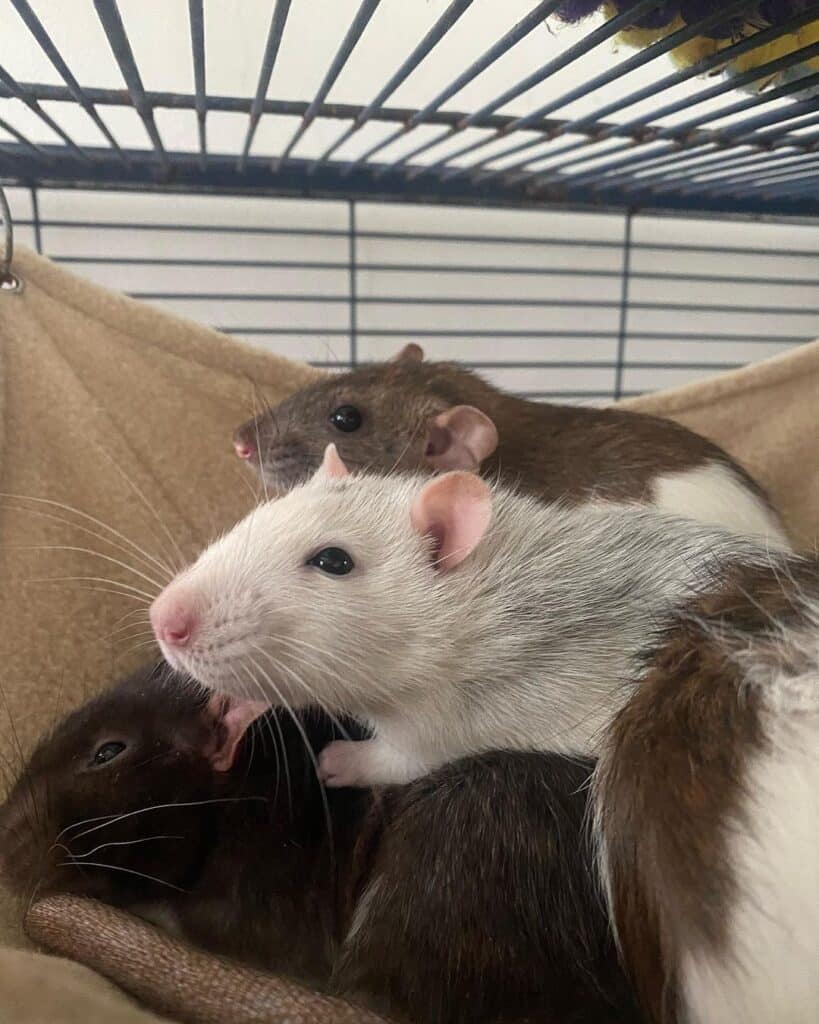
These rats mingle well, but normally do not get along with pet cats or dogs, with quite a few exceptions. Be certain to make your room ‘rat proof’ before you decide to let them roam. Take into account their curiosity to survey the unfamiliar surroundings and their habit of gnawing. If deprived of a companion to dwell with these rats must receive plenty of interaction with their owners.
Habitat
You can trace the of the modern fancy rats back to the 18th and the 19th centuries when the rat catchers trapped them throughout Europe. The rat catchers usually sold these rats to people who killed them or used in blood sport.
Fancy Rat As a Pet
Breeding
There is much more to breeding these pet rats than just caging a male with a female. Avoid breeding rats that are sick, violent or have deformities namely club feet, tails that are kinked, odd sized eyes etc.
Housing
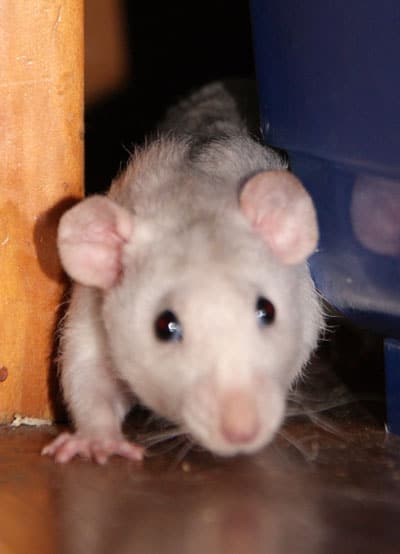
Fancy rats find pleasure and adjust well, even in inexpensive housing units. If you give them their essential requirements, they adapt well and satisfy easily. The variety of cages for fancy rats is limited; when they are young they do well with cages suited for hamsters and when full-grown, they will do well in the cages suited for ferrets. Most fancy rats adapt to the arrangements suitable for ferrets. With a few changes nearly anything goes well to make an adequate fancy rat house.
Food
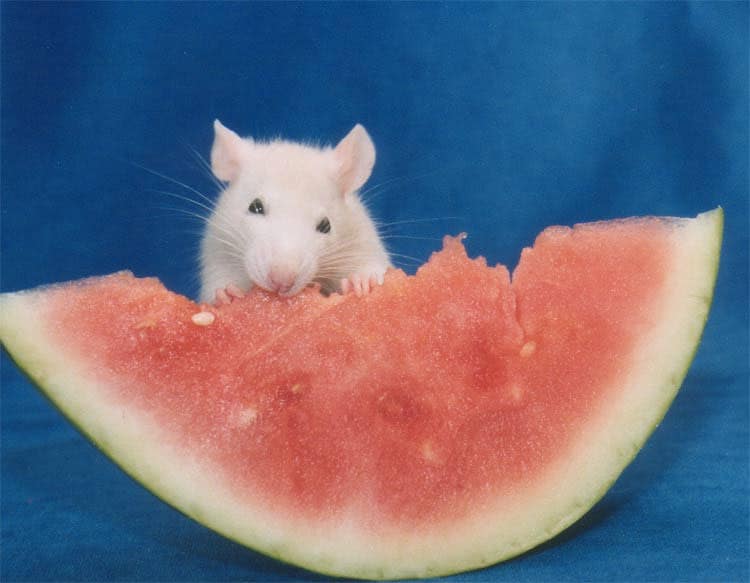
These animals are amazing miniature waste disposals. They consume almost everything; these rats eat even fruits and vegetables and are hence superior to your choicest dogs when it comes to dealing with your food waste. When you dine out, it is not the doggy bag that you should carry but the ratty sack. A fancy rat enjoys all sorts of food items, but avoid giving them some particular ones.
Handling
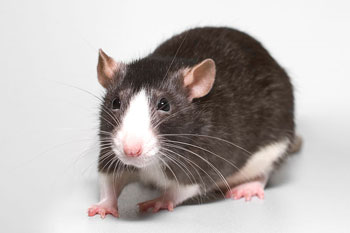
Persistence and endurance will go a long way in handling your fancy rats. Use low volume comforting tones while talking to these pets because they have an exceptional hearing ability and frighten easily, leap or even flee and hide themselves when exposed to loud noises. On nearing their cage manifest joy and pleasure in your voice. Gentle handling of your rat is vital. In order to lift the rat, lightly hold on to her tail and halt her forward movement, support her body from underneath by slowly sliding your other hand and gently pick her up. Do not lift her by her tail.
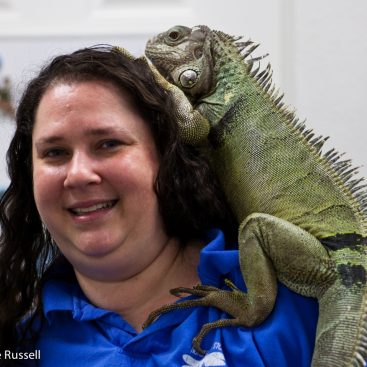
Having discovered a fondness for insects while pursuing her degree in Biology, Randi Jones was quite bugged to know that people usually dismissed these little creatures as “creepy-crawlies”.