Hamsters
Scientific Classification
| Kingdom: | Animalia |
| Phylum: | Chordata |
| Subphylum: | Vertebrata |
| Class: | Mammalia |
| Order: | Rodentia |
| Suborder: | Myomorpha |
| Superfamily: | Muroidea |
| Family: | Cricetidae |
| Subfamily: | Cricetinae |
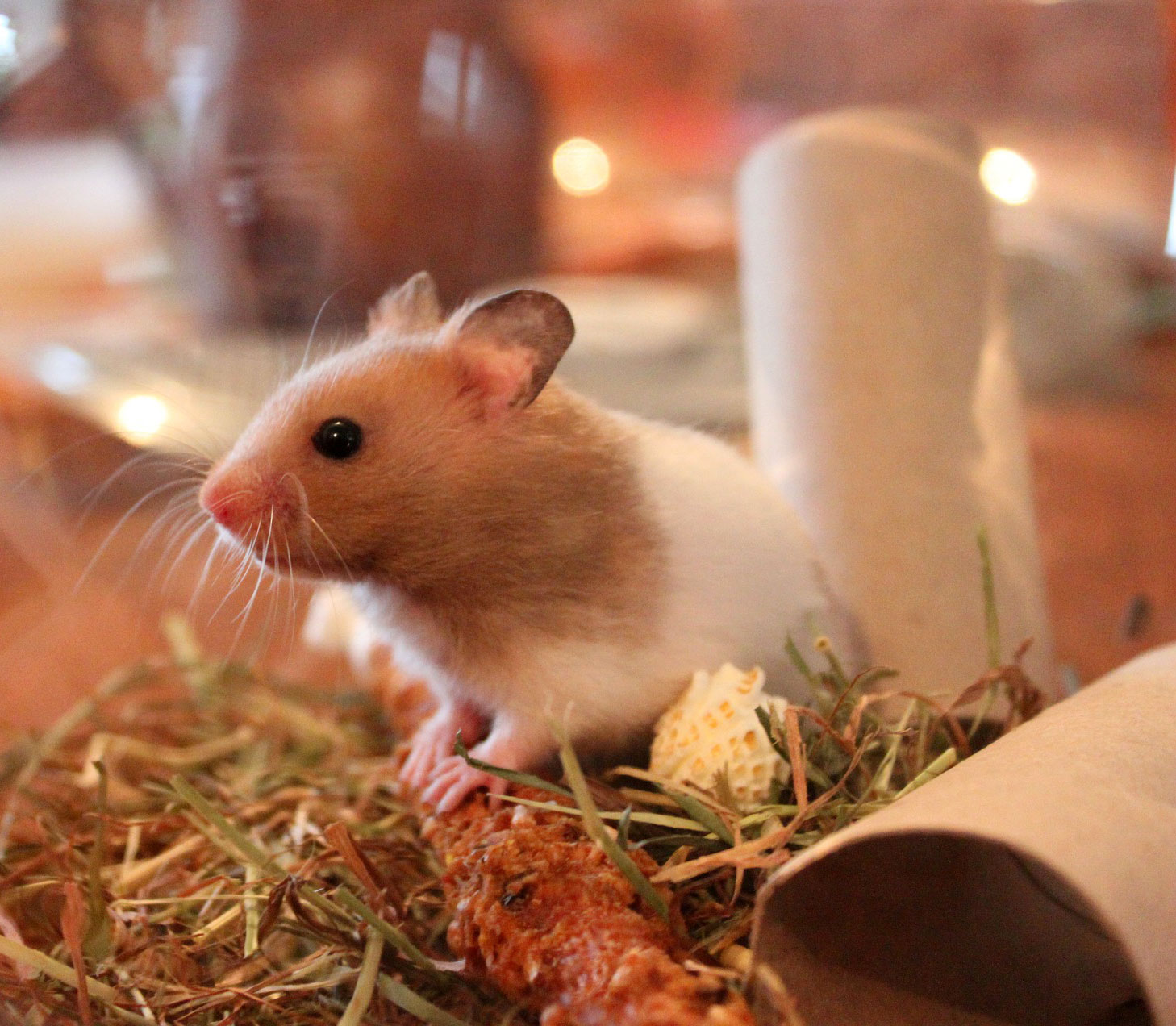
Hamsters are rodents belonging to the family Cricetidae and the subfamily Cricetinae. These crepuscular (twilight) Hamsters settle underground at day protecting themselves against predators. When in the wild, they eat vegetables, seeds, fruits and at times, they feed on insects in the burrows.
Anatomy
These hamsters gather food and carry them back to their burrows, storing them in the extended cheek pouches stretching up to their shoulders. Hamsters slumber during the day and are active at night, a feature that is sure to create consternation due to the noise of wheel running and cage biting.
Behavior
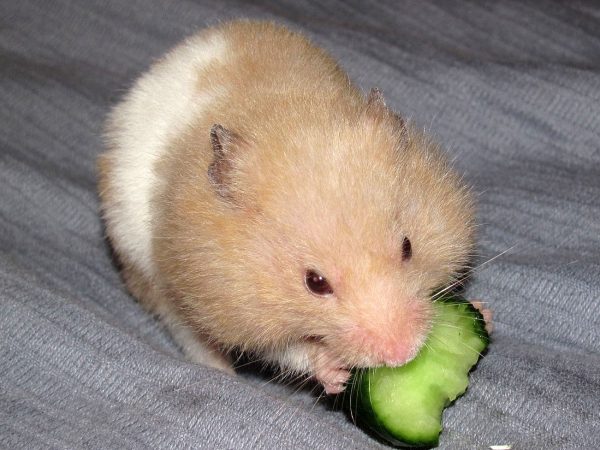
The hamsters’ behavior with their pet keepers depends on their genetics, environment and interaction. Hamsters make ideal pets for captive breeding; many laboratories rear hamsters. Food hoarding is the characteristic behavior of hamsters. They hold their foodstuff in their large cheek pouches and deposit them into their underground chambers where they store food away. When they pack their cheeks with food, their heads appear double in size and at times triple.
Habitat
The origin of these pet hamsters are locations of China, Syria, Mongolia, and, Russia. The Syrian hamster was the first to reach the United States, in late 1930’s. In 1950’s they became popular as pets.
As a Pet
Breeding
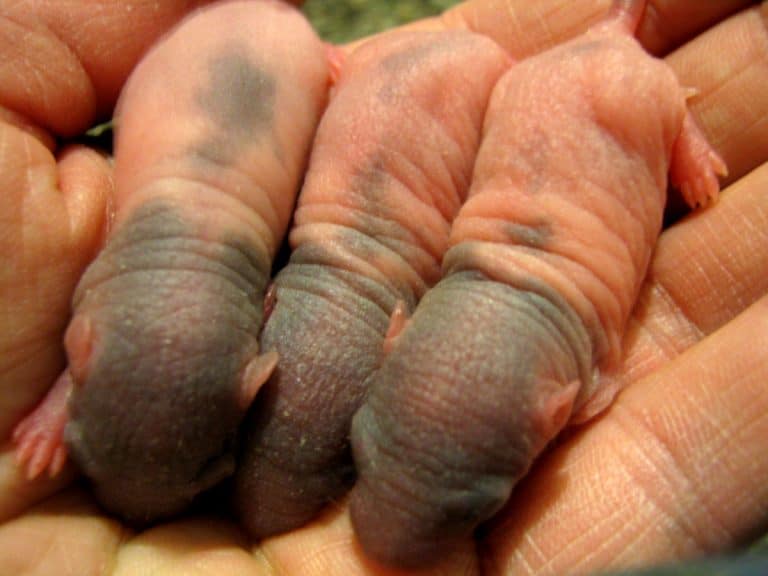
Hamsters survive more in the wild and in captivity they live less than two or perhaps four years. Because of this short life span of hamsters, they develop faster and start reproducing at an early age (two months). When you leave the hamsters undisturbed, they give birth many times in a year and in every litter, you can see many babies. In order to restrict the unplanned production; keep the females and males in separate cages. Be very careful while breeding these rodents because a female not in her mood, turns brutal towards the male, leading to lethal consequences.
Housing
Either you must house your hamsters in terrariums or in cages; you can get them in pet care hamster stores. Transferring cages are effortless, they find it convenient to mount on the bars, and these cages contain handy front doors. However, terrariums give a nice view of the hamster’s home and prevent them from flinging the litter outside their enclosures. Their homes are more secure and quiet. Overall, terrariums suit the dwarf hamsters, since they do not like noise, and if you select a cage, you need a very narrow network of bars so that they do not glide and escape through.
Food
Hamster mix containing cracked corn, pellets, seeds and grains is the best for your pet. You can easily obtain it is from the pet supply stores.
As per ASPCA’s recommendations, supplement fresh foods in two to three days. Give fresh grains, nuts and sunflower seeds (Do not give plenty, since these contain high content of fat), fresh fruits and vegetables like lettuce, carrots spinach, apples, and alfalfa pellets. Provide them with clean and fresh water throughout. An inverted bottle provided with a drinking tube is ideal. Every day, replace the water.
Handling
Interacting with these hamsters add fun to its breeding. Bear in mind that most hamsters dislike handling. Hence, leave them on their own. Give the hamsters plenty of attention by playing with them. You notice that they are lively, fuzzy and vigorous.
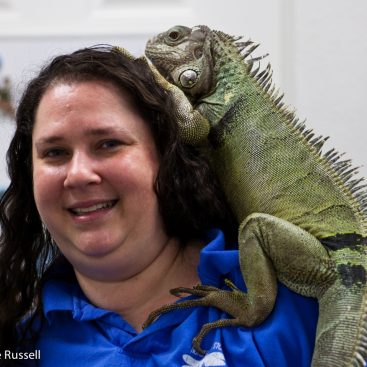
Randi Jones is the owner and founder of the Nature Gift Store, an online retailer specializing in nature-themed gifts, educational science projects, live animal nature kits and real butterfly artwork. A biology graduate who fell in love with insects, she founded the company in 2001 to make active learning about nature fun, accessible and engaging for children and adults. Her store offers real butterfly frames, home and garden decor and educational live animal kits, including ant farms, worm farms, tadpoles, ladybugs and hermit crabs, and she runs a bug museum in Washington featuring live animals like Eddie the Iguana alongside other reptiles and insects.