Bearded Dragon Lizard
Scientific Classification
| Kingdom: | Animalia |
| Phylum: | Chordata |
| Class: | Reptilia |
| Order: | Squamata |
| Suborder: | Lacertilia |
| Family: | Agamidae |
| Genus: | Pogona |
| Species: | P. vitticeps |
A Favorite Pet among Hobbyists
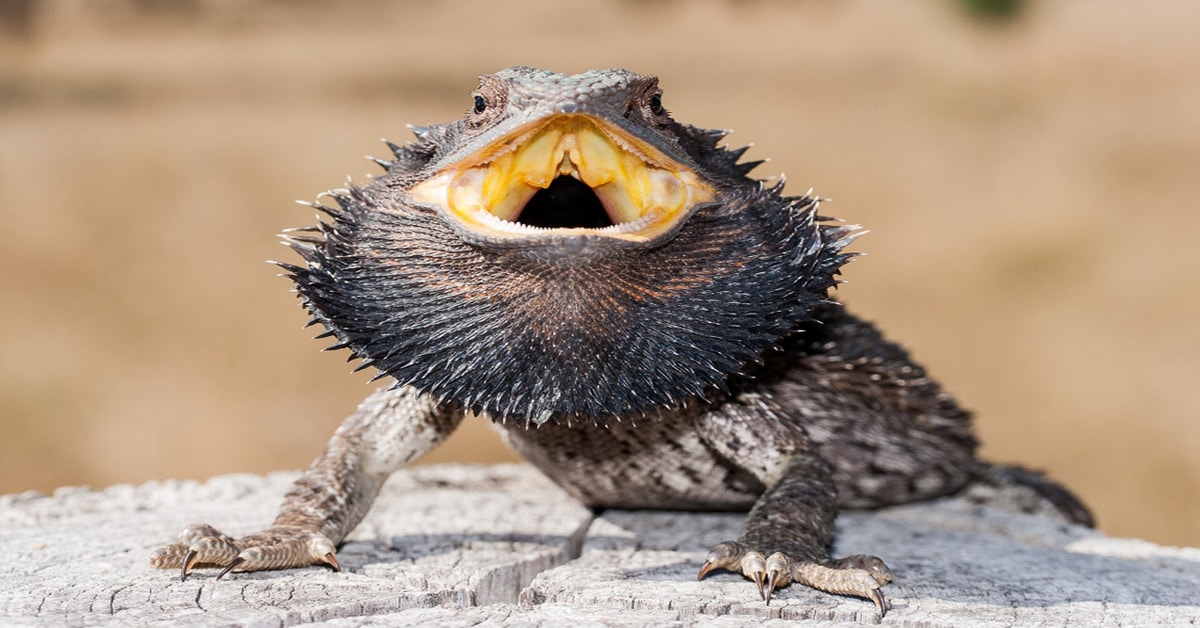
The Pogona species of reptiles have eight species; they generally go by the name,” Bearded Dragon Pogona”. This name refers to the central bearded dragon, (Pogona vitticeps). The habitats of reptiles belonging to this genus are the dry, semi-desert regions, rocky and open dry woodlands of Australia They have great skills in climbing, passing their time in bushes, on branches, and in places next to where human beings live. In the mornings and at noontime, you see these bearded dragons bask on dry branches and on rocks. You find these bearded dragons all over Australia.
Anatomy
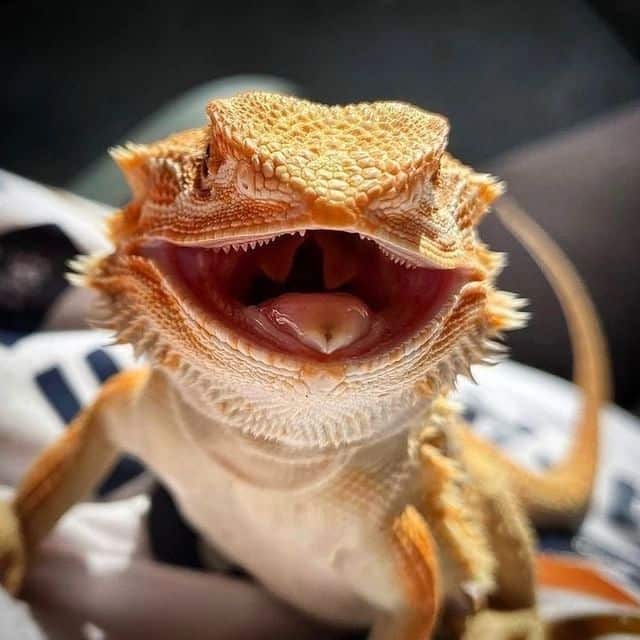
Normally the male bearded dragons are bigger than the females. A few are huge in size exceeding 2 feet. Nevertheless, the average size of these bearded dragons is 16” and 22”. Of course, you see smaller ones too. For a long time the assumption continued that in captivity, a bearded dragon can live rom 5 to 7 years.
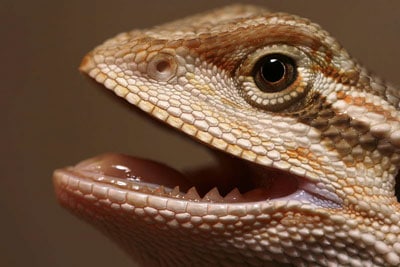
As a Pet
Many people rear a good lot of these bearded dragons of the pogona genus, particularly the central bearded dragon, as pets and at times place them in the zoos for exhibition.
Housing
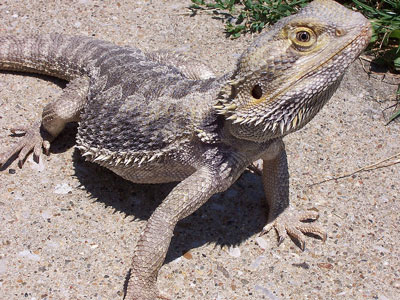
It is possible to keep an adult bearded dragon in a glass terrarium of convenient size. They require less space when compared to the active ones. Be careful not to maltreat them by providing insufficient space. The hatchlings grow very fast, within one or two months. At the beginning, a 30 to 36° in length and 12° high tank would suffice for the first period of 6 months. The grown up ones need a tank of 3 to 4 feet long.
Substrate
For these bearded dragons, chose a substrate that is light in weight, not costly, easily restored and cleaned. Safety is necessary. Researchers are debating on the right type of comforter substrate for these reptiles.
Water and Humidity
The bearded dragons need low humidity, similar to the humidity at homes. Daily spray them with to help in the process of shedding. The lizard will lap a few drops of water seen on the embellishments on the walls of the cage. Keep a dish of water for them. Even though these desert lizards hardly make use of this dish of water, it is easy to offer and you are certain of giving your lizard enough water to drink when it desires.
Food
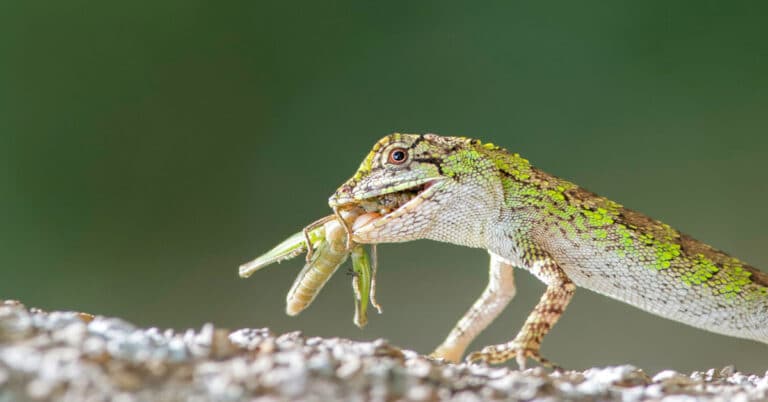
For their diet, the homegrown bearded dragon lizards prefer vegetables, leafy greens and non-citrus fruits with regular supplements of insects. The diet for hatchlings and young ones are mostly insects and crickets are a favorite, besides black soldier fly larvae, super worms, silk worms, wax worms, locusts, grasshoppers, butter worms, hornworms and few types of roaches. Mealworms contain much fat causing ill health; as such give them just a nibble.
Handling
Just as a reptile, bearded dragons too are normally sociable. You do not have to apply much effort in grasping and managing them. Still, hatchlings scare initially. Handle them at floor height to avoid abrupt dashing. Be cautious while managing with these bearded dragons; ensure that you do not stress them.
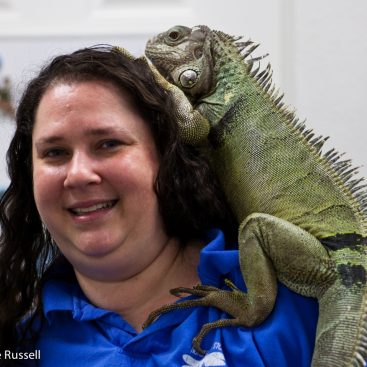
Having discovered a fondness for insects while pursuing her degree in Biology, Randi Jones was quite bugged to know that people usually dismissed these little creatures as “creepy-crawlies”.