Insects

Insects are the most diverse group of animals on Earth, with more than a million described species and many more still waiting to be named. Every adult insect shares the same basic body plan: six legs, a body divided into head, thorax and abdomen, and a hard outer skeleton that must be shed for it to grow. Many, like butterflies and beetles, go through complete metamorphosis from larva to pupa to adult, while others, such as grasshoppers, grow gradually through nymph stages. Insects pollinate crops, recycle dead plants and animals, and feed countless birds, fish and mammals.

Explore the colorful world of butterflies, the busy colonies of bees and ants, and the armored variety of beetles, along with sections on dragonflies, mantises, ladybugs and wasps. Life cycle guides show how insects from cicadas to mosquitoes develop, and practical pages on bed bugs, fleas, lice and cockroaches help families understand the pests they meet at home or when camping.

Start here: Rove Beetle · How Many Legs Do Ants Have? · Dragonfly Life Cycle · Grasshopper Life Cycle – 3 Stages & Unique Characteristics · Ladybug Anatomy · Beetle Life Cycle

Browse by group: Ants · Bed Bug · Bees · Beetles · Butterflies · Caterpillar · Cockroach · Dragonfly · Flea · Fly · Grasshopper · Ladybug · Lice · Mantis · mosquito · Moth · Wasps

  • Elephant Beetle

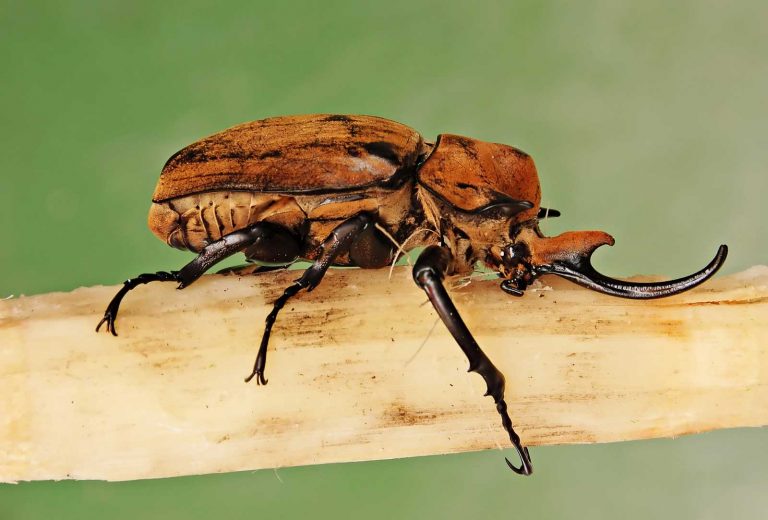
    The elephant beetle (Megasoma elephas) is one of the biggest beetles in the world. It is a kind of rhinoceros beetle that lives in the rainforests of Mexico, Central America and northern South America, and the males carry a huge curved horn on their heads. Elephant beetle Quick Facts Common name Elephant beetle Scientific name…
  • Dung Beetle

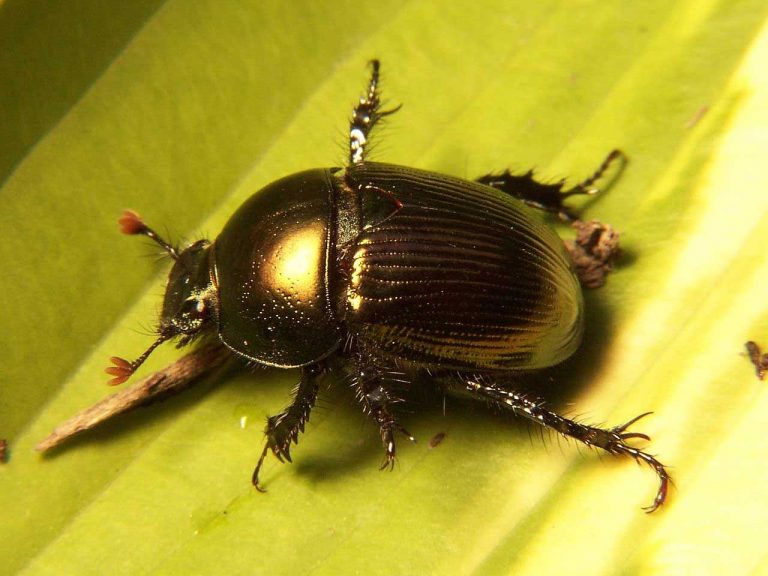
    Dung beetles are beetles that eat animal poop, or dung. That might sound gross, but they are some of the most useful insects on Earth, cleaning up waste, feeding the soil and helping plants grow. Dung beetle Quick Facts Common name Dung beetle Type Insect (beetle) Diet Dung (animal poop); some eat rotting fruit, fungi…

  • Do Carpet Beetles Bite?

    Quick answer: Adult carpet beetles do not bite people. The itchy red bumps blamed on them usually come from contact with the tiny hairs of their larvae, which can irritate skin, or from other pests such as bed bugs or fleas. Carpet beetles are tiny, round beetles that sneak into homes and nibble on wool,…

  • Diving Beetles

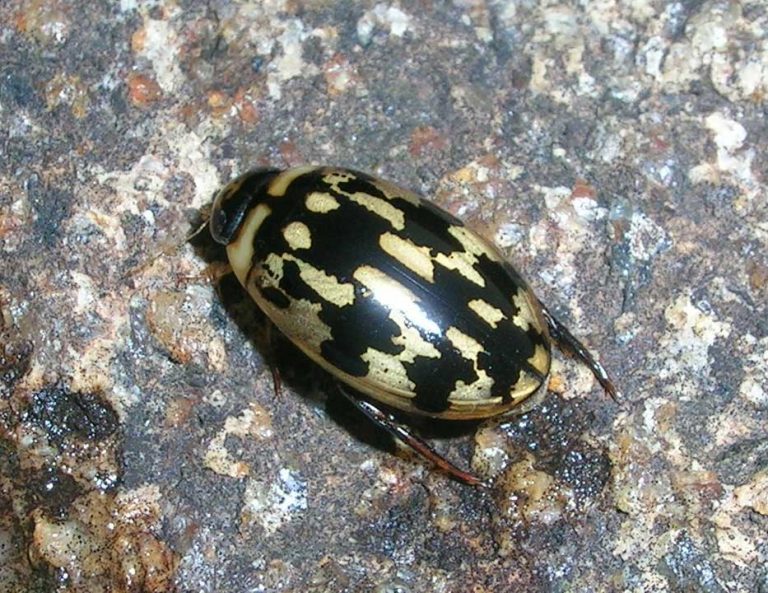
    Diving beetles are fierce hunting beetles that live in ponds, lakes and slow streams. They belong to the family Dytiscidae, also called predaceous diving beetles, and both the adults and their larvae spend most of their lives underwater. The name Dytiscidae comes from a Greek word meaning “able to dive.” Diving beetles Quick Facts Common…

  • Darkling Beetle

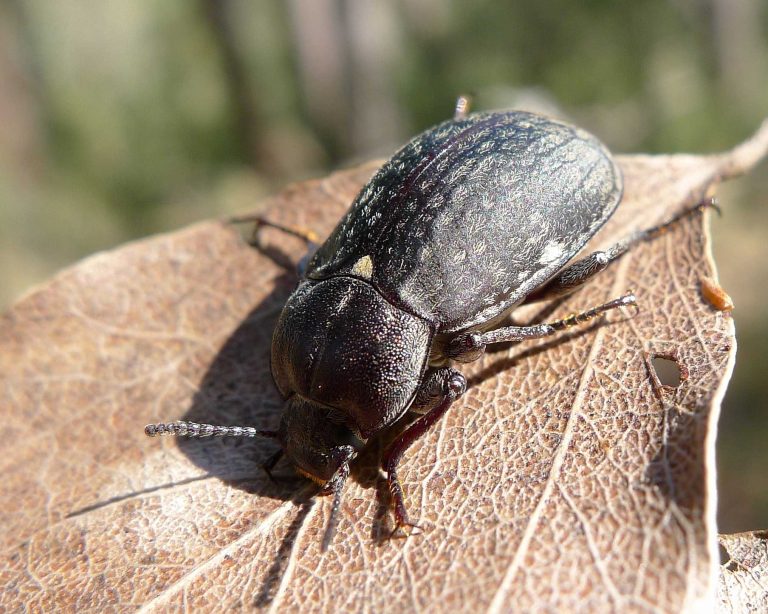
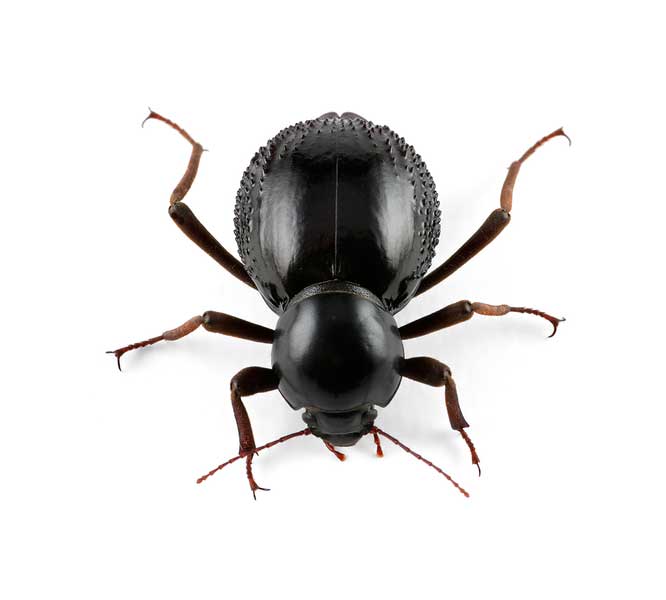
    Darkling beetles are a huge family of beetles found almost everywhere on Earth, from deserts to forests to kitchen cupboards. They belong to the family Tenebrionidae, which has around 20,000 known species. The best-known darkling beetle is the mealworm beetle, whose larvae, mealworms, are sold as food for pets. Darkling beetle Quick Facts Common name…

  • Dermestid Beetle

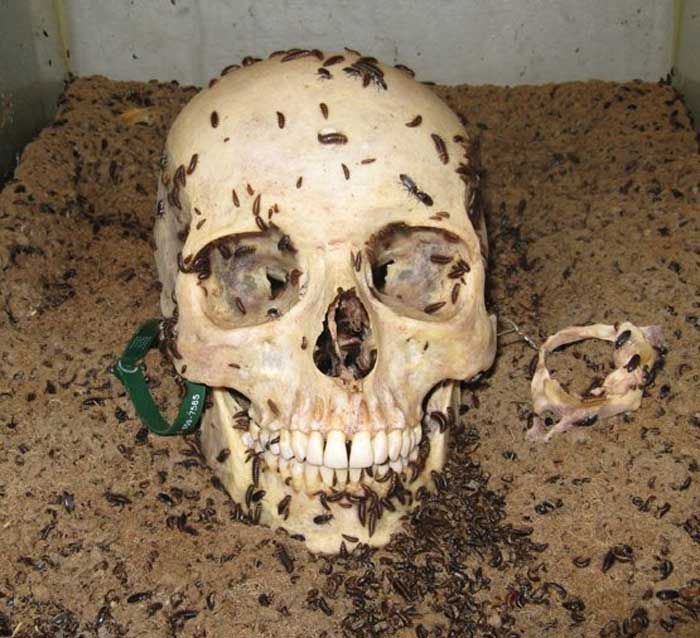
    Dermestid beetles are small beetles whose larvae eat dried animal materials such as skin, fur, feathers and dried meat. They belong to the family Dermestidae, and they are also called skin beetles. Some are household pests, while others are so good at cleaning bones that museums keep them to prepare skeletons. Dermestid beetle Quick Facts…

  • Click Beetles

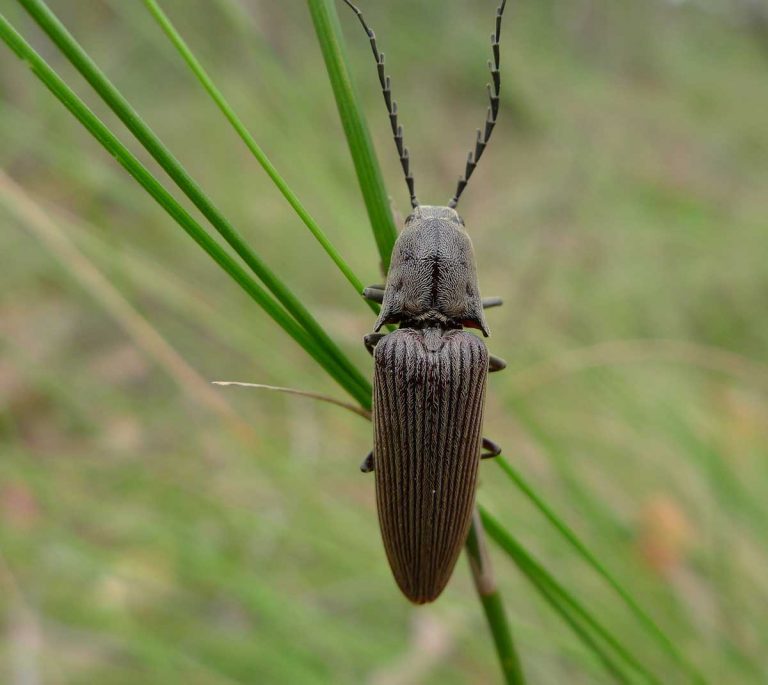
    Click beetles are long, slim beetles famous for a special trick: if one lands on its back, it can flip itself into the air with a loud “click.” They belong to the family Elateridae. Their larvae, called wireworms, live in the soil and can be serious garden and farm pests. Click beetles Quick Facts Common…

  • Cucumber Beetles

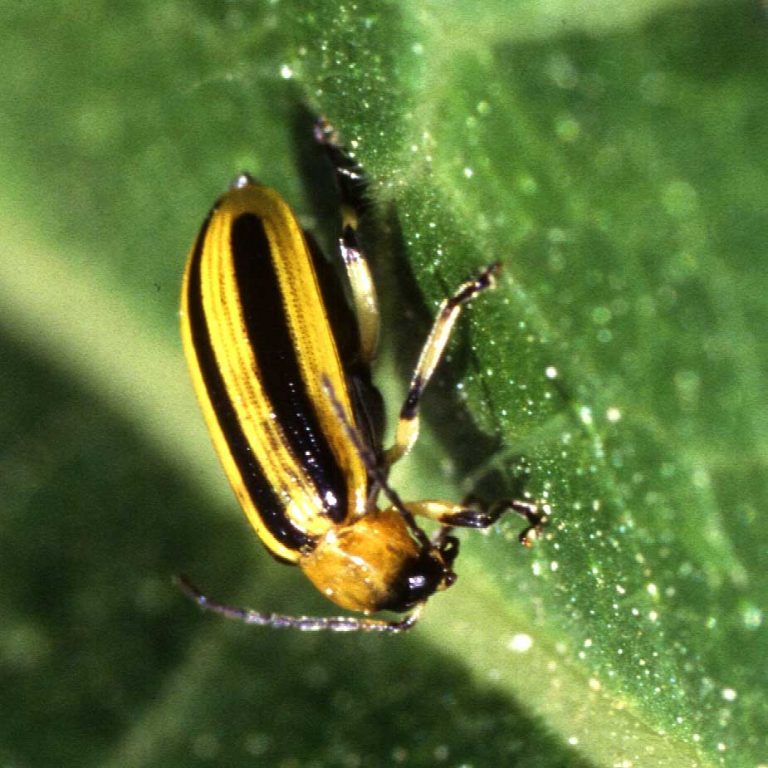
    Cucumber beetles are small, brightly colored leaf beetles that feed on cucumber, squash, melon and pumpkin plants. Gardeners and farmers know them well, because both the adults and their larvae can damage crops. They belong to two related groups (genera) of leaf beetles, Acalymma and Diabrotica, in the family Chrysomelidae. Cucumber beetles Quick Facts Common…

  • Carpet Beetles

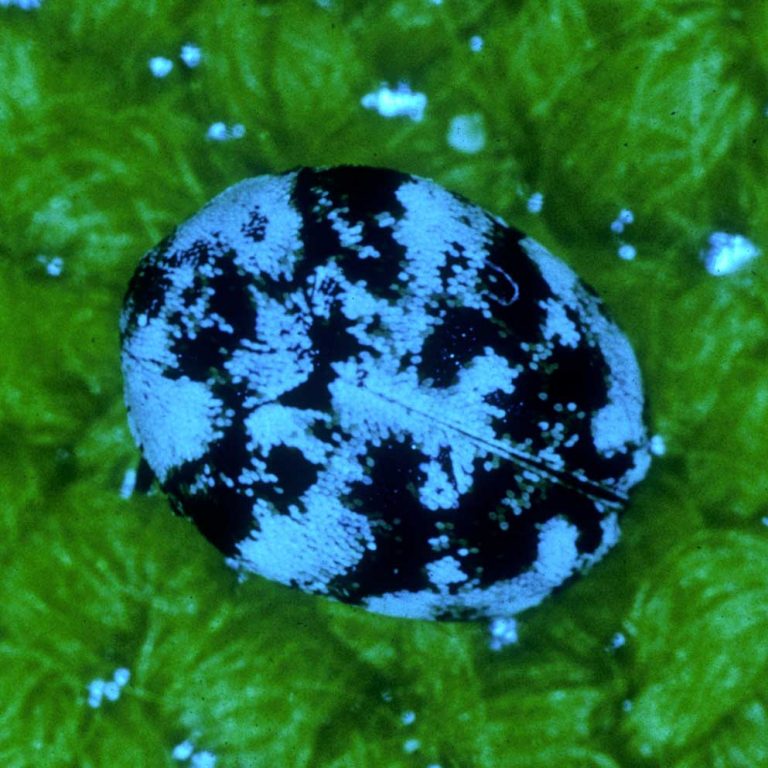
    Carpet beetles are tiny, round beetles that sometimes sneak into homes, where their larvae chew on wool, fur, feathers and other animal materials. They belong to the family Dermestidae, along with their relatives the larder beetles and hide beetles. Carpet beetles Quick Facts Common name Carpet beetles Scientific name Dermestidae Kingdom Animalia Phylum Arthropoda Class…

  • Carrion Beetle

    Carrion beetles are beetles that feed on dead animals, which are known as carrion. They belong to the family Silphidae, and the group includes the famous burying beetles, which bury small dead animals to feed their young. By cleaning up dead animals, these beetles are some of nature’s most important recyclers. Carrion beetle Quick Facts…

  • Boll Weevil Song

    The Boll Weevil Monument in Enterprise, Alabama. Boll weevil Quick Facts Common name Boll weevil Scientific name Anthonomus grandis Kingdom Animalia Phylum Arthropoda Class Insecta Order Coleoptera Family Curculionidae Genus Anthonomus Type Traditional American blues and folk song Special feature Tells the story of a farmer and a stubborn boll weevil Native range Boll weevil:…

  • Carpet Beetle Larva

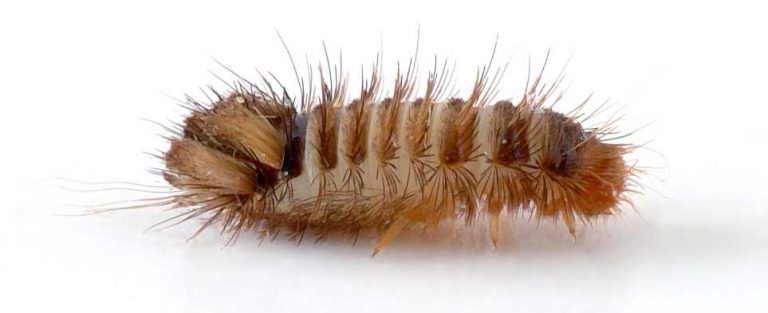
    A carpet beetle larva is the young, worm-like stage of a small beetle that lives in many homes. These fuzzy little creatures are the ones that chew holes in wool sweaters, rugs and other things made from animal fibers. The adult beetles do no harm indoors at all. Carpet beetle larva Quick Facts Common name…