Bee Facts: Things You Might Not Know
In this article, we will explore some bee facts that you may not have known before.
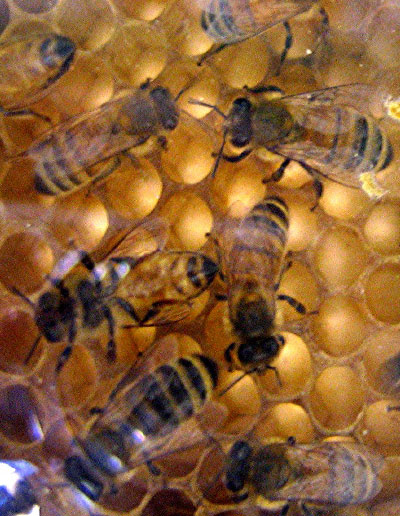
- The honey bee tends to be non-aggressive unless bothered. The honey bee is the only bee species that dies after stinging someone. The honey bee has a barbed stinger which actually pulls away from their stomach along with a poison sac after stinging. The reason that the honey bee dies after it stings is because of the abdomen rupture from when the poison sac was pulled free from their abdomen. So if you think that after you have been stung once by a bumble bee, the bee is going to die, you are wrong.
- Hornet’s are a type of bee. They are aggressive when they go about their stinging and they sting in full-flight mode, which adds a whole lot more pain to their sting. You will definitely need to watch out for the hornet if you are messing around with bees, this is one bee that you do not want to get stung by.
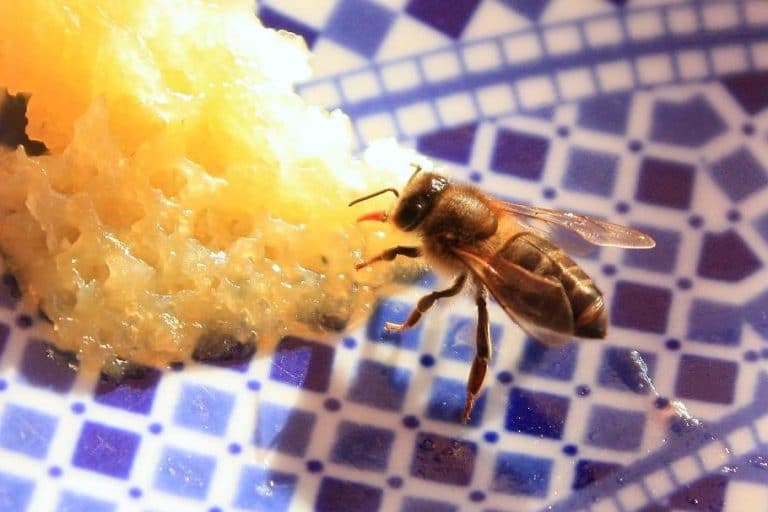
 One of the coolest things about bees is the fact that they produce some food humans like. Honey is a product made of the nectar that has been regurgitated and then dehydrated by honey bees. And yes, it is true that the bees do eat their own honey, in fact, one teaspoon of honey actually contains enough energy for a single bee to fly around the world! Honey is completely organic and it contains every single nutrient that a human needs to survive, including the water content. So it might do you some good to keep a jar of honey in your house or even in your car incase you might need it in an emergency.
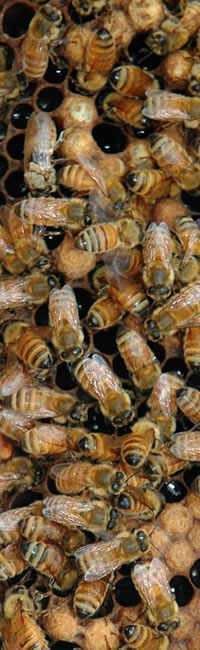 One of the coolest things about bees is the fact that they produce some food humans like. Honey is a product made of the nectar that has been regurgitated and then dehydrated by honey bees. And yes, it is true that the bees do eat their own honey, in fact, one teaspoon of honey actually contains enough energy for a single bee to fly around the world! Honey is completely organic and it contains every single nutrient that a human needs to survive, including the water content. So it might do you some good to keep a jar of honey in your house or even in your car incase you might need it in an emergency.
While most bees prefer to be in a colony, it is not true that every type of bee needs to be in a colony. In fact, there are many bees that change their housing structures all of the time and they do not have a colony at all. Of course, these are the bees that you do not usually hear a lot about, though they are also interesting. Carpenter bees are one of the bees that do not need a colony and make individual holes to live in.

Having discovered a fondness for insects while pursuing her degree in Biology, Randi Jones was quite bugged to know that people usually dismissed these little creatures as “creepy-crawlies”.