About Honey Bees
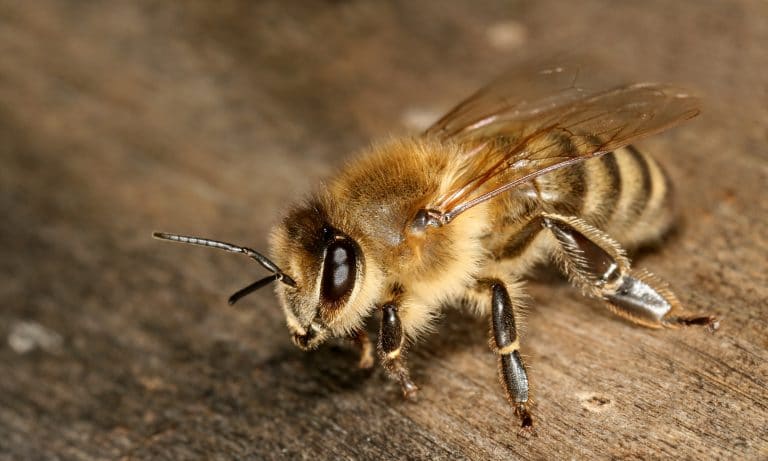
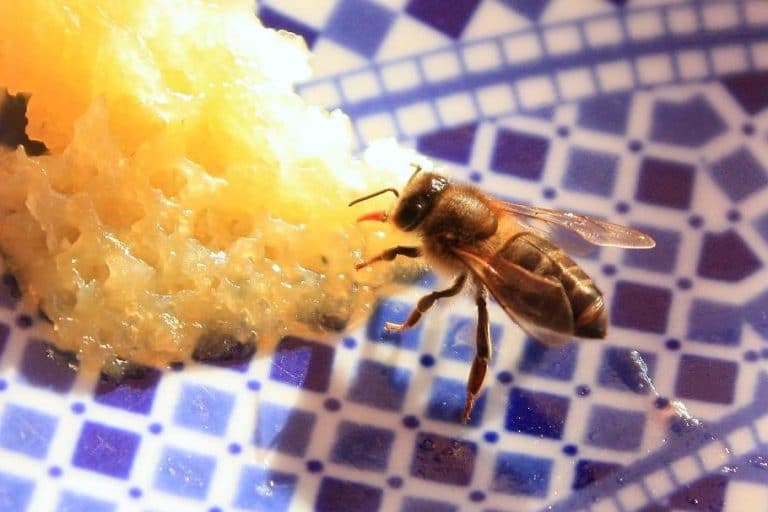
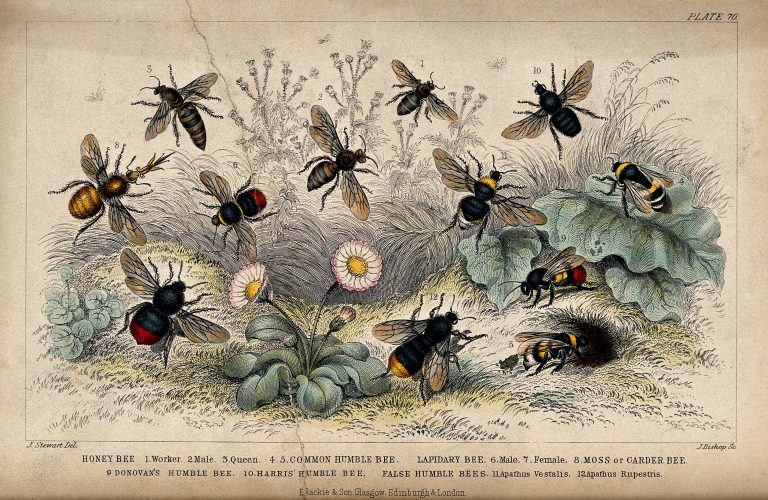
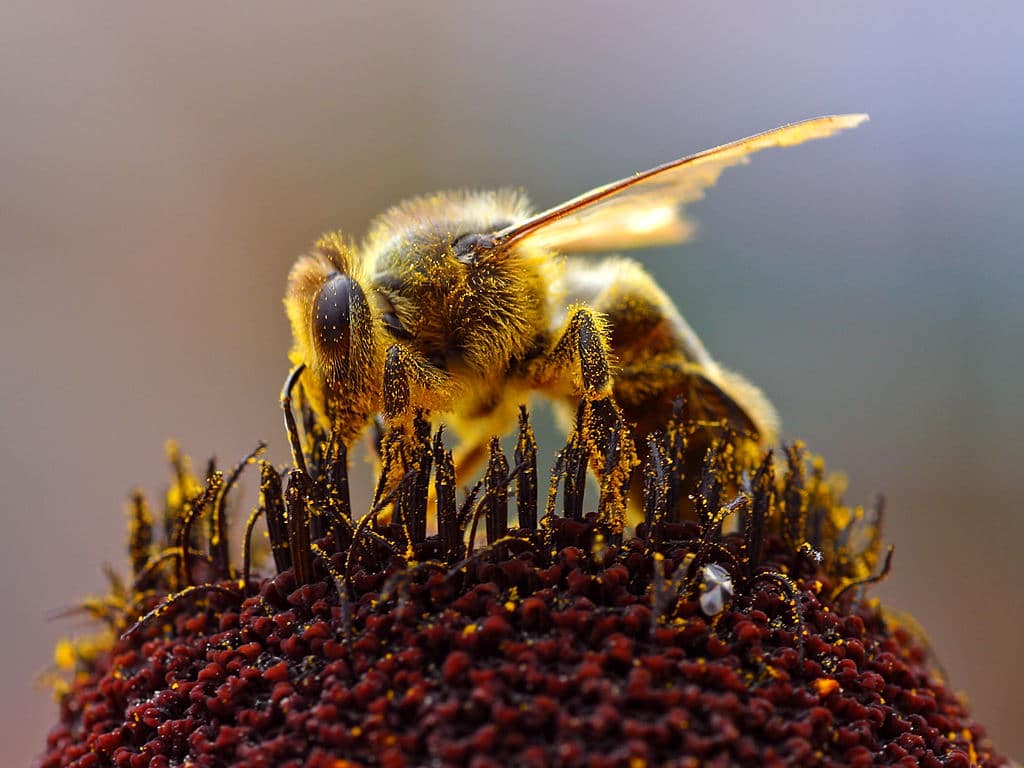
When it comes to bees, everyone is very familiar with the honey bee. While all humans do not necessarily like bees, the honey bee is definitely one of the most popular as they produce one of the sweetest tasting products in the world: Honey! Of course, honey bees do not just produce and make honey, but their honey comb is also something that humans are really enjoy. We can make all sorts of things out of the honey comb wax! In this article, we will explore many of the facts that people simply do not know about these interesting and wonderful insects.
For example, did you know that there may be about forty-four subspecies of honey bees but only about eleven of those have been identified? Of course the honey bee represents only a very small fraction of the twenty-thousand species of bees, but there is definitely something to be said about this creature and what it contributes to the world.
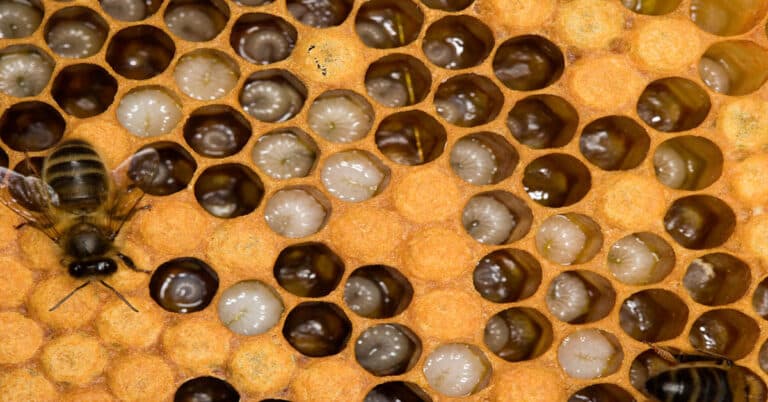
The life cycle of the honey bee is actually pretty interesting. As with all bees, the queen bee is the one that lays all of the eggs. The eggs are laid singularly in a cell of the wax honeycomb that is of course produced and shaped by the worker bees – come on, who hasn’t seen The Bee Movie? When the honey bee is first born from a larvae, it starts out as a worker bee and the young worker bee’s job is to clean the hive and feed all of the new larvae. This is of course when the young bee’s royal jelly producing glands develop which are used to feed larvae. This will continue to be the honey bee’s life until they decide to take their first flight and finally leave the hive. As soon as a bee leaves the hive to find pollen, they typically are now referred to as a forager bee.
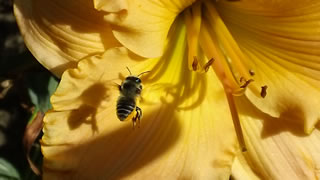
The honey bee’s defense does result in their death – they can only sting once and then they pass away. This is one reason why bees will only sting if they feel that they are absolutely threatened. Just keep that in mind when you are attempting to bother a bee hive. The honey bee is the only bee species that dies after stinging someone. The honey bee has a barbed stinger which actually pulls away from their stomach along with a poison sac after stinging. The reason that the honey bee dies after it stings is because of the abdomen rupture from when the poison sac was pulled free from their abdomen.

Having discovered a fondness for insects while pursuing her degree in Biology, Randi Jones was quite bugged to know that people usually dismissed these little creatures as “creepy-crawlies”.