Insects

Insects are the most diverse group of animals on Earth, with more than a million described species and many more still waiting to be named. Every adult insect shares the same basic body plan: six legs, a body divided into head, thorax and abdomen, and a hard outer skeleton that must be shed for it to grow. Many, like butterflies and beetles, go through complete metamorphosis from larva to pupa to adult, while others, such as grasshoppers, grow gradually through nymph stages. Insects pollinate crops, recycle dead plants and animals, and feed countless birds, fish and mammals.

Explore the colorful world of butterflies, the busy colonies of bees and ants, and the armored variety of beetles, along with sections on dragonflies, mantises, ladybugs and wasps. Life cycle guides show how insects from cicadas to mosquitoes develop, and practical pages on bed bugs, fleas, lice and cockroaches help families understand the pests they meet at home or when camping.

Start here: Rove Beetle · How Many Legs Do Ants Have? · Dragonfly Life Cycle · Grasshopper Life Cycle – 3 Stages & Unique Characteristics · Ladybug Anatomy · Beetle Life Cycle

Browse by group: Ants · Bed Bug · Bees · Beetles · Butterflies · Caterpillar · Cockroach · Dragonfly · Flea · Fly · Grasshopper · Ladybug · Lice · Mantis · mosquito · Moth · Wasps

  • Grain Weevil

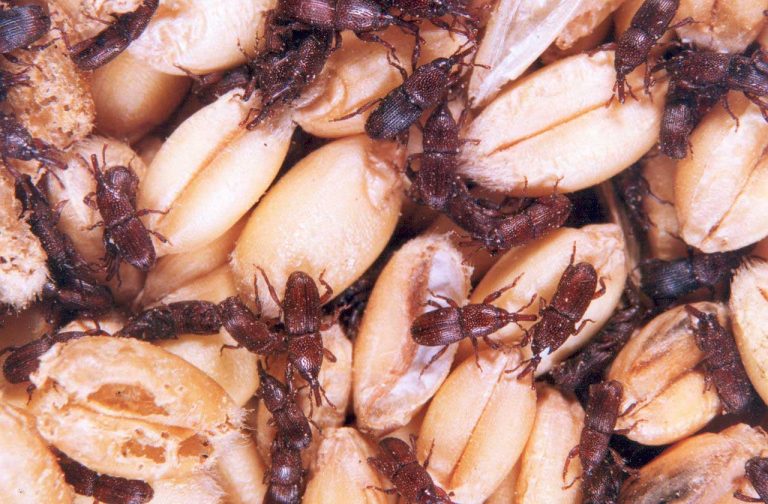
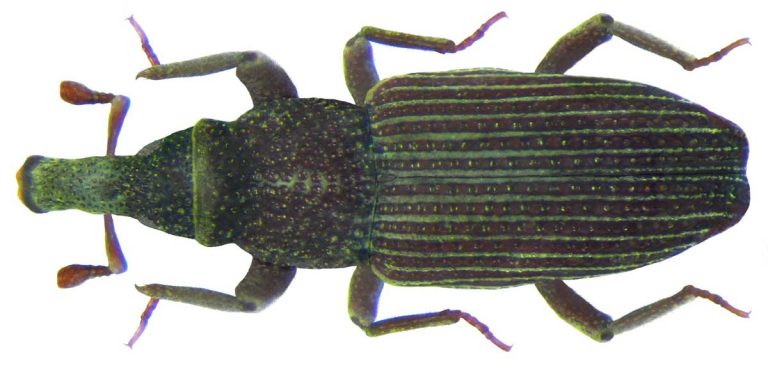
    The grain weevil, also called the granary weevil or wheat weevil, is a tiny beetle with a long snout that lives inside stored grain. It is found all over the world wherever wheat, barley and other cereals are kept. Because its young grow up hidden inside the kernels, it can do a lot of damage…

  • Golden Tortoise Beetle

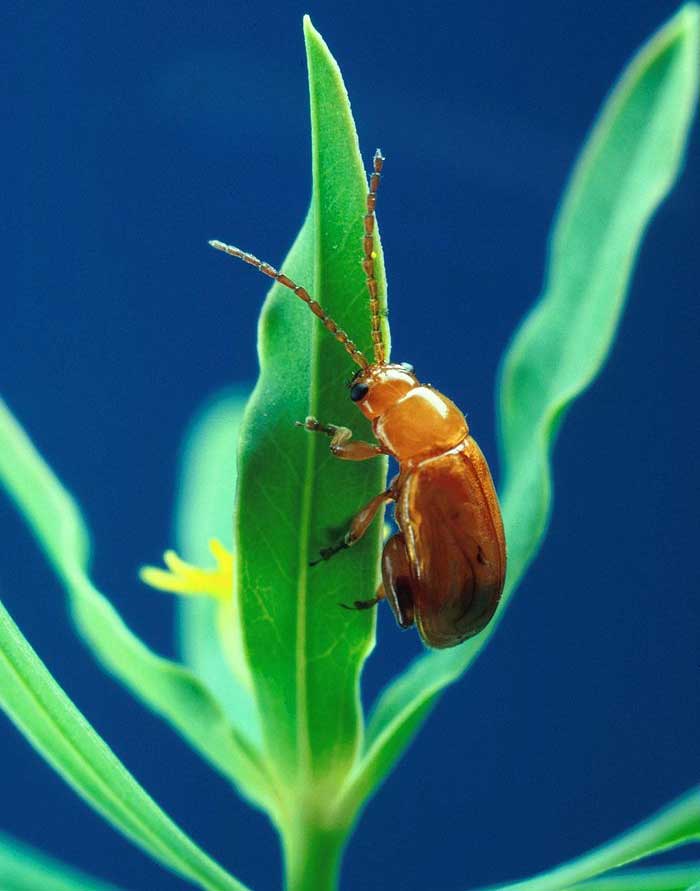
    The golden tortoise beetle is a tiny leaf beetle that looks like a drop of shiny gold. It lives in North America and feeds on morning glories and their relatives. Its most amazing trick is that it can change color, from gleaming gold to dull reddish-brown, in just a few minutes. Golden tortoise beetle Quick…

  • Goliath Beetle

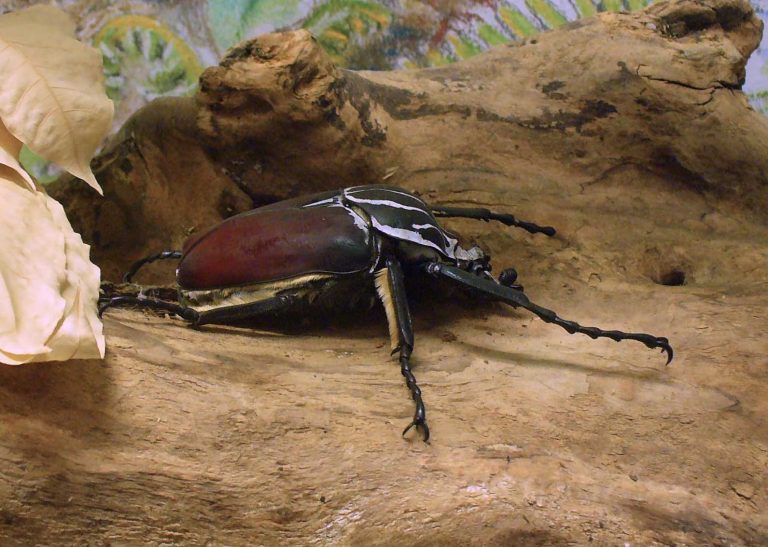
    Goliath beetles are some of the biggest and heaviest insects on Earth. These giant flower beetles live in the forests of tropical Africa, and they are named after Goliath, the giant in the Bible story of David and Goliath. Their young, which are fat white grubs, can be even heavier than the adults. Goliath beetle…

  • How to Get Rid of Weevils

    Quick answer: To get rid of weevils, throw out infested grain products, then vacuum and wipe pantry shelves with soap or vinegar water. Store flour, rice and cereal in airtight containers, and freeze new packages for several days before storing them. Weevils are small beetles with long snouts, and some of them are among the…

  • Glow Worms

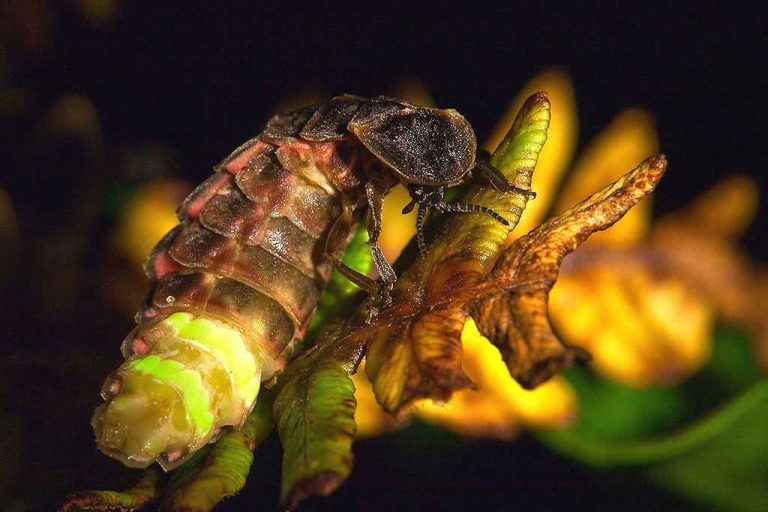
    A glow-worm is not a worm at all. Most glow-worms are beetles, and the name is used for their larvae and for the wingless adult females that look a lot like larvae. They can make their own cold, greenish light, a skill called bioluminescence. Glow-worm Quick Facts Common name Glow-worm Scientific name Lampyridae Kingdom Animalia…

  • How to Get Rid of Japanese Beetles

    Quick answer: Japanese beetles are controlled by hand-picking them into soapy water in the morning, covering plants with netting, and using traps carefully. Treating lawns for their grubs, for example with beneficial nematodes, helps reduce next year’s beetles. The Japanese beetle (Popillia japonica) is a shiny green and copper beetle that eats the leaves and…

  • Flour Weevil

    “Flour weevil” is a nickname people use for the tiny snouted beetles they find in flour, rice, pasta and other pantry foods. Most of the time, these are grain weevils in the genus Sitophilus, which actually breed inside whole grains rather than in flour itself. Grain weevils (flour weevils) Quick Facts Common name Grain weevils…

  • Flour Beetles

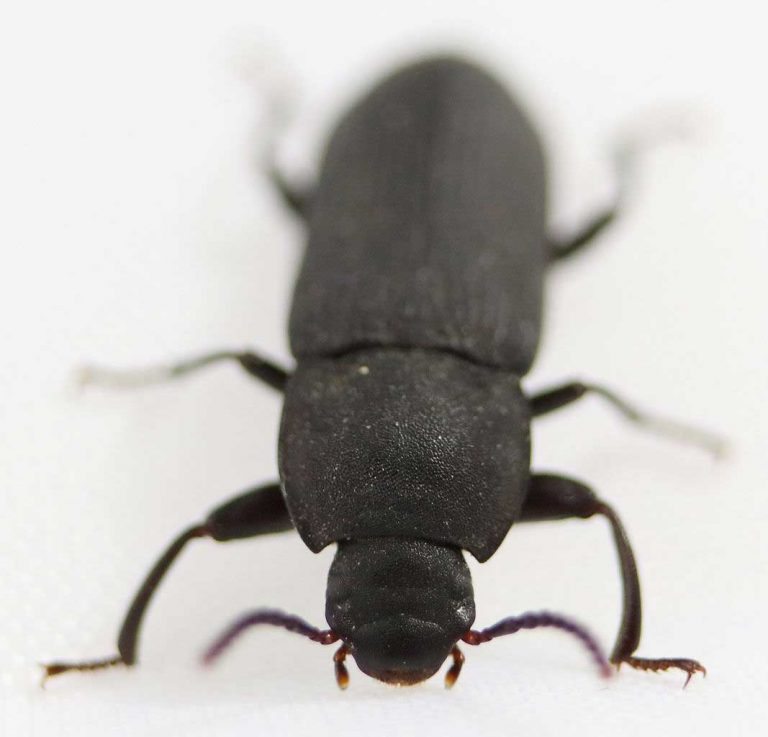
    Flour beetles are tiny reddish-brown beetles that live in stored food such as flour, cereal and pasta. They belong to the genus Tribolium, part of the huge darkling beetle family, and they are among the most common pantry pests in the world. Flour beetle Quick Facts Common name Flour beetle Scientific name Tribolium Kingdom Animalia…

  • Flea Beetles

    Flea beetles are tiny, shiny beetles that jump like fleas when you disturb them. They are a common garden pest, chewing lots of small round holes in the leaves of vegetables and flowers, especially young seedlings. Flea beetles Quick Facts Common name Flea beetles Type Insect (leaf beetle) Diet Leaves of plants; larvae eat roots…

  • Flesh Eating Beetles

    Flesh-eating beetles are scavengers that feed on dead animals, especially dry skin, flesh and hair. The best known is the hide beetle (Dermestes maculatus), a small beetle that museums use to clean skeletons. Hide beetle Quick Facts Common name Hide beetle Scientific name Dermestes maculatus Kingdom Animalia Phylum Arthropoda Class Insecta Order Coleoptera Family Dermestidae…

  • Lightning Bug (Firefly)

    Fireflies, also called lightning bugs, are beetles that can make their own light. On warm summer evenings, they flash yellow-green signals across fields and forests to find a mate. One of the best-known groups in North America is the genus Photinus. Firefly (lightning bug) Quick Facts Common name Firefly (lightning bug) Scientific name Lampyridae Kingdom…

  • Egyptian Beetles

    The sacred scarab (Scarabaeus sacer) is a dung beetle that lives around the Mediterranean, including Egypt. Thousands of years ago, the ancient Egyptians watched this little beetle roll balls of dung and turned it into one of their most important symbols of life, the sun and rebirth. Sacred scarab Quick Facts Common name Sacred scarab…