plants

  • How Long Do Ladybugs Live?

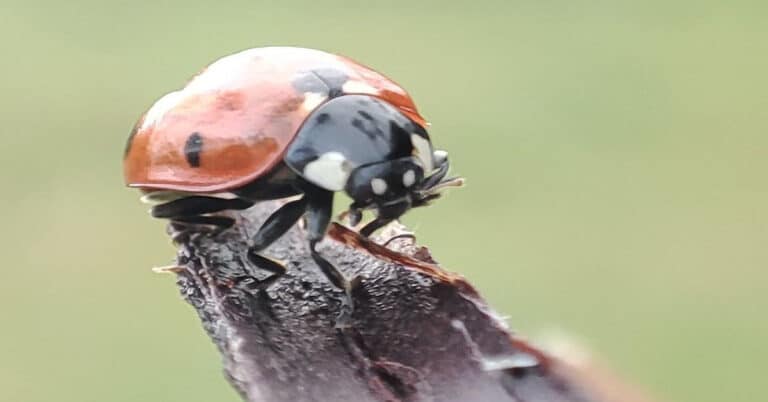
    Quick answer: Ladybugs usually live about one to two years in the wild, depending on the species, food supply, and climate. Some adults can survive the winter by hibernating in sheltered spots, which helps them live longer than many other insects. Ladybugs are the cutest-looking and most fascinating insects in the world. It is very…
  • Tortoise Beetle

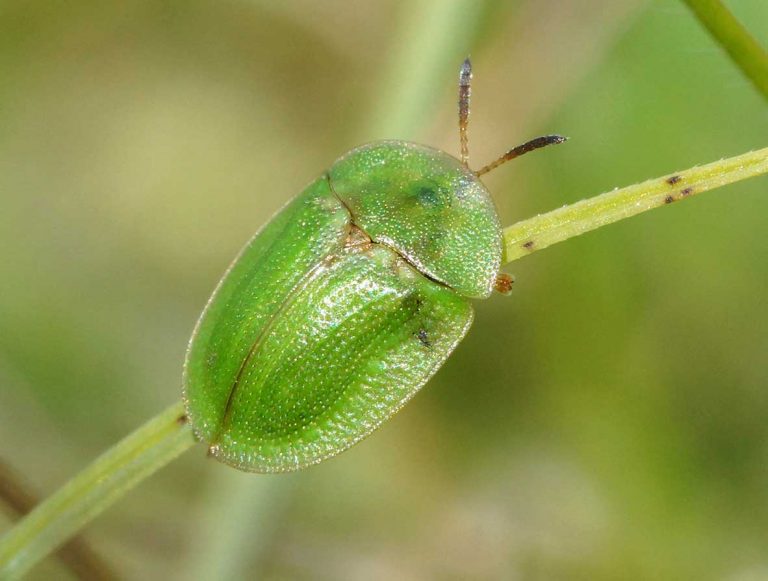
    Tortoise beetles are small, rounded leaf-eating beetles whose wide, flat shells make them look like tiny tortoises or turtles. Some are so shiny they look like drops of gold or living jewelry. Tortoise beetle Quick Facts Common name Tortoise beetle Type Insect (leaf beetle subfamily) Diet Leaves of plants such as morning glory, sweet potato,…

  • Scarab Beetle

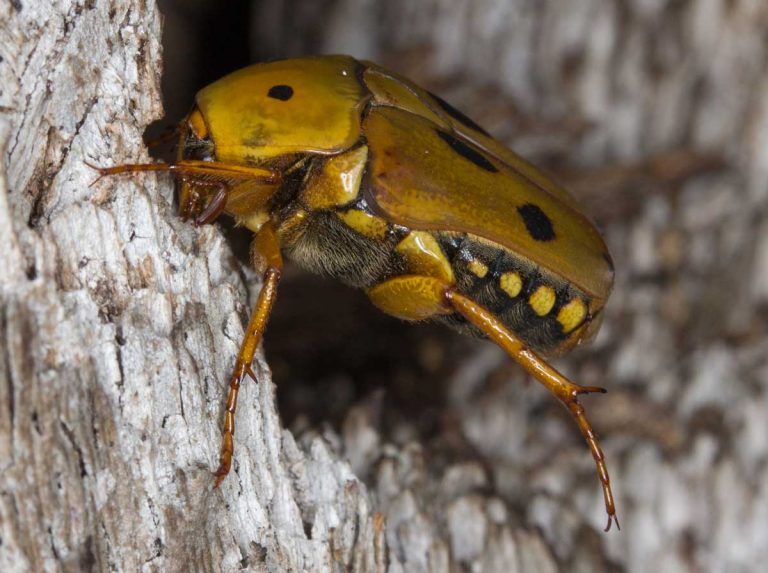
    Scarab beetles are a large family of sturdy, often colorful beetles that includes dung beetles, chafers, June beetles and some of the biggest beetles in the world. There are around 30,000 known species, found on every continent except Antarctica. Scarab beetle Quick Facts Common name Scarab beetle Scientific name Scarabaeidae Kingdom Animalia Phylum Arthropoda Class…

  • Potato Beetles

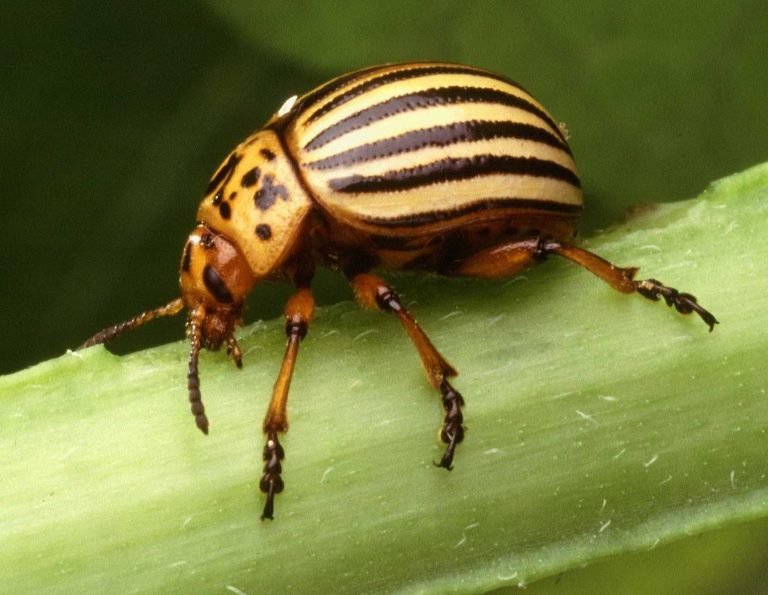
    The Colorado potato beetle (Leptinotarsa decemlineata) is a striped leaf beetle that feeds on potato plants. It is the most damaging insect pest of potatoes in many parts of the world. It is also known as the Colorado beetle, the ten-lined potato beetle and the ten-striped spearman. Colorado potato beetle Quick Facts Common name Colorado…

  • Mexican Bean Beetle

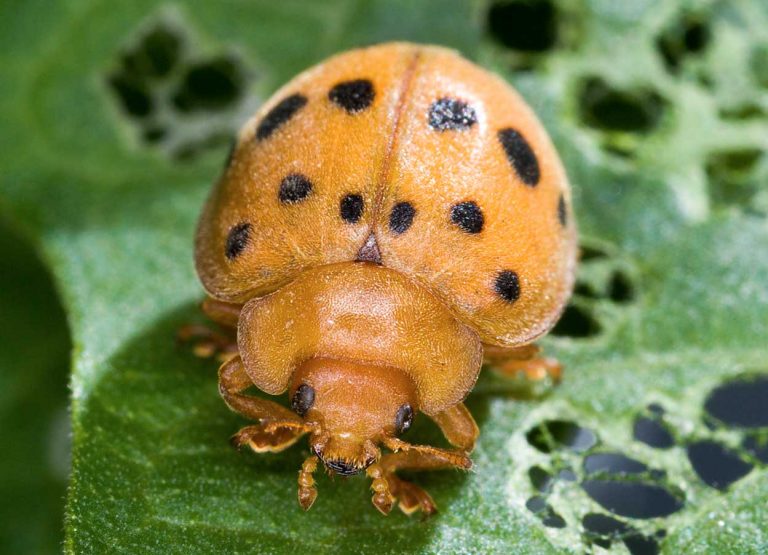
    The Mexican bean beetle (Epilachna varivestis) is a ladybug that eats plants instead of insects. It belongs to the lady beetle family, but unlike its aphid-eating cousins, it feeds on the leaves of bean plants, which makes it a serious garden and farm pest. Mexican bean beetle Quick Facts Common name Mexican bean beetle Scientific…

  • Leaf Beetle

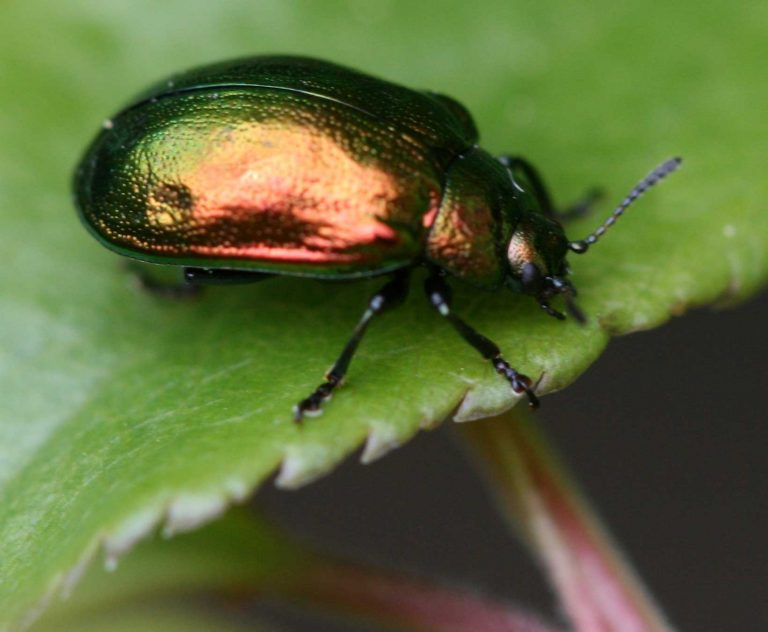
    Leaf beetles are a huge family of small, often brightly colored beetles that feed on plants. Scientists call the family Chrysomelidae, and it contains more than 35,000 known species, making it one of the largest beetle families on Earth. You can find leaf beetles in almost every garden, park and forest. Leaf beetle Quick Facts…

  • June Beetle

    June beetles, also called June bugs or May beetles, are chunky brown scarab beetles that buzz around porch lights on warm late-spring and early-summer evenings. They get their name from the time of year when the adults dig out of the ground. Their larvae, called white grubs, live in the soil and feed on plant…

  • Japanese Beetle

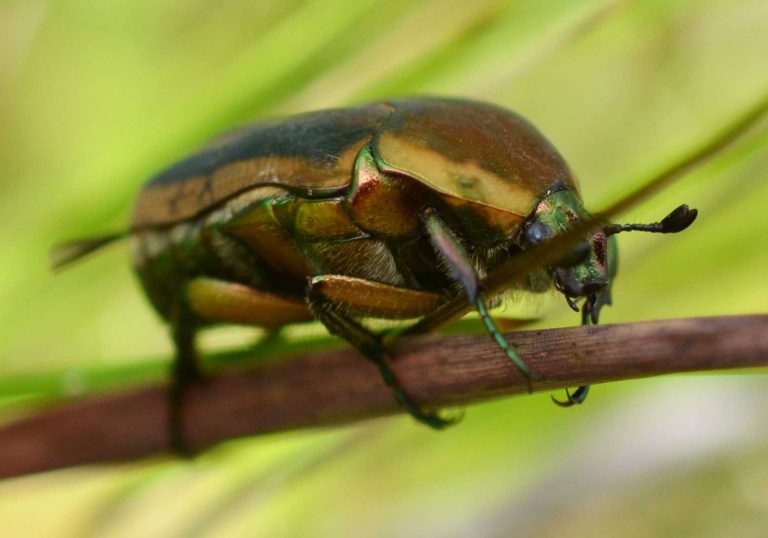
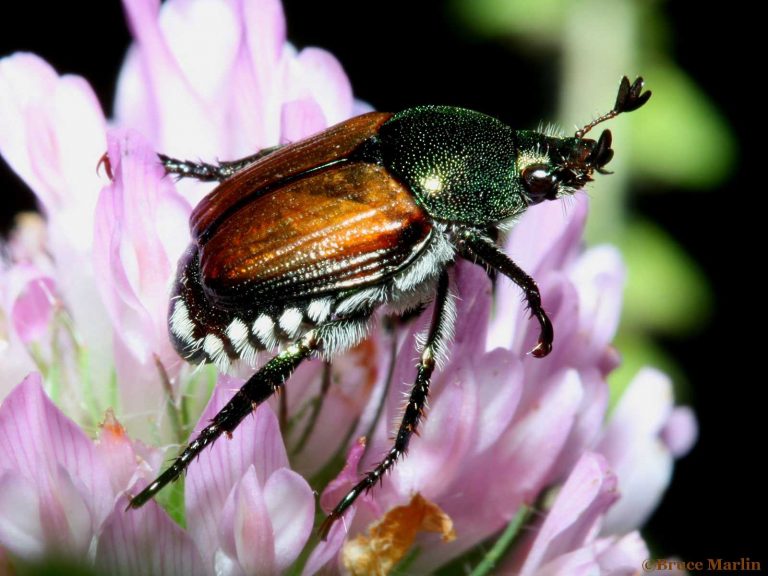
    The Japanese beetle is a small, shiny green and copper scarab beetle that comes from Japan. It reached the United States over a hundred years ago and is now one of the most damaging garden pests in North America. Adults chew the leaves, flowers and fruit of hundreds of plants, while their grubs eat grass…

  • Jewel Beetles

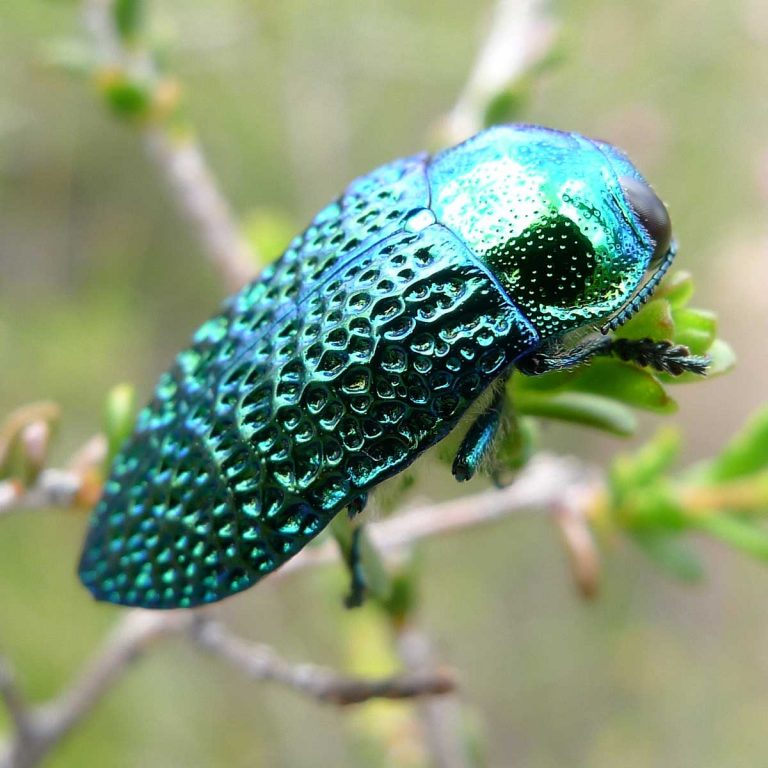
    Jewel beetles are some of the most beautiful insects in the world, with shiny bodies that sparkle in green, blue, gold, copper and red. They belong to the family Buprestidae, and they are also called metallic wood-boring beetles because their larvae tunnel through wood. There are about 15,000 known species. Jewel beetles Quick Facts Common…

  • Golden Tortoise Beetle

    The golden tortoise beetle is a tiny leaf beetle that looks like a drop of shiny gold. It lives in North America and feeds on morning glories and their relatives. Its most amazing trick is that it can change color, from gleaming gold to dull reddish-brown, in just a few minutes. Golden tortoise beetle Quick…

  • How to Get Rid of Weevils

    Quick answer: To get rid of weevils, throw out infested grain products, then vacuum and wipe pantry shelves with soap or vinegar water. Store flour, rice and cereal in airtight containers, and freeze new packages for several days before storing them. Weevils are small beetles with long snouts, and some of them are among the…

  • How to Get Rid of Japanese Beetles

    Quick answer: Japanese beetles are controlled by hand-picking them into soapy water in the morning, covering plants with netting, and using traps carefully. Treating lawns for their grubs, for example with beneficial nematodes, helps reduce next year’s beetles. The Japanese beetle (Popillia japonica) is a shiny green and copper beetle that eats the leaves and…