Beetles

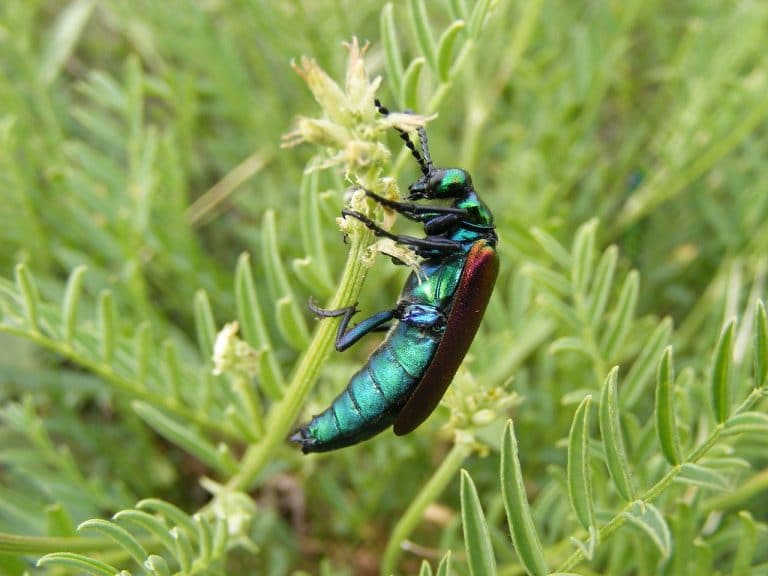
Beetles make up the largest order of insects, with hundreds of thousands of known species. What sets them apart is a pair of hard front wings, called elytra, that fold over and protect the delicate flying wings underneath. Beetles live almost everywhere, from ponds and forests to pantries, and they play many roles as recyclers, predators, pollinators and crop pests.

This collection profiles a wide variety of beetles, including the tunneling dung beetle, the giant-jawed stag beetle and the speedy tiger beetle. You will also find weevils that infest stored grain and flour, the larvae known as mealworms, and glowing and clicking species that never fail to impress young bug hunters.

Start here: Rove Beetle · Beetle Life Cycle · Are ladybugs Poisonous? · Three Horned Rhinoceros Beetle · Yellow Ladybug – Biological Characteristics Of “Lucky” Beetles · Water Beetle

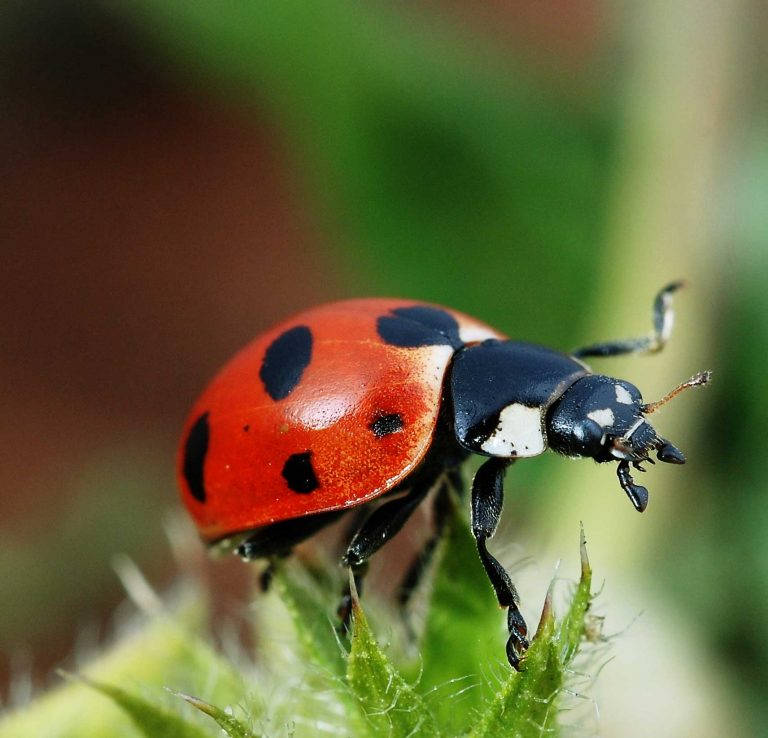
  • Are ladybugs Poisonous?

    Quick answer: No, ladybugs are not poisonous to people in any harmful way. They release bitter, smelly fluid that deters predators, but touching them is safe. Rarely they cause allergies or nip skin, and a pet that eats many may get an upset stomach. Ladybugs, also called ladybirds or lady beetles, are not really bugs…
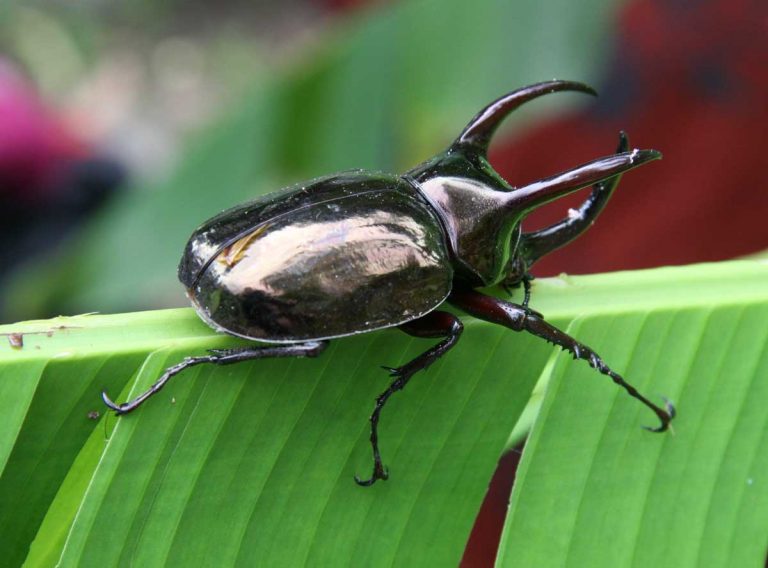
  • Three Horned Rhinoceros Beetle

    The three-horned rhinoceros beetle, Chalcosoma moellenkampi, is a giant beetle from the rainforests of Borneo in Southeast Asia. Males carry three long horns: two curving forward from the thorax and one rising from the head. It is one of the most spectacular beetles in the world. Three-horned rhinoceros beetle Quick Facts Common name Three-horned rhinoceros…

  • Woodboring Beetle

    Wood-boring beetles are beetles whose larvae live inside wood and eat it. They are not one family but several, including bark beetles, metallic wood-borers, longhorn beetles and powderpost beetles. Most help forests by breaking down dead trees, but a few become serious pests. Wood-boring beetles Quick Facts Common name Wood-boring beetles Scientific name Coleoptera Kingdom…

  • |

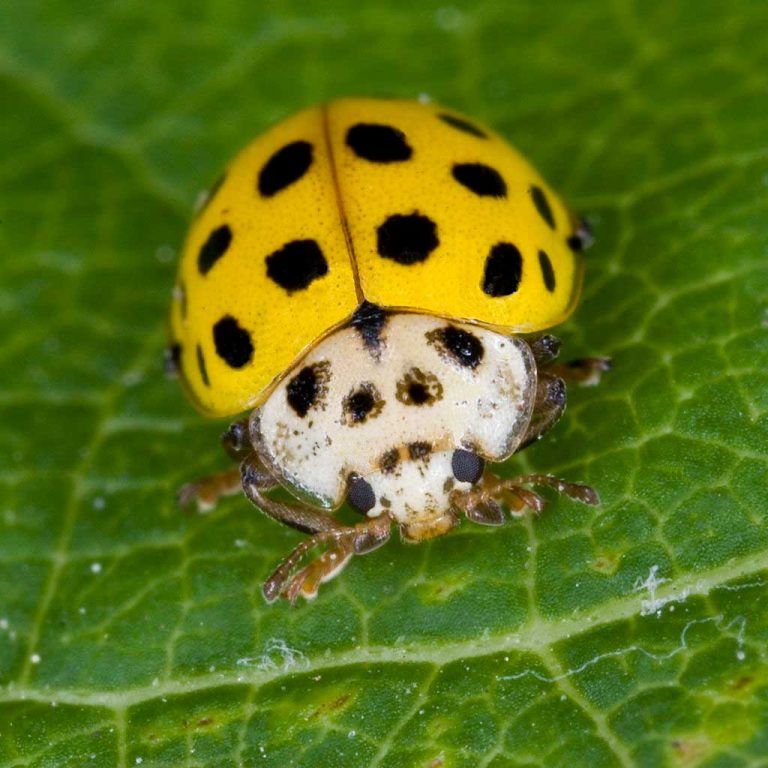
    Yellow Ladybug – Biological Characteristics Of “Lucky” Beetles

    Yellow ladybugs are ladybird beetles with yellow wing covers, usually decorated with black spots or patches. They are not one single species but several different kinds in the ladybug family, Coccinellidae. Many of them are helpful garden visitors, and in many cultures they are a symbol of good luck. Yellow ladybug Quick Facts Common name…

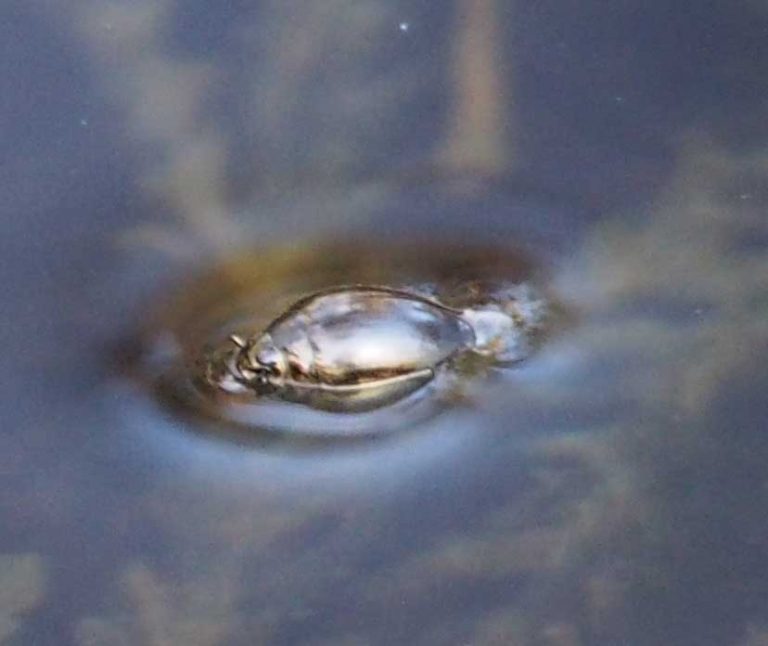
  • Whirligig Beetle

    Whirligig beetles are small, shiny water beetles that zip around in circles on the surface of ponds and streams. They belong to the family Gyrinidae, which has more than 700 species found around the world. You often see them in groups, spinning like tiny bumper cars. Whirligig beetle Quick Facts Common name Whirligig beetle Scientific…

  • What Do Beetles Eat?

    Quick answer: Beetle diets vary widely by species. Many eat plants, leaves, pollen or wood, while others eat other insects, dung, fungi or dead animals. Ladybug beetles eat aphids, and dung beetles eat animal droppings. Beetles are insects that belong to the order Coleoptera, a name that means “sheath wing” in Greek. Their tough front…

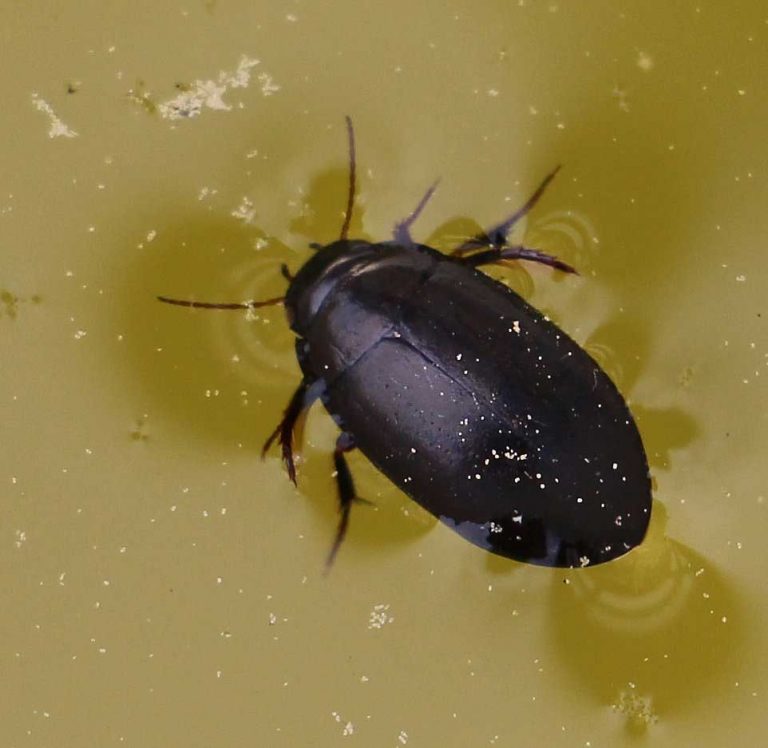
  • Water Beetle

    “Water beetle” is the name for any beetle that spends part or all of its life living in water. Water beetles are not one family but many different groups, including diving beetles, water scavenger beetles and whirligig beetles. Water beetle Quick Facts Common name Water beetle Scientific name Dytiscidae Kingdom Animalia Phylum Arthropoda Class Insecta…

  • Weevil Beetle

    Weevils are beetles with a long snout, a bit like a tiny elephant’s trunk, with jaws at the very tip. They make up the superfamily Curculionoidea, one of the largest groups of animals on Earth, with more than 60,000 known species. Weevil Quick Facts Common name Weevil Type Insect (beetle superfamily) Diet Plants: leaves, roots,…