Snakes

Snakes have no legs, no eyelids and no outer ears, yet they are skilled hunters on land, in trees and even in water. They smell by flicking their forked tongues, and many swallow prey whole thanks to flexible jaws. Some, like pit vipers, can sense the body heat of animals nearby, while constrictors such as pythons and boas squeeze their prey instead of using venom.

This category profiles snakes of every size, from tiny blind snakes and worm snakes that burrow underground to the biggest snakes on Earth. If you are thinking about a reptile companion, our guide to pet snakes and profiles of gentle species like milk snakes and king snakes are a great place to start.

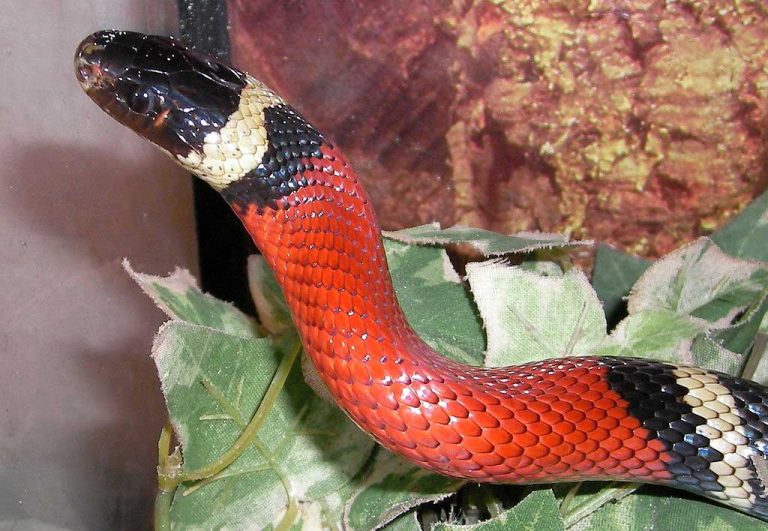
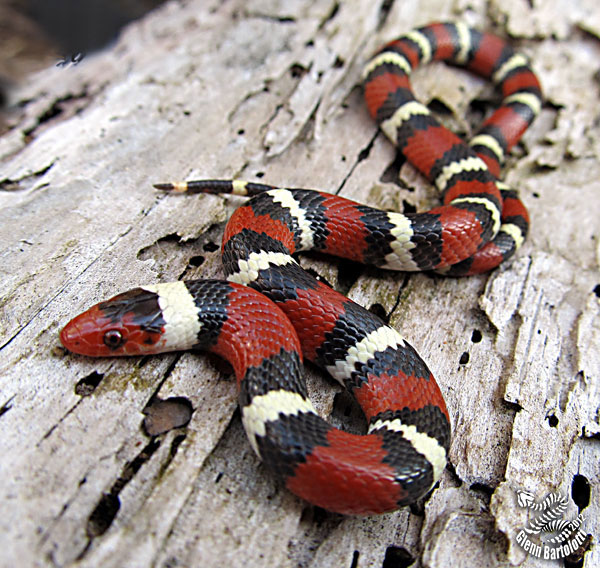
  • Milk Snake

    Scientific Classification & Quick Facts Common name Milk snake Scientific name Lampropeltis triangulum Kingdom Animalia Phylum Chordata Class Squamata Family Colubridae Genus Lampropeltis Conservation status Least Concern Type Reptile (non-venomous snake) Diet Rodents, amphibians, birds, reptiles including snakes Habitat Forests, prairies, rocky slopes and farms Native range Eastern United States and southern Ontario Size 20-60…
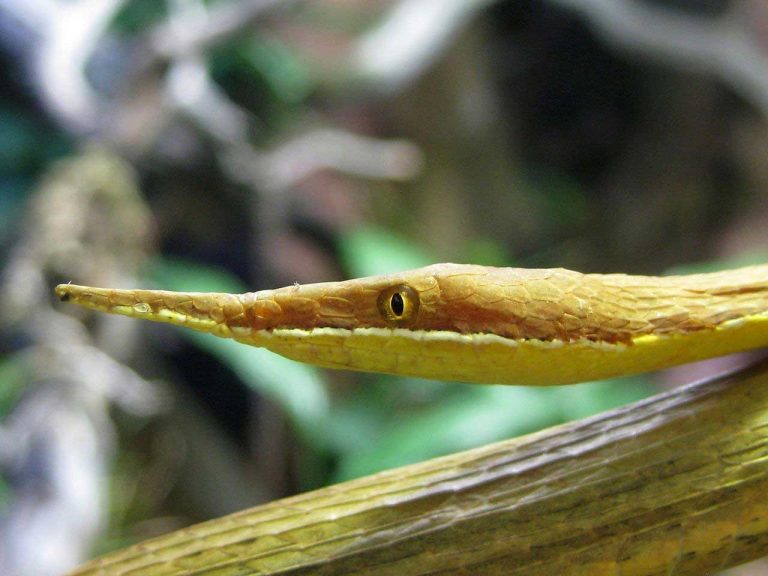
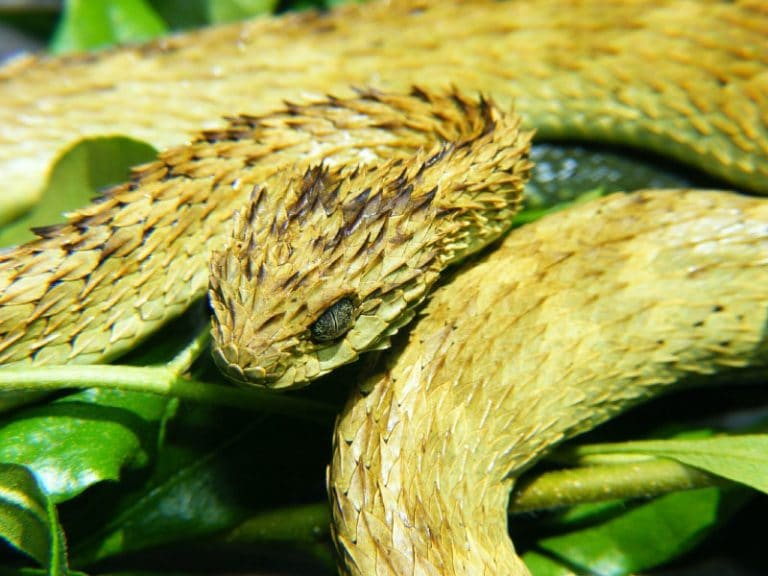
  • Malagasy Leaf-Nosed Snake

    The Malagasy leaf-nosed snake belongs to the species  Langaha  Madagascariensis. They are a species of poisonous snakes, also known as Madagascar (Leaf-nosed) Snakes. These snakes have characteristic scaly appendages on the snout. These reptiles get their name from these leaf-like structures. The appendages appear jagged and leaf-like in the females while the scales are long and…

  • King Snake

    Scientific Classification & Quick Facts Common name Kingsnake Scientific name Lampropeltis Kingdom Animalia Phylum Chordata Class Squamata Family Colubridae Type Reptile (non-venomous snake) Diet Rodents, birds, amphibians, reptiles including snakes Habitat Hills, deserts, savannas, thin woodland Native range Western North America, e.g. California to Colorado Colours Black with yellow or white bands, rings or spots…

  • Some Interesting Facts About Snakes

    Scientific Classification Kingdom:   Animalia Phylum:     Chordata Class:       Reptilia Order:        Squamata Family:     Ophidia Suborder:        Serpentes Infraorders:        Alethinophidia, Scolecophidia There is no doubt about the fact that Snakes are elegant creatures. You may fear it or love it, love it, but they certainly invoke your curiosity at all times. . They are mysterious…

  • Hairy Bush Viper

    Scientific Classification & Quick Facts Common name Hairy bush viper Scientific name Atheris hispida Kingdom Animalia Phylum Chordata Class Squamata Family Viperidae Genus Atheris Conservation status Least Concern Type Reptile (venomous viper) Diet Slugs, frogs, lizards, birds Habitat Rainforest; climbs stalks, reeds and leaves Native range Central Africa: Kenya, Uganda, DR Congo Size Males up…

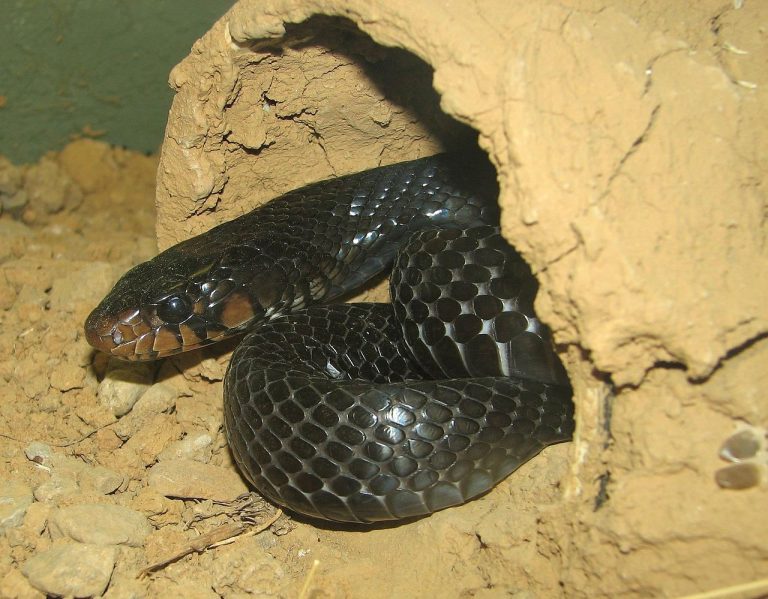
  • Indigo Snake

    Scientific Classification & Quick Facts Common name Eastern indigo snake Scientific name Drymarchon couperi Kingdom Animalia Phylum Chordata Class Squamata Family Colubridae Genus Drymarchon Conservation status Least Concern Type Reptile (non-venomous snake) Diet Lizards, frogs, snakes, turtles, birds, small mammals Habitat Pine flatwoods, dry prairies and gopher tortoise burrows Native range Southeastern United States, mainly…

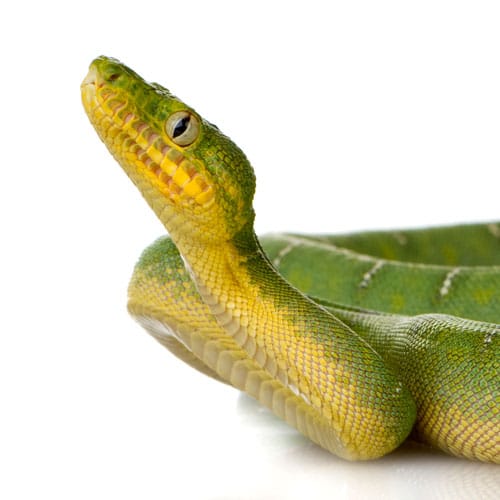
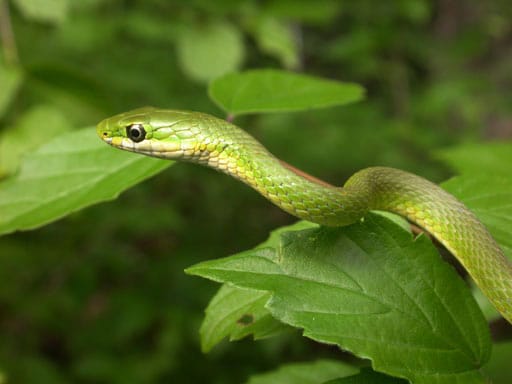
  • Green Snake

    Scientific Classification & Quick Facts Common name Green snake Scientific name Opheodrys Kingdom Animalia Phylum Chordata Class Squamata Family Colubridae Type Reptile (small snake) Diet Insects and spiders: grasshoppers, crickets, caterpillars Habitat Leafy areas near permanent water Native range North America Size Rarely over 90 cm (36 in) long Colours Bright green above, pale yellow…

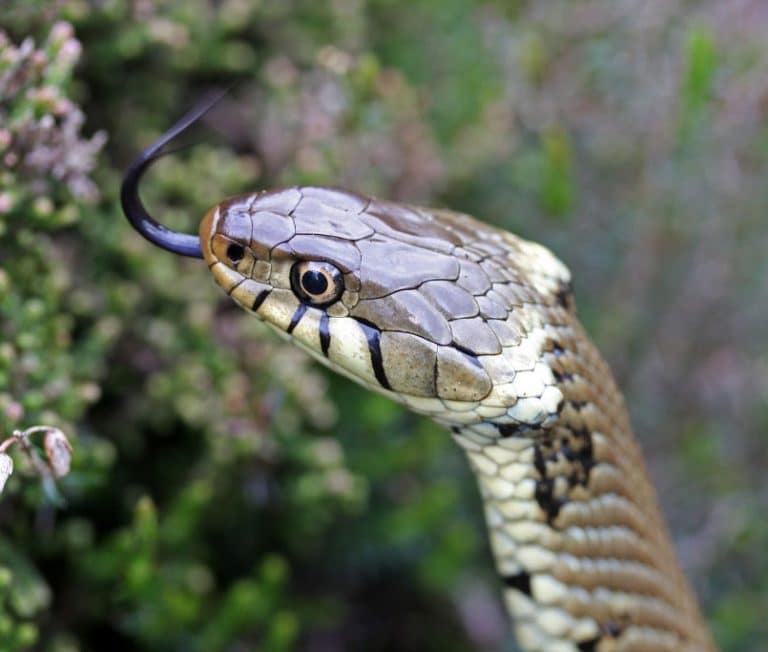
  • Grass Snake

    Scientific Classification & Quick Facts Common name Grass snake Scientific name Natrix natrix Kingdom Animalia Phylum Chordata Class Squamata Family Colubridae Genus Natrix Conservation status Least Concern Type Reptile (non-venomous snake) Diet Frogs, toads and newts; sometimes fish Habitat Near ponds, lakes, slow rivers and compost heaps Native range Europe and Asia Size Females up…

  • Garter Snake

    Scientific Classification & Quick Facts Common name Garter snake Scientific name Thamnophis Kingdom Animalia Phylum Chordata Class Squamata Family Colubridae Type Reptile (non-venomous snake) Diet Earthworms, amphibians, fish, rodents, slugs Habitat Many habitats, often near water Native range North America, as far north as Alaska Size 46-137 cm (18-54 in) long Colours Three light stripes…

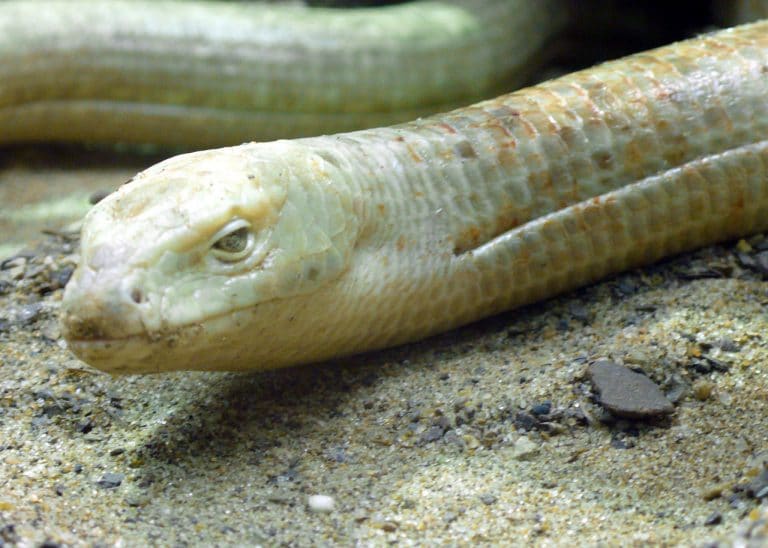
  • Glass Snake

    Scientific Classification & Quick Facts Common name Glass lizard Scientific name Ophisaurus Kingdom Animalia Phylum Chordata Class Squamata Family Anguidae Type Reptile (legless lizard) Diet Insects, worms, slugs, snails, small mammals Habitat Ground-dwelling; hides under logs and burrows Native range Asia, North Africa and southeastern US Size 18 in to 4 ft long Colours Black,…

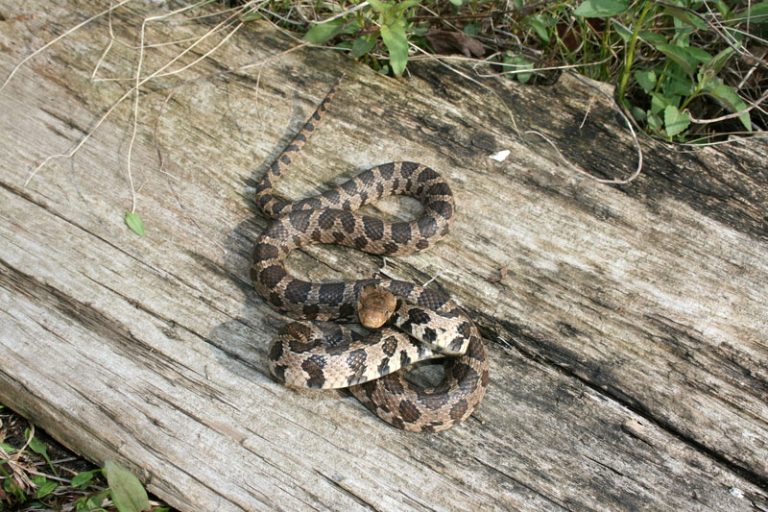
  • Fox Snake

    Scientific Classification & Quick Facts Common name Fox snake Scientific name Pantherophis Kingdom Animalia Phylum Chordata Class Squamata Family Colubridae Type Reptile (non-venomous rat snake) Diet Rodents, birds and frogs Habitat Open forests, farmland, prairies and marshes Native range Great Lakes region and Midwest United States Size 3-5 ft (90-150 cm) long Colours Yellowish or…

  • Fear of Snakes

    Ophidophobia is the scientific name for a very common fear, the fear of snakes.  Of course, to be called ‘phobia’, the fear has to be excessive or abnormal.  Many people call the fear of snakes ‘herpetophobia’ which really is the abnormal fear of reptiles and amphibians in general.  The term Ophidophobia, has its roots in…