Snakes

Snakes have no legs, no eyelids and no outer ears, yet they are skilled hunters on land, in trees and even in water. They smell by flicking their forked tongues, and many swallow prey whole thanks to flexible jaws. Some, like pit vipers, can sense the body heat of animals nearby, while constrictors such as pythons and boas squeeze their prey instead of using venom.

This category profiles snakes of every size, from tiny blind snakes and worm snakes that burrow underground to the biggest snakes on Earth. If you are thinking about a reptile companion, our guide to pet snakes and profiles of gentle species like milk snakes and king snakes are a great place to start.

  • Boa Snake

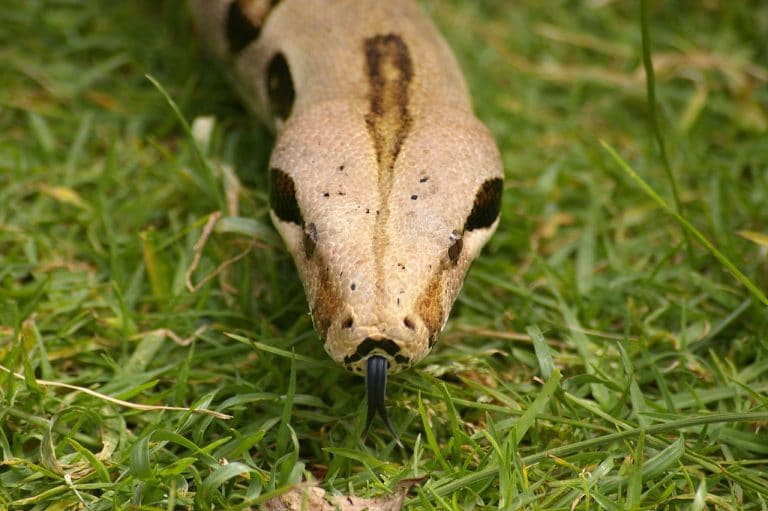
    Scientific Classification & Quick Facts Common name Boa constrictor Scientific name Boa constrictor Kingdom Animalia Phylum Chordata Class Squamata Family Boidae Genus Boa Conservation status Least Concern Type Reptile (non-venomous snake) Diet Rodents; big boas eat small rabbits Habitat Hot tropical regions, on trees and ground Native range Central and South America, Caribbean islands Size…
  • Blind Snake

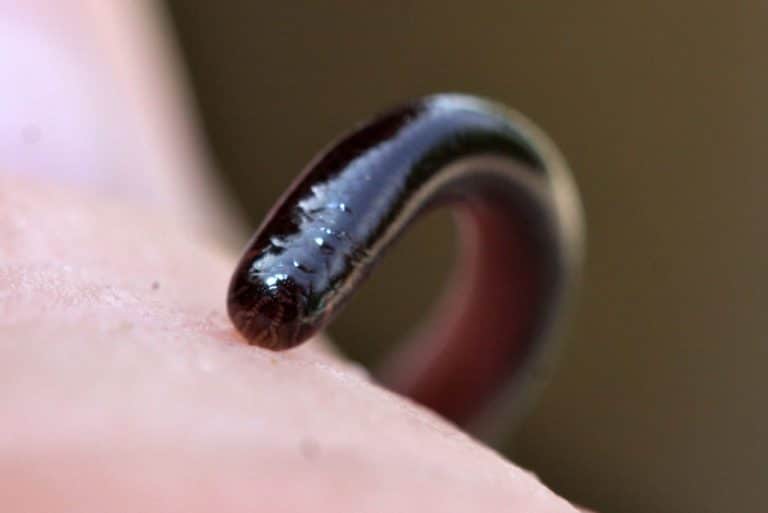
    Scientific Classification & Quick Facts Common name Brahminy blind snake Scientific name Indotyphlops braminus (formerly Ramphotyphlops braminus) Kingdom Animalia Phylum Chordata Class Squamata Family Typhlopidae Genus Indotyphlops Conservation status Least Concern Type Reptile (tiny burrowing snake) Diet Eggs, larvae and pupae of ants and termites Habitat Underground, in ant and termite nests and leaf litter…

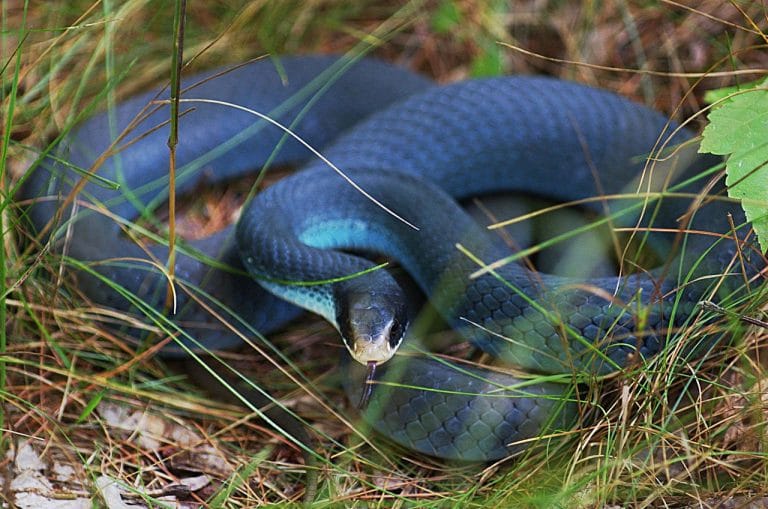
  • Blue Racer Snake

    Scientific Classification & Quick Facts Common name Blue racer Scientific name Coluber constrictor foxii Kingdom Animalia Phylum Chordata Class Squamata Family Colubridae Genus Coluber Type Reptile (non-venomous snake) Habitat Open fields, shorelines, forest edges, savannas Native range Midwestern United States and southern Ontario Size 90-152 cm (3-5 ft) long Colours Pale gray-blue with white belly…

  • Black Racer Snake

    Scientific Classification & Quick Facts Common name Black racer Scientific name Coluber constrictor Kingdom Animalia Phylum Chordata Class Squamata Family Colubridae Genus Coluber Conservation status Least Concern Type Reptile (non-venomous snake) Diet Frogs, lizards, birds, rodents, insects Habitat Grassy areas and water edges; climbs trees Native range Eastern United States, Florida Keys to Maine Size…

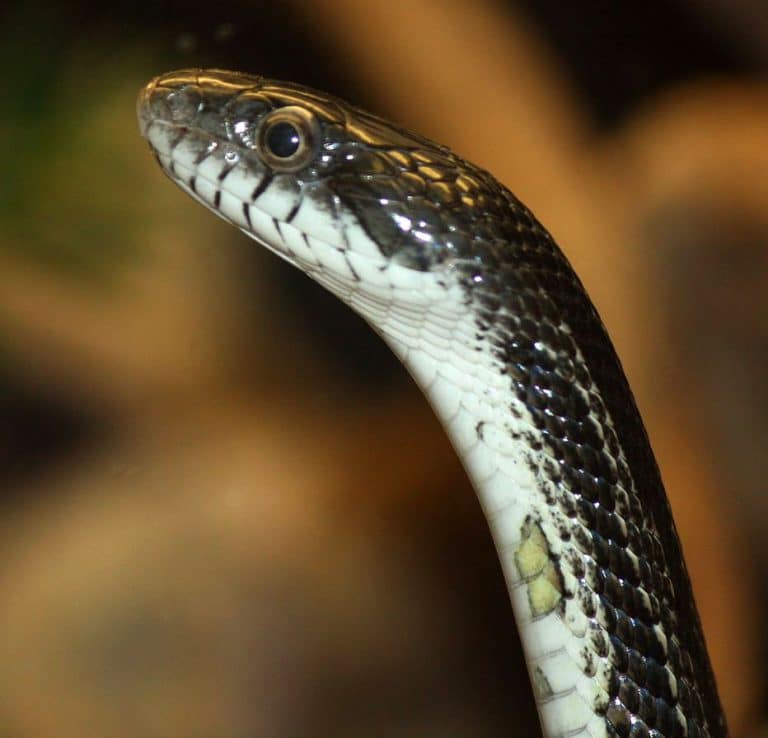
  • Black Rat Snake

    The black rat snake is a large, shiny black snake that lives in the woods, fields and farms of the eastern and central United States and southern Canada. It is not venomous and kills its prey by squeezing. It is often called the eastern rat snake, and it is the longest snake found in Virginia….

  • Big Snakes

    Several Giant size snakes wander our planet, but does anyone have any clear idea of the species of snake that is the biggest among them? These snakes are included in the list of the world’s big snakes. What do you mean when you say, ‘the biggest world’s snake?’ controversies have been raging on this for…

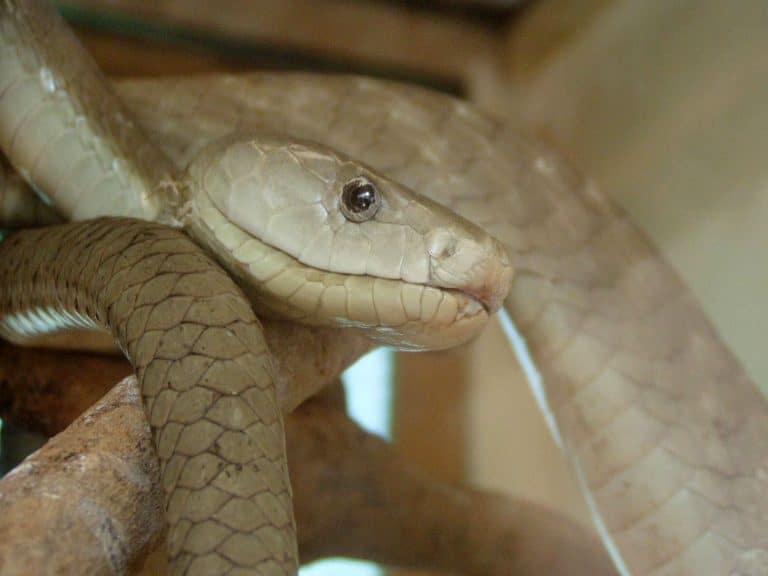
  • Black Mamba Snake

    Scientific Classification & Quick Facts Common name Black mamba Scientific name Dendroaspis polylepis Kingdom Animalia Phylum Chordata Class Squamata Family Elapidae Genus Dendroaspis Conservation status Least Concern Type Reptile (highly venomous snake) Diet Small mammals, birds, rats, squirrels, bush babies Native range Eastern and southern Africa Size Average 2.5 m (8.2 ft); up to 4.5…

  • Banded Water Snake

    Scientific Classification & Quick Facts Common name Banded water snake Scientific name Nerodia fasciata Kingdom Animalia Phylum Chordata Class Squamata Family Colubridae Genus Nerodia Conservation status Least Concern Type Reptile (non-venomous snake) Diet Frogs, crayfish, small fish, salamanders Habitat Lakes, rivers, ponds, marshes and streams Native range Southeastern and central United States Size Typically 76…

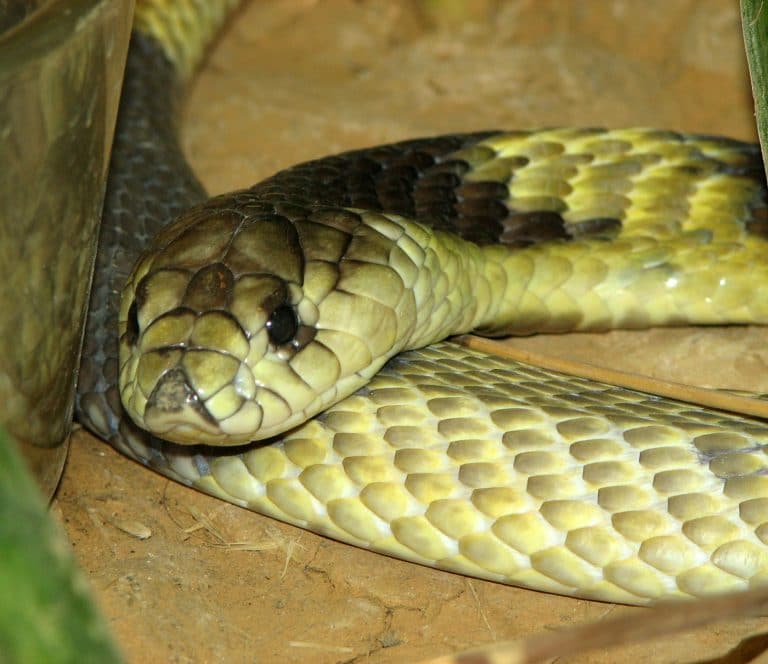
  • Asp Snake

    Scientific Classification & Quick Facts Common name Egyptian cobra Scientific name Naja haje Kingdom Animalia Phylum Chordata Class Squamata Family Elapidae Genus Naja Conservation status Least Concern Type Reptile (venomous snake) Diet Mammals, birds, fish, toads, other snakes Habitat Warm, dry places with rocks and scrub Native range Nile region, Egypt Special feature Known as…

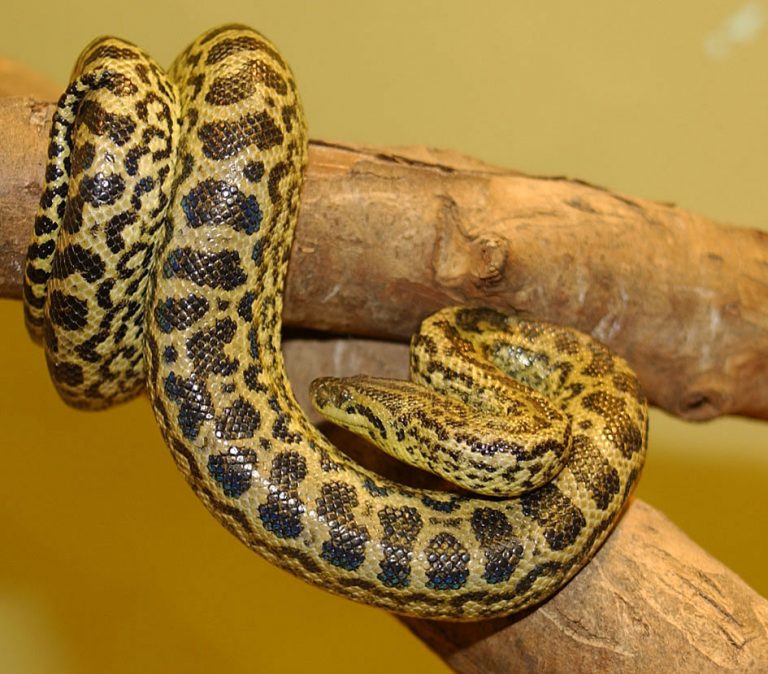
  • Anaconda: Secret Lives of Earth’s Largest Snakes

    Does the name Anaconda send chills down your spine?  Some movies have projected the snakes as arch villains, ready to swallow people at the drop of a hat. Here are the facts about anacondas. Anacondas are non-venomous snakes belonging to the species Eunectes Murinus. They are native to the tropical regions of South America. They…

  • Adder Snake

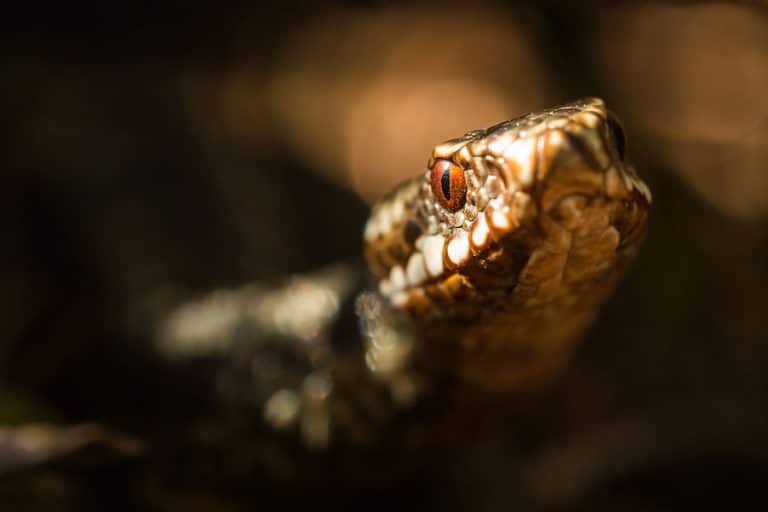
    The adder (Vipera berus), also called the common European adder or common viper, is Britain’s only native venomous snake. It is a shy, thick-bodied snake with a bold zigzag pattern down its back, and it uses its venom mainly to catch prey, biting people only if it is stepped on, grabbed or cornered. Scientific Classification…

  • Pet Snakes

    Scientific Classification Kingdom:  Animalia Phylum:  Chordata Class:  Reptilia Order:  Squamata Family:  Ophidia Suborder:  Serpentes Infraorders:  Alethinophidia, Scolecophidia Most people have varied pet interests, but employ safe and secure means to pet them. Some animals like dogs and cats are easy, but those wanting to own a pet snake are a breed of their own. Snakes are…