Snakes

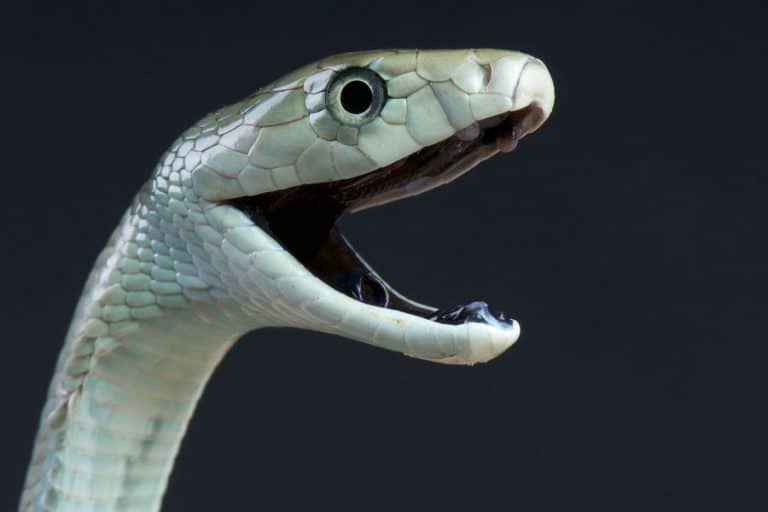
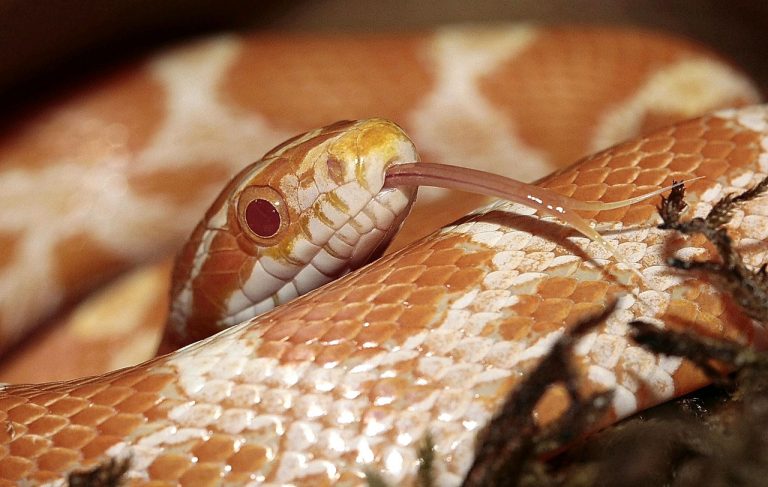
Snakes have no legs, no eyelids and no outer ears, yet they are skilled hunters on land, in trees and even in water. They smell by flicking their forked tongues, and many swallow prey whole thanks to flexible jaws. Some, like pit vipers, can sense the body heat of animals nearby, while constrictors such as pythons and boas squeeze their prey instead of using venom.

This category profiles snakes of every size, from tiny blind snakes and worm snakes that burrow underground to the biggest snakes on Earth. If you are thinking about a reptile companion, our guide to pet snakes and profiles of gentle species like milk snakes and king snakes are a great place to start.

  • Fear of Snakes

    Ophidophobia is the scientific name for a very common fear, the fear of snakes.  Of course, to be called ‘phobia’, the fear has to be excessive or abnormal.  Many people call the fear of snakes ‘herpetophobia’ which really is the abnormal fear of reptiles and amphibians in general.  The term Ophidophobia, has its roots in…
  • Emerald Tree Boa

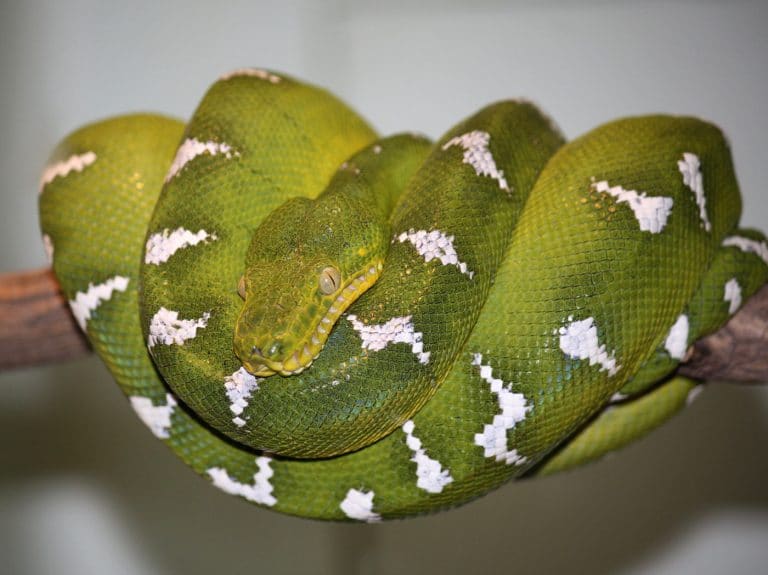
    Scientific Classification & Quick Facts Common name Emerald tree boa Scientific name Corallus caninus Kingdom Animalia Phylum Chordata Class Squamata Family Boidae Genus Corallus Conservation status Least Concern Type Reptile (non-venomous snake) Diet Rodents, lizards, marsupials Habitat Rainforest trees and canopy Native range Amazon Basin and northern South America Size Average 1.8 m (6 ft);…

  • True Vipers of Europe

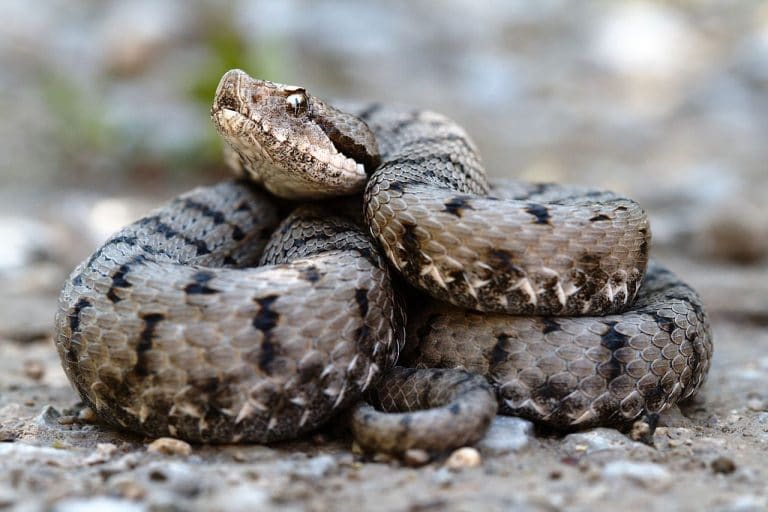
    The true vipers of Europe are a small group of venomous snakes in the viper family that live across the continent, from the Arctic Circle to the Mediterranean islands. Europe has far fewer dangerous snakes than places like Africa, Asia or Australia, and these vipers are mostly shy animals that bite only when they feel…

  • Eastern Milk Snake

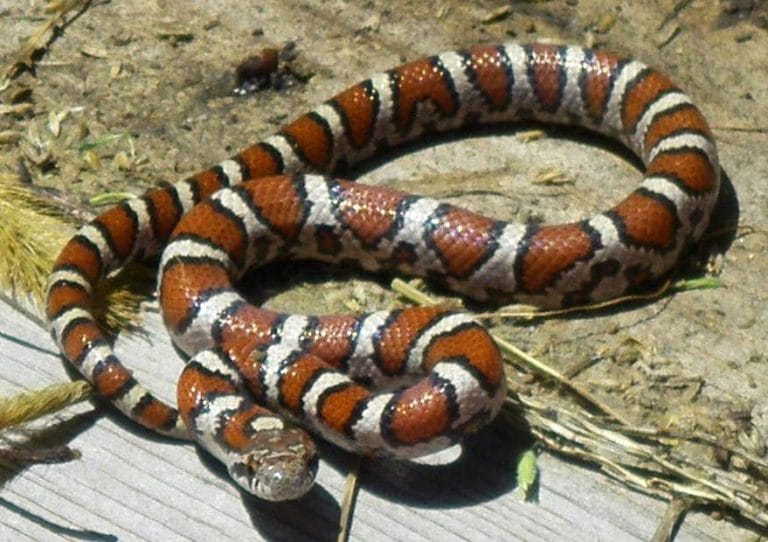
    Scientific Classification & Quick Facts Common name Eastern milk snake Scientific name Lampropeltis triangulum Kingdom Animalia Phylum Chordata Class Squamata Family Colubridae Genus Lampropeltis Conservation status Least Concern Type Reptile (non-venomous snake) Diet Rodents: rats, mice, voles Habitat Farms, rocky hillsides, fields, woods, barns Native range Eastern North America Size 2-4 ft (60-120 cm) long…

  • Elephant Trunk Snake

    Scientific Classification & Quick Facts Common name Elephant trunk snake Scientific name Acrochordus javanicus Kingdom Animalia Phylum Chordata Class Squamata Family Acrochordidae Genus Acrochordus Conservation status Least Concern Type Reptile (non-venomous aquatic snake) Diet Live fish Habitat Estuaries, lagoons and rivers; prefers fresh water Native range Southeast Asia, from Sumatra to Vietnam Size Females up…

  • Eastern Hognose Snake

    Scientific Classification & Quick Facts Common name Eastern hognose snake Scientific name Heterodon platirhinos Kingdom Animalia Phylum Chordata Class Squamata Family Colubridae Genus Heterodon Conservation status Least Concern Type Reptile (non-venomous snake) Diet Toads, frogs, reptiles, eggs and rodents Habitat Dry areas with loose, sandy soil Native range Eastern North America, east of the Rockies…

  • Eastern Green Mamba

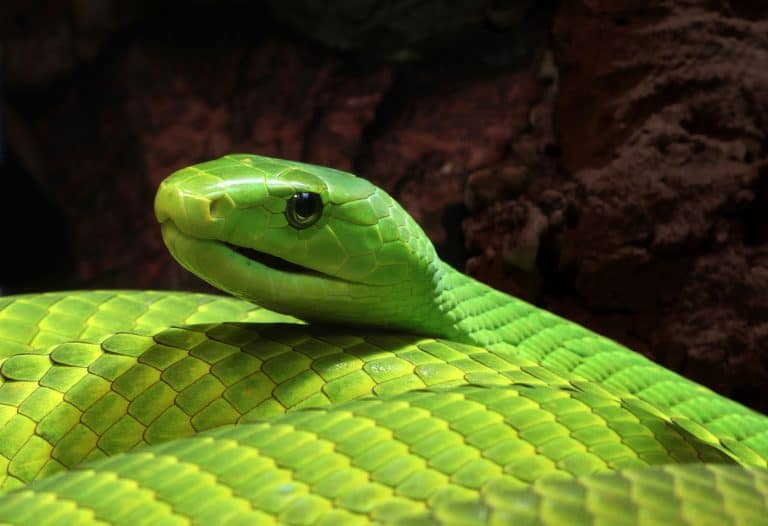
    Scientific Classification & Quick Facts Common name Eastern green mamba Scientific name Dendroaspis angusticeps Kingdom Animalia Phylum Chordata Class Squamata Family Elapidae Genus Dendroaspis Conservation status Least Concern Type Reptile (highly venomous snake) Diet Rodents, eggs, birds, frogs, tree-dwelling mammals Habitat Trees along coastal areas Native range Coastal East and southern Africa, Kenya to South…

  • Dream About Snakes

    It is quite a common occurrence for many people to dream about snakes. The psychologists attach their own interpretations of these dreams and the myths contribute to the rest. If you want to start analyzing what snake dreams are all about and you must first learn primary and established meanings linked to dreams about snakes….

  • Diamond Python

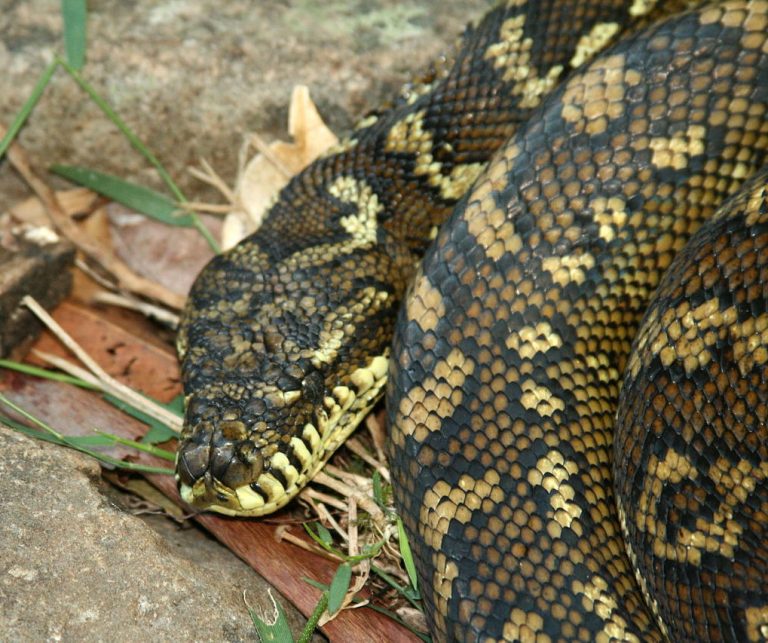
    Scientific Classification & Quick Facts Common name Diamond python Scientific name Morelia spilota spilota Kingdom Animalia Phylum Chordata Class Squamata Family Pythonidae Genus Morelia Type Reptile (non-venomous python) Diet Lizards and mammals up to the size of a possum Habitat Woodland, heath, forest and suburbs Native range Coastal southeastern Australia Size About 2 m (6…

  • World’s Deadliest Snakes

    In the process of considering the series of the world’s deadliest snakes, the majority of people take into consideration only one aspect, ignoring other important aspects. This leads to an erroneous list or one that just twists and turns around a collection of facts. Most people prepare these lists based mainly on the degree of…

  • Diamondback Rattlesnake

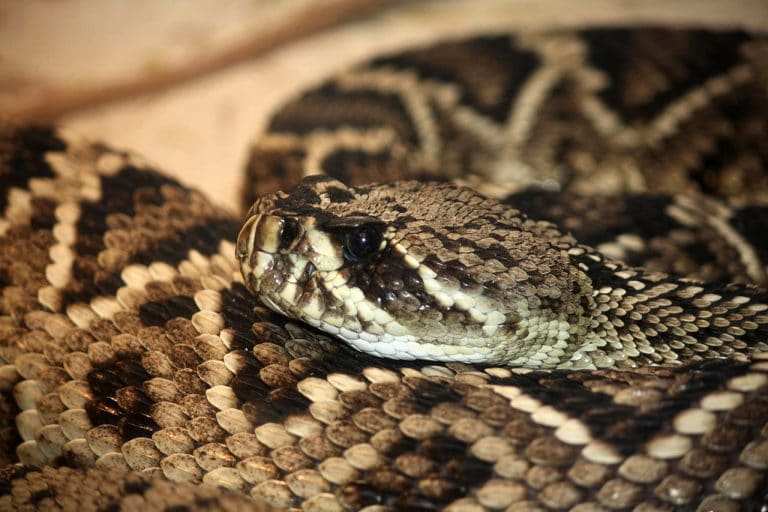
    Diamondback rattlesnakes are large, venomous pit vipers named for the diamond-shaped patterns along their backs. There are two species, the eastern and the western diamondback, and both live in the southern United States, with the western one also reaching into Mexico. Scientific Classification & Quick Facts Common name Diamondback rattlesnake Scientific name Crotalus Kingdom Animalia…

  • Corn Snakes

    Scientific Classification & Quick Facts Common name Corn snake Scientific name Pantherophis guttatus Kingdom Animalia Phylum Chordata Class Squamata Family Colubridae Genus Pantherophis Conservation status Least Concern Type Reptile (non-venomous snake) Diet Rodents such as mice and rats Habitat Abandoned buildings, barns, groves, rocky hillsides Native range Eastern United States, New Jersey to Florida Size…