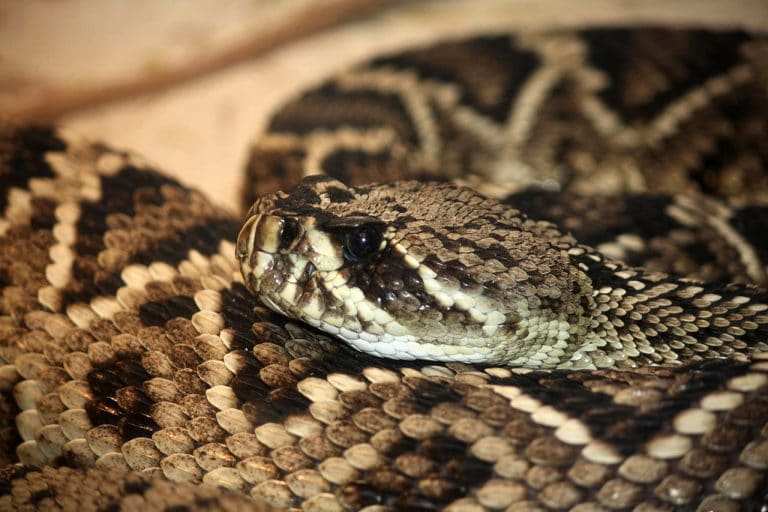
Fear of Snakes
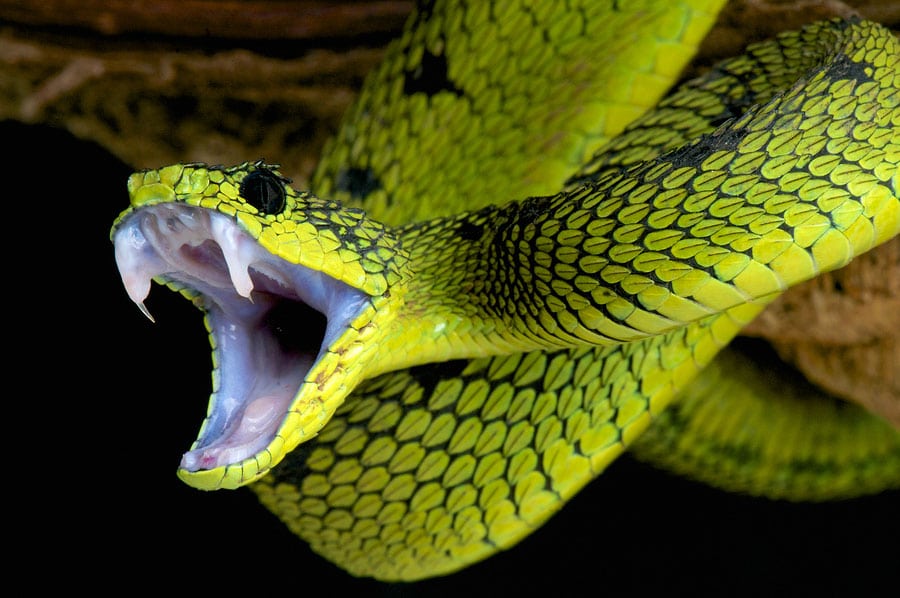
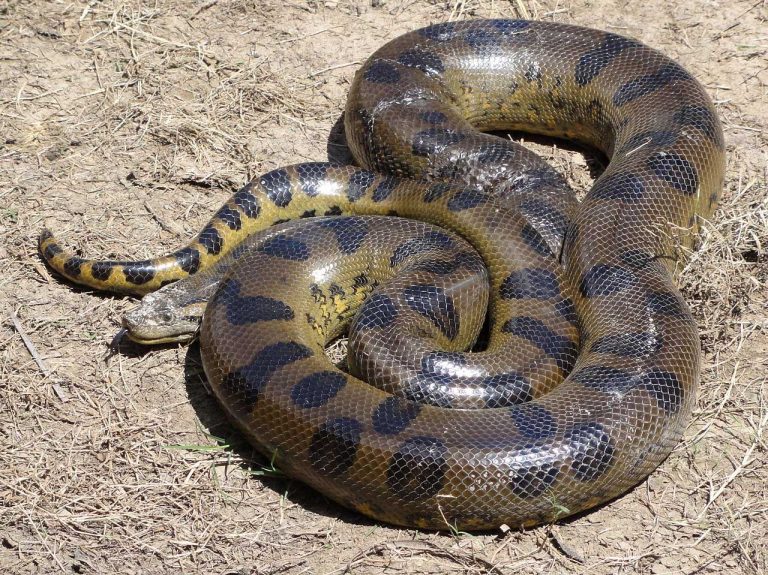
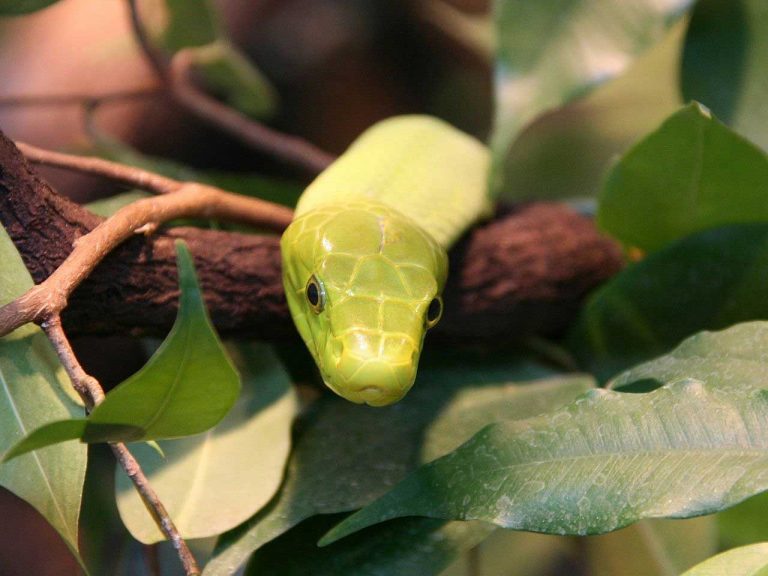
Ophidophobia is the scientific name for a very common fear, the fear of snakes. Of course, to be called ‘phobia’, the fear has to be excessive or abnormal. Many people call the fear of snakes ‘herpetophobia’ which really is the abnormal fear of reptiles and amphibians in general. The term Ophidophobia, has its roots in two Greek words, ophis, referring to snakes, and phobia, which means fear.
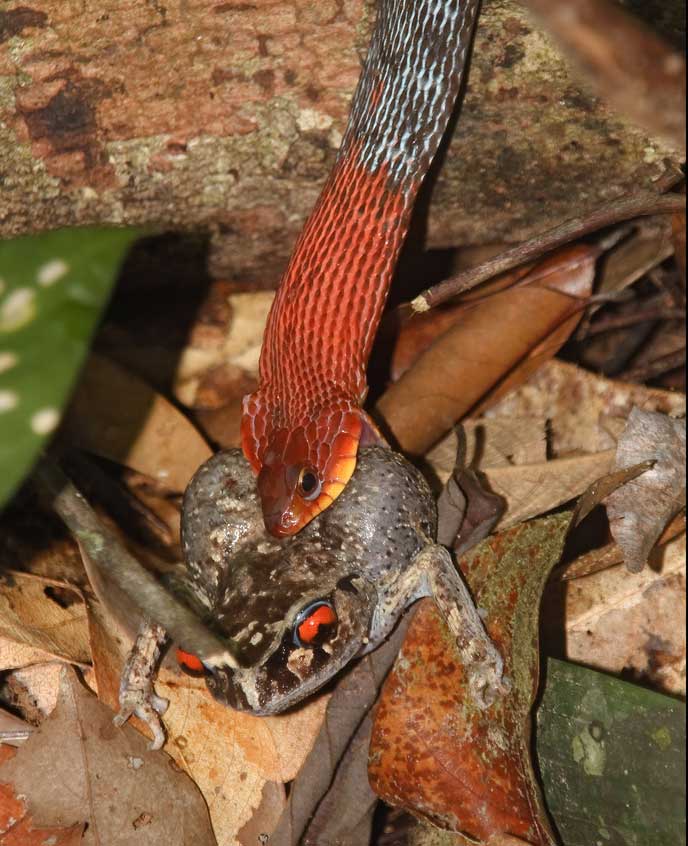
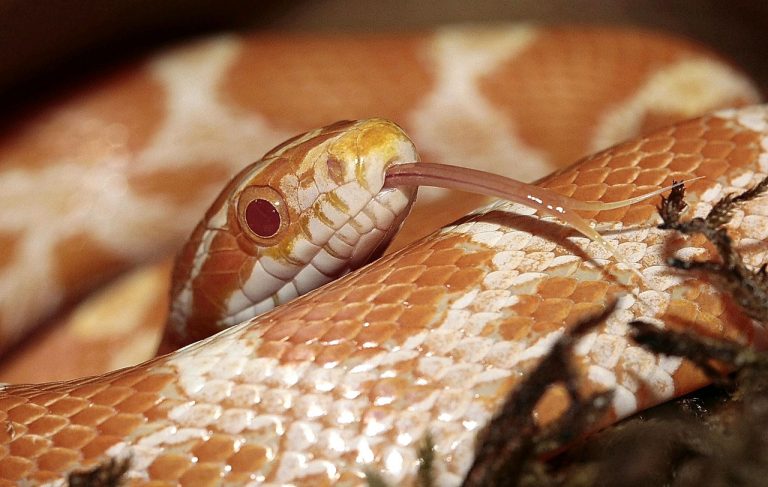
Most people are afraid of snakes. The reasons for this are obvious. Snakes are notorious for their deadly venom. Most species of snakes are not venomous or at least not venomous enough to kill. But the little deadly ones have established the fearful reputation of snakes. Their style of motion is frightening to many. They slither quietly, low on the ground and are capable of striking without warning. The appearance of the snake itself instills fear in the people. This has something to do with the reptiles’ facial characteristics. The forked tongue, fixed grins and the beady eyes that seem fixed on you instill fear in the minds of the people The dry, scaly skins add to the effect. The fear of snakes seems to have been ingrained into the minds of the people. In the Bible, Satan appeared in Eden in the form of a Serpent. In India, Hindus worship snakes. The basis of worship is the fear of these deadly creatures.
The fascinating fact is that fear of snakes is one of the most common of phobias. Many of these people have not actually encountered or even seen snakes. What could be the reasons for this phobia?
Ophidophobia or fear of snakes can take hold of any one, anywhere. It does not matter whether there are snakes nearby or not. The word ‘phobia’ itself means abnormal or excessive fear. Like most phobias, a person can unintentionally acquire a fear of snakes in many ways. A snake could have bitten him or badly scared him in his younger days. A person can be startled by the sudden movement that a snake makes. The snake seems to loom in front of you, all of a sudden from nowhere. It is this fear of the sudden movement of the snake that lurks in the mind of the snake-phobic. The lingering thought that this species are killers, the threatening posture of a snake ready to strike and the fact that these reptiles are not exactly pretty. The snake venom’s potency will still instill a healthy, cautious approach to the snake, even when the obsessive fear is removed from the phobic.
Research Findings
The tendency to sense fear of snakes as well as spiders is innate and evolved into human beings, who learn to fear them, according to new research findings. Adults and children can detect the image of snakes from a wide range of non-threatening objects, faster than they could locate flowers, frogs or caterpillars, according to psychologists.
Research findings indicate that there are some specific neurons in the brain that respond to snakes only. These snake-specific neurons could very well be a legacy from the long distant past as primates, when snakes posed the greatest threats to human survival.
When the Problem is Fear

People with acute ophidophobia could lead normal lives mostly in urban areas of U.K and U.S. This is because they are not likely to encounter snakes in the neighborhood. The only places they are likely to come across snakes are, pet stores, Zoos or houses of friends who keep snakes as pets. What will happen if the person is forced to be in a situation where they are likely to encounter snakes. His life would certainly have been easier if he did not have a snake-phobia.
Hiking is one area in real life where snake-phobics will have a real problem., especially in California. Most of North America’s wilderness is full of snakes. An outdoor oriented person with this kind of phobia, will find his life severely hampered.
Fear Of Snakes- How Do People Deal With It

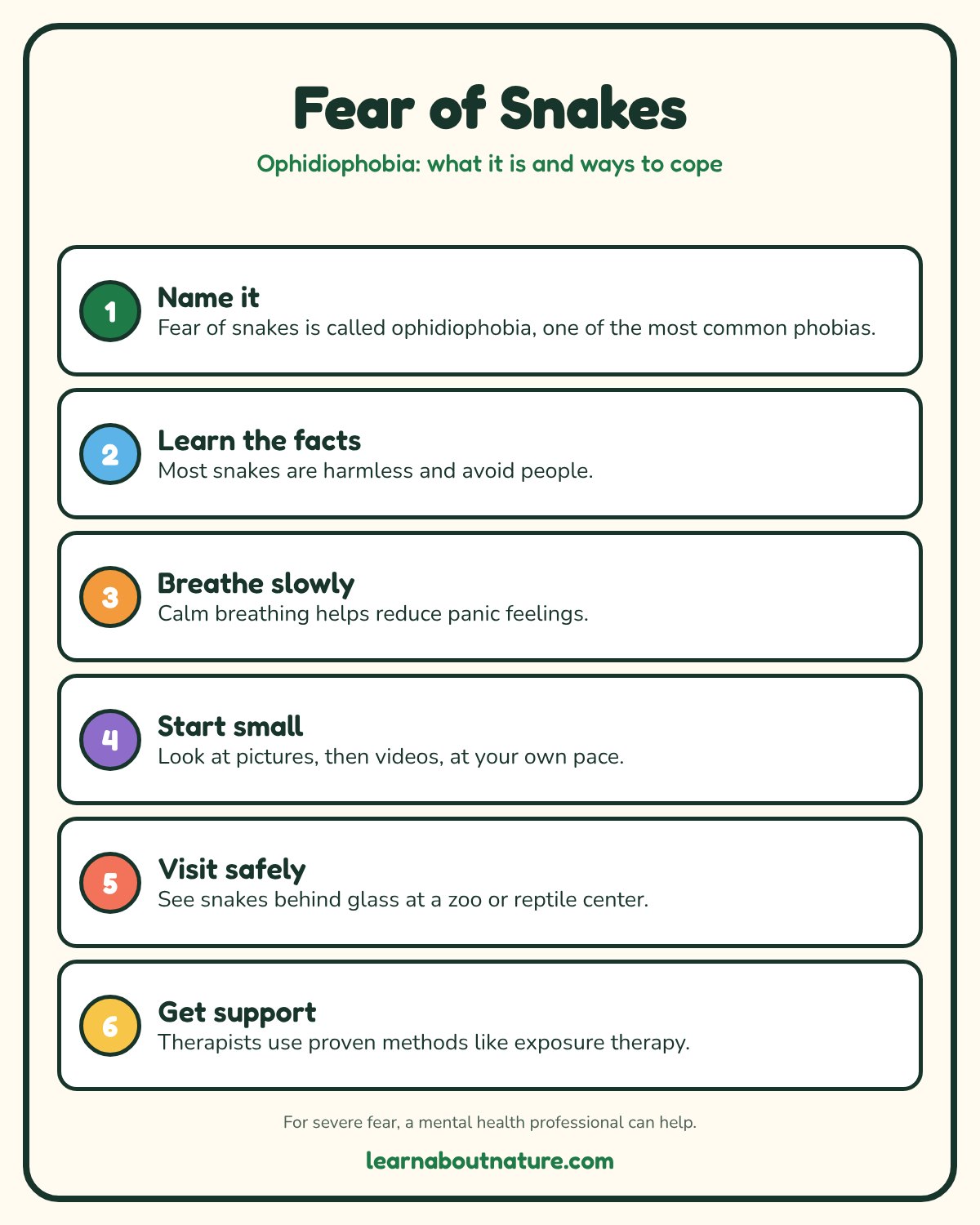
Quite a lot of people are afraid of these ‘silent slitherers’ to some extent or other. Historically, those with undue fear of snakes amounting to phobia and those who are nervous about these creatures, and just want to be comfortable with these reptiles, have tried to overcome their fear by exposing themselves to different kinds of snakes. You can attend classes where you can learn to handle harmless garden snakes, the large python and even venomous pit vipers. Some people just seem to have mental blocks regarding snakes. Their reaction to the sight of a snake or the very mention of the name, is one of panic. No amount of snake-handling knowledge seems to help these people. To these people, such classes only add to the trauma, causing them to panic more and trigger accidents.
Neuro Linguistic Programming
NLP or Neuro Linguistic Programming, is an effective method of controlling excessive phobic reaction to snakes. Even though it is often overlooked, NLP is really a very effective way of changing a person’s conditioned response (phobias) to snakes. NLP helps you to learn the thought patterns that condition of your fear, and ultimately changes them to re-educate you. Therapists often, use a combination of NLP and hypnosis methods to change the reaction of the clients from that of panic to that of confidence and calmness. People can learn to overcome their phobias quickly. J J Seymour is a writer who has created self-help recordings for people with excessive fear of snakes. Hypnotherapy and NLP together can help you to overcome your phobias. You can find links to practitioners for the treatment of ophidophobia in Toronto and Vancouver in Canada, Dublin in Ireland and in Australia, Melbourne, Perth and Sydney.
Fear of Snakes FAQs
What is the fear of snakes called?
The fear of snakes is called ophidiophobia, sometimes spelled ophidophobia. It is one of the most common specific phobias. Herpetophobia is a broader term for an intense fear of reptiles in general, including snakes, lizards and other reptiles.
Why are so many people afraid of snakes?
Researchers think humans may have an inherited tendency to notice snakes quickly, because venomous snakes were a real danger to our early ancestors. Studies show young children and adults spot snake images faster than many other shapes. Learned experiences and stories then strengthen the fear.
How can you overcome a fear of snakes?
The most effective treatment for specific phobias is usually exposure therapy, often as part of cognitive behavioural therapy. A therapist helps the person face snake pictures, videos and eventually real snakes gradually and safely, until the fear response fades. Relaxation techniques can also help.
What are the symptoms of ophidiophobia?
People with ophidiophobia may feel intense anxiety, panic, a racing heart, sweating, shaking or nausea when they see or even think about snakes. They often avoid places where snakes might be, such as hiking trails or zoos, which can limit their daily lives.

Randi Jones is the owner and founder of the Nature Gift Store, an online retailer specializing in nature-themed gifts, educational science projects, live animal nature kits and real butterfly artwork. A biology graduate who fell in love with insects, she founded the company in 2001 to make active learning about nature fun, accessible and engaging for children and adults. Her store offers real butterfly frames, home and garden decor and educational live animal kits, including ant farms, worm farms, tadpoles, ladybugs and hermit crabs, and she runs a bug museum in Washington featuring live animals like Eddie the Iguana alongside other reptiles and insects. Randi wrote most of the guides on this site. They first appeared on her long-running nature sites, including Monarch-Butterfly.com, Ladybug-Life-Cycle.com, Frog-Life-Cycle.com, Dragonfly-Site.com and Butterfly Pictures, which have now been brought together here at Learn About Nature.