Snakes

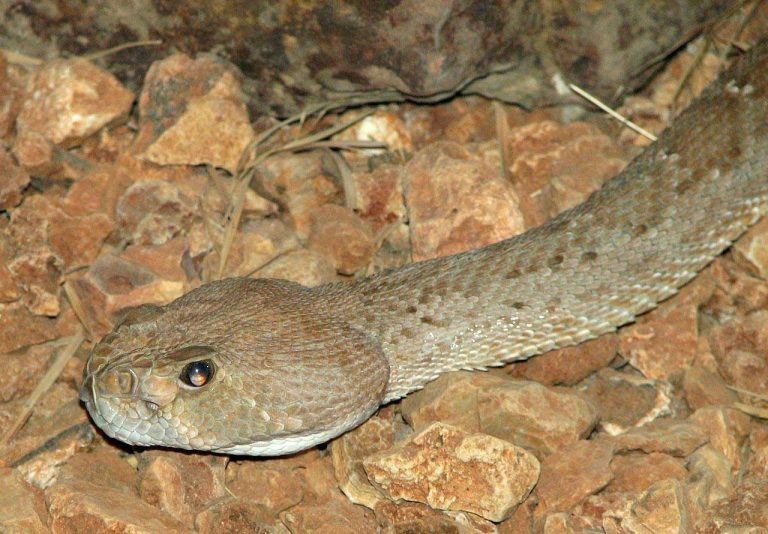
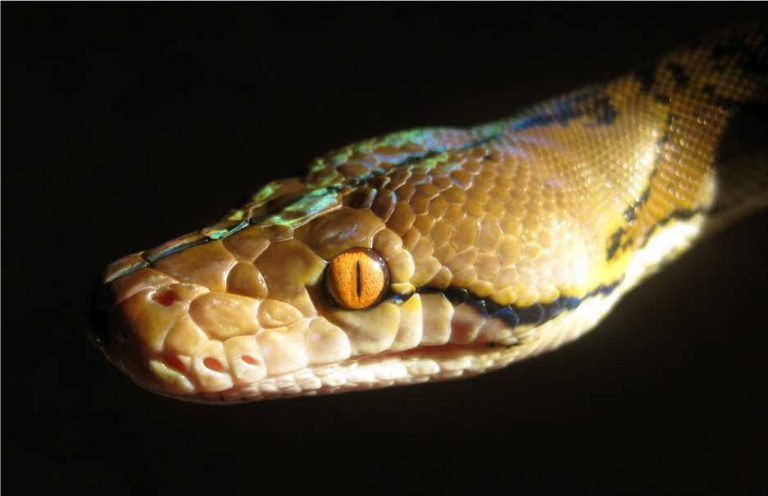
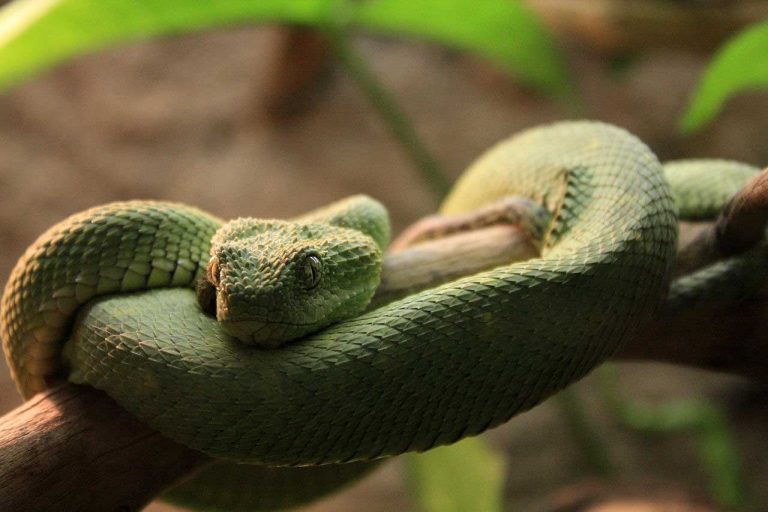
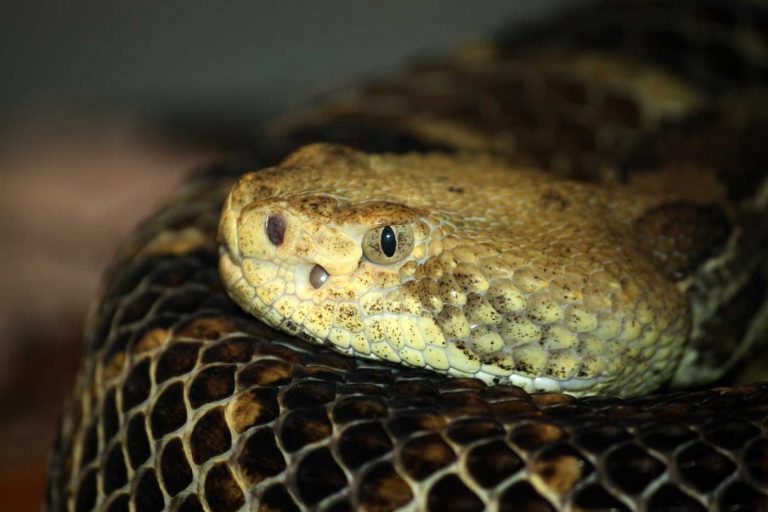
Snakes have no legs, no eyelids and no outer ears, yet they are skilled hunters on land, in trees and even in water. They smell by flicking their forked tongues, and many swallow prey whole thanks to flexible jaws. Some, like pit vipers, can sense the body heat of animals nearby, while constrictors such as pythons and boas squeeze their prey instead of using venom.

This category profiles snakes of every size, from tiny blind snakes and worm snakes that burrow underground to the biggest snakes on Earth. If you are thinking about a reptile companion, our guide to pet snakes and profiles of gentle species like milk snakes and king snakes are a great place to start.

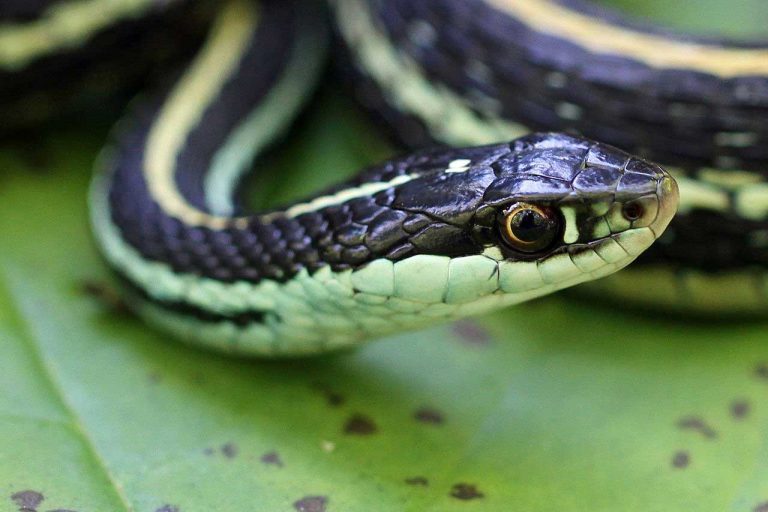
  • Ribbon Snake

    Scientific Classification & Quick Facts Common name Ribbon snake Scientific name Thamnophis saurita Kingdom Animalia Phylum Chordata Class Squamata Family Colubridae Genus Thamnophis Conservation status Least Concern Type Reptile (slim garter snake) Diet Worms, fish, frogs, newts, toads, slugs Native range Eastern North America Size 16-35 in (41-89 cm) long Colours Black or brown with…
  • Red-bellied Black Snake

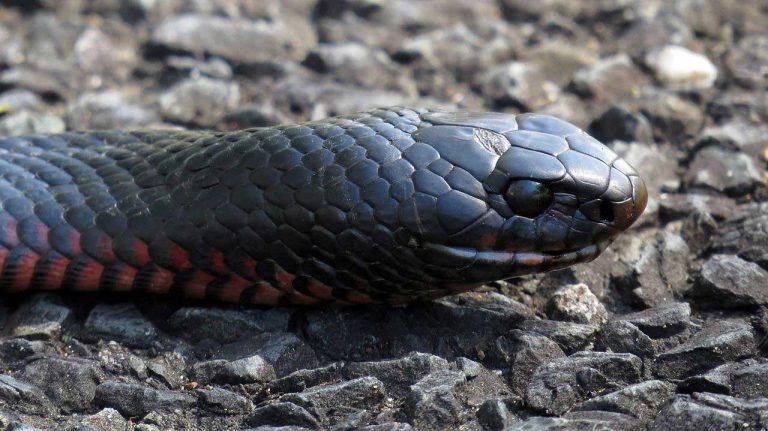
    The red-bellied black snake (Pseudechis porphyriacus) is a shiny black snake with a bright red or pink belly that lives in eastern Australia. It is venomous, but it is shy and usually tries to slip away from people rather than bite. Because it often lives near towns and farms, it is one of the best-known…

  • Red Headed Krait

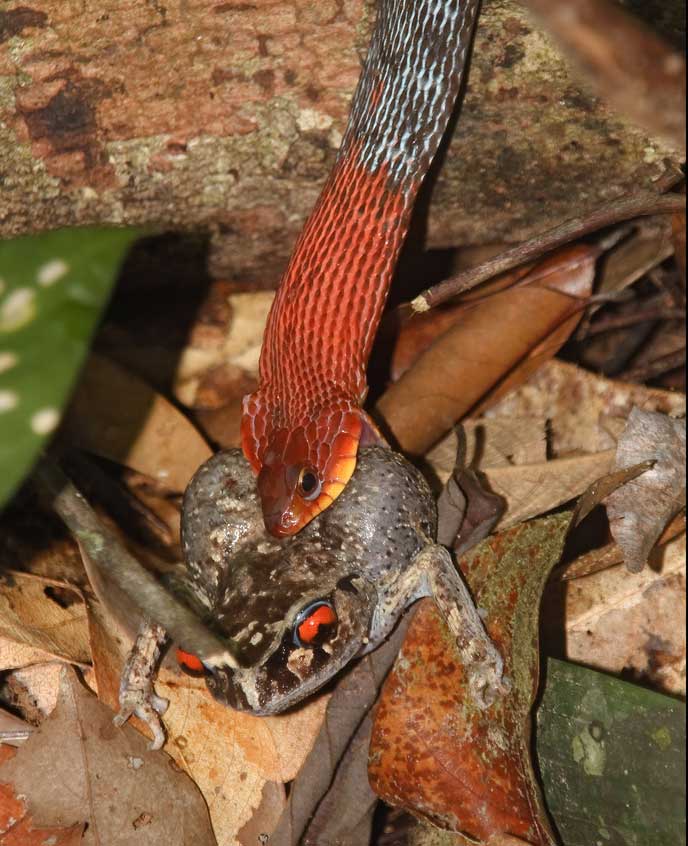
    The red-headed krait (Bungarus flaviceps) is a strikingly colored, highly venomous snake from the rainforests of Southeast Asia. It is a member of the elapid family, along with cobras and mambas, and is easy to recognize by its glossy black body and bright red head and tail. Scientific Classification & Quick Facts Common name Red-headed…

  • Rat Snake

    Scientific Classification Kingdom:   Animalia Phylum:     Chordata Subphylum:     Vertebrata Class:       Reptilia Order:        Squamata Suborder:        Serpentes Family:        Colubridae Genus:        Various Quick Facts Common name Rat snake Type Reptile (non-venomous constrictor snake) Diet Rodents and birds Habitat Rocky wooded hills, forests, floodplains and barns Native range Northern Hemisphere, including southeastern US Size 3-5…

  • Rattle Snake

    Scientific Classification & Quick Facts Common name Rattlesnake Scientific name Crotalus Kingdom Animalia Phylum Chordata Class Squamata Family Viperidae Type Reptile (venomous pit viper) Diet Small mammals, birds, reptiles, other snakes Habitat Deserts, meadows, swamps and marshes Native range The Americas, southern Canada to Argentina Special feature Rattling tail and heat-sensing facial pits Classification: GBIF…

  • Queen Snake

    Scientific Classification & Quick Facts Common name Queen snake Scientific name Regina septemvittata Kingdom Animalia Phylum Chordata Class Squamata Family Colubridae Genus Regina Conservation status Least Concern Type Reptile (non-venomous snake) Diet Soft, newly molted crayfish, newts, tadpoles, snails Habitat Clear, rocky streams; basks on branches Native range Eastern United States Size 15-24 in (38-61…

  • Pythons

    Scientific Classification & Quick Facts Common name Pythons Scientific name Pythonidae Kingdom Animalia Phylum Chordata Class Squamata Type Reptile (non-venomous constrictor snakes) Diet Mammals and birds, from rats to antelopes Habitat Woodlands, rainforests and grasslands, often near water Native range Africa, Asia and Australasia Size About 1 m to nearly 7 m long Special feature…

  • Poisonous Snakes

    Venomous or poisonous snakes are Serpentes suborder species that are capable of producing venom. The prominent venomous snakes are members of the Atractaspididae, Viperidae, Elapidae, and Colubridae families. You can describe venomous snakes as reptiles that are capable of producing toxins in specialized glands,  and possess a particular system of delivering the venom, injected using…

  • Pit Vipers

    Pit vipers, also called pit Adders, belonging to the subfamily Crotalinae, are highly venomous snakes,  native to the Americas and Asia. You do not find this pit viper snake in Africa and Europe, where the Viperidae or true vipers are found. Pit viper Quick Facts Common name Pit viper Scientific name Crotalinae Type Reptile (highly…

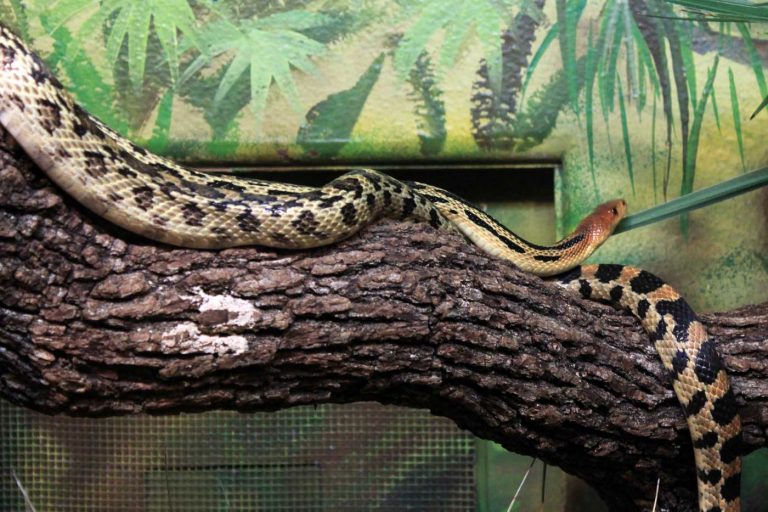
  • Pine Snake

    Scientific Classification & Quick Facts Common name Pine snake Scientific name Pituophis melanoleucus Kingdom Animalia Phylum Chordata Class Squamata Family Colubridae Genus Pituophis Conservation status Least Concern Type Reptile (large colubrid snake) Diet Rodents such as rats and mice Habitat Pine barrens, dry mountains; digs burrows Native range Southeastern United States, up to New Jersey…

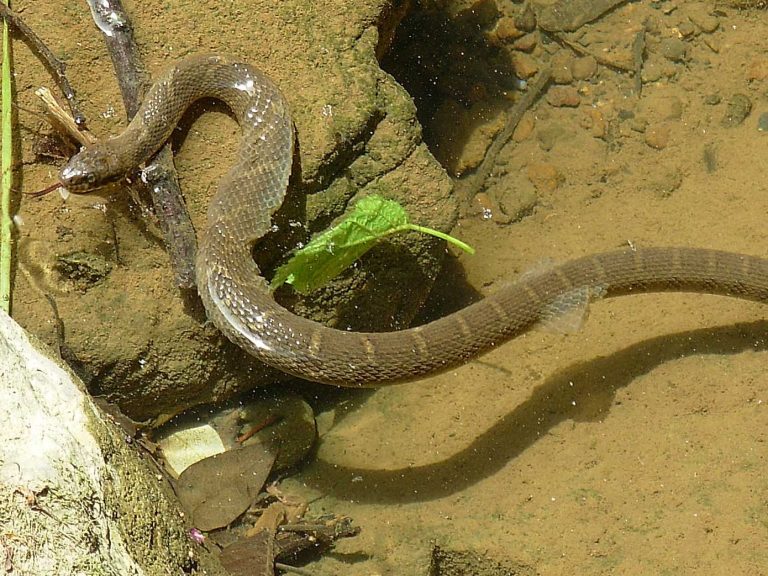
  • Northern Water Snake

    Scientific Classification & Quick Facts Common name Northern water snake Scientific name Nerodia sipedon Kingdom Animalia Phylum Chordata Class Squamata Family Colubridae Genus Nerodia Conservation status Least Concern Type Reptile (water snake) Diet Fish, frogs, crayfish, leeches, salamanders, young turtles Habitat Streams, rivers, lakes, ponds, marshes and canals Size Up to 140 cm (55 in)…

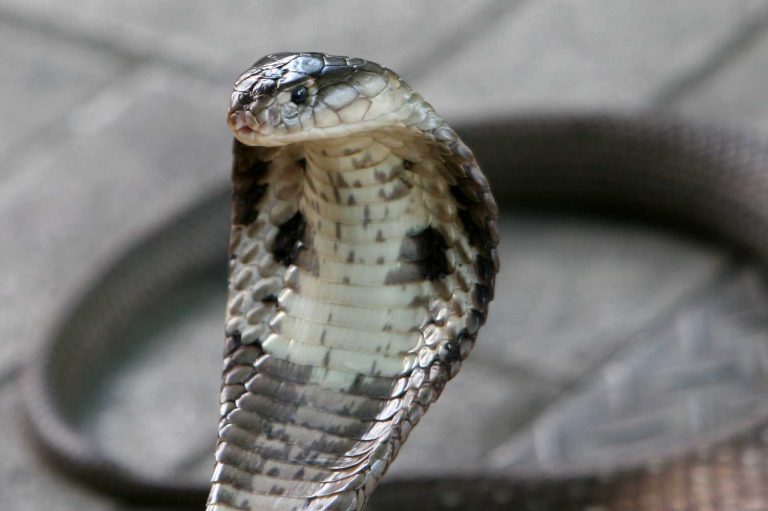
  • Monocled Cobra

    Scientific Classification & Quick Facts Common name Monocled cobra Scientific name Naja kaouthia Kingdom Animalia Phylum Chordata Class Squamata Family Elapidae Genus Naja Conservation status Least Concern Type Reptile (highly venomous cobra) Diet Frogs, toads, rodents, fish, birds, snakes Habitat Swamps, mangroves, paddy fields, grassland, forests Native range South and Southeast Asia, India to Vietnam…