Snakes

Snakes have no legs, no eyelids and no outer ears, yet they are skilled hunters on land, in trees and even in water. They smell by flicking their forked tongues, and many swallow prey whole thanks to flexible jaws. Some, like pit vipers, can sense the body heat of animals nearby, while constrictors such as pythons and boas squeeze their prey instead of using venom.

This category profiles snakes of every size, from tiny blind snakes and worm snakes that burrow underground to the biggest snakes on Earth. If you are thinking about a reptile companion, our guide to pet snakes and profiles of gentle species like milk snakes and king snakes are a great place to start.

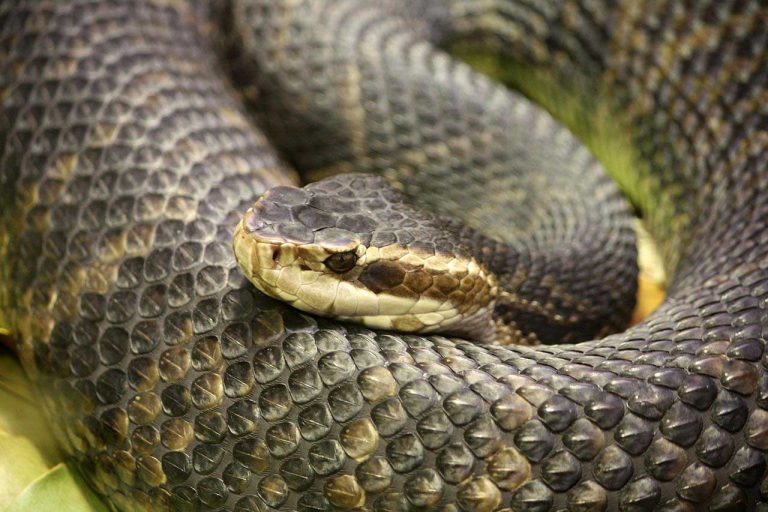
  • Water Moccasin Snake

    Scientific Classification & Quick Facts Common name Water moccasin Scientific name Agkistrodon piscivorus Kingdom Animalia Phylum Chordata Class Squamata Family Viperidae Genus Agkistrodon Conservation status Least Concern Type Reptile (venomous pit viper) Diet Fish, frogs, lizards, birds, small mammals, other snakes Habitat Swamps, marshes, ditches, ponds and streams Native range Southeastern United States, from East…
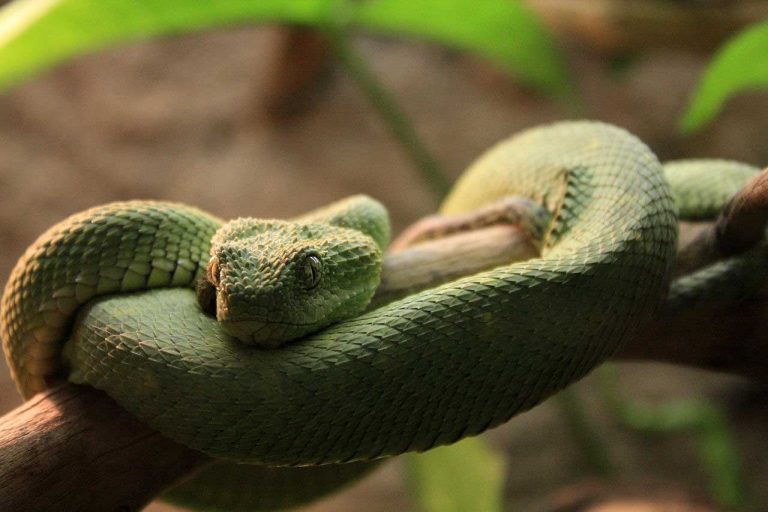
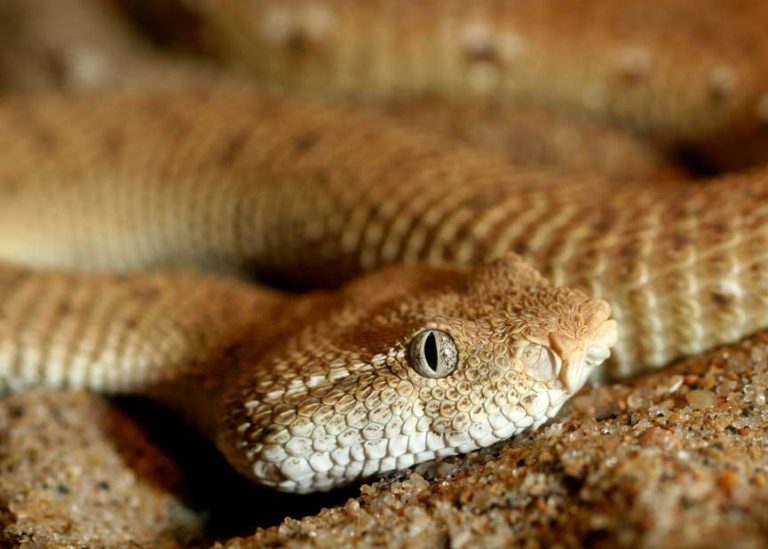
  • Viper Snake

    Scientific Classification & Quick Facts Common name Viper Scientific name Viperidae Kingdom Animalia Phylum Chordata Class Squamata Type Reptile (venomous snake family) Diet Rodents and other small animals Habitat Forests, wetlands and deserts, mostly on the ground Special feature Long hinged hollow fangs that inject venom Classification: GBIF Backbone Taxonomy. The viper snake has hinged,…

  • Types of Snakes: Viperidae (Vipers)

    Scientific Classification & Quick Facts Common name Vipers Scientific name Viperidae Kingdom Animalia Phylum Chordata Class Squamata Type Reptile (venomous snakes) Habitat Deserts, savannas, rainforests and wetlands Native range Europe, Africa, Asia and the Americas Size From 20 cm to over 2 m long Special feature Long, hollow fangs that fold back when not in…

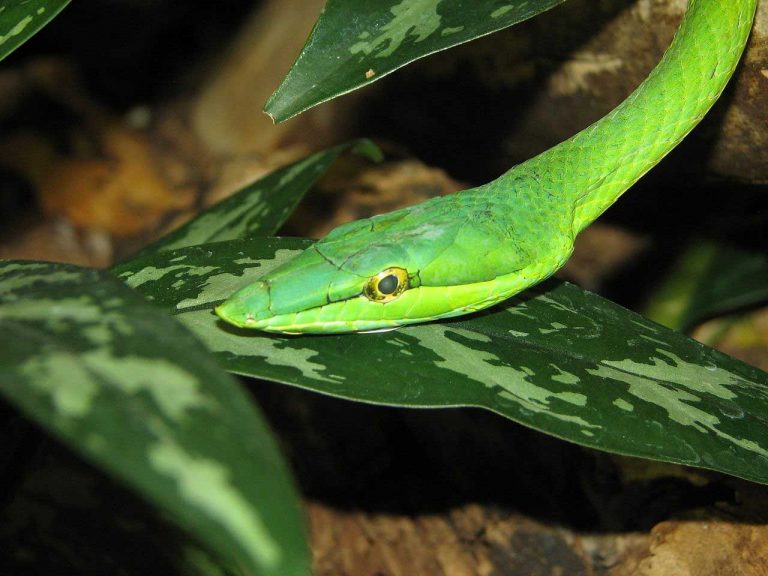
  • Vine Snake

    Scientific Classification & Quick Facts Common name Vine snake Scientific name Ahaetulla nasuta Kingdom Animalia Phylum Chordata Class Squamata Family Colubridae Genus Ahaetulla Conservation status Least Concern Type Reptile (slim tree snake) Diet Lizards, frogs and birds Habitat Rainforests, dry forests and savannas Native range India, Sri Lanka and Southeast Asia Size 0.75–1.5 m (2.5–5…

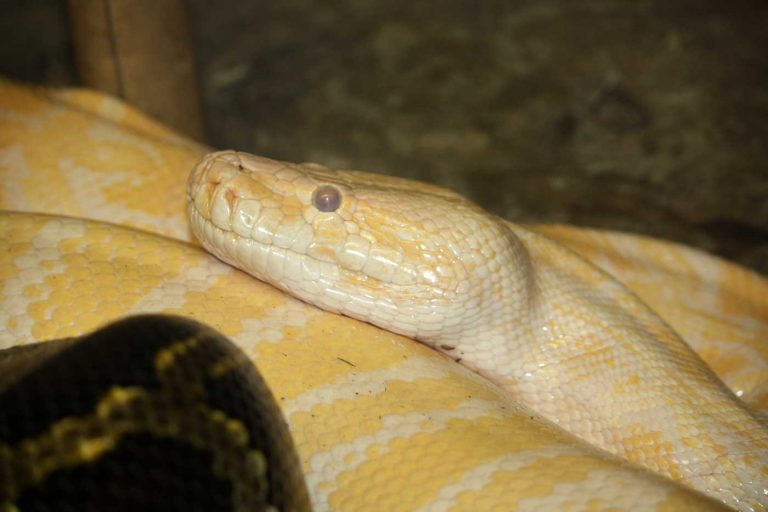
  • Types of Snakes: Pythonidae

    Scientific Classification & Quick Facts Common name Pythons Scientific name Pythonidae Kingdom Animalia Phylum Chordata Class Squamata Type Reptile (non-venomous constrictor snakes) Diet Mammals and birds; big ones eat deer or antelope Native range Africa, Asia and Australia Size From about 4 ft to nearly 23 ft (6.95 m) Special feature Mothers shiver to warm…

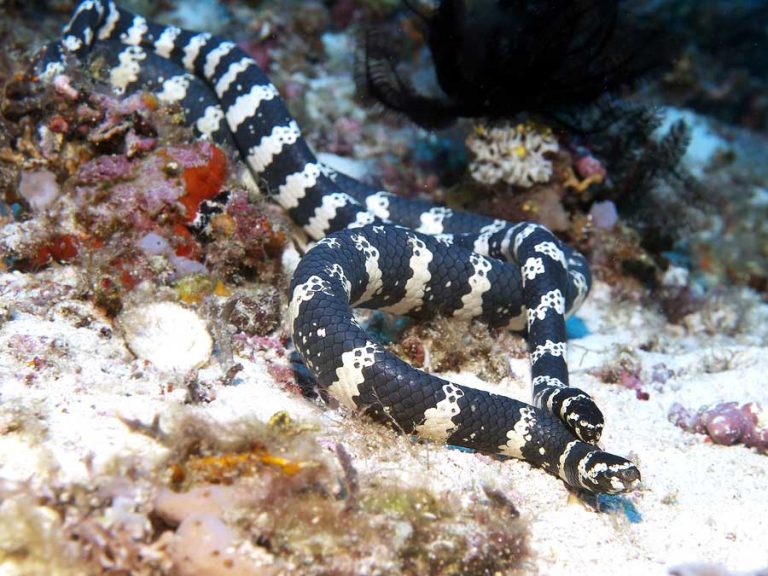
  • Types of Snakes: Hydrophiidae

    Scientific Classification Kingdom:   Animalia Phylum:     Chordata Subphylum:     Vertebrata Class:       Reptilia Order:        Squamata Suborder:        Serpentes Family:        Elapidae Subfamily:        Hydrophiinae Quick Facts Common name Sea snakes Scientific name Hydrophiinae Type Reptile (venomous sea snakes) Diet Fish, eels, fish eggs and crustaceans Habitat Warm seas: reefs, estuaries and mangroves Native range Tropical Indian…

  • Other Snake Families Not Already Described

    Scientific Classification Kingdom:   Animalia Phylum:     Chordata Subphylum:     Vertebrata Class:       Sauropsida Order:        Squamata Suborder:        Serpentes The Suborder Serpentes Includes Two Infraorder Of Snakes The first Infraorder is Alethinophidia that includes  15 families and then you have the  Scolecophidia,  that comprises of 3 families Families under Alethinophidia Infraorder The Acrochordidae The Aniliidae The Anomochilidae…

  • Types of Snakes: Colubridae

    Scientific Classification & Quick Facts Common name Colubrids Scientific name Colubridae Kingdom Animalia Phylum Chordata Class Squamata Type Reptile (largest family of snakes) Diet Rodents, lizards, frogs, birds and other snakes Native range Every continent except Antarctica Size From about 35 cm to over 2.5 m long Special feature About two-thirds of all snake species…

  • Types of Snakes: Elapidae

    Scientific Classification & Quick Facts Common name Elapids Scientific name Elapidae Kingdom Animalia Phylum Chordata Class Squamata Type Reptile (venomous snakes) Native range Tropical and subtropical regions worldwide Size From about 60 cm to over 5 m long Special feature Fixed hollow fangs and nerve-attacking venom Classification: GBIF Backbone Taxonomy. Snakes are a carrier of…

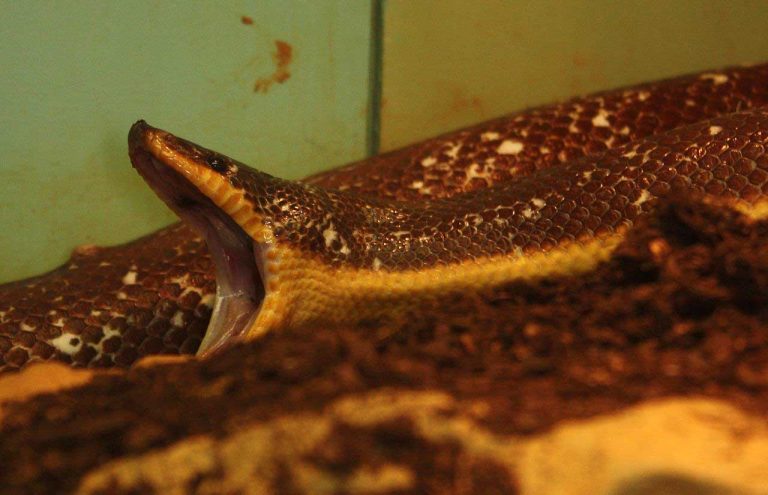
  • Types of Snakes: Boidae – Non Poisonous Snakes

    Scientific Classification & Quick Facts Common name Boas Scientific name Boidae Kingdom Animalia Phylum Chordata Class Squamata Type Reptile (non-venomous constrictor snakes) Diet Amphibians, fish, birds, small mammals and caimans Habitat Rainforests, rivers, marshes and rocky outcrops Native range Americas, including South America and Jamaica Size From about 1 m (rosy boa) to 6 m…

  • Texas Rat Snake

    Scientific Classification & Quick Facts Common name Texas rat snake Scientific name Elaphe obsoleta lindheimerii Kingdom Animalia Phylum Chordata Class Squamata Family Colubridae Genus Pantherophis Type Reptile (non-venomous constrictor snake) Diet Birds, rodents, frogs, lizards, chicken eggs Habitat Grasslands, swamps, forests, farms and towns Native range Texas, Oklahoma, Louisiana and Arkansas Size Over 6 ft…

  • Tiger Snake

    Scientific Classification & Quick Facts Common name Tiger snake Scientific name Notechis scutatus Kingdom Animalia Phylum Chordata Class Squamata Family Elapidae Genus Notechis Conservation status Least Concern Type Reptile (highly venomous snake) Diet Rodents, fish and birds; eats almost anything Habitat Rocky ground, forest, grassland and marshes Native range Southern and eastern Australia, including Tasmania…