Snakes

Snakes have no legs, no eyelids and no outer ears, yet they are skilled hunters on land, in trees and even in water. They smell by flicking their forked tongues, and many swallow prey whole thanks to flexible jaws. Some, like pit vipers, can sense the body heat of animals nearby, while constrictors such as pythons and boas squeeze their prey instead of using venom.

This category profiles snakes of every size, from tiny blind snakes and worm snakes that burrow underground to the biggest snakes on Earth. If you are thinking about a reptile companion, our guide to pet snakes and profiles of gentle species like milk snakes and king snakes are a great place to start.

  • Taipan Snake

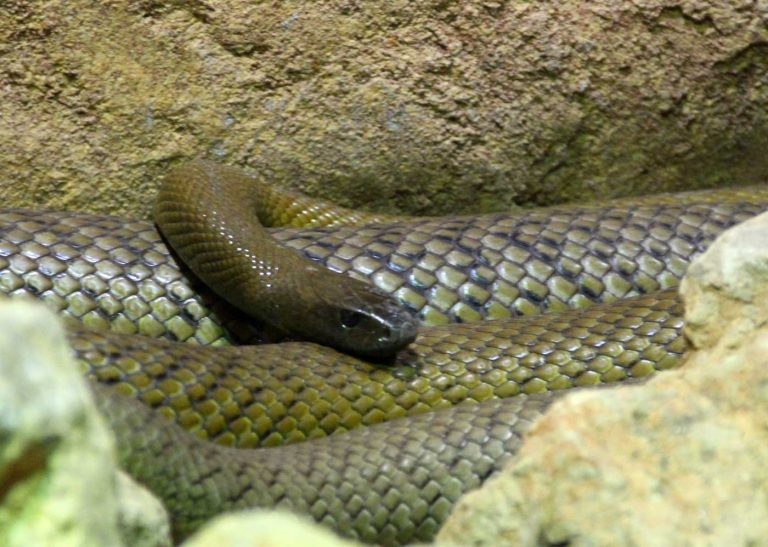
    Scientific Classification & Quick Facts Common name Taipan Scientific name Oxyuranus Kingdom Animalia Phylum Chordata Class Squamata Family Elapidae Type Reptile (highly venomous snake) Diet Rats and mice Habitat Grasslands, coastal dunes, heaths and cane fields Native range Northern and eastern Australia Size Up to 3 m (10 ft) long Colours Pale olive to deep…
  • Tentacled Snake

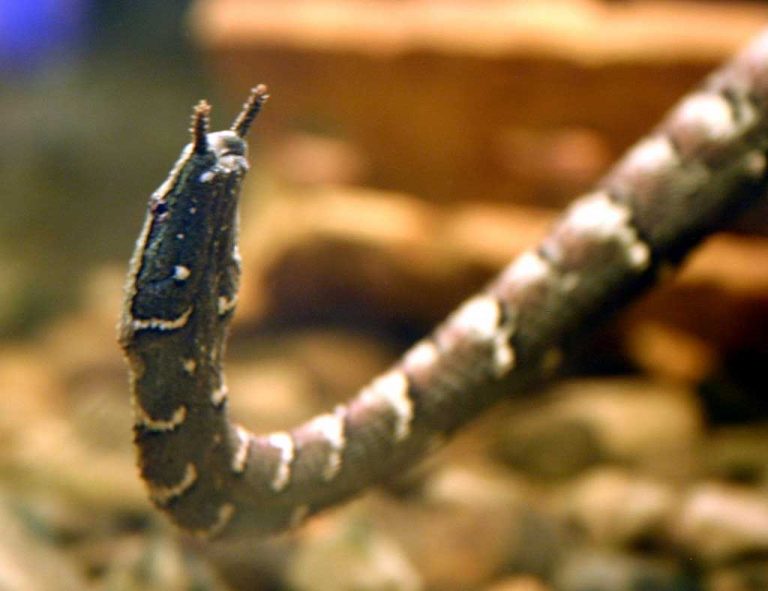
    Scientific Classification & Quick Facts Common name Tentacled snake Scientific name Erpeton tentaculatum Kingdom Animalia Phylum Chordata Class Squamata Family Homalopsidae Genus Erpeton Conservation status Least Concern Type Reptile (aquatic, mildly venomous snake) Diet Fish and amphibian larvae Habitat Murky, still water: lakes, ponds, rice fields Native range Cambodia, Thailand and Vietnam Size About 20-23…

  • Snake Wine

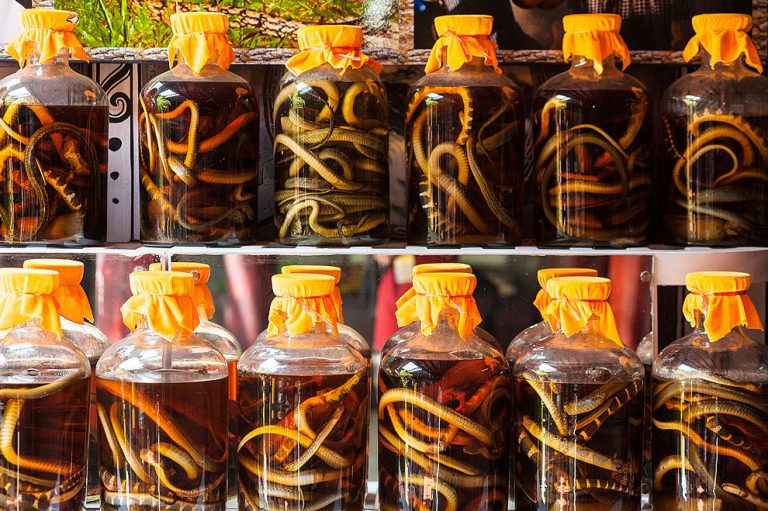
    Snake wine, known because of its ability to reinvigorate a person according to Chinese medicine, is an alcoholic beverage that is made by infusing an entire snake in rice wine or grain alcohol. This wine,蛇酒 pinyin: shéjiǔ; rượu rắn in Vietnamese, was first recorded to have been consumed in China during the reign of the Zhou dynasty and…

  • Snow Snake

    The snow snake is known to exist in the continent of North America, even before the arrival of the European colonizers. Serpentine Niveus is often referred to as a white snake, which thrives best in the cold region of the globe. They have ice-like eyes that turn into burning red or ruby color when they…

  • Snake Skeleton

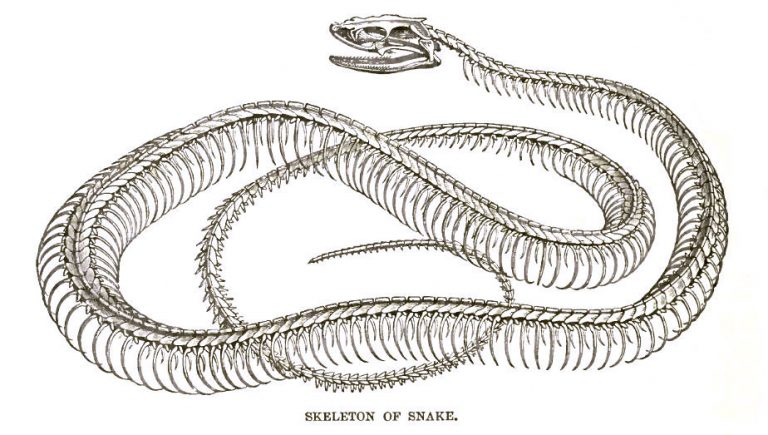
    The skeletal form of a snake is an amazing sight to observe. It is almost as though the entire structure is meticulously put together in an attempt to create an elegant creature. A snake skeleton consists of a skull, the vertebrae and ribs, and the vestigial remnants of the limb. The main structure of a…

  • Snake Symbolism

    The snake or serpent is among the most widespread mythological symbols. The word serpent derives from the Latin word Serpens, which means an animal that crawls, or a snake. Several ancient rituals practiced by human beings are linked with snakes symbolizes twin expressions of evil or good. In certain traditions, the snake was the symbol of fertility. For…

  • Snake Oil Salesman

    Snake Oil originally meant a fraudulent health product or a product of unproven medical value.  Today, Snake Oil refers to all products with dubious, unverifiable, or questionable quality.  Logically a snake oil vendor is a person who knowingly sells fraudulent products or is a charlatan or a fraud or a quack. Salesmen who sell these products…

  • Diet of Snakes

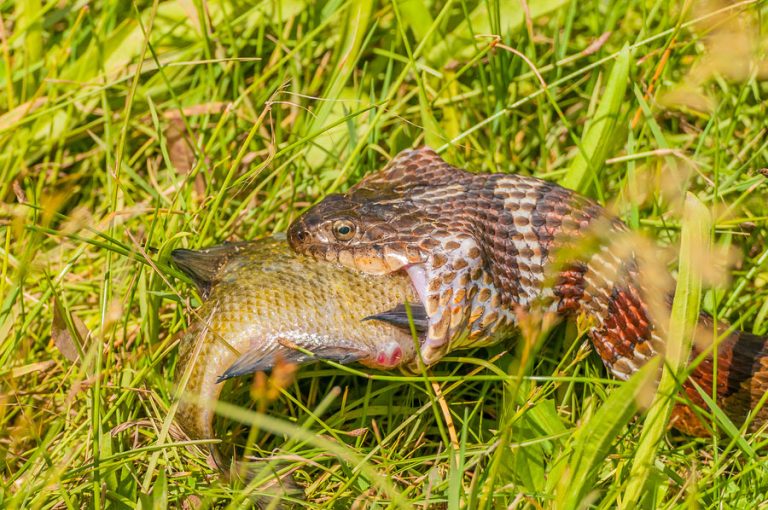
    Every snake is a carnivore, which means all snakes eat other animals and none of them eat plants. What a snake eats depends on its size, its species and where it lives, from tiny worm-eaters to giant snakes that can swallow a deer. How Snakes Eat Snakes cannot chew, so they swallow their food whole,…

  • Snake Facts

    There are a large number of snake varieties in this world.   In fact, there are more than Three Thousand kinds of snakes. Pythons, seven or more meters in length are the giants among snakes.  They can coil around a full-grown Antelope, squeeze it to death and swallow it without much ado.  Then there are pencil-sized…

  • Sidewinder Snake

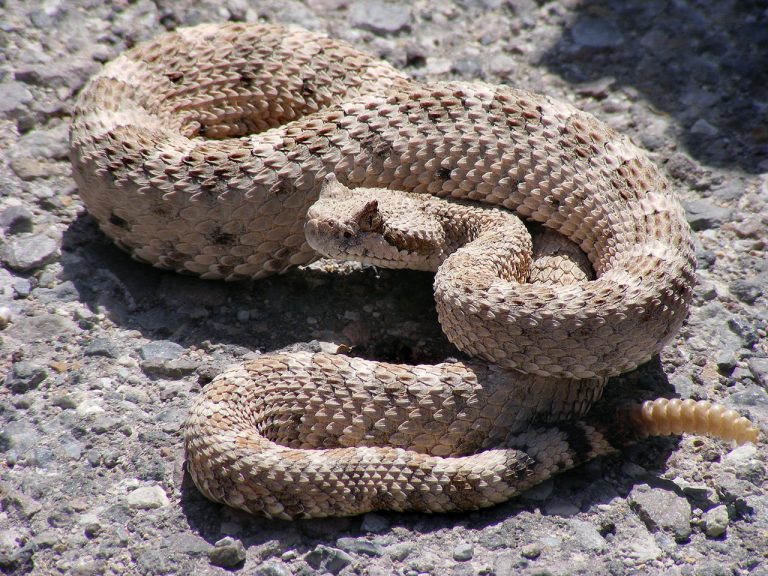
    Scientific Classification & Quick Facts Common name Sidewinder Scientific name Crotalus cerastes Kingdom Animalia Phylum Chordata Class Squamata Family Viperidae Genus Crotalus Conservation status Least Concern Type Reptile (venomous pit viper) Diet Small rodents, lizards, kangaroo rats Habitat Dry desert flats and sandy washes Native range Southwestern US and northwestern Mexico Size About 30 in…

  • Snake Charmer

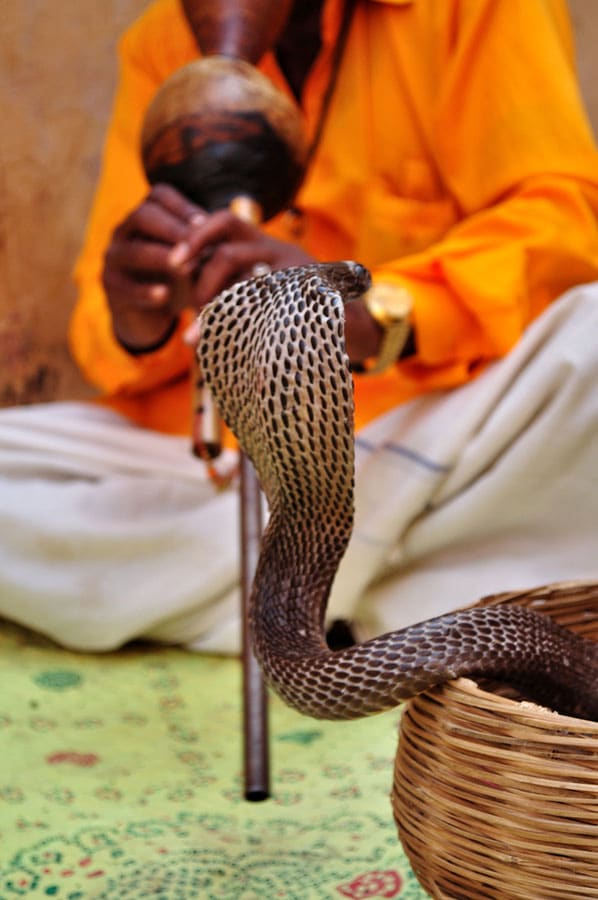
    At some time or the other, when we see the snake charmer sitting with crossed legs, blowing his flute, it makes us awestruck, as at that time, his venomous cobra, wakes up from the basket and spreads wide its puffed-up hood, rocks its hood hither and thither in tune with the music. The snake charmer…

  • Red Necked Keelback

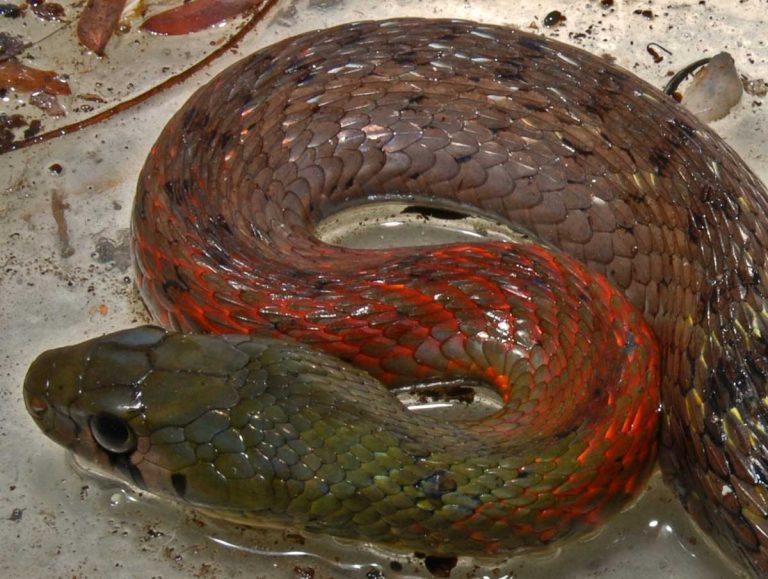
    The red-necked keelback (Rhabdophis subminiatus) is a colorful snake from South and Southeast Asia, named for the bright red patch on its neck. It looks gentle, but it is both venomous and poisonous, so it should never be handled. Scientific Classification & Quick Facts Common name Red-necked keelback Scientific name Rhabdophis subminiatus Kingdom Animalia Phylum…