Snakes

Snakes have no legs, no eyelids and no outer ears, yet they are skilled hunters on land, in trees and even in water. They smell by flicking their forked tongues, and many swallow prey whole thanks to flexible jaws. Some, like pit vipers, can sense the body heat of animals nearby, while constrictors such as pythons and boas squeeze their prey instead of using venom.

This category profiles snakes of every size, from tiny blind snakes and worm snakes that burrow underground to the biggest snakes on Earth. If you are thinking about a reptile companion, our guide to pet snakes and profiles of gentle species like milk snakes and king snakes are a great place to start.

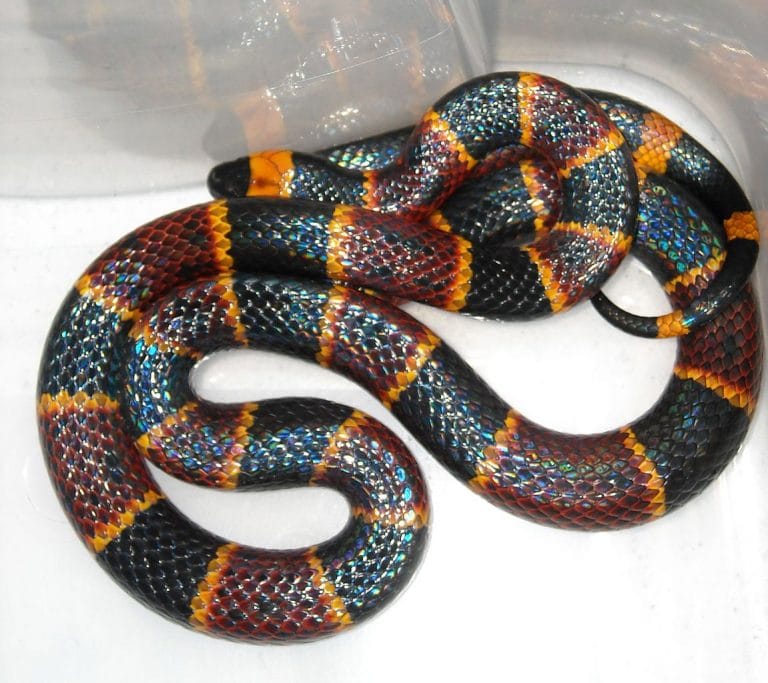
  • Coral Snakes Rhyme

    Coral snakes are a massive group of Elapid snakes, which is further divided into two separate groups, New Word Coral Snakes and Old Word Coral Snakes. The New World coral snakes encompass more than 65 identified varieties in three known genera (Leptomicrurus, Micrurus, and  Micruroides). The Old World encompasses 16 species in the three genus…
  • Coral Snakes

    Coral snakes are small, brightly banded, highly venomous snakes found in the Americas and in Asia. They belong to the same family as cobras, mambas and sea snakes, but they are shy, secretive animals that rarely bite unless someone picks them up or steps on them. Scientific Classification & Quick Facts Common name Coral snake…

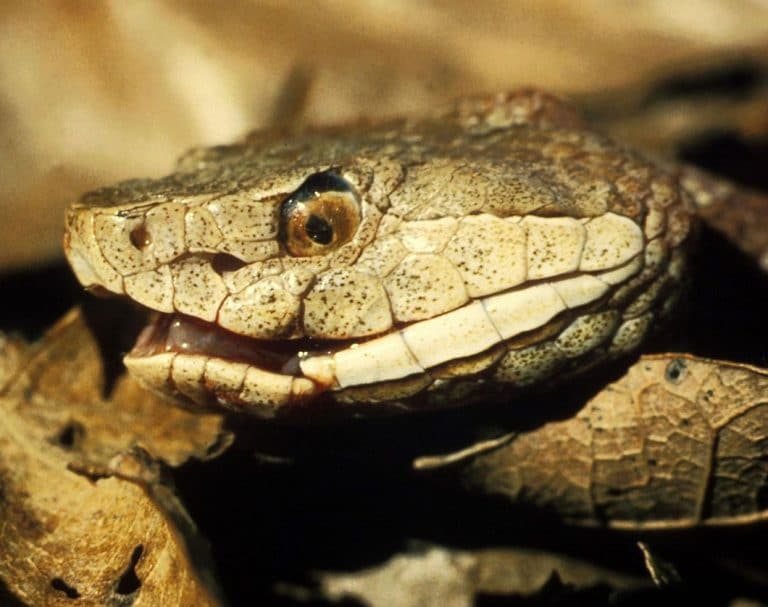
  • Copperhead Snakes

    Scientific Classification & Quick Facts Common name Copperhead Scientific name Agkistrodon contortrix Kingdom Animalia Phylum Chordata Class Squamata Family Viperidae Genus Agkistrodon Conservation status Least Concern Type Reptile (venomous pit viper) Diet Caterpillars, cicadas, frogs, lizards, mice, birds Habitat Wooded rocky hillsides, wetlands, wood piles Native range Eastern and central United States Size 2-3 ft…

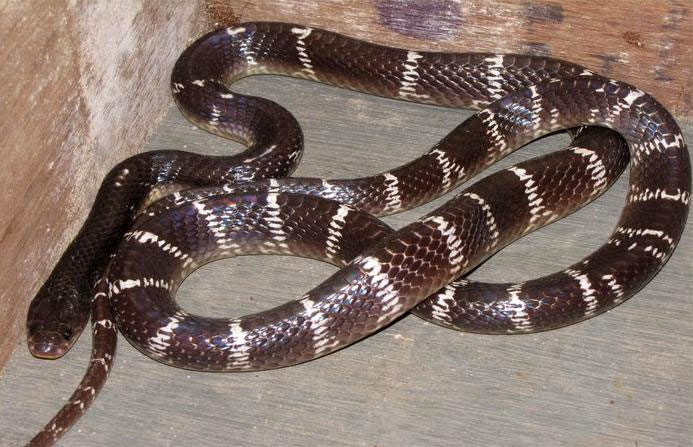
  • Common Krait

    Scientific Classification & Quick Facts Common name Common krait Scientific name Bungarus caeruleus Kingdom Animalia Phylum Chordata Class Squamata Family Elapidae Genus Bungarus Conservation status Least Concern Type Reptile (highly venomous snake) Diet Snakes, rodents, lizards, frogs, toads Habitat Plains, forests, farmland, often near homes Native range Indian subcontinent Size Average 0.9 m (3 ft);…

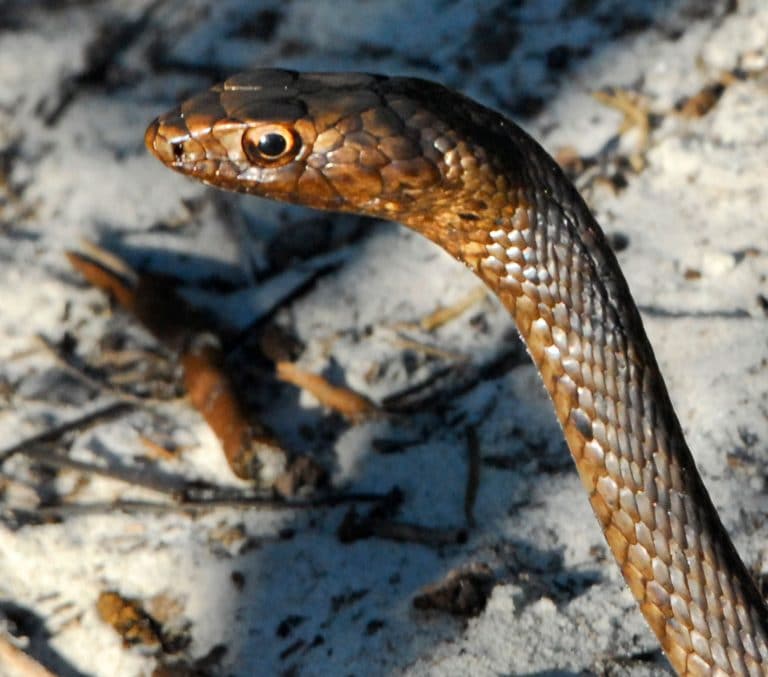
  • Coachwhip Snake

    The coachwhip (Masticophis flagellum) is a long, slender, fast-moving snake from the southern United States and Mexico. It is harmless to people because it has no venom, and it gets its name from its long tail, whose scales look like the braided leather of an old-fashioned whip. What Is a Coachwhip? Coachwhips belong to the…

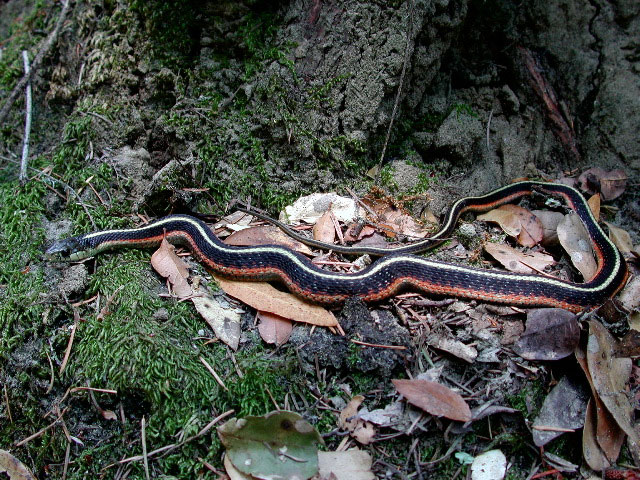
  • California Red Sided Garter

    Scientific Classification & Quick Facts Common name California red-sided garter snake Scientific name Thamnophis sirtalis infernalis Kingdom Animalia Phylum Chordata Class Squamata Family Colubridae Genus Thamnophis Type Reptile (garter snake) Diet Amphibians, fish, eggs, small mammals, earthworms Habitat Forests, grasslands and farmland near water Native range Coastal California Size About 100 cm (females); 75 cm…

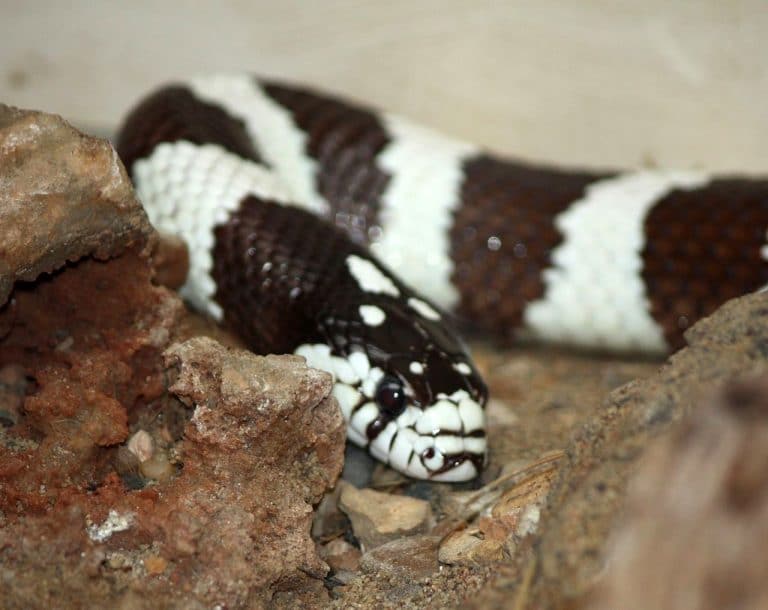
  • California King Snake

    Scientific Classification & Quick Facts Common name California kingsnake Scientific name Lampropeltis californiae Kingdom Animalia Phylum Chordata Class Squamata Family Colubridae Genus Lampropeltis Conservation status Least Concern Type Reptile (non-venomous snake) Habitat Coast, deserts and mountains up to about 6,100 ft Native range California and nearby western states Colours Dark brown with cream or yellow…

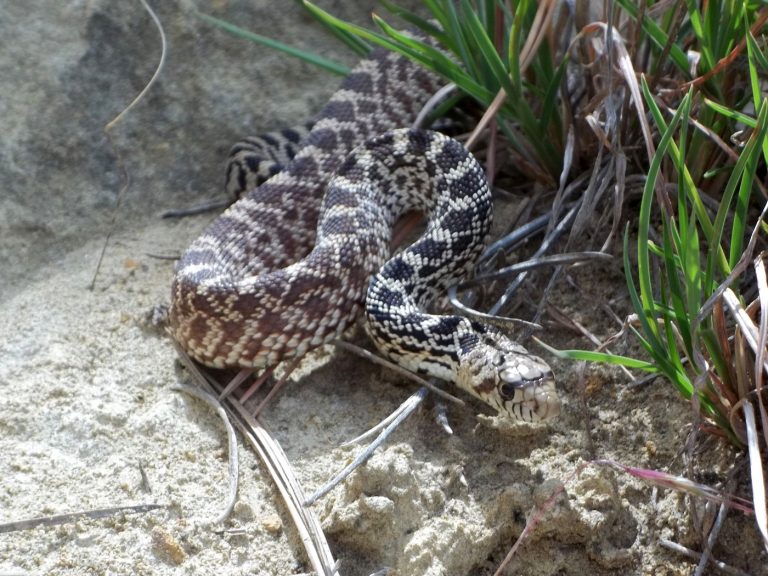
  • Bull Snakes

    Scientific Classification & Quick Facts Common name Bullsnake Scientific name Pituophis catenifer sayi Kingdom Animalia Phylum Chordata Class Squamata Family Colubridae Genus Pituophis Type Reptile (non-venomous constrictor snake) Diet Rodents, ground squirrels, rabbits, birds, eggs, lizards Habitat Sandy places, open country and pine woods Native range Central US, northern Mexico, southwestern Canada Size About 1.8…

  • Bushmaster

    Scientific Classification & Quick Facts Common name Bushmaster Scientific name Lachesis Kingdom Animalia Phylum Chordata Class Squamata Family Viperidae Type Reptile (venomous pit viper) Diet Small mammals, rodents, birds, reptiles Habitat Cool, damp tropical forests Native range Central America to northern South America Size About 1.8 m (6 ft); up to 3 m Colours Reddish…

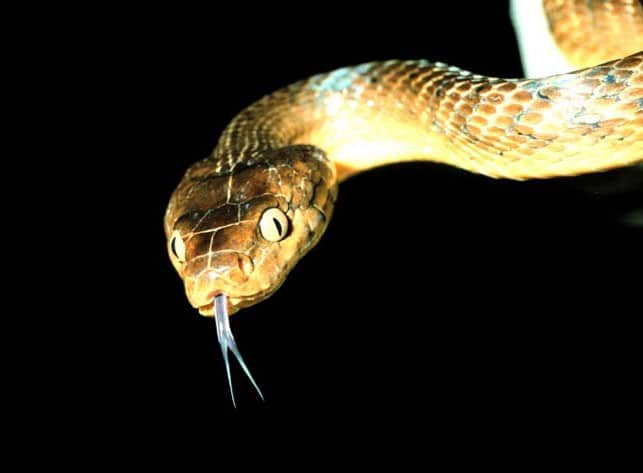
  • Brown Tree Snake

    Scientific Classification & Quick Facts Common name Brown tree snake Scientific name Boiga irregularis Kingdom Animalia Phylum Chordata Class Squamata Family Colubridae Genus Boiga Conservation status Least Concern Type Reptile (rear-fanged tree snake) Diet Lizards and frogs; adults eat eggs, birds, mice Habitat Trees and shrubs; sometimes buildings Native range Northern Australia, Papua New Guinea,…

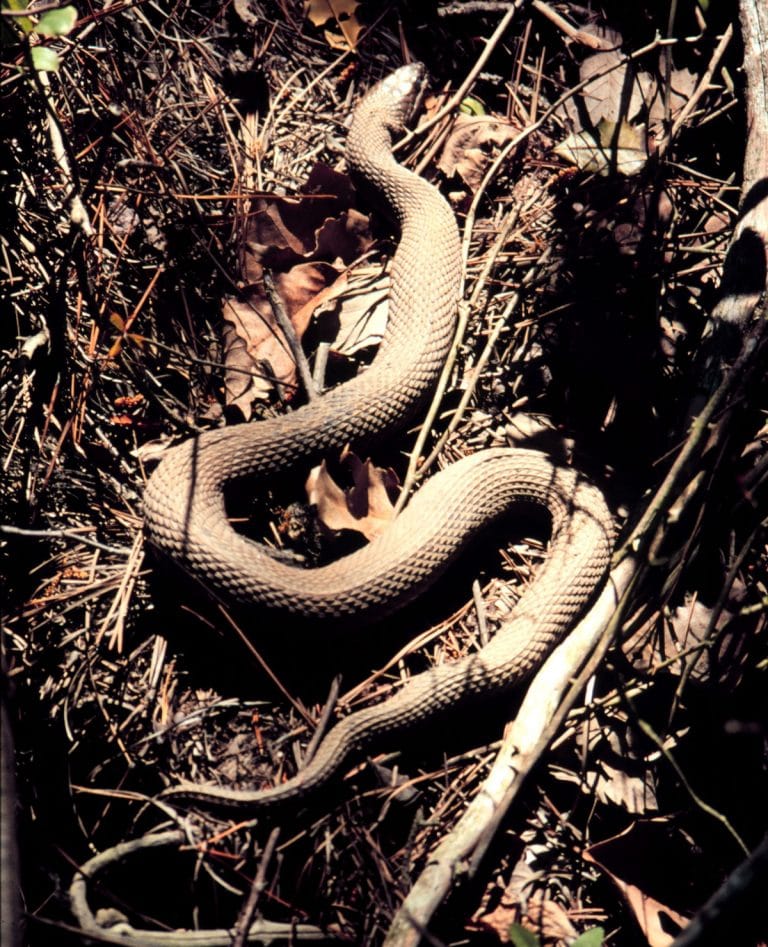
  • Brown Water Snake

    The brown water snake (Nerodia taxispilota) is a large, heavy-bodied, nonvenomous snake that lives in rivers, swamps and lakes of the southeastern United States. It is a skilled swimmer and climber that feeds mostly on fish, and it is often mistaken for the venomous cottonmouth. Scientific Classification & Quick Facts Common name Brown water snake…

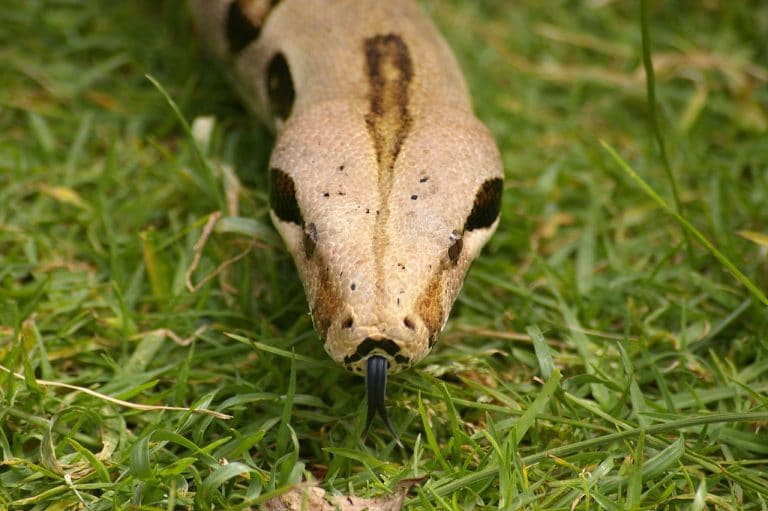
  • Boa Snake

    Scientific Classification & Quick Facts Common name Boa constrictor Scientific name Boa constrictor Kingdom Animalia Phylum Chordata Class Squamata Family Boidae Genus Boa Conservation status Least Concern Type Reptile (non-venomous snake) Diet Rodents; big boas eat small rabbits Habitat Hot tropical regions, on trees and ground Native range Central and South America, Caribbean islands Size…