Bees

Bees are among the most important pollinators on Earth, carrying pollen from flower to flower as they collect nectar and helping many fruits, vegetables and nuts to grow. Honey bees are the best known, living in large colonies with a queen, workers and drones, but most bee species actually live alone and nest in the ground, in wood or in hollow stems.

Here you can follow the bee life cycle, learn the role of the queen bee, and meet solitary species such as mason bees, carpenter bees and sweat bees. There are also beginner notes on beekeeping, surprising bee facts, and a look at the yellow jacket wasp, a frequent bee look-alike.

  • Honey Bee

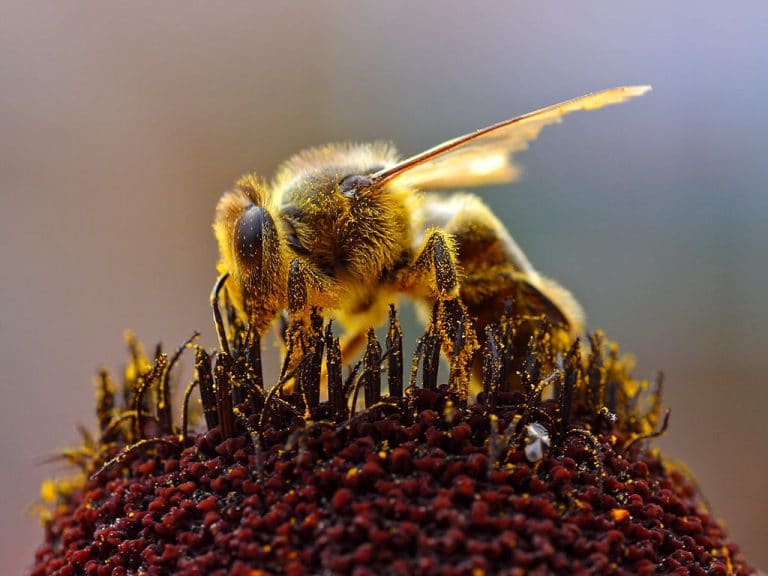
    Honey bees are social insects that live in large colonies, make honey, and build their homes out of beeswax. They belong to the genus Apis, and the best-known species, the western honey bee (Apis mellifera), is kept by beekeepers all over the world. Scientific Classification & Quick Facts Common name Honey bee Scientific name Apis…

  • Queen Bee

    The adult female or the queen bee is the center of the beehive or the honey- bee colony. She is the mother of most of the bees, residing within the colony and almost everything happening in the colony is responsible to the queen. If the queens of a bee colony, borne out of the larvae,…

  • Bee Facts

    The drones are the males whose only work in the hive is to mate with the queen bee. The queen bee’s sole job is to lay eggs. The worker bees take care of the offsprings, collect honey and pollen grains to feed every bee in the colony; they also keep the hive clean. Bees live…

  • Difference Between Bees, Yellow Jackets, Hornets, Wasps

      This article aims to clarify the question most people want to know, “Is There A Difference Between Bees, Yellow Jackets, Hornets, Wasps?” The immense number of different types of bees and wasps are not harmful to human beings. Hymenoptera, is the order of insects in which the hornets, wasps and bees have a rightful…

  • Beekeeping

    Honeybee farming is a joyous leisure activity, or at the same time a part or full time business. Depending on the type of the farming, you can do it anywhere, even in the urban areas, by simply buying the colonies off from the beekeepers or those captured from the wild. Packed bees or queens are…

  • Different Types of Bees: How Can You Tell the Difference?

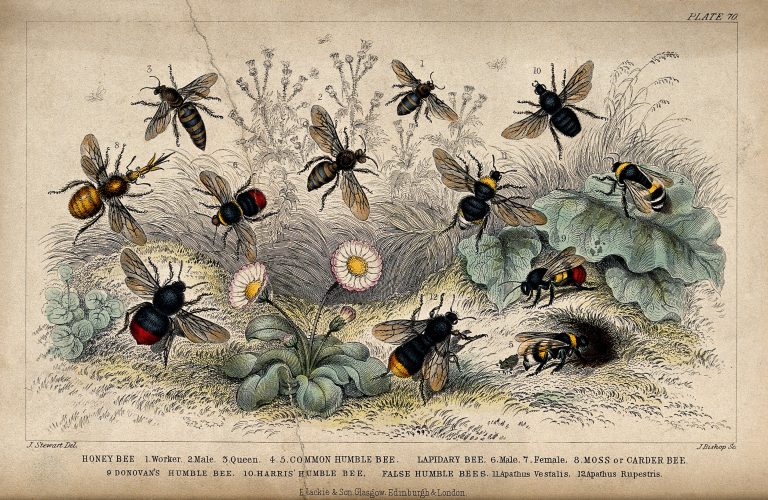
    Quick answer: You can tell bee types apart by size, body shape, color and fuzziness. Honey bees are golden-brown and slim, bumble bees are large and fuzzy, carpenter bees have shiny black abdomens, and sweat bees are small and often metallic green. There are over twenty thousand different types of bees so it’s really not…

  • Honey Bee Mystery

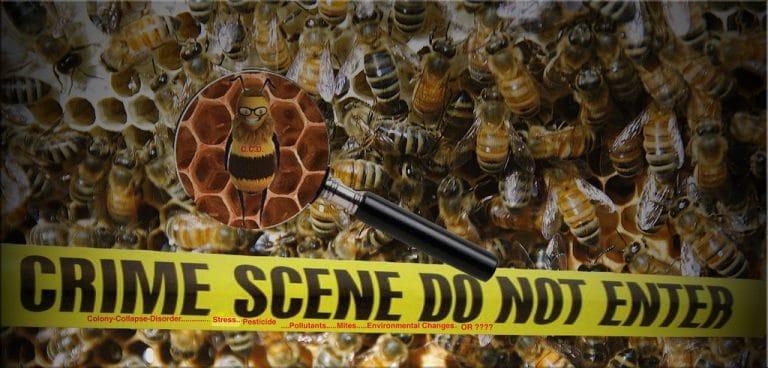
    Since 2006, some beekeepers have had hive populations drop, a lot. Losses were reported at any where from 30 – 90 % of worker bee population across the United States and in some parts of Europe even though there was a live and active Queen, honey in the hive and immature bees present. This condition…