Bee Facts for Kids: Honeybees, Bumblebees and Fun Facts
Quick answer: A bee is a flying insect that feeds on nectar and pollen from flowers. Bees live on every continent except Antarctica. Honeybees live in large colonies with one queen and make honey to store food, while most other bees live alone. As they visit flowers, bees carry pollen that helps plants make seeds and fruit.
Watch a garden on a sunny day and you will probably see a bee moving from flower to flower. It is collecting food, but it is also doing an important job for the plants. Bees help many flowers, fruits and vegetables grow.
There are about 20,000 kinds of bees in the world. In this guide, the honeybee is our main example, but you will also meet fuzzy bumblebees and the many solitary bees that live on their own.
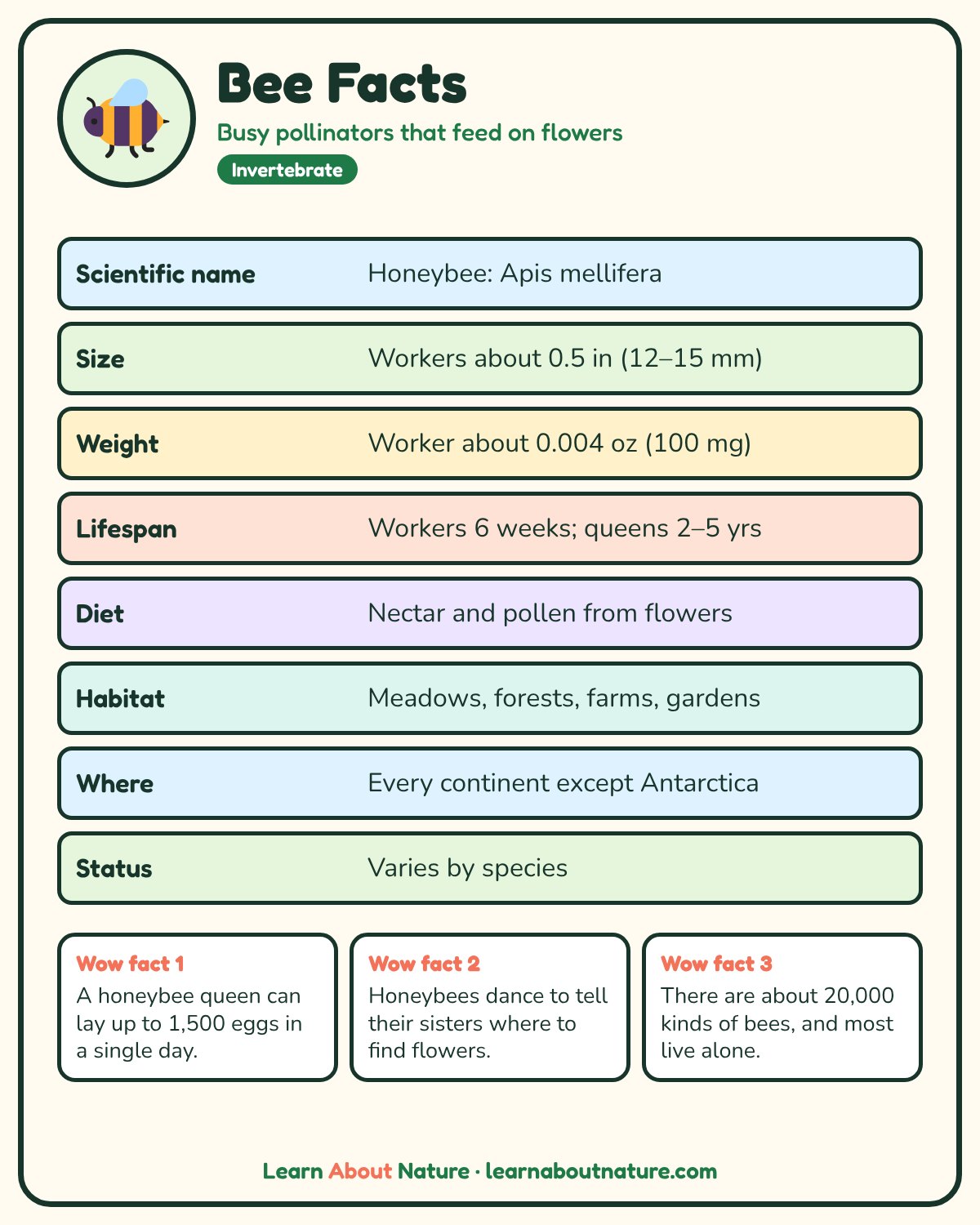
Teachers and students: you’re welcome to use this fact sheet in lessons and projects with credit to Learn About Nature.
Free printable: Download the Bee fact file worksheet (PDF) – draw the animal, fill in the facts and match key words. Answer key included.
Bee Quick Facts
| Class | Insect |
| Group | Bees (about 20,000 species) |
| Example species | Western honeybee (Apis mellifera) |
| Honeybee colony size | More than 60,000 in summer |
| Eggs per day (queen) | Up to about 1,500 |
| Egg to adult (worker) | About 21 days |
| Worker lifespan | About 6 weeks in summer; up to 6 months in winter |
| Queen lifespan | Usually 2–3 years, up to 5 |
| Life stages | Egg, larva, pupa, adult |
| Conservation | Varies; rusty patched bumblebee Critically Endangered (IUCN, 2015) |
What Is a Bee?
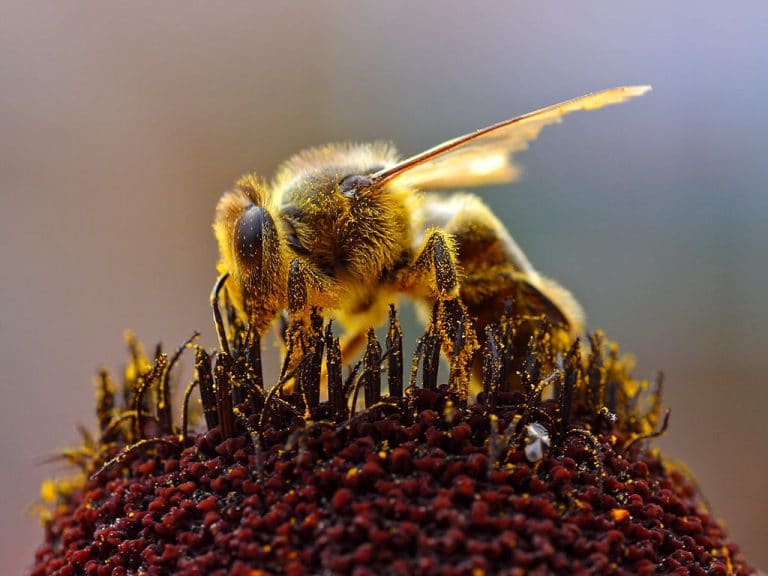
A bee is an insect. Like all insects, it has six legs, three main body parts (head, thorax and abdomen) and a pair of antennae. Bees have two pairs of wings and are often covered in fuzzy hairs that pick up pollen.
Bees are related to wasps and ants. Their ancestors ate other insects, but bees switched to a diet made only from flowers.
The western honeybee, Apis mellifera, is the best-known bee. A worker honeybee is about half an inch (12 to 15 mm) long and weighs only about 100 milligrams (0.004 ounces).
Where Do Bees Live?
Bees live on every continent except Antarctica, in meadows, forests, deserts, farms, parks and backyards. Wherever there are flowers, there are usually bees.
The western honeybee first lived in Europe, Africa and the Middle East. People carried it around the world to keep in hives, and it now lives on every continent except Antarctica.
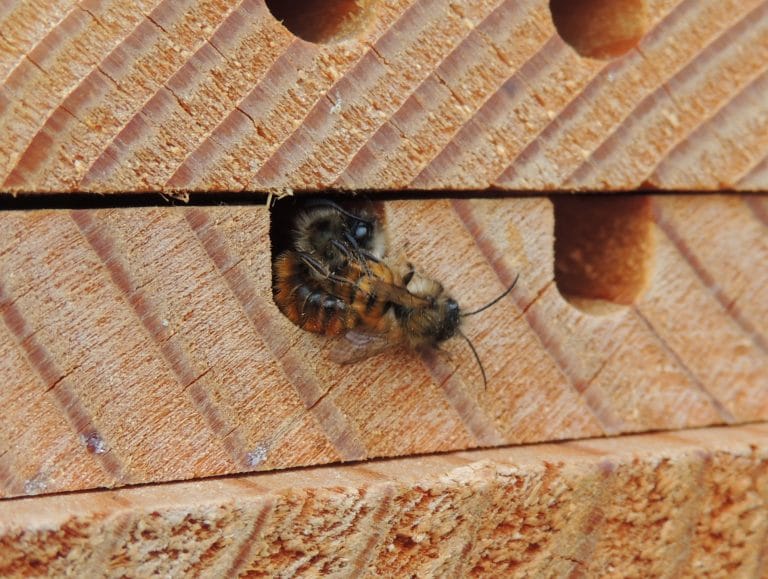
Honeybees kept by people live in wooden hives. About 70 percent of solitary bees dig small tunnels in bare soil, and others nest in hollow plant stems or old beetle holes in dead wood.
When a honeybee colony grows too big for its home, it swarms. The workers raise a new queen, and the old queen flies off with about half of the workers. The swarm rests in a big cluster on a branch or a building while scout bees search for a new place to live. Then the whole swarm flies there together.
What Do Bees Eat?
Bees eat two foods, both from flowers. Nectar is a sugary liquid that gives bees energy. Pollen is a powder full of protein that young bees need to grow.
Honeybees turn nectar into honey. Back at the hive, they add special substances called enzymes and fan their wings to dry the nectar until it becomes thick and sweet. Then they store it in wax cells and seal it with a wax cap. The colony eats this stored honey to survive the winter.
Honeybee foragers usually fly up to about 1.3 miles (2 km) from home to find flowers.
How Bees Help Plants
When a bee visits a flower, pollen sticks to its hairy body. At the next flower, some of that pollen rubs off. Moving pollen between flowers is called pollination, and it lets plants make seeds and fruit.
In the United States alone, honeybees help pollinate about 130 kinds of crops, including fruits, vegetables and nuts. Wild bees are important pollinators too.
Bumblebees have a special trick called buzz pollination. They hold on to a flower and shake their flight muscles very fast, which shakes loose pollen that is hard to reach.
Life in a Honeybee Colony
A honeybee colony can have more than 60,000 bees in summer. Each colony has three kinds of bees:
- The queen: the only bee that lays eggs. She can lay up to 1,500 eggs a day and may live 2 to 5 years.
- Workers: female bees that do all the jobs. Young workers clean, feed babies and build comb from wax. Older workers fly out to collect food. In summer, a worker lives about six weeks.
- Drones: male bees. A colony has a few hundred in spring and summer. Their only job is to mate with queens from other colonies, and they have no stinger.
Life Cycle: Egg to Adult
Bees go through four stages: egg, larva, pupa and adult. This is called complete metamorphosis.
In a honeybee hive, the queen lays each egg in its own wax cell. After about three days, a tiny, white, wormlike larva hatches. Worker bees feed it, and it grows about 1,200 times heavier in six days. Then the workers seal the cell with wax, and the larva becomes a pupa. A worker bee takes about 21 days to grow from egg to adult.
A young honeybee queen leaves the hive to mate with about 7 to 15 drones, high in the air. A couple of days later she starts laying eggs, and she may lay more than a million in her lifetime.
Solitary bees do things differently. A mother bee fills each nest cell with pollen and nectar, lays one egg and leaves. Her babies grow up alone.
Honeybees vs Bumblebees vs Solitary Bees
- Honeybees are slim and live in big colonies that last for years. They store lots of honey for winter.
- Bumblebees are big and fuzzy and live in smaller colonies. In many places, only the new queens survive the winter. They can fly in cool, wet weather by shivering their flight muscles to warm up.
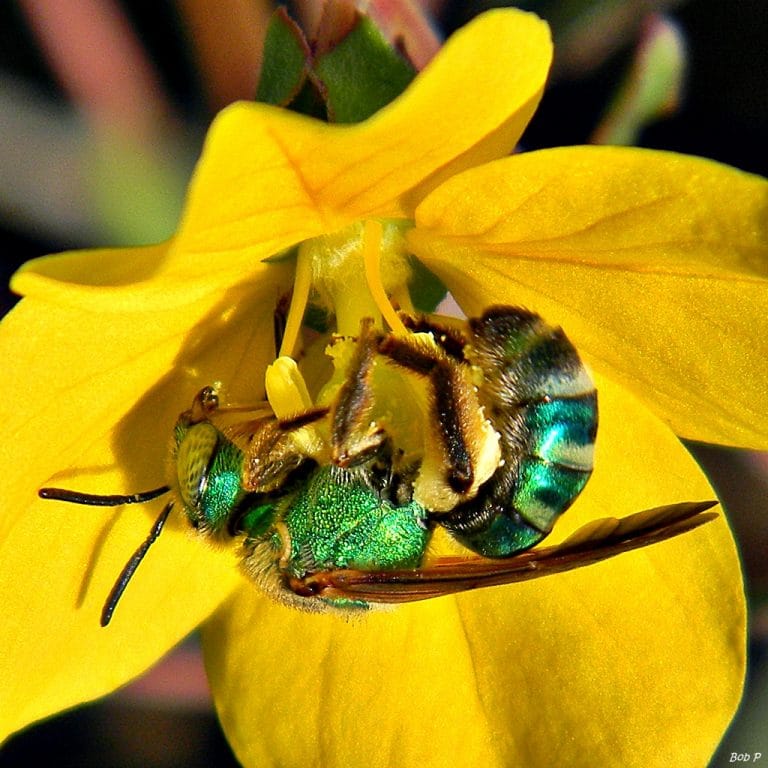
- Solitary bees, such as mason bees and mining bees, make up most bee species. More than 90 percent of North American bees are solitary. Each female builds her own nest, and these bees do not make honey or form hives.
How Bees Talk: The Waggle Dance
When a honeybee finds good flowers, she flies home and dances on the honeycomb. In the waggle dance, she runs in a straight line while wagging her body, then loops around and repeats it in a figure-eight shape.
The direction of the straight run shows which way to fly compared with the sun. The longer the waggle run lasts, the farther away the flowers are. For flowers very close to the hive, bees do a simpler round dance. A scientist named Karl von Frisch won a Nobel Prize in 1973 for figuring out this bee language.
Stings, Threats and Conservation Status
Only female bees can sting, and they usually sting only to defend themselves or their nest. A honeybee worker’s stinger has tiny barbs that get stuck in skin, so she dies after stinging a person. Most bees are gentle when left alone, so it is best to watch them calmly from a distance.
Many bees are in trouble because of habitat loss, pesticides, disease and climate change. Conservation status varies by species. On the IUCN Red List, the rusty patched bumblebee of North America has been listed as Critically Endangered since 2015. In Europe, the western honeybee was listed as Data Deficient in 2014 because scientists could not tell truly wild colonies from managed ones. A 2025 update listed wild honeybee colonies in the European Union as Endangered.
Planting flowers and leaving patches of bare ground and dead stems are simple ways to help wild bees.
Fast Facts for Young Readers
- A bee is an insect with six legs and four wings.
- Bees drink nectar and eat pollen from flowers.
- Honeybees live in big groups called colonies.
- Each honeybee colony has one queen.
- Honeybees make honey to eat in winter.
- Bees help plants make fruit and seeds.
- Most kinds of bees live alone, not in hives.
Key words: pollination – moving pollen from one flower to another so plants can make seeds; nectar – a sweet liquid made by flowers; colony – a group of animals of one kind that live together; larva – the young, wormlike stage of an insect after it hatches from an egg; solitary bee – a bee that lives and nests on its own instead of in a hive; waggle dance – a dance honeybees use to show other bees where to find food.
Try this: Play the waggle dance game: hide a “flower” in the room, then try to guide a partner to it using only a dance, with the direction of your straight walk pointing the way and the length of your wiggle showing how far.
Related Guides
- Bee facts
- Bee facts: things you might not know
- Bee Anatomy
- Ant facts for kids
- Butterfly facts for kids
- All animal facts for kids
Bee FAQs
How do bees make honey?
Honeybees collect nectar from flowers and carry it back to the hive. There, they add enzymes and fan their wings to dry the nectar until it becomes thick honey. They store the honey in wax cells and cap them with wax. The colony eats this honey during winter.
Do all bees make honey?
No. Honeybees make and store large amounts of honey, and bumblebees store a little food. Most bees are solitary bees, such as mason bees and mining bees. They live on their own, do not form hives and do not make honey.
Why do bees die after they sting?
Only honeybee workers usually die after stinging a person. Their stingers have tiny barbs that hook into skin, so the bee cannot pull free without being badly hurt. Queens can sting more than once, drones cannot sting at all, and most other bees do not die when they sting.
How long do bees live?
It depends on the bee. A honeybee worker lives about six weeks in summer, but workers raised in fall can live up to six months. A honeybee queen usually lives 2 to 3 years and sometimes up to 5. Many solitary bees are active as adults for only a few weeks.
Are bees endangered?
Some are. On the IUCN Red List, the rusty patched bumblebee has been listed as Critically Endangered since 2015. Many wild bees are declining because of habitat loss, pesticides, disease and climate change. In Europe, wild honeybee colonies in the European Union were listed as Endangered in 2025.
Sources: The Colony and Its Organization – University of Delaware (MAAREC); Bee Colony Life – Ask A Biologist, Arizona State University; Honey Bee Dance Language – NC State Extension; Bees – National Wildlife Federation; Wild Bees – Xerces Society; Wild honeybees listed as Endangered in the EU for the first time – ScienceAlert / The Conversation

Nato is a content writer and researcher with a background in psychology who’s eager to explore the wonders of nature. As a travel enthusiast and animal lover, she hopes to inspire others to discover and cherish the beauty and importance of the natural world. She also writes about the history of candy and snacks for Snack History and about food and healthy eating for The Fitchen.