fly

  • Rhinoceros Beetle

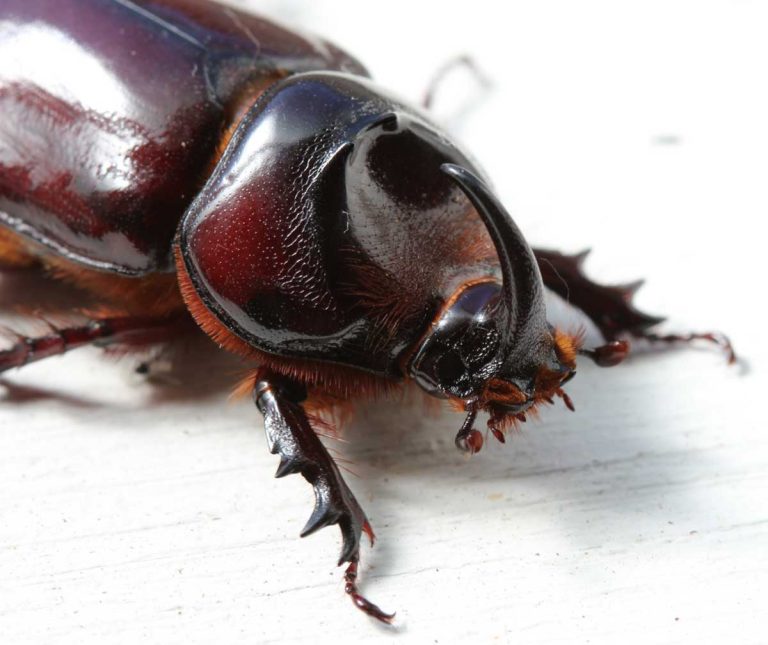
    Rhinoceros beetles are large, heavy-bodied beetles named for the horns that many males carry on their heads, just like a rhinoceros. They are a group of scarab beetles in the subfamily Dynastinae, which contains around 1,500 species. Some of them, like the Hercules beetle, are among the biggest beetles on Earth. Rhinoceros beetle Quick Facts…
  • Ladybird Song

    “Ladybird, Ladybird” is a traditional English nursery rhyme about the little spotted beetle we call the ladybird. In North America, where the beetle is called a ladybug, the rhyme usually begins “Ladybug, Ladybug” instead. It has been sung to children for nearly 300 years. Ladybird (ladybug) Quick Facts Common name Ladybird (ladybug) Scientific name Coccinellidae…

  • Flesh Eating Beetles

    Flesh-eating beetles are scavengers that feed on dead animals, especially dry skin, flesh and hair. The best known is the hide beetle (Dermestes maculatus), a small beetle that museums use to clean skeletons. Hide beetle Quick Facts Common name Hide beetle Scientific name Dermestes maculatus Kingdom Animalia Phylum Arthropoda Class Insecta Order Coleoptera Family Dermestidae…

  • Carrion Beetle

    Carrion beetles are beetles that feed on dead animals, which are known as carrion. They belong to the family Silphidae, and the group includes the famous burying beetles, which bury small dead animals to feed their young. By cleaning up dead animals, these beetles are some of nature’s most important recyclers. Carrion beetle Quick Facts…

  • Whirligig Beetle

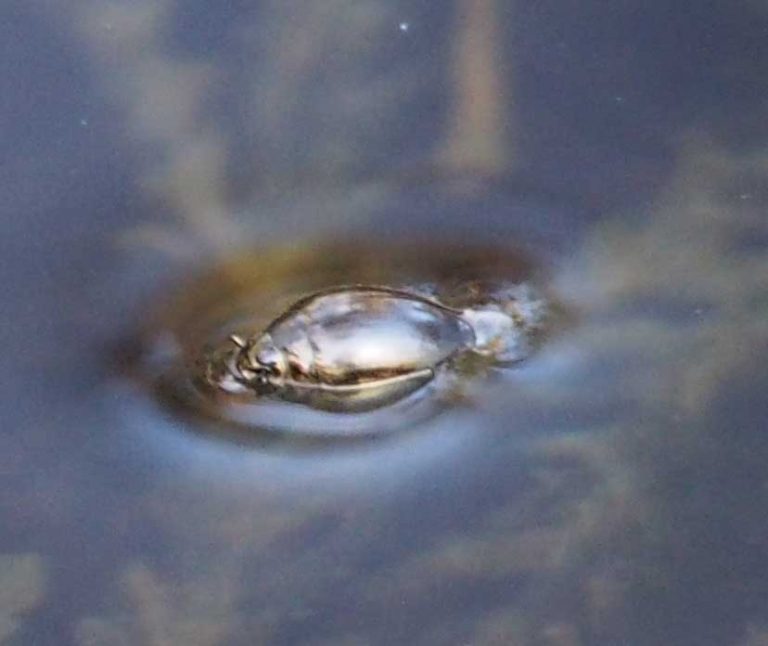
    Whirligig beetles are small, shiny water beetles that zip around in circles on the surface of ponds and streams. They belong to the family Gyrinidae, which has more than 700 species found around the world. You often see them in groups, spinning like tiny bumper cars. Whirligig beetle Quick Facts Common name Whirligig beetle Scientific…