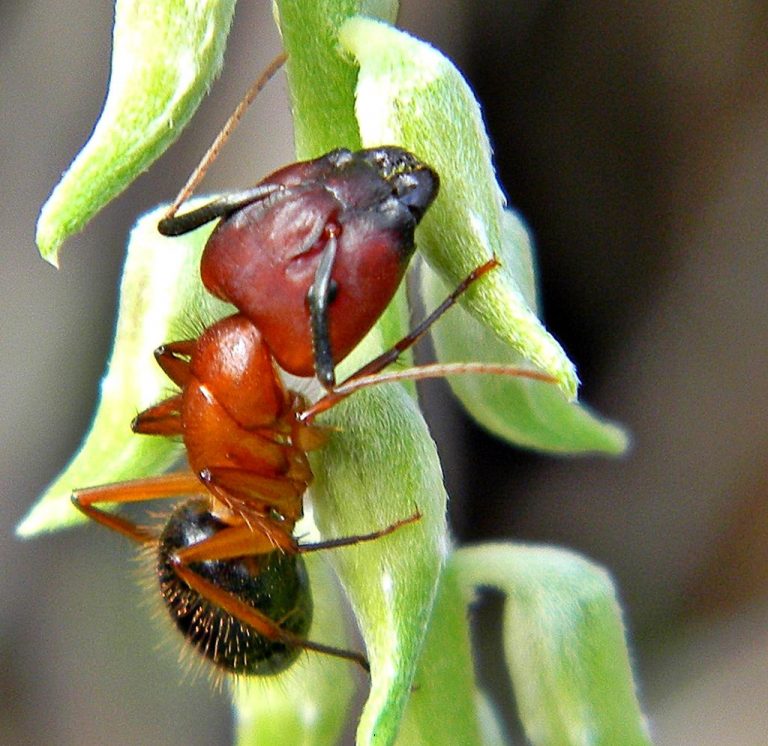
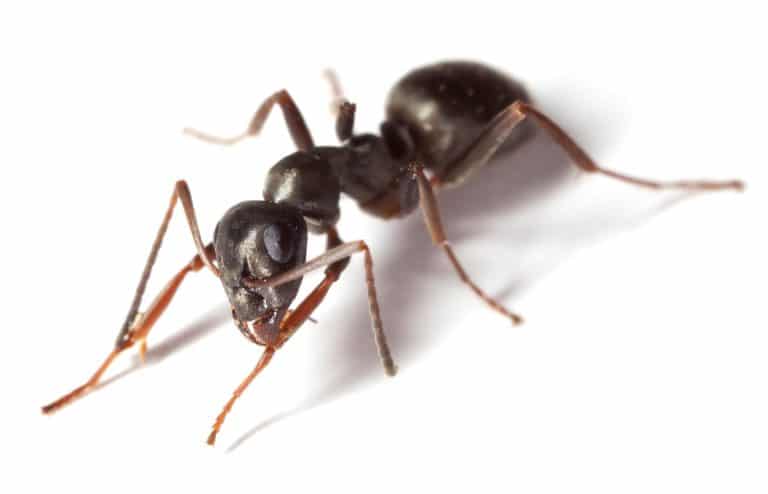
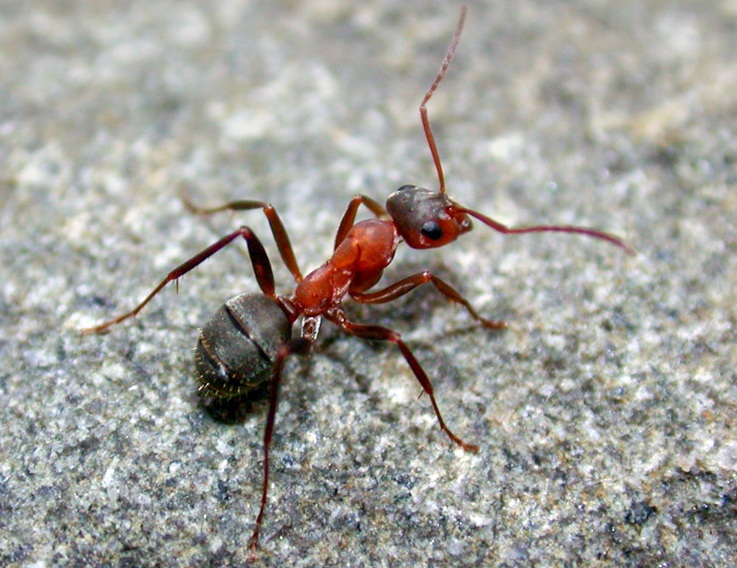
Ant Anatomy: Parts of an Ant and What They Do
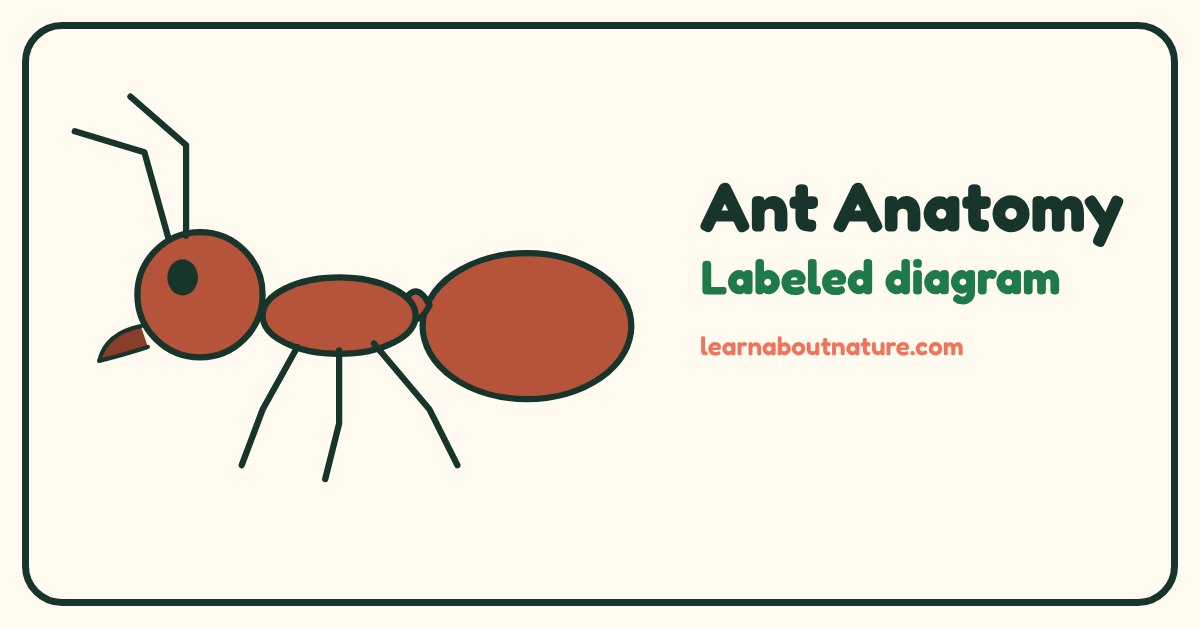
Quick answer: An ant’s body has a head with strong mandibles, elbowed antennae and compound eyes; a middle section called the mesosoma, which carries six legs; a narrow waist made of one or two small segments called the petiole and postpetiole; and a rounded rear section called the gaster, which holds the crop, gut and, in many species, a stinger.
Ants are some of the most successful insects on the planet. About 14,000 species have been named so far, and they live almost everywhere on land except the coldest places.
Ant bodies are built for teamwork. Their jaws carry food and build nests, their antennae read chemical messages, and a stretchy storage stomach lets workers share food with their nestmates. This guide explains the anatomy of a typical worker ant.
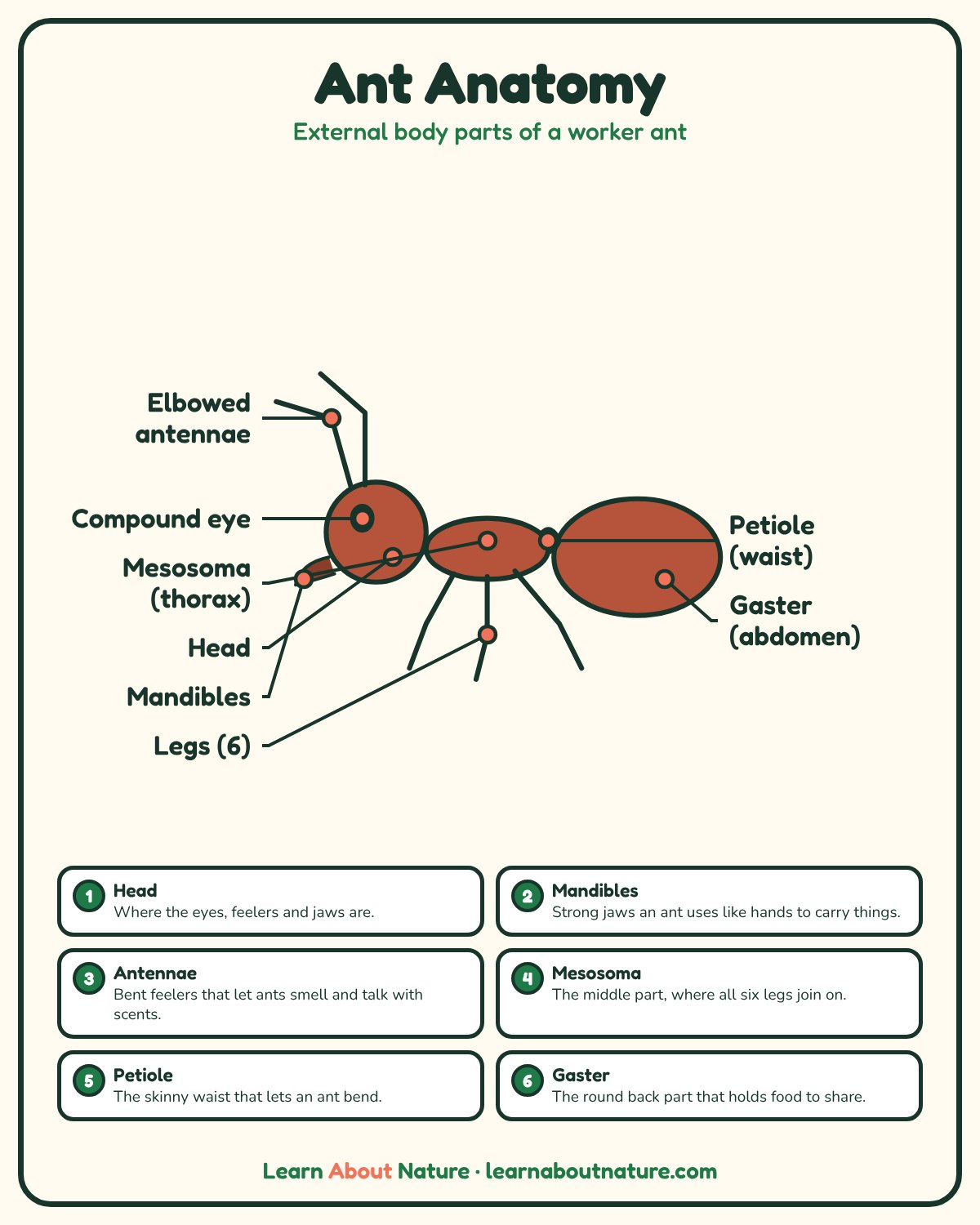
Teachers and students: you’re welcome to use this diagram in lessons and projects with credit to Learn About Nature.
Free printable: Download the Ant Anatomy labeling worksheet (PDF) – label the parts using the word bank. Answer key included.
Parts of a Ant and What They Do
| Part | What it does |
|---|---|
| Head | Holds the brain, eyes, antennae and jaws |
| Mandibles | Carry, cut, dig and defend |
| Antennae (elbowed) | Smell, taste and touch; read chemical messages |
| Compound eyes | Detect light and movement |
| Ocelli | Simple eyes that sense light; mostly in queens and males |
| Mesosoma | Middle section; holds the leg muscles |
| Legs (6) | Walk, run and climb using hooked claws |
| Petiole (and postpetiole) | Flexible waist that lets the gaster bend |
| Gaster | Rear section; holds the crop, gut and heart |
| Crop (social stomach) | Stores food to share with other ants |
| Stinger or acid opening | Defends the ant and colony |
| Spiracles | Tiny holes for breathing |
The Ant Body Plan
Ants are insects, so they have a head, six legs and a hard exoskeleton. But ant scientists divide the body into slightly different sections than for most insects: the head, the mesosoma, the petiole (the waist) and the gaster.
Why the special names? In ants, bees and wasps, the first segment of the abdomen is fused to the thorax. So the middle section is not just a thorax, and scientists call it the mesosoma. The rest of the abdomen, behind the waist, is called the gaster.
The Head: Mandibles, Antennae and Eyes
- Mandibles: a pair of strong jaws that work like hands. Ants use them to carry food, larvae and nest material, to dig, to cut leaves and to fight. Their shape varies a lot between species, from saw-edged blades to long, snapping traps.
- Antennae: each antenna has a long first segment, then a sharp bend like an elbow. This elbowed shape is one of the easiest ways to recognize an ant. Ants constantly tap their antennae on the ground and on other ants to smell, taste and touch.
- Compound eyes: made of many tiny units. Ants that hunt in daylight often have large eyes, while ants that live underground may have very small eyes or none.
- Ocelli: queens and males usually have three small simple eyes on top of the head. Workers of many species do not have them.
- Mouth: behind the mandibles are smaller mouthparts used for licking up liquid food and grooming.
The Mesosoma and Legs
The mesosoma is the ant’s power center. It holds the muscles that move the six legs. Each leg has several jointed sections and ends in a hooked claw that helps the ant grip and climb. A small comb on each front leg is used to clean the antennae.
Worker ants have no wings. Young queens and males do have wings, which they use on a mating flight. After mating, a queen breaks off her wings and starts a new nest. The scars where her wings were attached can still be seen on her mesosoma.
The Waist: Petiole and Postpetiole
Between the mesosoma and the gaster is a narrow, flexible waist. In many ants it is a single small segment, often shaped like a knob or upright scale, called the petiole. Other ants, such as fire ants, have a second small segment called the postpetiole, so the waist has two bumps.
The waist lets an ant bend its gaster forward under its body to sting or spray. Scientists also use the number and shape of the waist segments to identify ants.
The Gaster and Stinger
The gaster is the rounded rear section. It holds most of the digestive system, the heart and, in queens, the egg-making organs.
Many ants, such as fire ants and harvester ants, have a stinger at the tip of the gaster. Others have lost the stinger. Wood ants and their relatives, for example, spray formic acid from a small opening at the tip instead. Ant stings can be painful, and some people are allergic, so it is best to watch ants without picking them up.
Internal Anatomy: Inside an Ant
An ant has two stomachs, in a sense. The front one, the crop, is a stretchy storage bag often called the social stomach. Food stored there can be brought back up and shared with other ants, mouth to mouth. Behind it is the midgut, where the ant digests food for itself.
Ants breathe through tiny holes called spiracles on the sides of the body, which lead to a network of air tubes. A tube-shaped heart along the top of the gaster pumps their blood, called hemolymph.
Ants also have many glands that make chemical signals called pheromones. One gland can lay a scent trail that leads nestmates to food. Another releases an alarm scent when danger is near.
Ant Senses
For most ants, smell and touch matter far more than sight. The antennae pick up pheromones and help an ant tell whether another ant is a nestmate or a stranger, since each colony has its own scent.
Ants also feel vibrations through their legs, and some species make squeaking sounds by rubbing body parts together to signal others.
Ants vs Termites
People sometimes confuse ants with termites, especially the winged forms that swarm out of nests. There are three quick clues:
- Waist: ants have a pinched waist; termites have a thick waist with no pinch.
- Antennae: ant antennae are bent like an elbow; termite antennae are straight, like a string of beads.
- Wings: winged ants have front wings longer than the back wings; winged termites have four wings of about equal length.
Fun Facts About Ant Bodies
- In some species, workers come in very different sizes, with big-headed soldiers or majors alongside small workers.
- Honeypot ants have special workers whose gasters swell up like grapes with stored food for the colony.
- Trap-jaw ants can snap their mandibles shut extremely fast, fast enough to fling themselves into the air.
Ant Anatomy for Kids
- Head: where the eyes, feelers and jaws are.
- Mandibles: strong jaws an ant uses like hands to carry things.
- Antennae: bent feelers that let ants smell and talk with scents.
- Mesosoma: the middle part, where all six legs join on.
- Petiole: the skinny waist that lets an ant bend.
- Gaster: the round back part that holds food to share.
Key words: mandibles – an ant’s jaws; mesosoma – the middle section of an ant, where the legs attach; petiole – the small, narrow waist segment between an ant’s middle and rear sections; gaster – the rounded rear section of an ant; crop – a stretchy storage stomach an ant uses to share food; pheromone – a scent an animal uses to send messages to others of its kind.
Try this: Place a crumb of cookie near an ant trail and watch from a distance. Count how long it takes for more ants to arrive, and talk about how scent trails help them find food.
Related Guides
- Ant life cycle
- Types of ants
- Insect Anatomy
- Bee Anatomy
- Spider Anatomy
- Grasshopper life cycle
- Cockroach life cycle
- All animal & plant anatomy diagrams
- Animal & plant life cycles
See also: Ant Facts for Kids
Ant Anatomy FAQs
What are the main body parts of an ant?
An ant has a head, a mesosoma (the middle section), a narrow waist called the petiole, and a rounded rear section called the gaster. The head carries the jaws, antennae and eyes, the mesosoma carries the six legs, and the gaster holds the digestive organs.
Why are ant antennae bent?
Ant antennae have a long first segment followed by a sharp joint, giving them an elbow shape. This lets an ant fold and move its antennae in many directions to tap the ground, food and other ants, helping it smell, taste and touch its surroundings.
What is the petiole on an ant?
The petiole is the small, narrow segment that forms an ant’s waist, between the mesosoma and the gaster. Some ants also have a second waist segment, the postpetiole. The waist makes the body flexible so the ant can curl its gaster to sting or spray.
Do all ants sting?
No. Many ants, including fire ants and harvester ants, have a stinger. Others have lost their stinger and defend themselves by biting or by spraying formic acid from the tip of the gaster. Some ants can do both.
Do ants have two stomachs?
In a way, yes. An ant has a crop, often called the social stomach, which stores food that can be shared with other ants. Behind it is the midgut, where the ant digests food for its own use.
Sources: Face to Face with Ants – Ask A Biologist, Arizona State University; Morphological Terms – AntWiki; AntWiki (species totals)

Nato is a content writer and researcher with a background in psychology who’s eager to explore the wonders of nature. As a travel enthusiast and animal lover, she hopes to inspire others to discover and cherish the beauty and importance of the natural world. She also writes about the history of candy and snacks for Snack History and about food and healthy eating for The Fitchen.